
(Phnom Penh): Since the outbreak of the US–Iran war in early February 2026, US President Donald Trump has repeatedly employed some of the strongest rhetoric of the conflict, warning that Iran could face “obliteration,” issuing what he described as a “final ultimatum,” and threatening devastating military consequences if Tehran refused to comply with Washington’s demands.
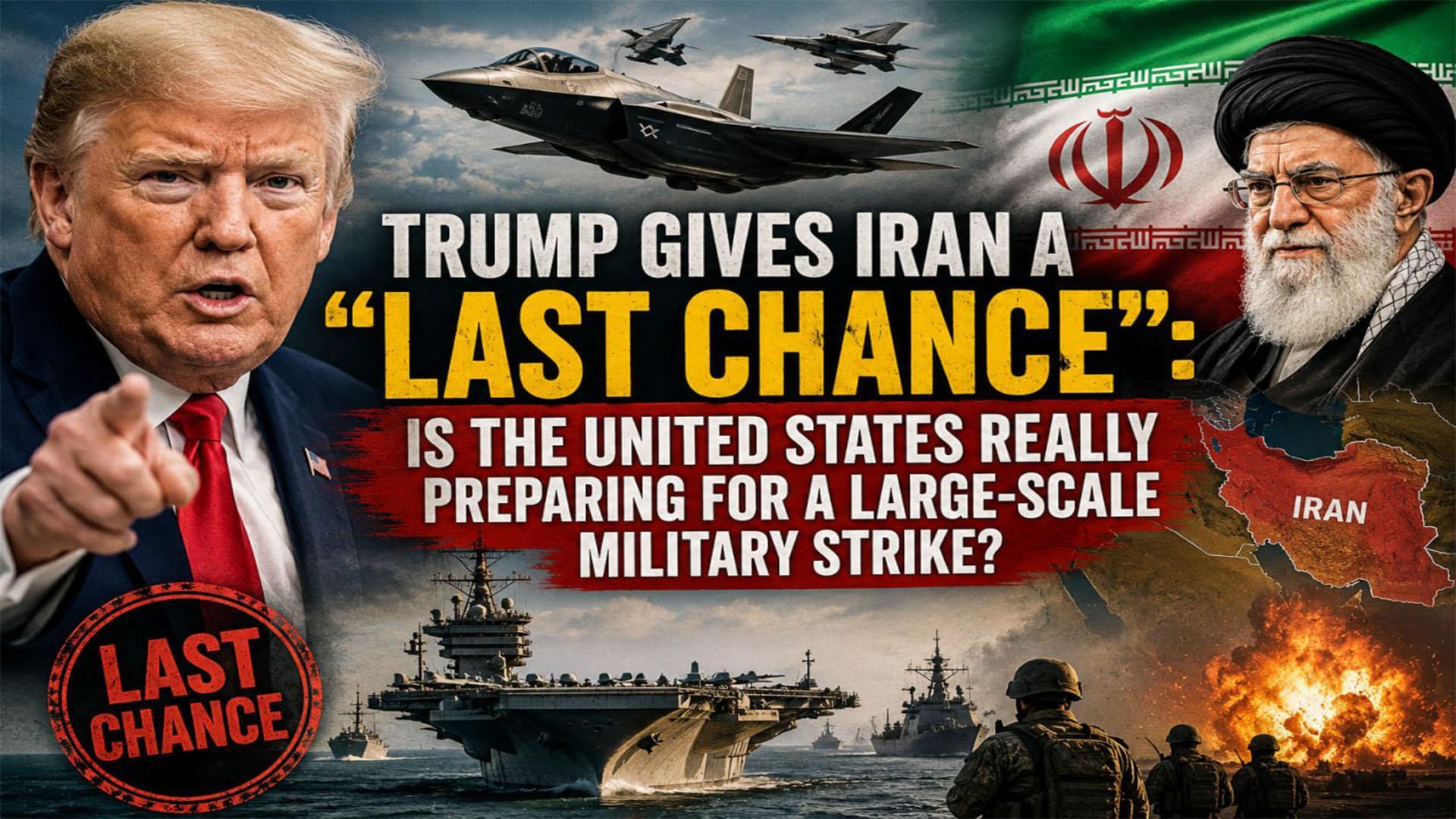
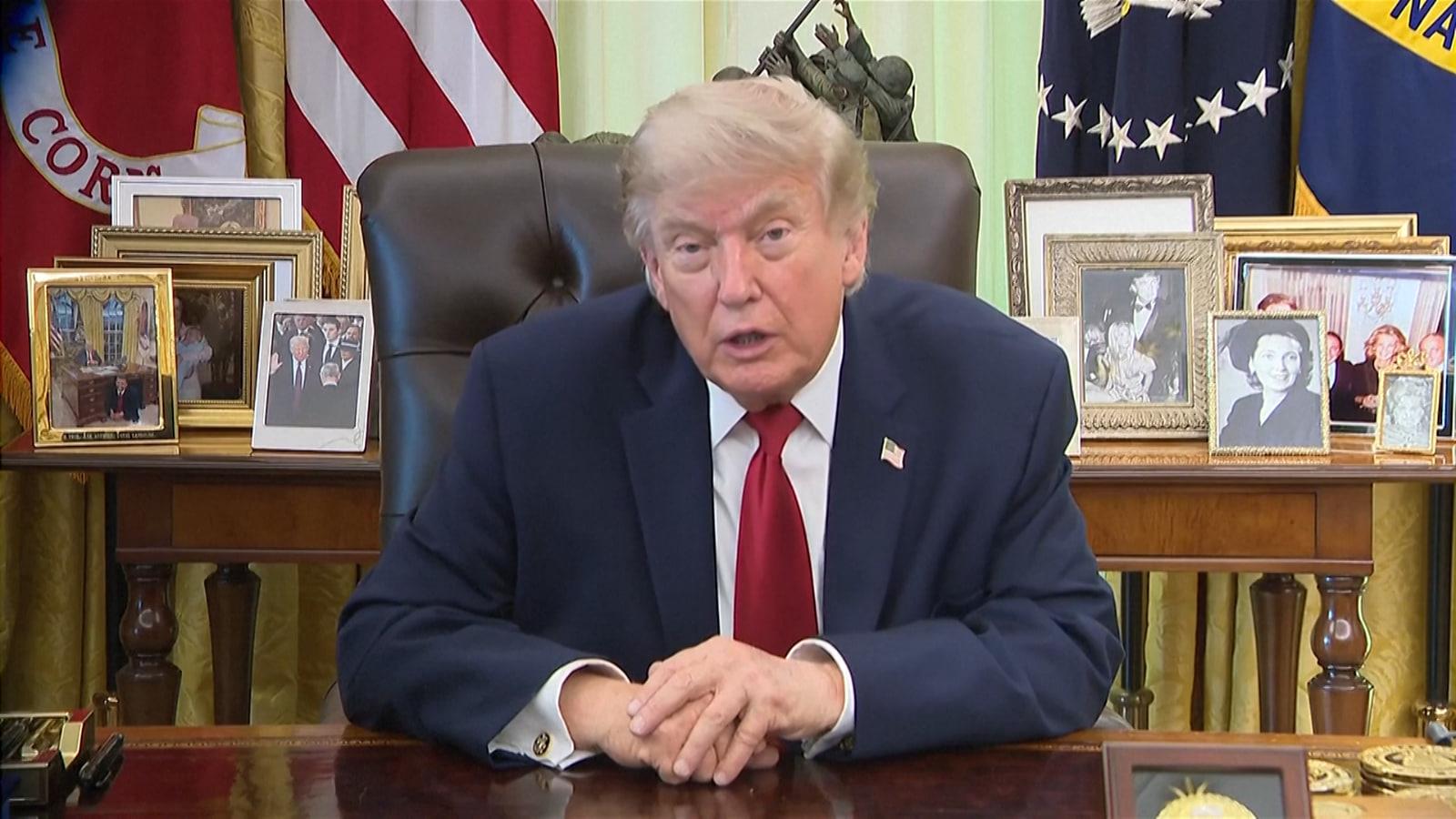
This week, Trump again warned that Iran was facing its “last chance” to reach an agreement with the United States.
For those who have closely followed the conflict, however, such language is far from new. Over the past five months, Trump has invoked the phrase “Last Chance”, or language carrying a similar meaning, at least seven times as part of Washington’s pressure campaign against Tehran. Each warning has been accompanied by threats of military action, strict deadlines, and declarations that Iran’s strategic infrastructure could face devastating attacks unless it accepted US conditions.
Yet almost every one of those warnings has stopped short of triggering the large-scale military offensive that many feared. Instead, they have typically been followed by pauses in military operations, extensions of deadlines, or renewed claims that diplomatic negotiations were still underway.
The latest warning appears to follow a similar pattern. Trump insists that Iran is now facing its “last chance” to reach a comprehensive agreement, while Tehran continues to deny that any direct negotiations with Washington are taking place. At the same time, CNN has reported that the US military is now seeking “creative and unconventional ideas” to increase pressure on Iran after existing military options have failed to achieve Washington’s strategic objectives.
The central question, therefore, is no longer simply whether President Trump will launch another military strike against Iran. A more important question is why Trump continues to rely on “Last Chance” rhetoric time and again—and whether this latest warning genuinely represents a shift in US strategy or merely another chapter in a familiar pressure campaign.
To answer that question, this analysis examines the recurring pattern of Trump's ultimatums over the past five months, the limitations facing Washington's military options, Iran's continuing ability to resist pressure, and whether the latest warning signals a meaningful strategic change or simply repeats a well-established approach.
Last Chance” Is Nothing New: A Repeating Pattern of Strategic Pressure
Viewed in isolation, President Trump's latest statement could easily be interpreted as a sign that the United States is moving closer to launching a major military campaign against Iran. However, when examined within the broader context of the five-month conflict, the latest warning appears less like a dramatic turning point than another example of a recurring strategic pattern.
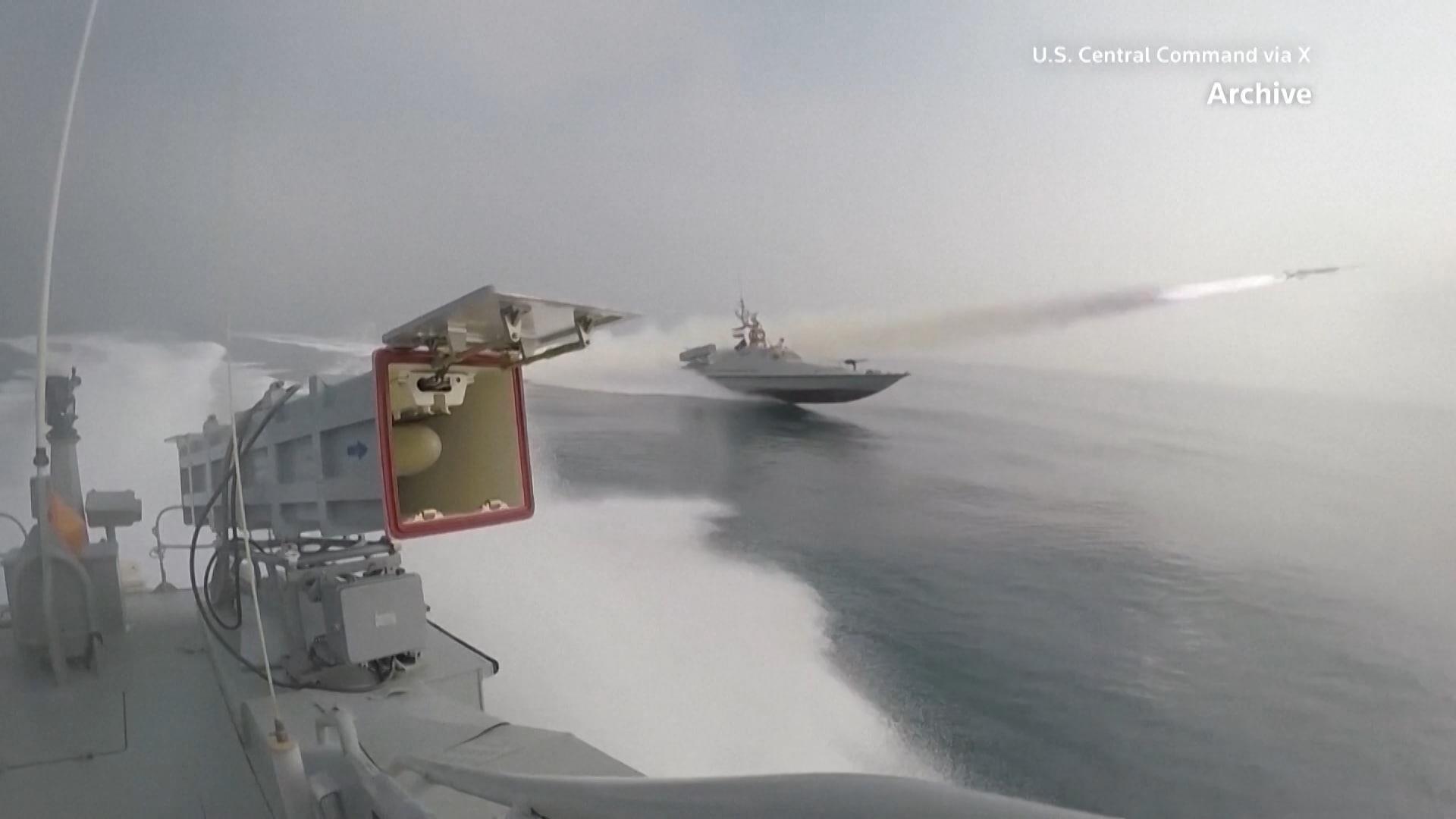
Throughout the war, Trump has repeatedly adopted highly confrontational language. At various moments he has issued 48-hour ultimatums demanding that Iran reopen the Strait of Hormuz, threatened to destroy critical energy infrastructure and military facilities, and even declared that Tehran was receiving its “every last chance before decapitation”—a phrase widely understood in military terminology as referring to strikes aimed at eliminating a country's senior leadership rather than its literal meaning.
Now, the phrase “Last Chance” has returned once again.
Despite the increasingly forceful rhetoric, the overall pattern has remained remarkably consistent. Following each warning, the US military has prepared contingency plans and increased military pressure. Soon afterward, however, the narrative has shifted toward diplomacy, extended deadlines, or renewed discussions about negotiations. Iran, for its part, has consistently denied holding direct talks with Washington, while the conflict has continued without escalating into the full-scale confrontation that many of the earlier warnings appeared to foreshadow.
Measured solely by the language itself, therefore, the latest “Last Chance” warning does not yet demonstrate a fundamental shift in Washington's strategy. The more significant question is not the rhetoric, but whether there is concrete evidence that the United States has begun adopting a genuinely different strategic approach toward Iran.
Why Have Trump's Threats Not Escalated Into a Full-Scale War?
One possible answer lies in CNN's latest reporting. Rather than focusing on Trump's rhetoric alone, the report offers a glimpse into what is happening inside the US military establishment.
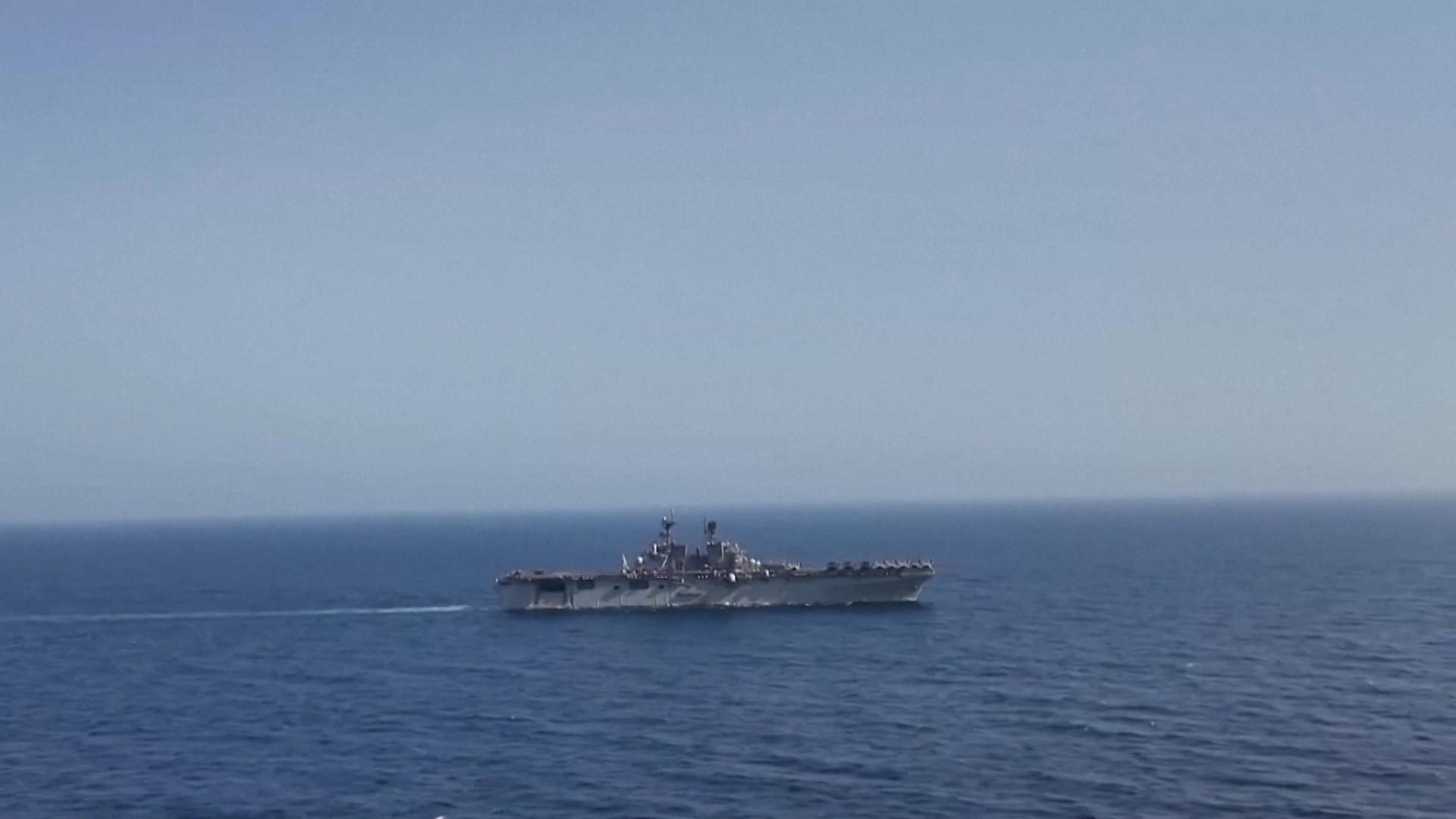
According to CNN, the US Central Command (CENTCOM) has instructed military planners and intelligence analysts to develop “creative and unconventional ideas” for increasing pressure on Iran. The request suggests that Washington is actively reassessing its options after months of military operations have failed to produce the strategic outcome it originally sought.
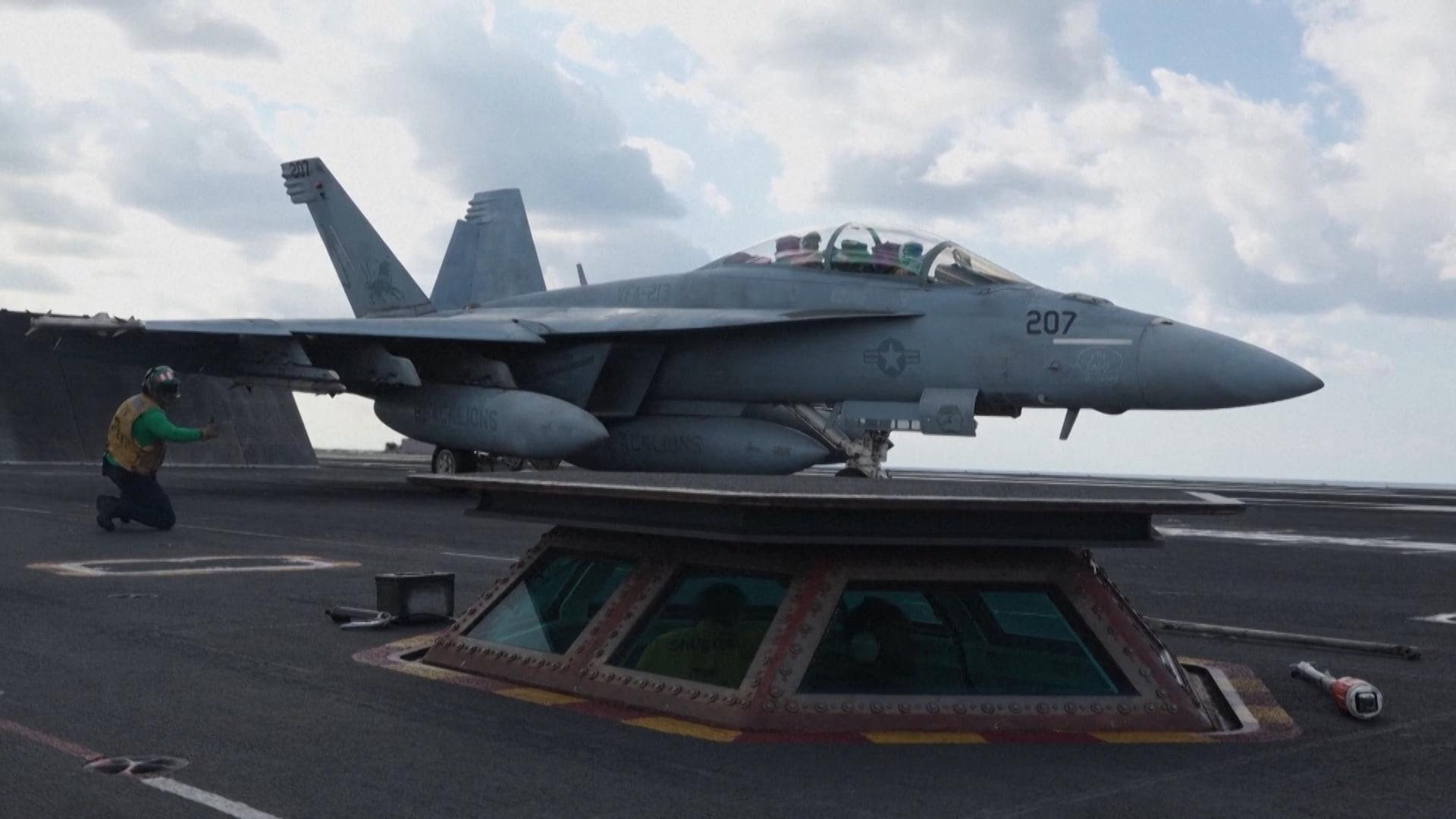
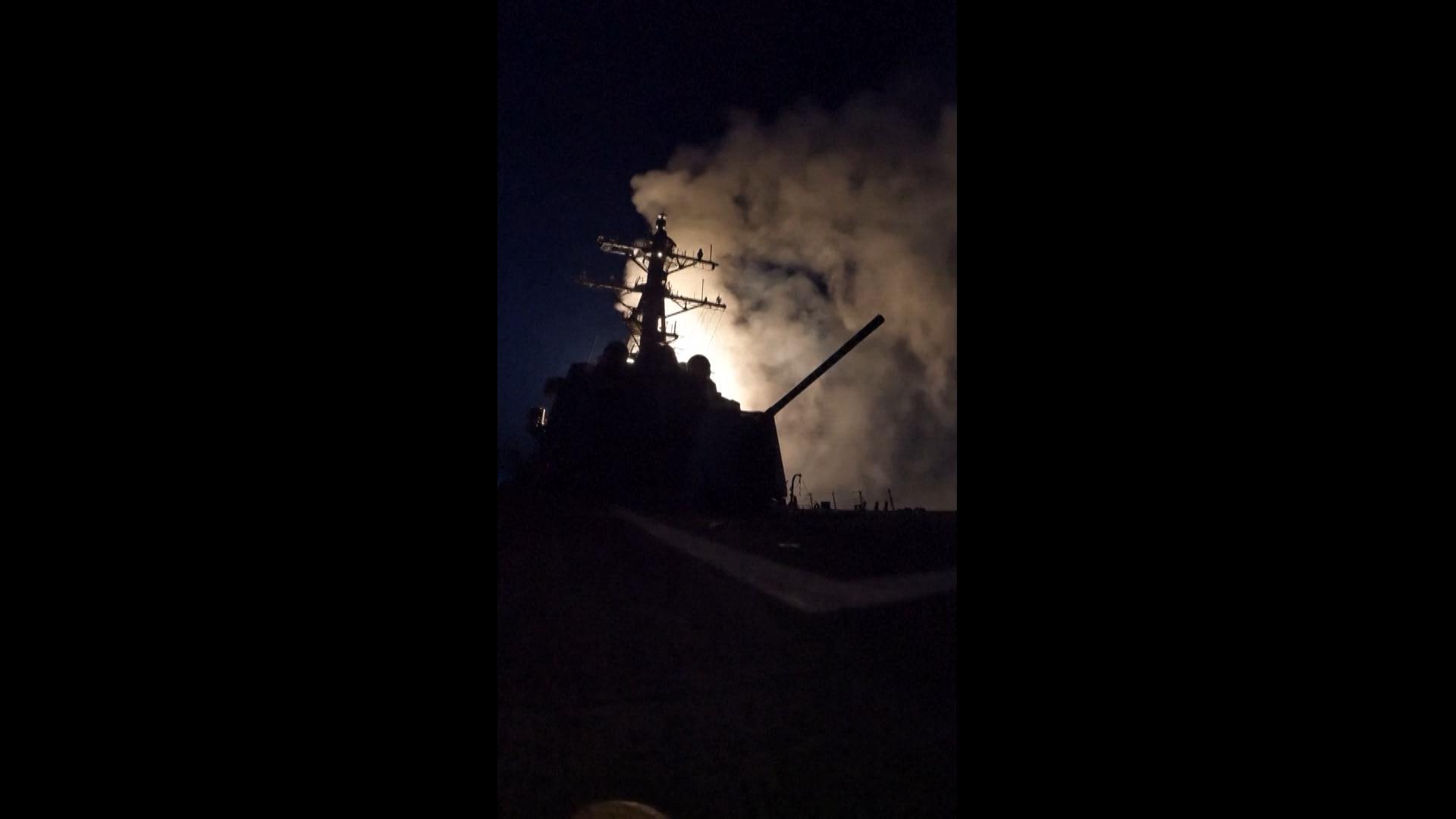
Such a request is unusual. It reflects growing recognition that the measures employed over the past five months—including air strikes, naval pressure, and economic sanctions—have not succeeded in compelling Tehran to accept Washington's terms. Despite sustained military and economic pressure, Iran continues to resist and has shown little indication that it is prepared to concede on the core issues driving the conflict.
CNN further reports that assessments by senior US military leaders and intelligence agencies point to another challenge: air power alone has clear limitations. While precision strikes can damage military infrastructure, they are unlikely by themselves to fundamentally alter Iran's political or strategic calculations.
At the same time, a large-scale ground invasion carries enormous military, political, and financial risks. Such an operation would almost certainly require a prolonged military commitment—precisely the type of conflict that President Trump repeatedly pledged to avoid during his political campaigns.
Washington therefore finds itself in an increasingly difficult strategic position. Continuing the current military campaign has produced only limited results, while escalating the conflict through a major ground offensive could impose far greater costs than the United States may be willing to bear.
Viewed from this perspective, Trump's latest "Last Chance" warning should not automatically be interpreted as evidence that a full-scale war is imminent. It may instead represent another attempt to maximize diplomatic and psychological pressure while Washington continues searching for more effective strategic options.
Iran Continues to Demonstrate Its Ability to Resist Pressure
Another important reason Trump's repeated warnings have not translated into a large-scale military offensive is that Iran continues to retain meaningful leverage despite months of sustained military and economic pressure.
Recent developments suggest that the conflict has expanded far beyond Iran's own territory. Rather than being confined to direct military exchanges, the confrontation increasingly affects some of the world's most strategically important maritime trade routes.
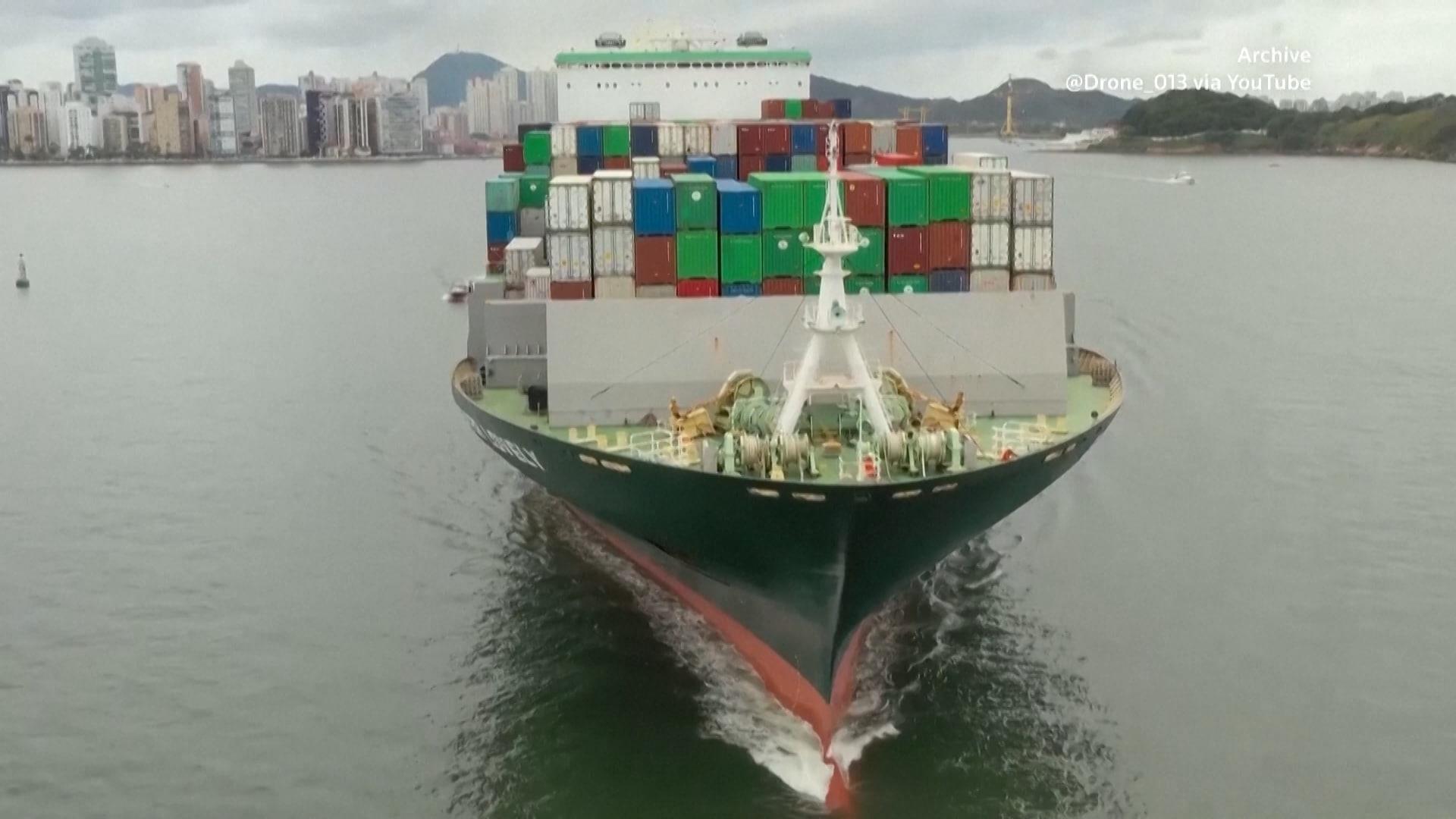
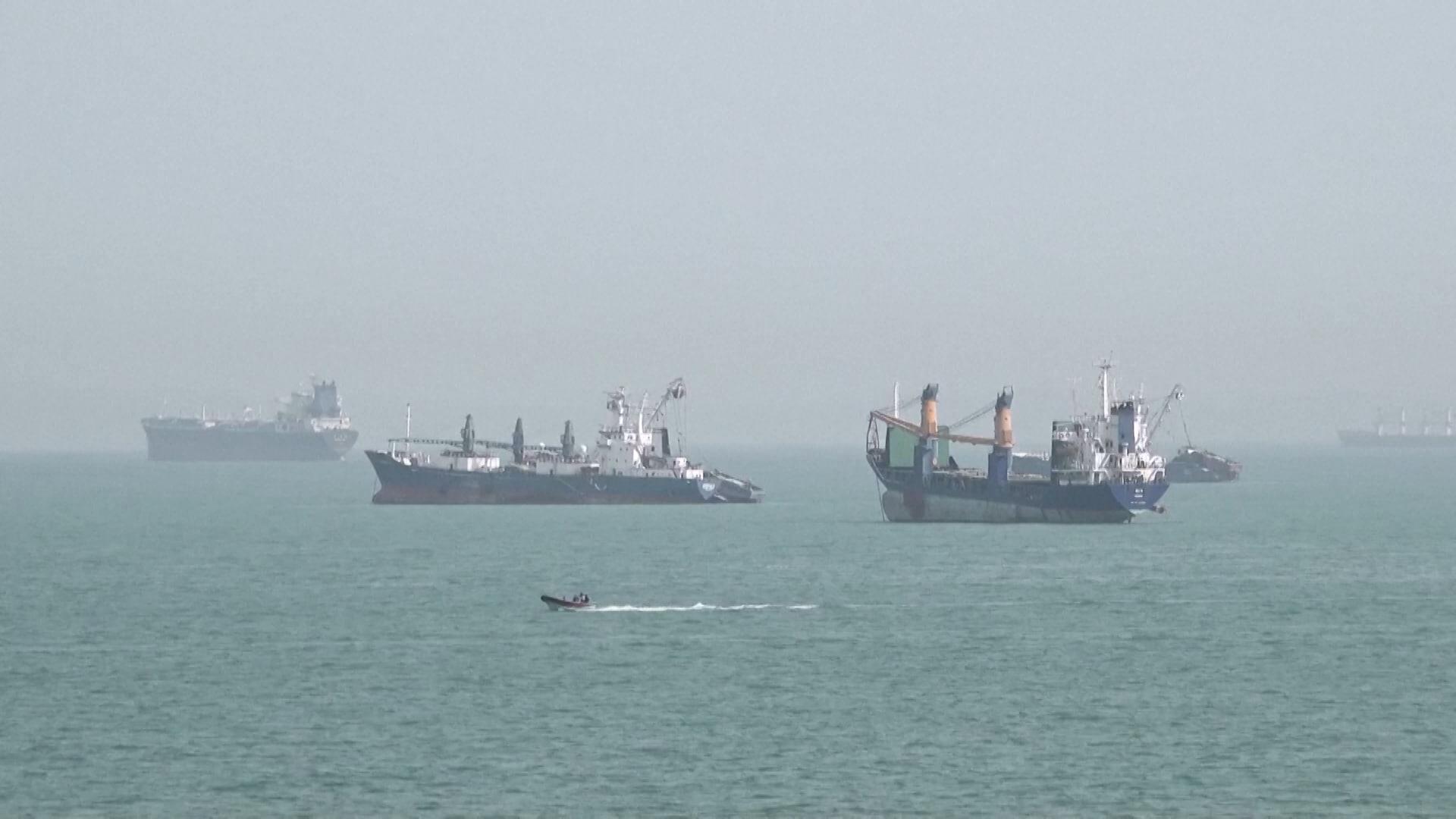
Tehran has stated that it is communicating with Oman regarding maritime arrangements in the Strait of Hormuz, while attacks targeting commercial shipping in the region continue to create uncertainty over global energy supplies.
Nor is Hormuz the only pressure point. In the Red Sea, Yemen's Houthi movement—closely aligned with Iran—has continued disrupting maritime traffic through the Bab al-Mandeb Strait. The resulting diversion of commercial shipping has increased transportation costs, extended delivery times, and added new uncertainty to international energy markets.
These developments illustrate that Iran does not necessarily need to confront US forces directly in order to impose costs on Washington and its partners. Through its geographic position, regional network of allies, and influence over critical maritime chokepoints, Tehran retains the ability to raise both the economic and political price of continued confrontation.
This helps explain why the current conflict differs from a conventional war. It is no longer determined solely by military strength on the battlefield. Increasingly, it has become a contest over strategic endurance, economic resilience, energy security, and geopolitical influence across the broader Middle East.
The longer the conflict continues, the more difficult it becomes for either side to secure a decisive victory without assuming substantially greater political, economic, and military risks.
Is This Warning Different From the Previous Ones?
Judged purely by Trump's rhetoric, the answer is not yet.
The phrase "Last Chance", together with threats of military action and repeated ultimatums, has become familiar language throughout the five-month conflict. Similar warnings have appeared on multiple occasions, each accompanied by predictions that a major escalation could be imminent.
However, when viewed through a strategic lens, this latest episode may contain one important difference.
The most significant development is not Trump's words themselves, but what appears to be an implicit acknowledgement within Washington that the military tools employed so far have not fully achieved their intended objectives. CNN's report that CENTCOM is seeking "creative and unconventional ideas" suggests that the United States is reassessing its strategic options rather than simply preparing to repeat the same military approach.
In other words, the discussion inside the US military appears to be shifting from whether to increase pressure to how that pressure can be made more effective.
Meanwhile, President Trump also faces growing political constraints at home. Rising energy prices, increasing criticism from Democratic lawmakers, and declining approval ratings all complicate the decision to launch a broader military campaign. Every available option—escalating military action, maintaining the current level of pressure, or pursuing renewed diplomacy—carries significant political, economic, and military costs.
For that reason, the significance of this latest "Last Chance" warning may lie less in the words themselves than in what they reveal about Washington's evolving strategic calculations.
The United States appears to be reaching a point where simply repeating previous methods may no longer produce different results. Whether that leads to a fundamentally new strategy—or merely another round of pressure and negotiations—remains uncertain.
Conclusion: Beyond "Last Chance": The Real Test Lies in Strategy, Not Rhetoric
Over the past five months, the US–Iran conflict has followed a remarkably consistent pattern: escalating warnings, mounting military and economic pressure, temporary pauses in operations, and renewed diplomatic efforts.
Within that pattern, "Last Chance" has become less a definitive signal of an imminent large-scale war than a recurring element of Washington's broader pressure strategy.
That does not mean the danger of escalation has disappeared.
On the contrary, recent developments suggest that the conflict is entering a more complex phase—one in which threats alone are no longer sufficient to force either side to change its strategic calculations. Washington is searching for new approaches after existing military options have produced only limited results, while Tehran continues demonstrating its ability to impose political, economic, and geopolitical costs through its regional partnerships and strategic geography.
The question the international community should now be asking is therefore no longer simply: "Will President Donald Trump launch a major military strike against Iran?"
A more consequential question is whether the United States and Iran can break the strategic deadlock that has defined this five-month conflict and move toward a political solution before further escalation becomes unavoidable.
If that answer remains elusive, then "Last Chance" may ultimately prove not to be the final opportunity for diplomacy, but merely another warning in a conflict whose end remains uncertain.