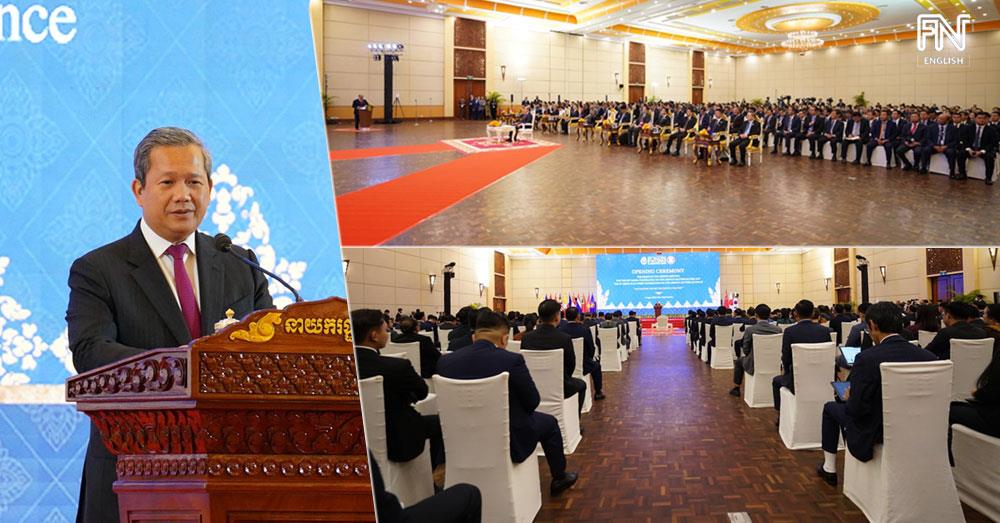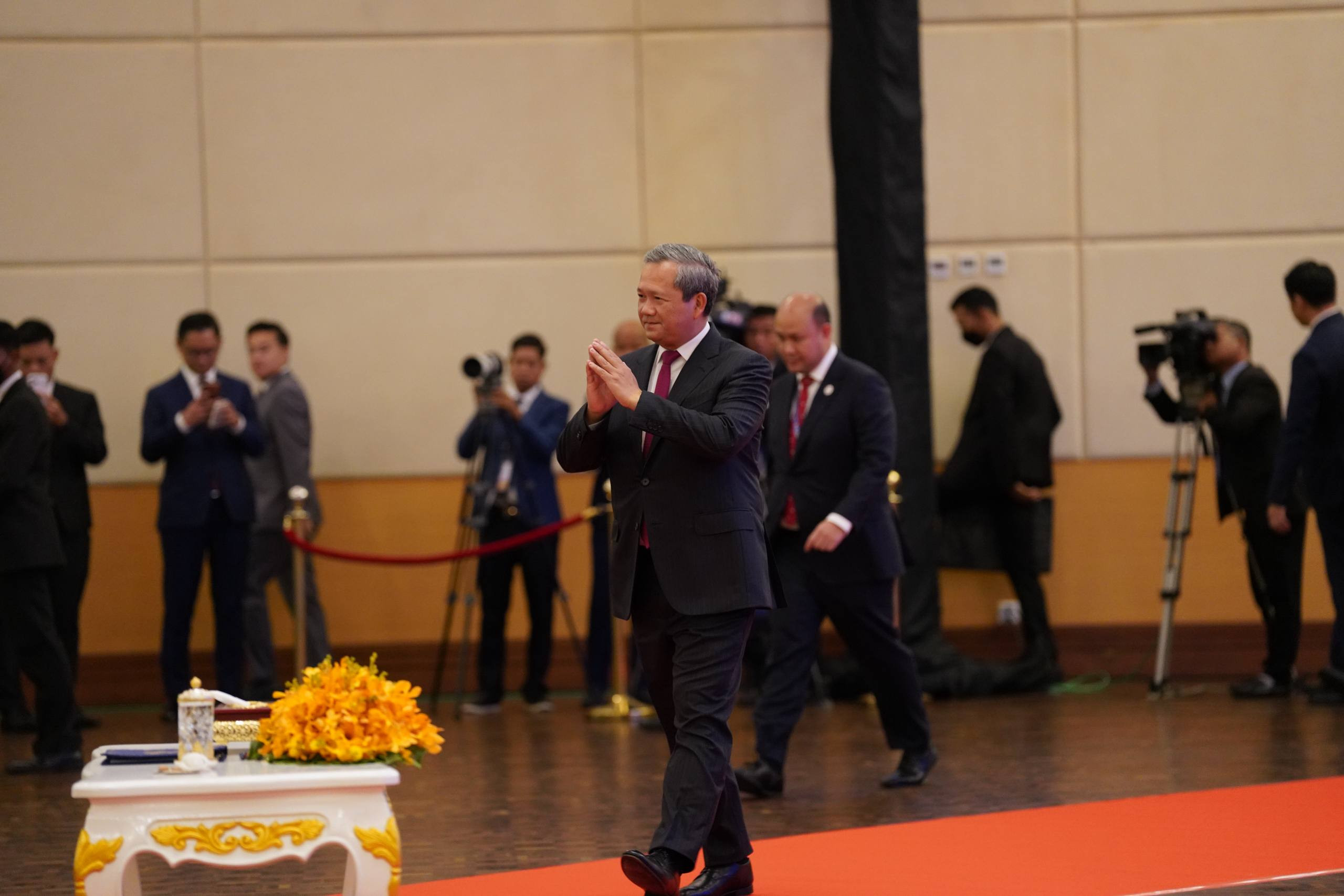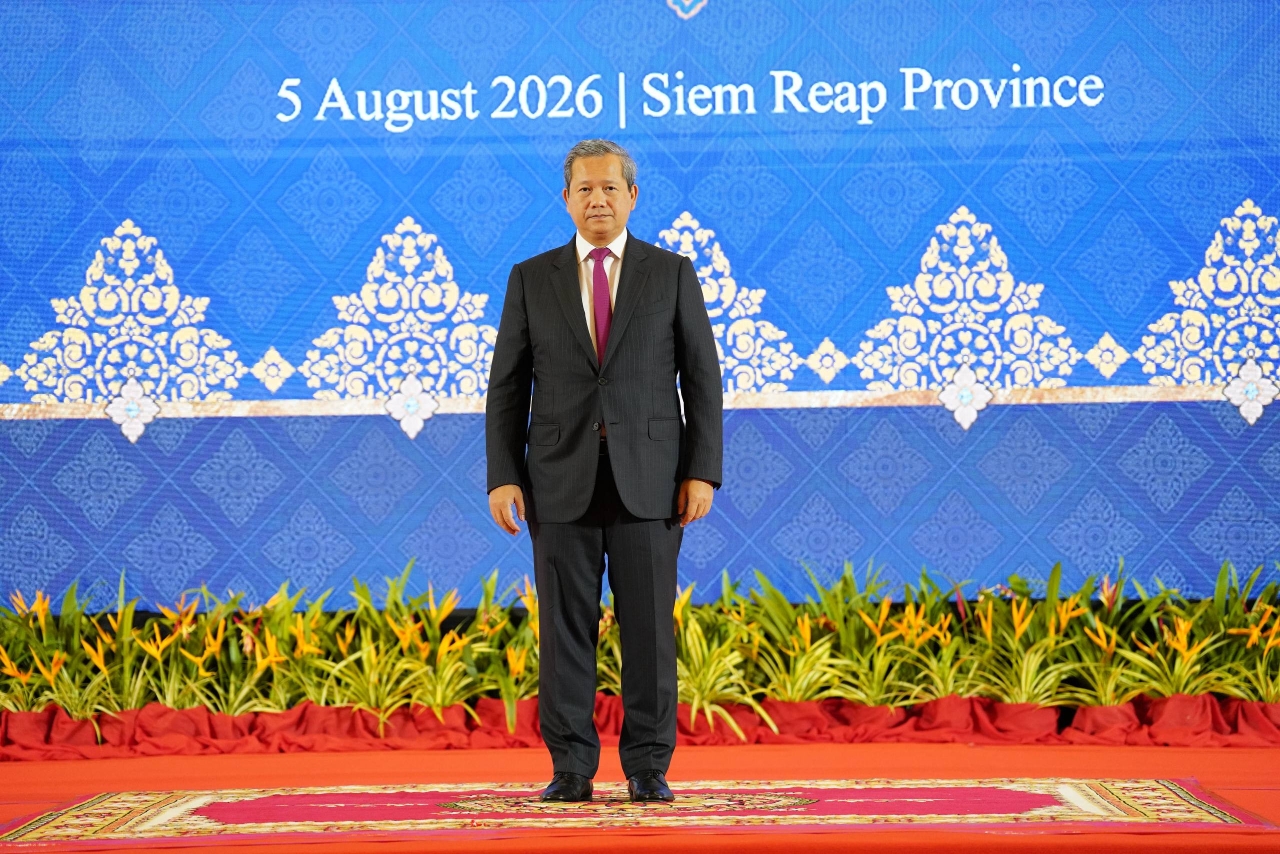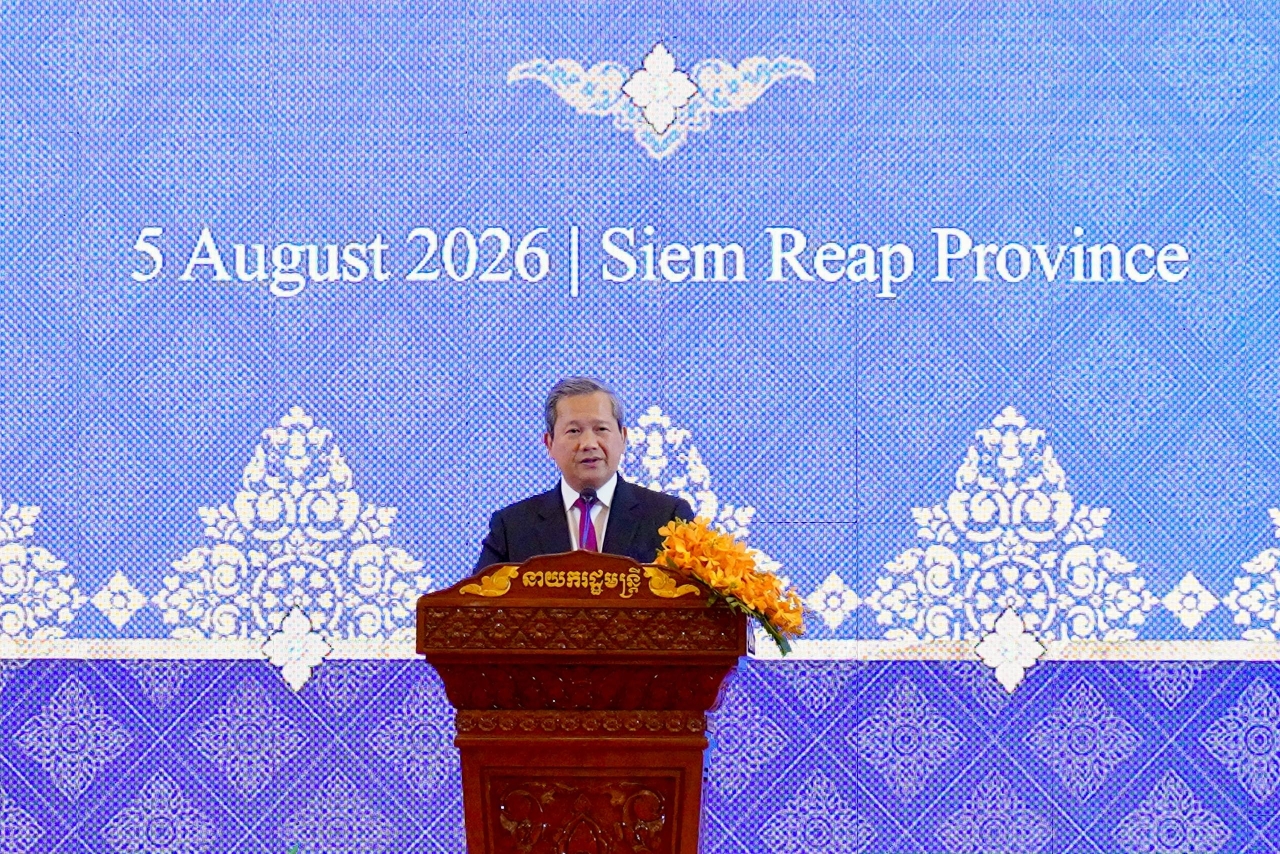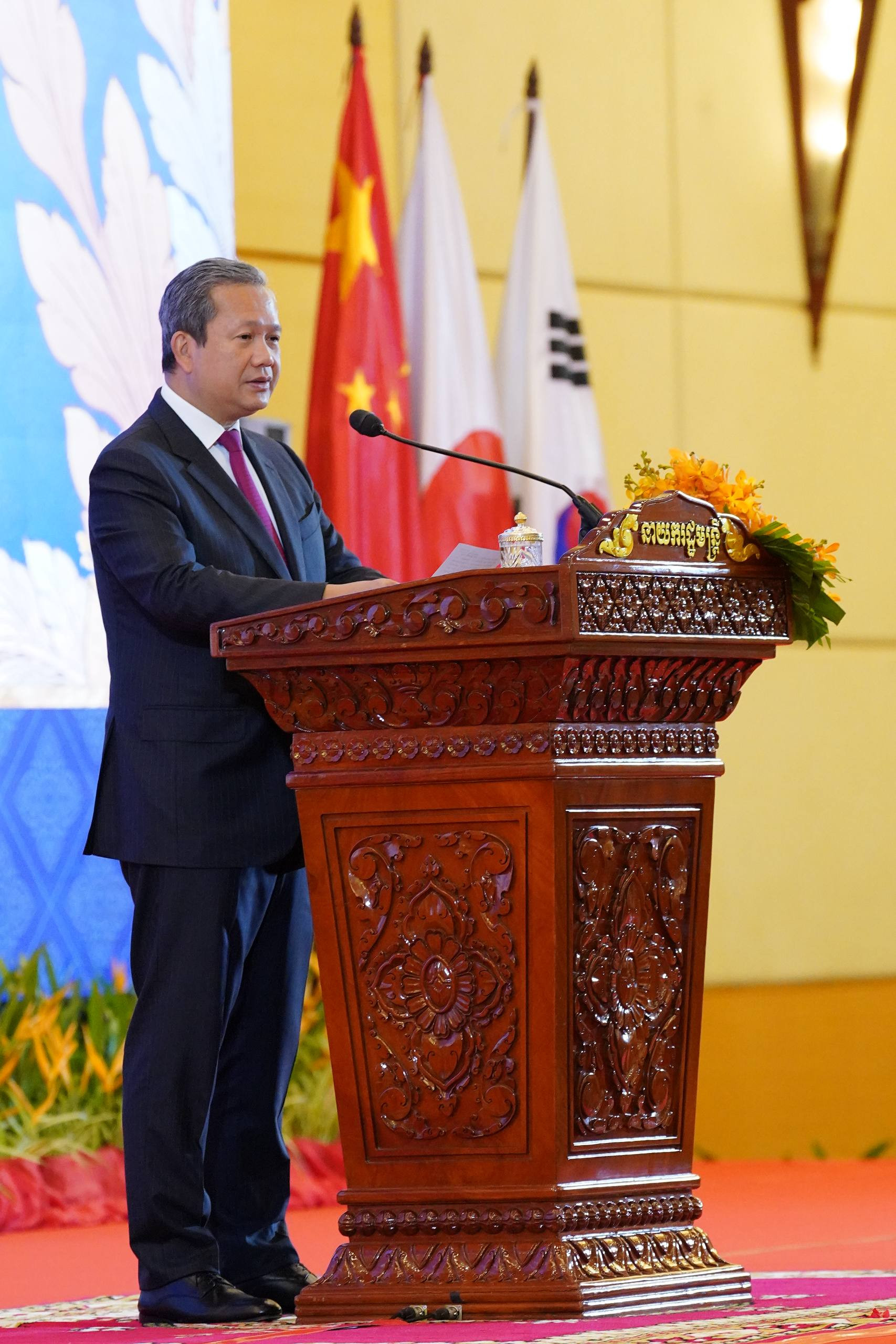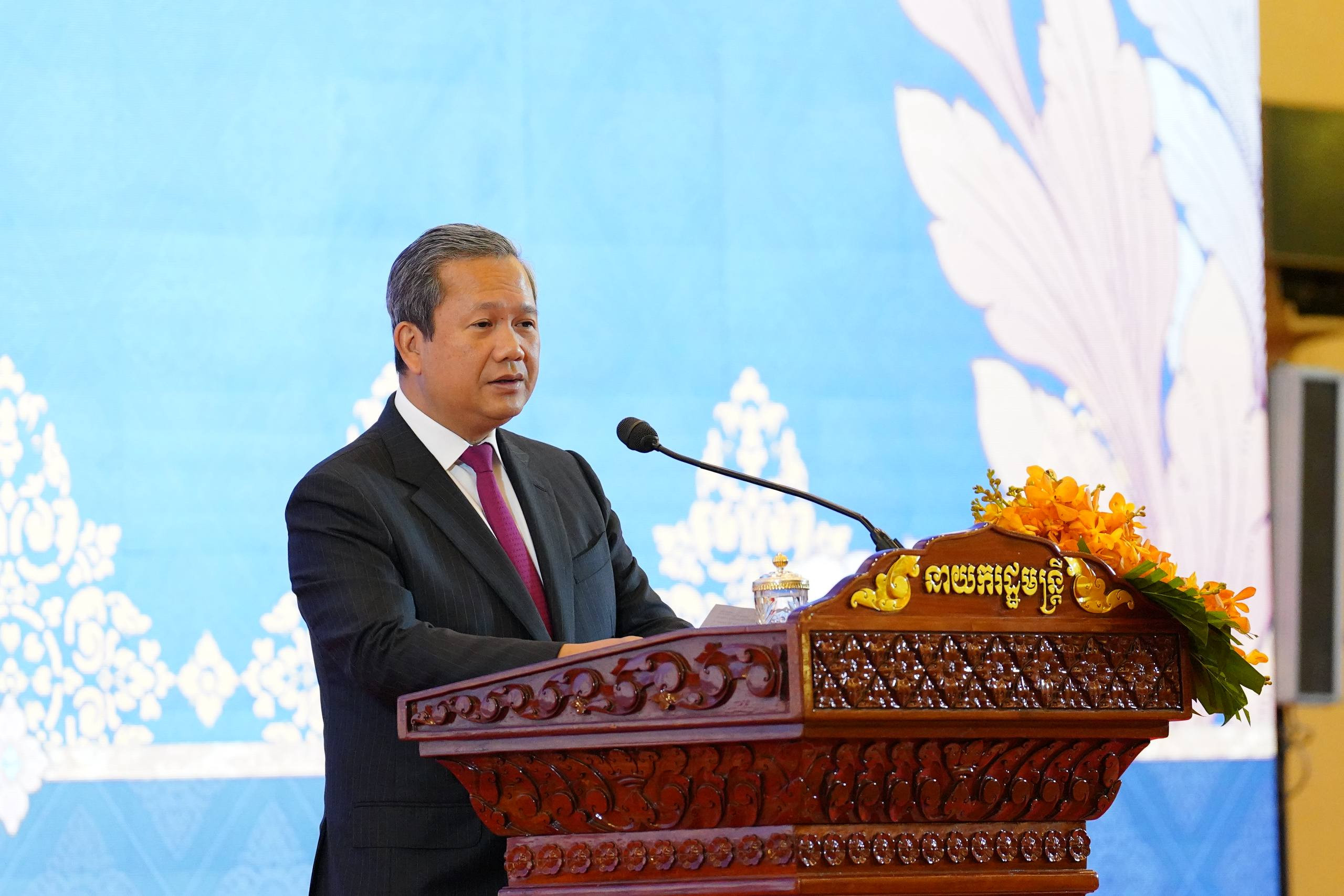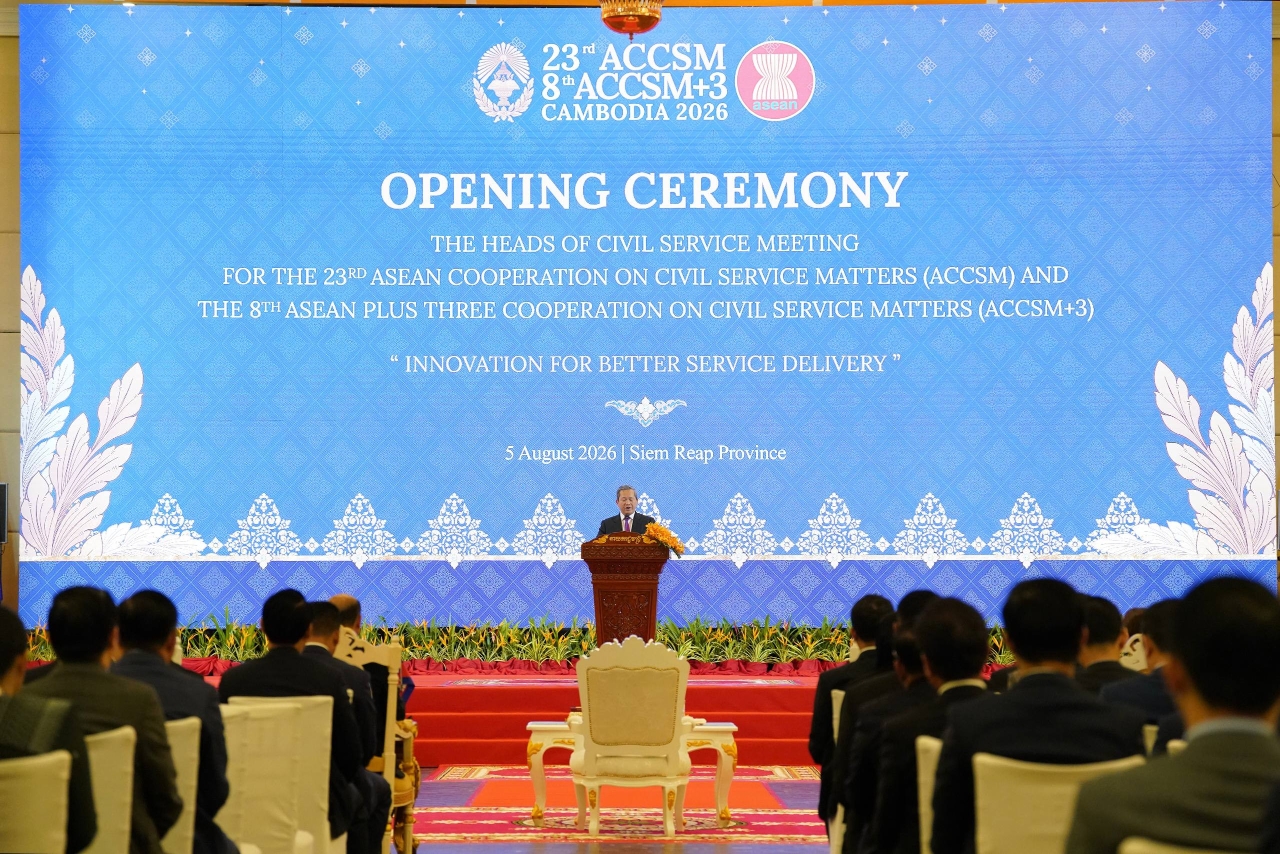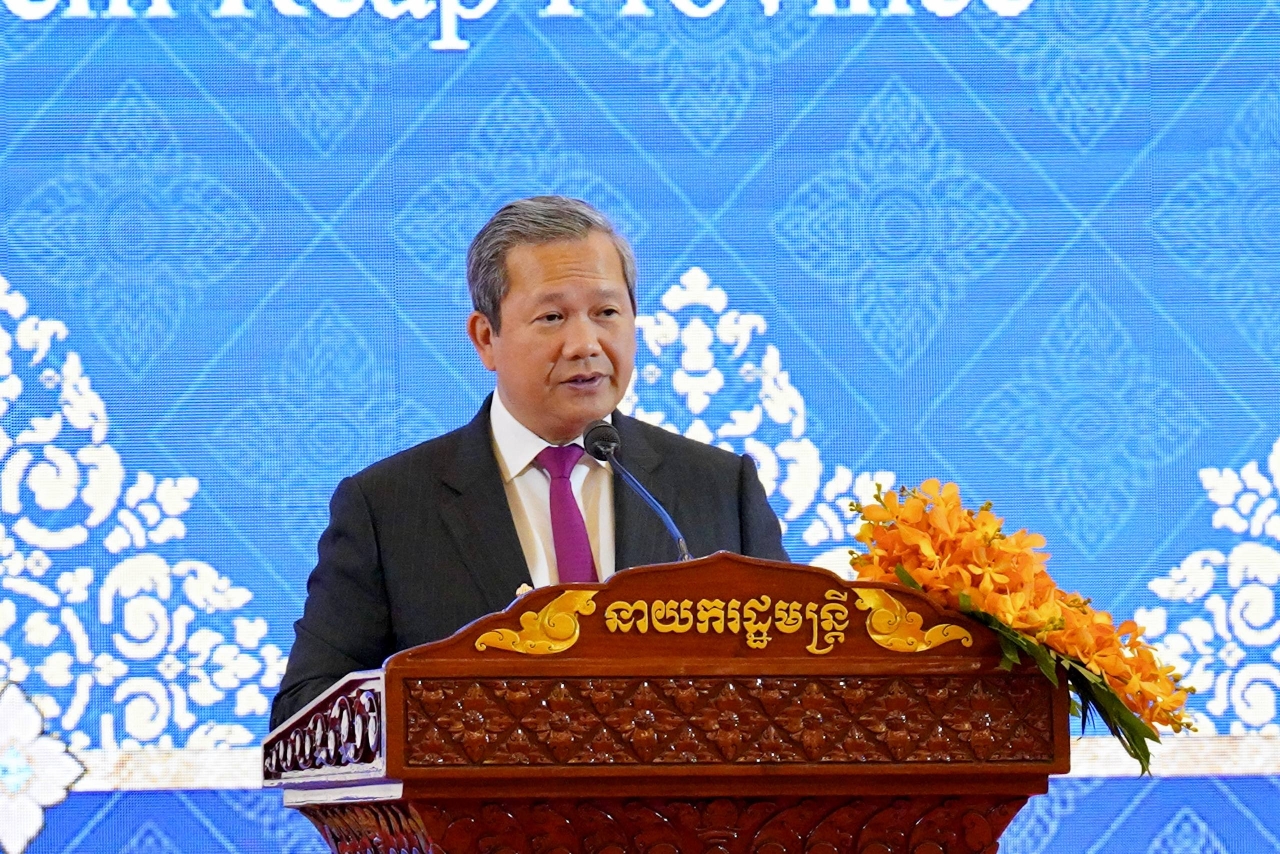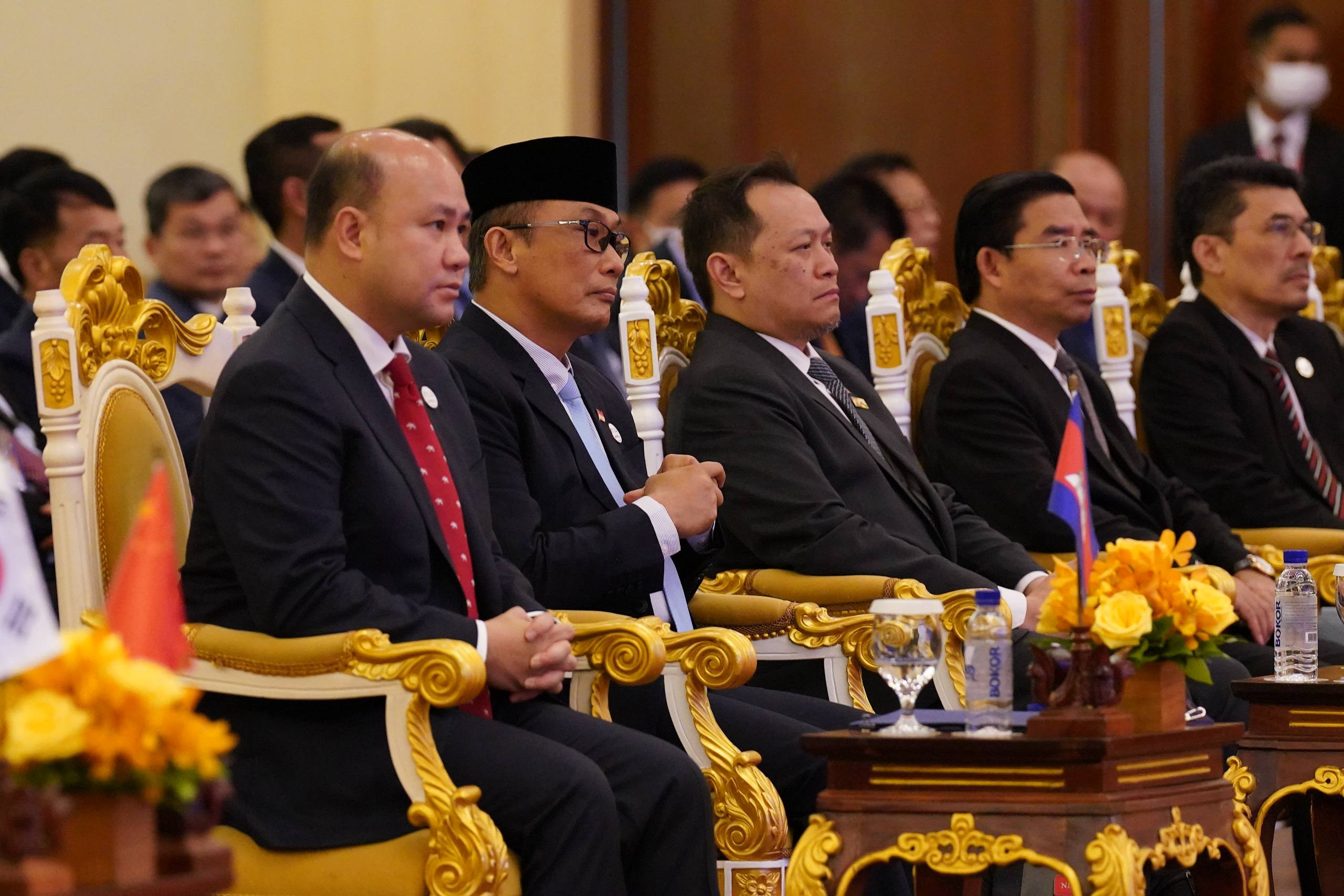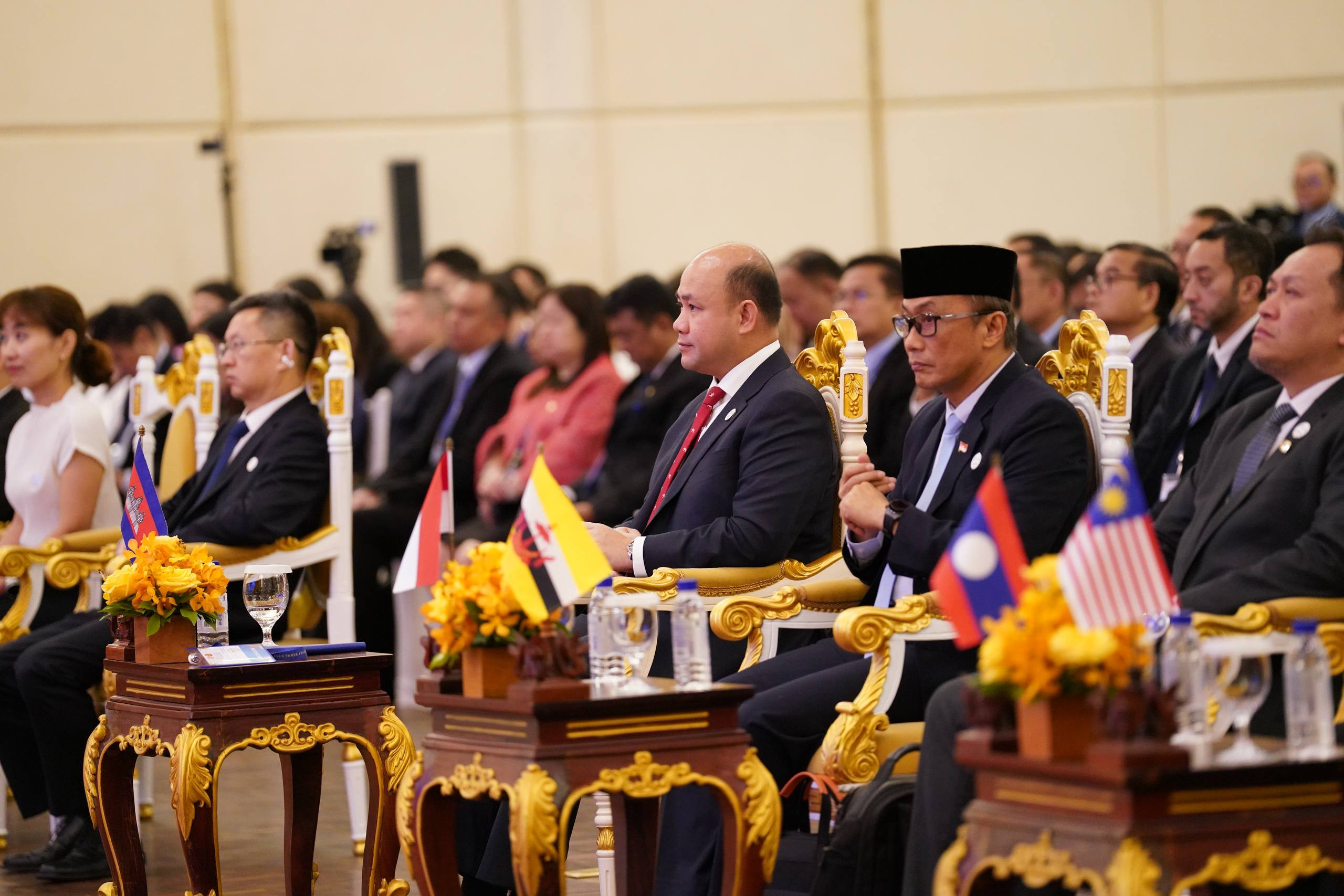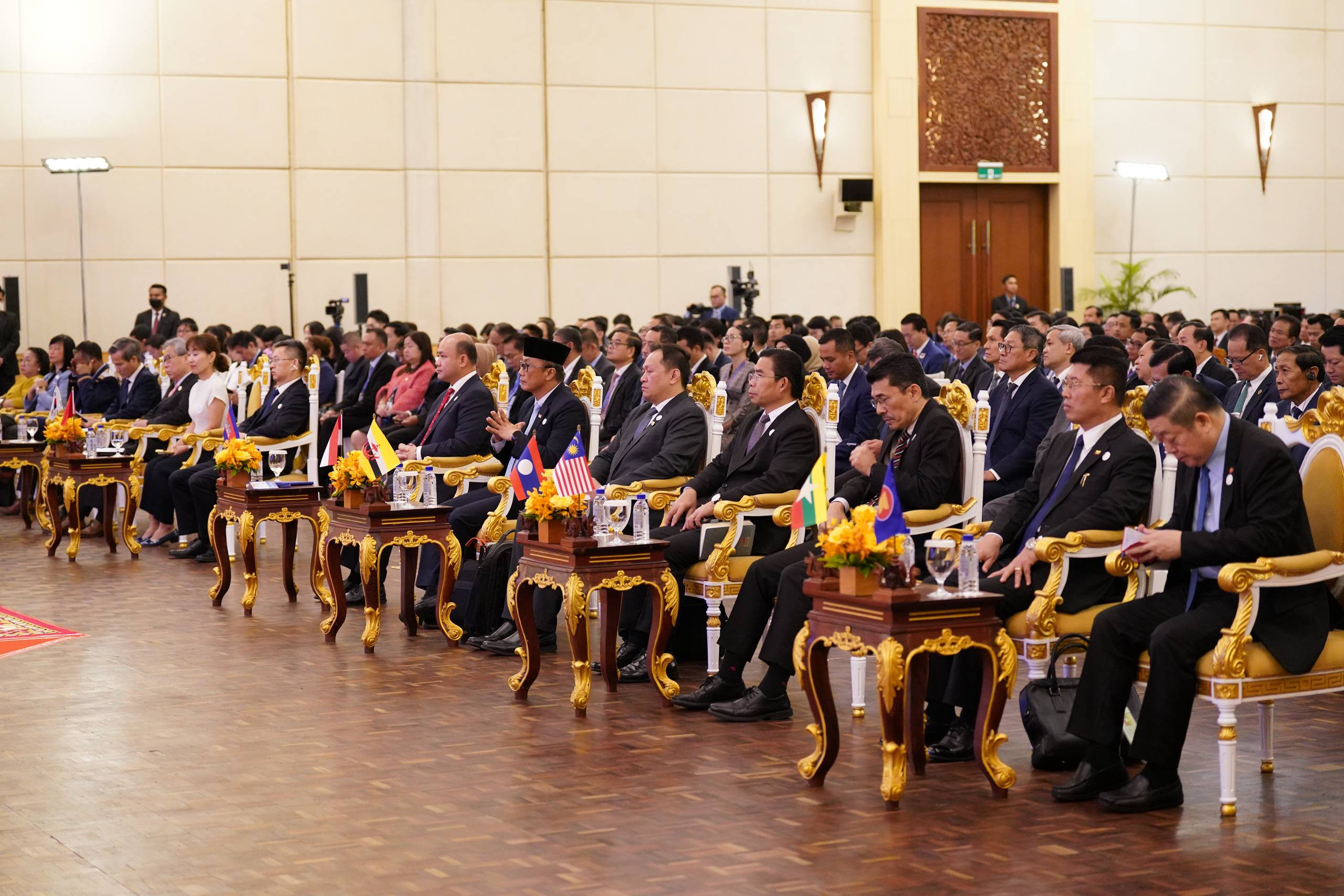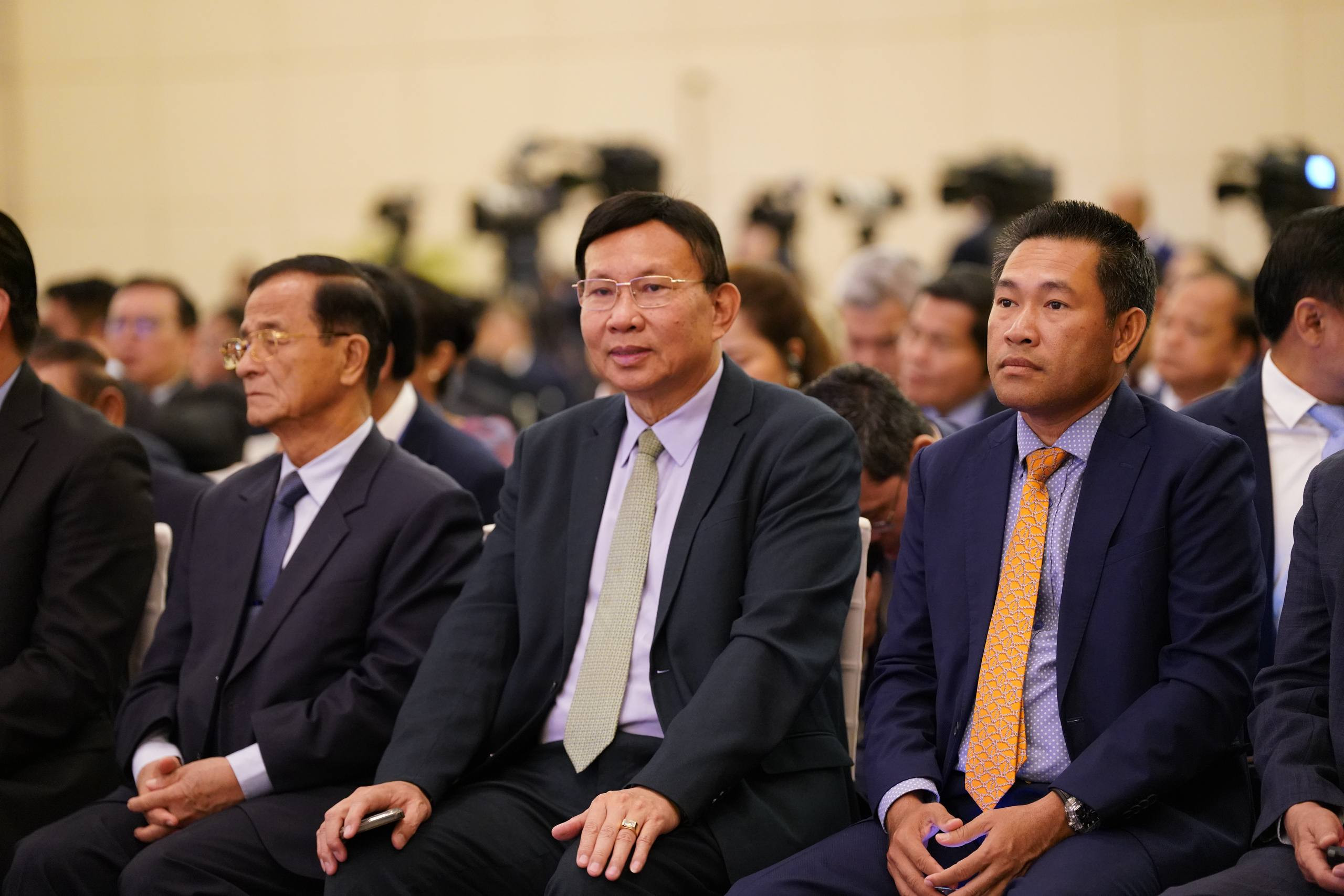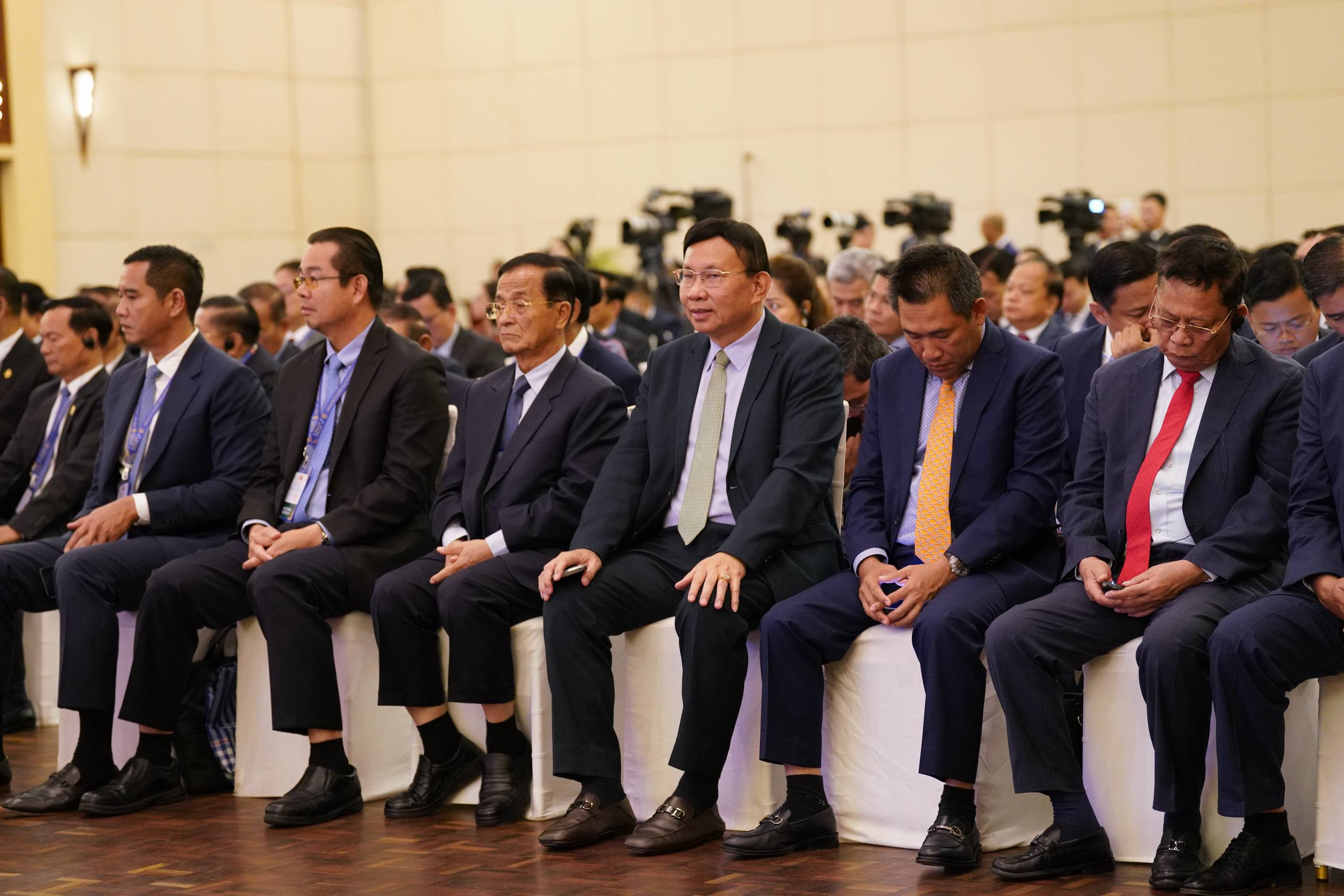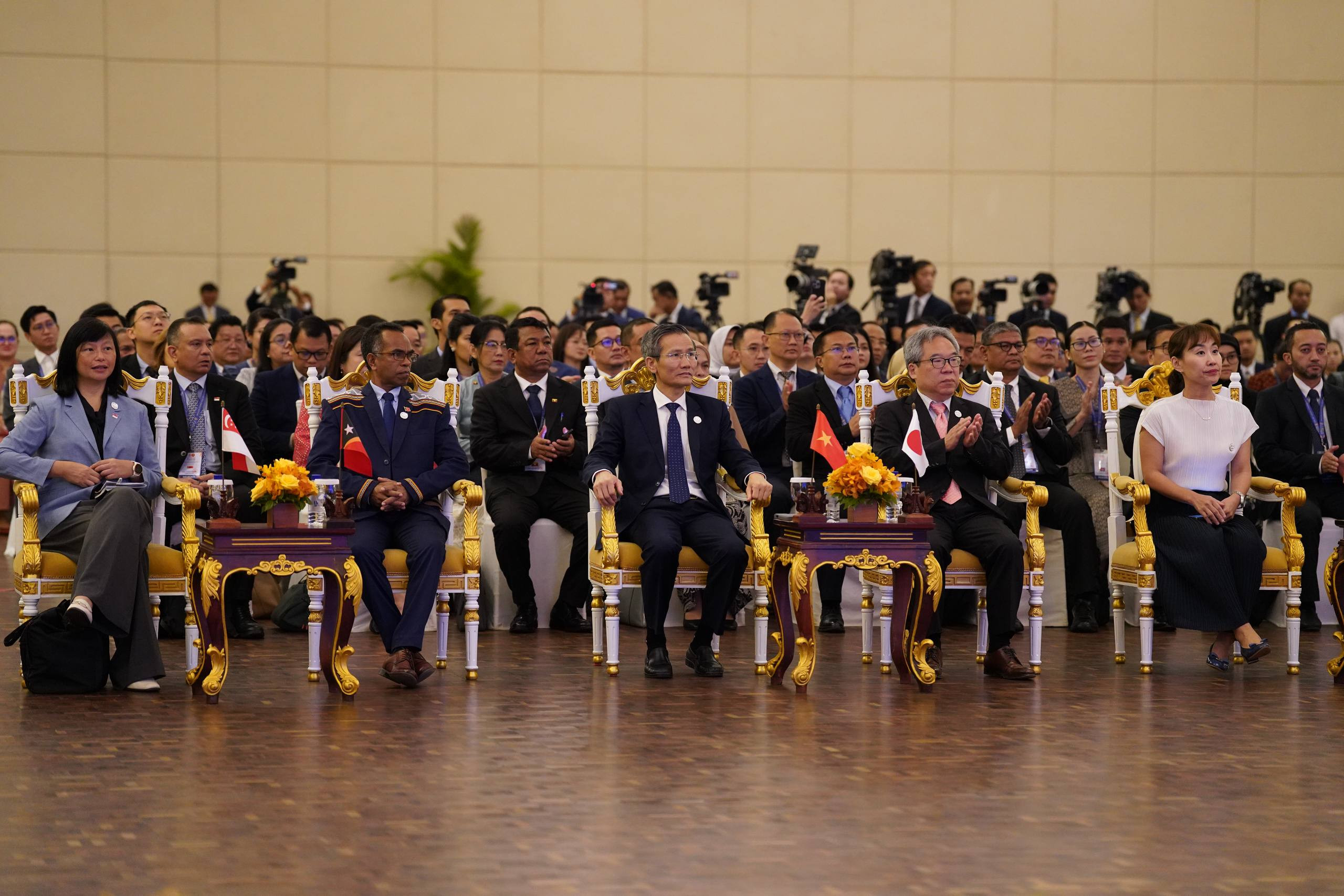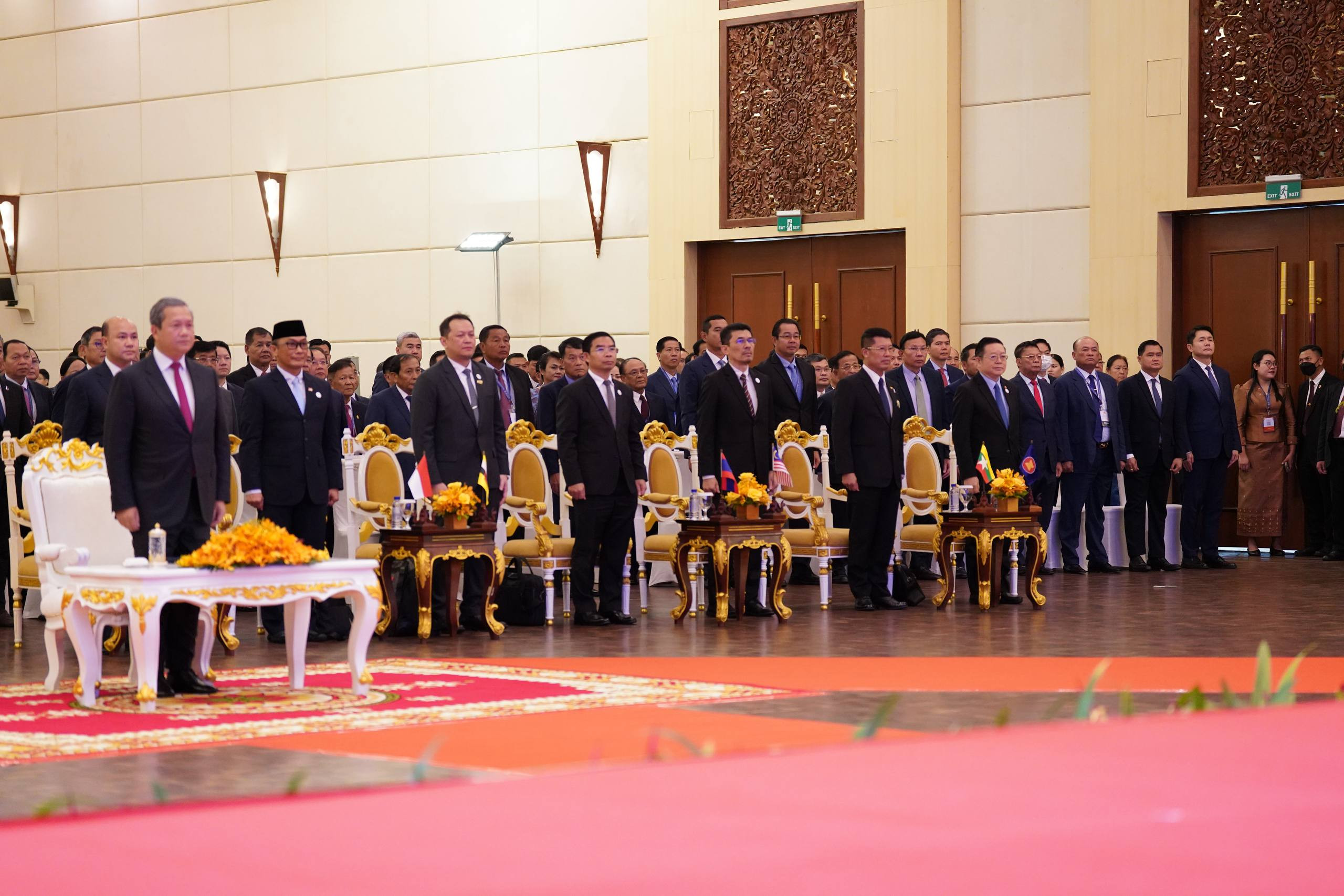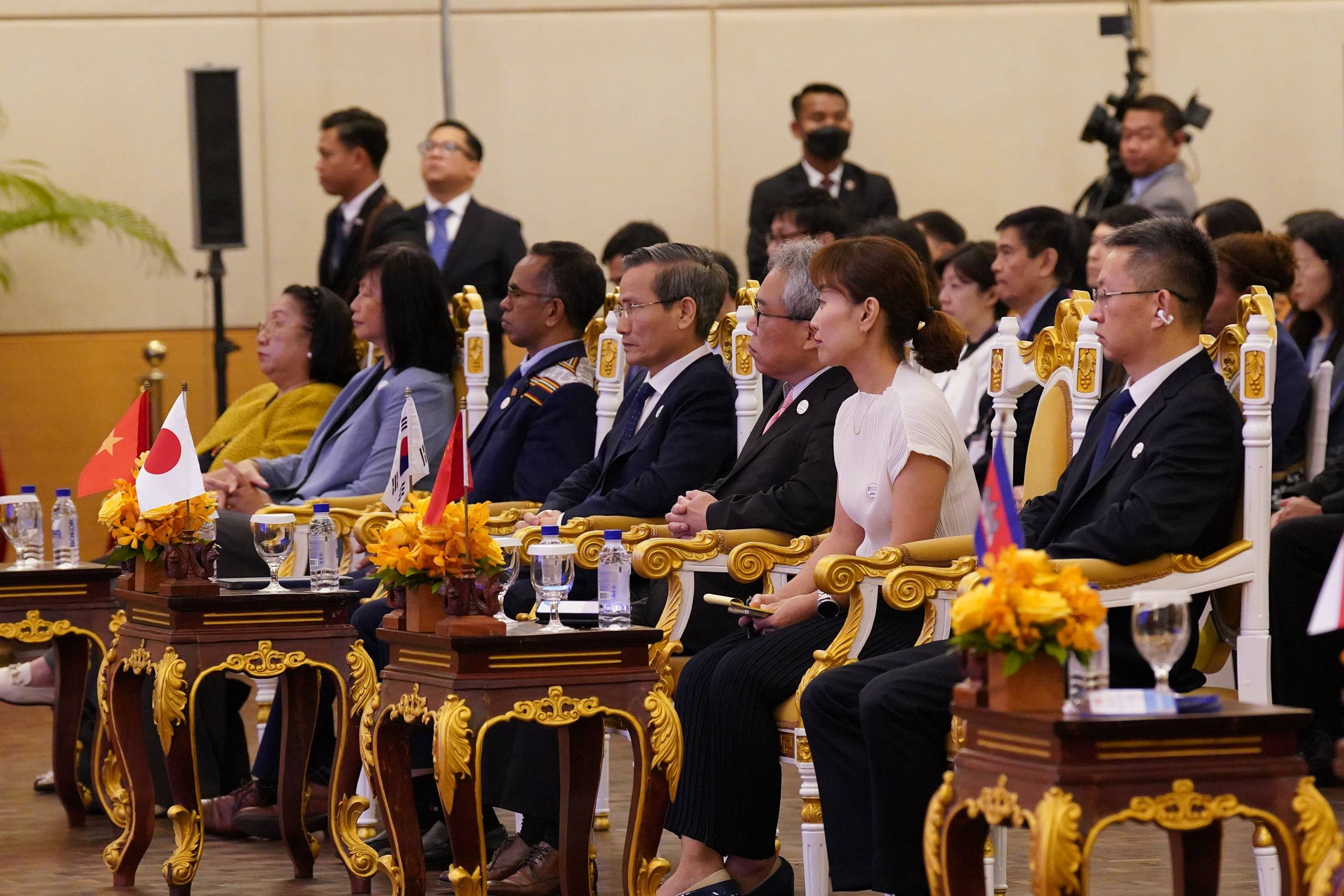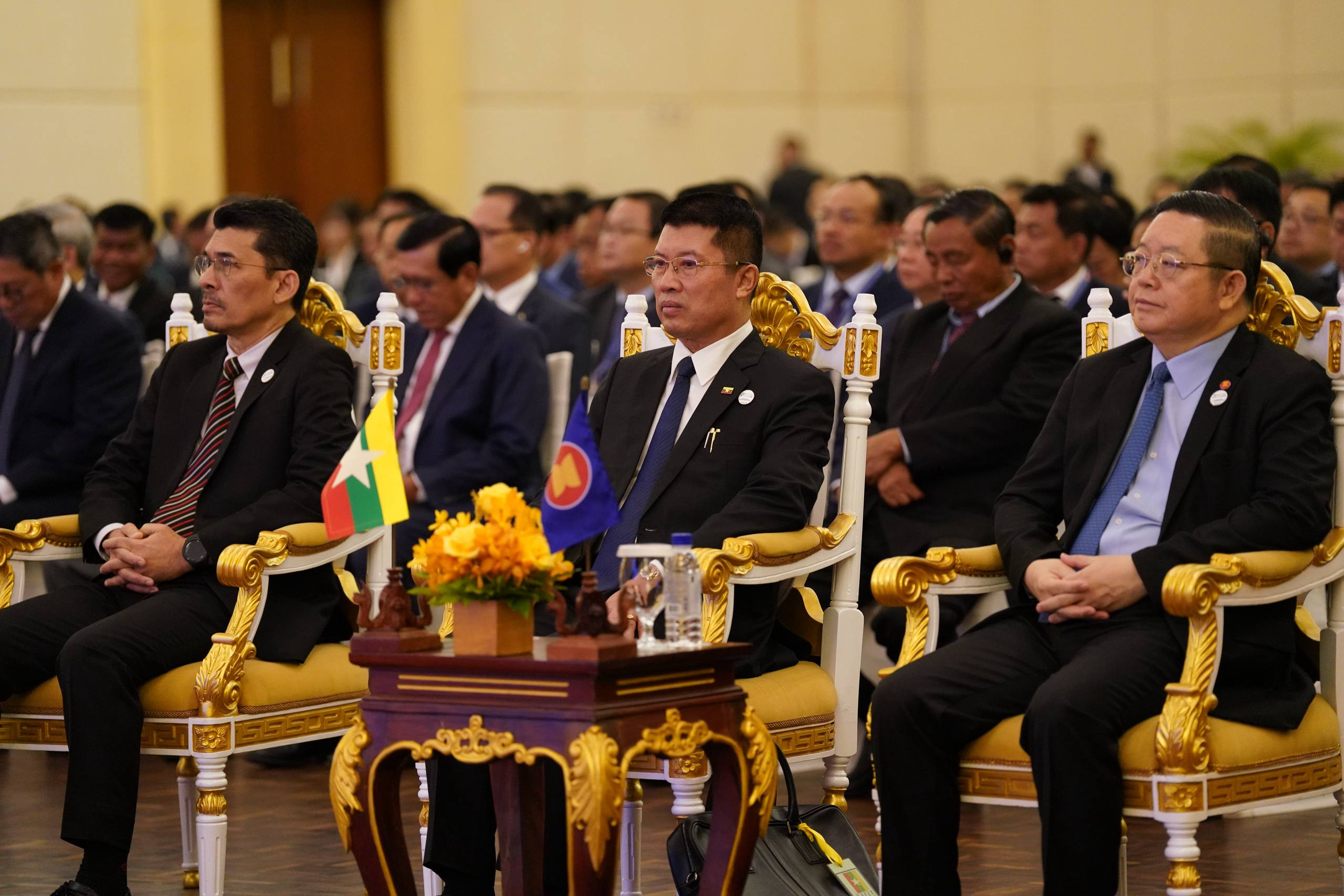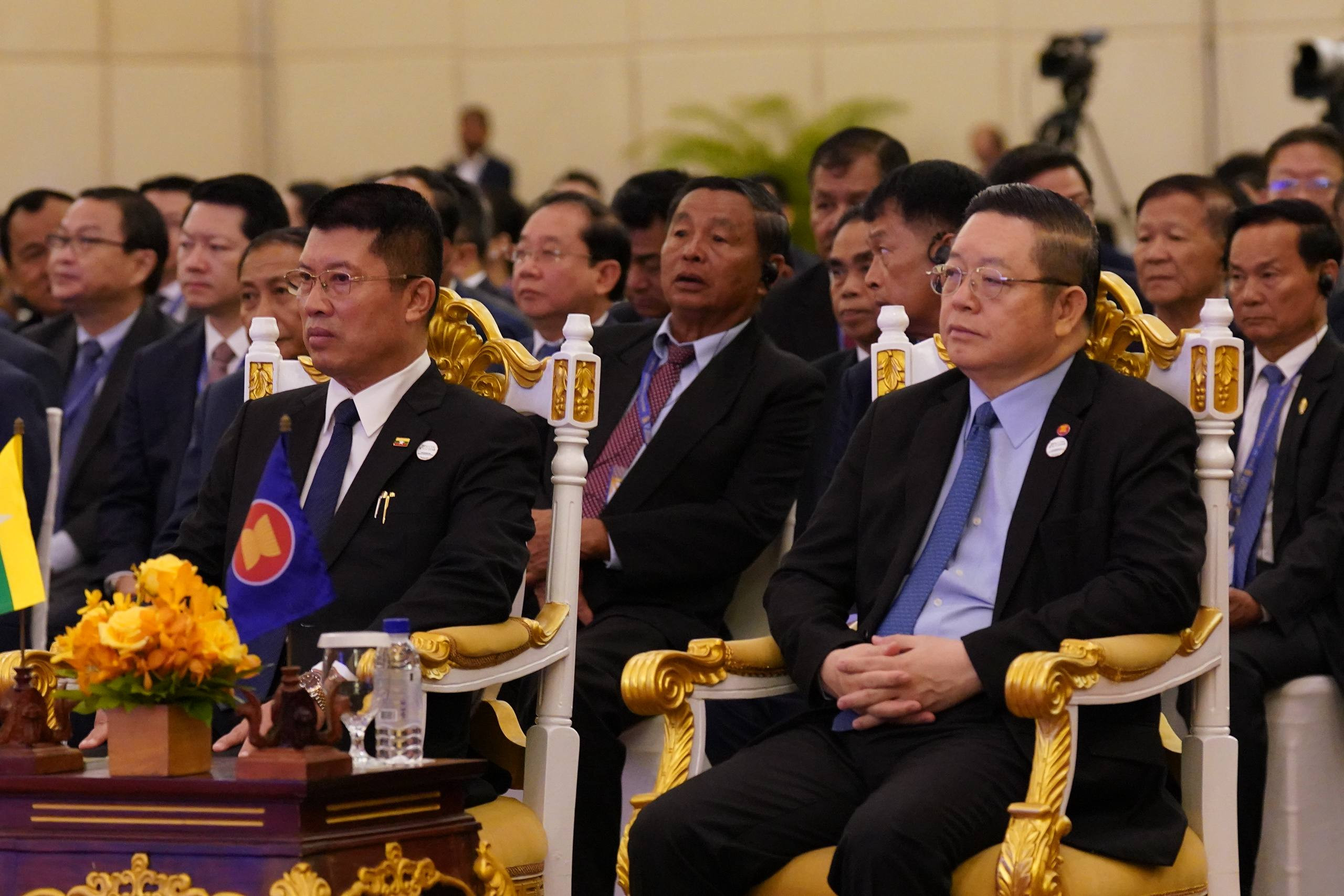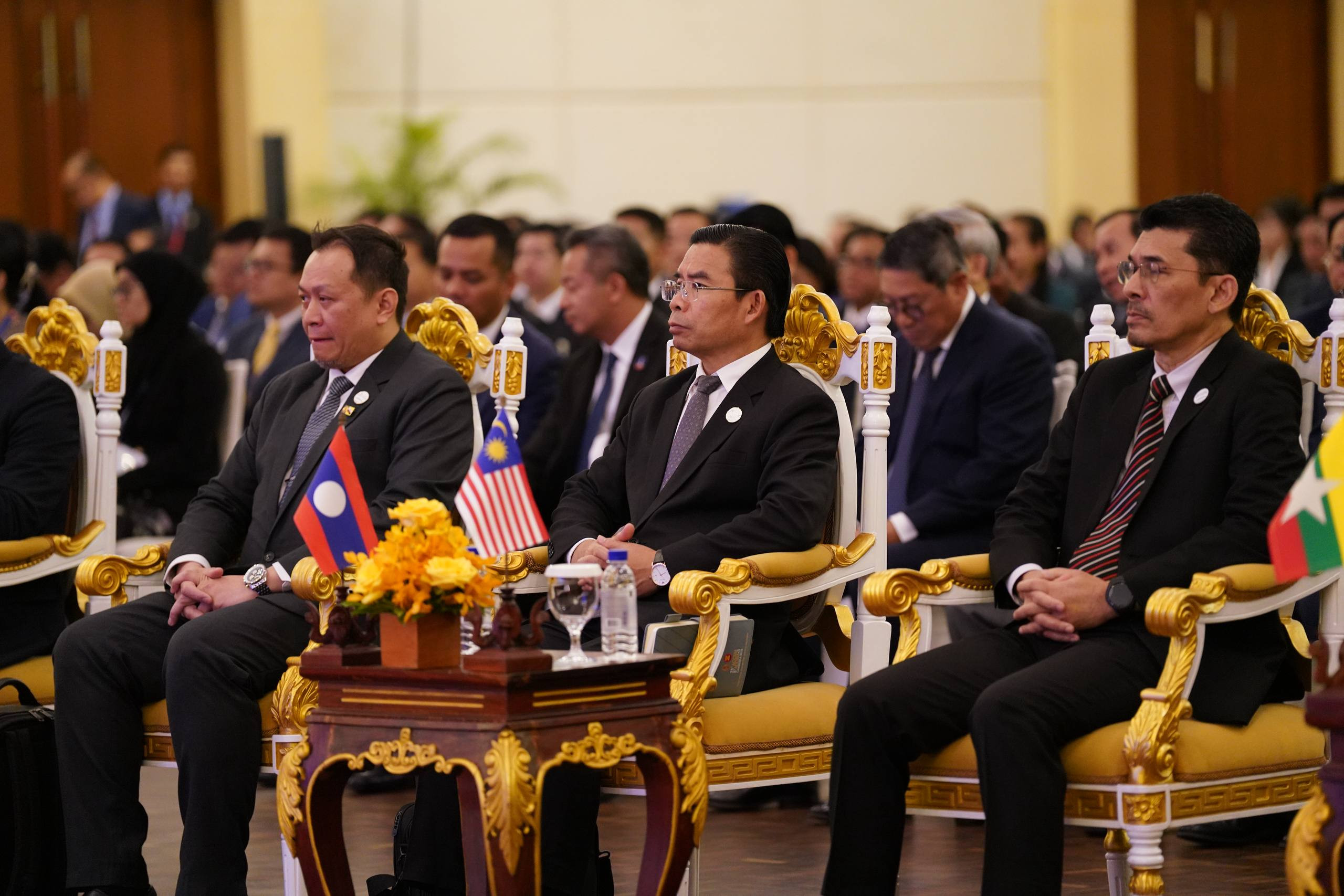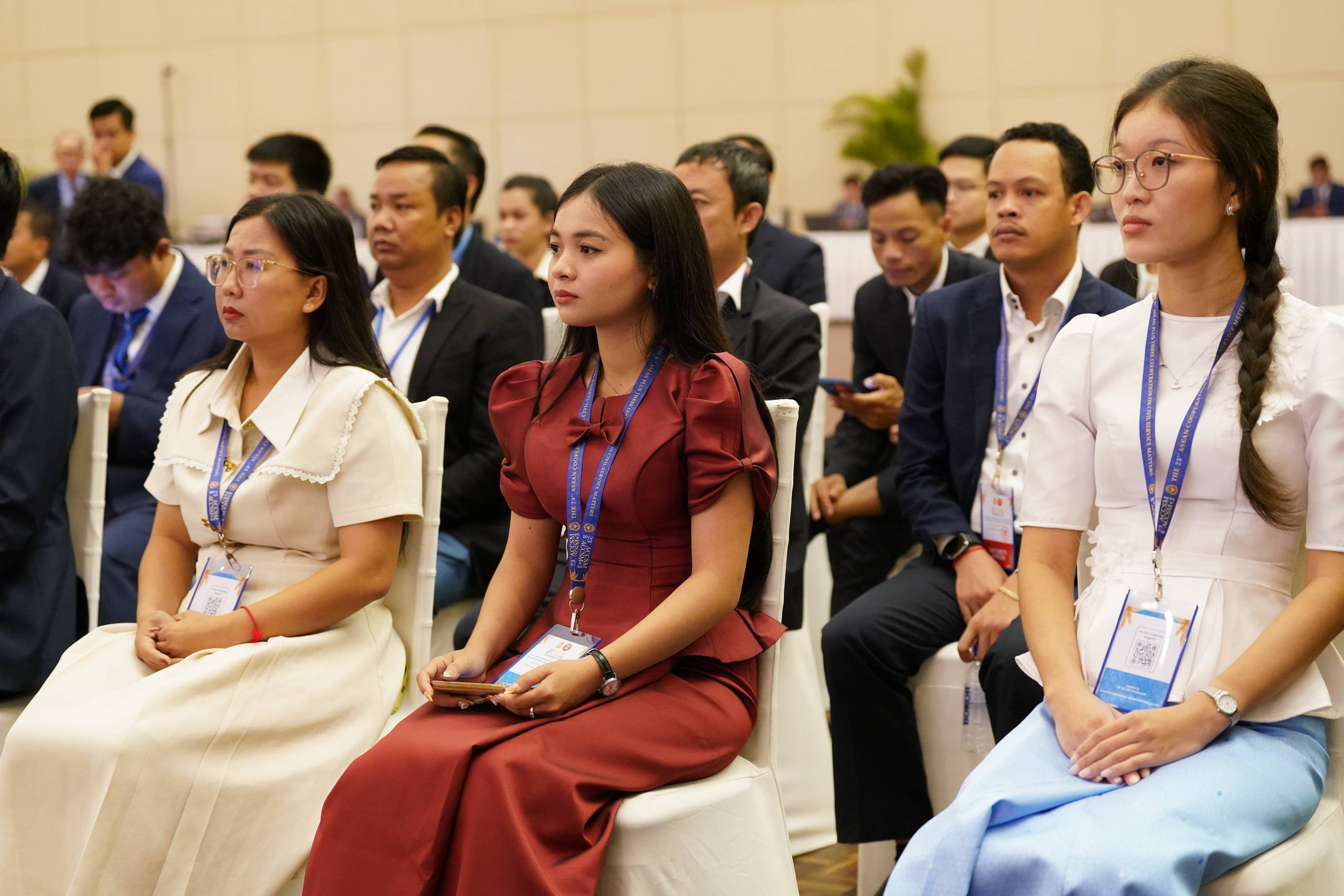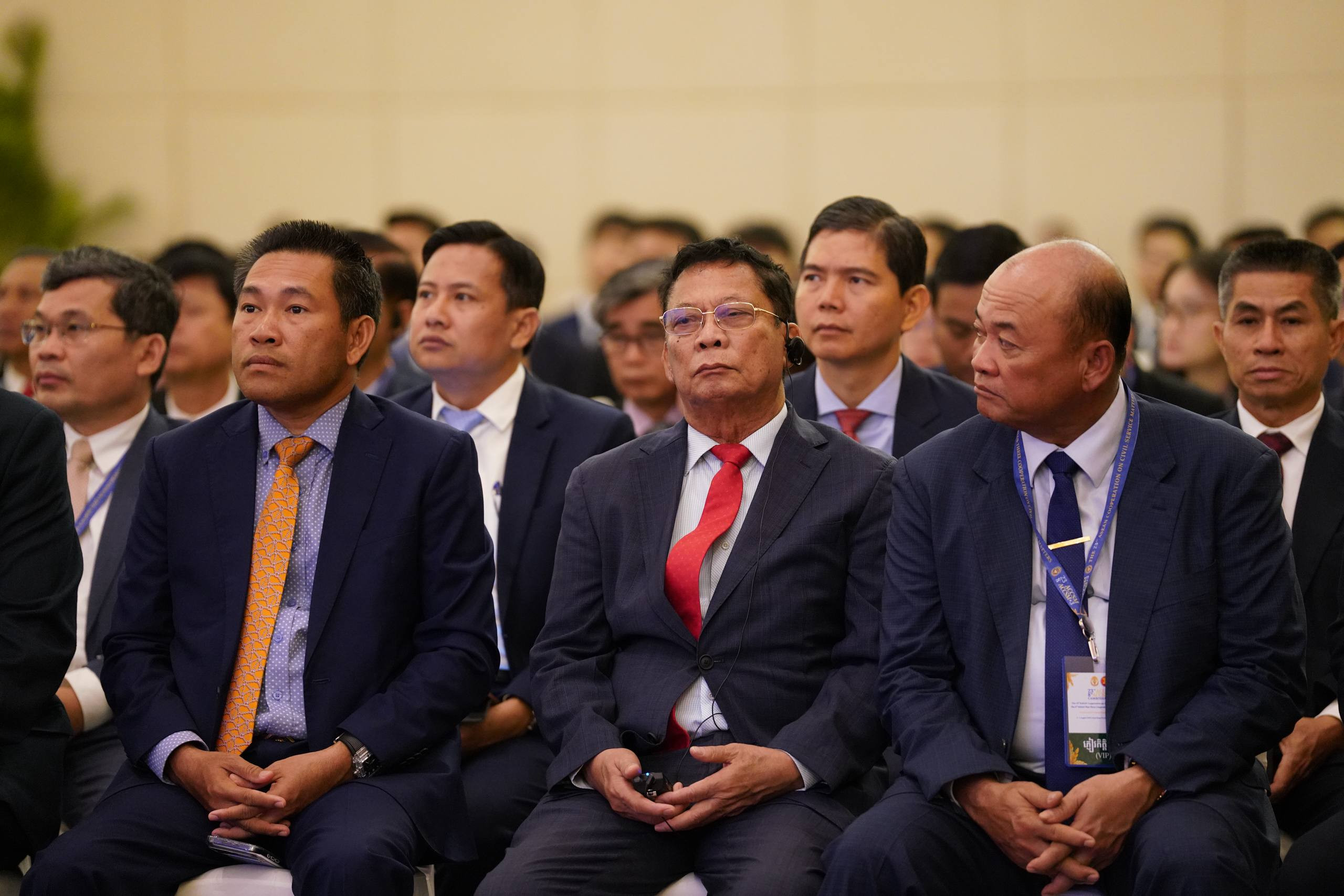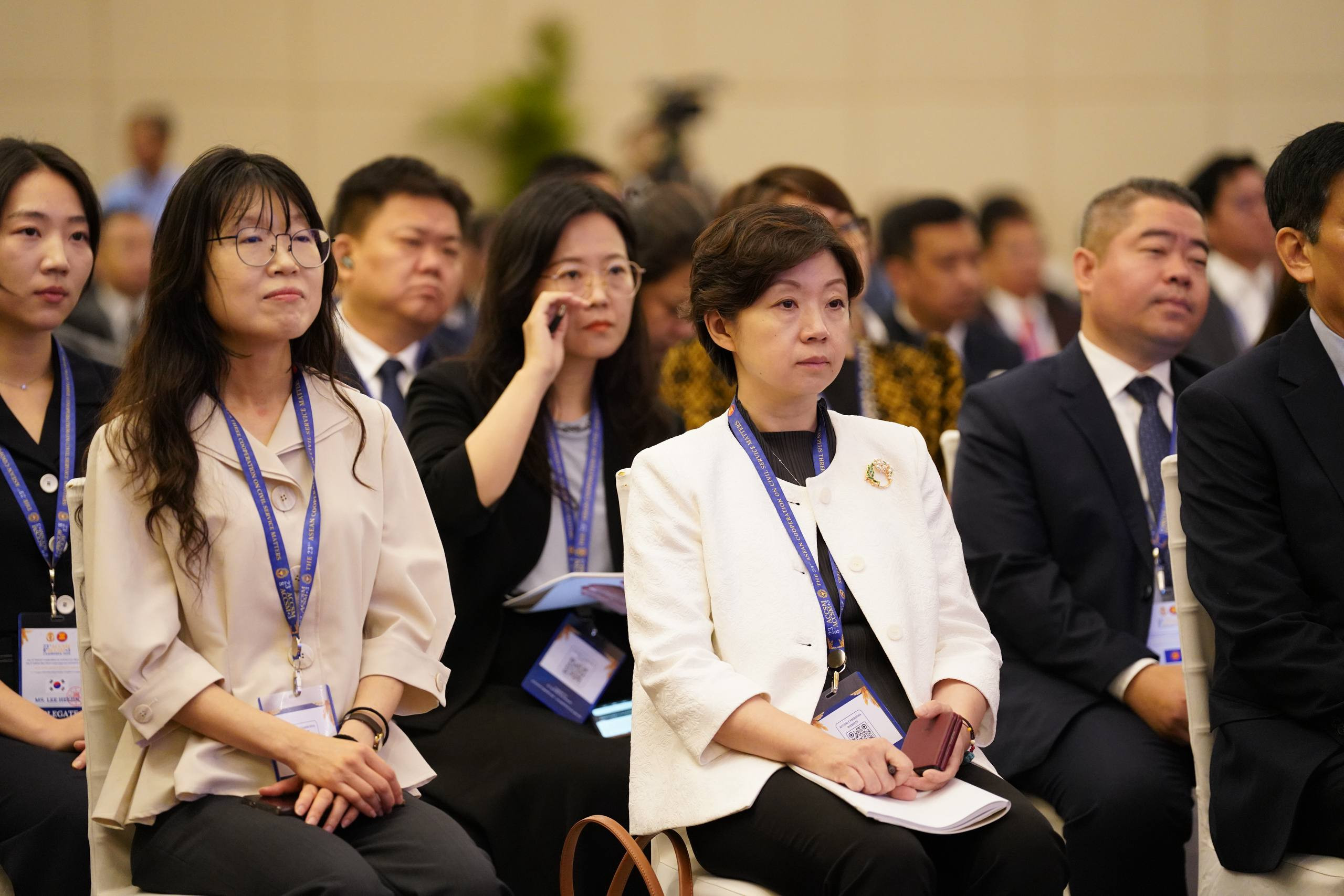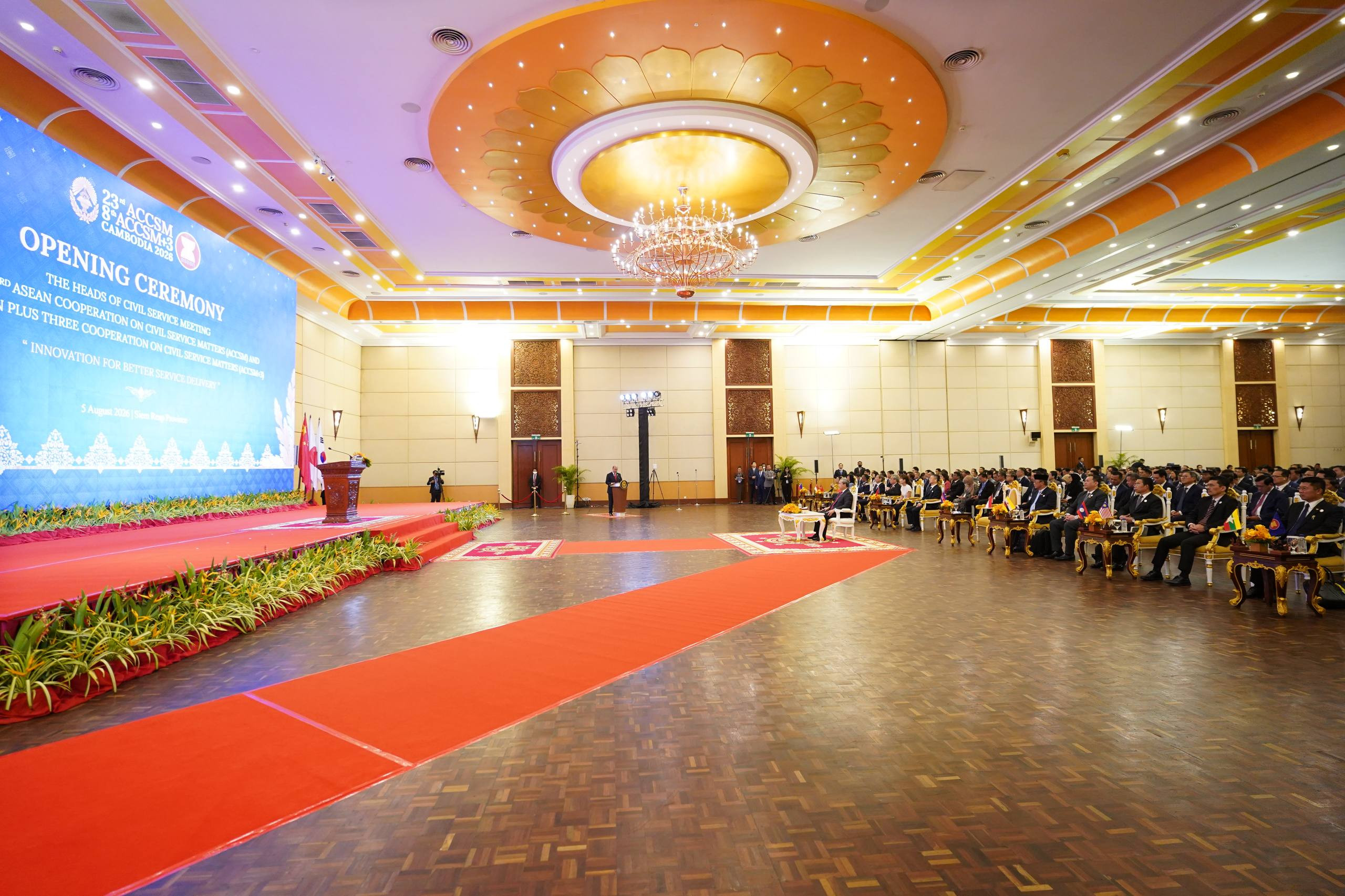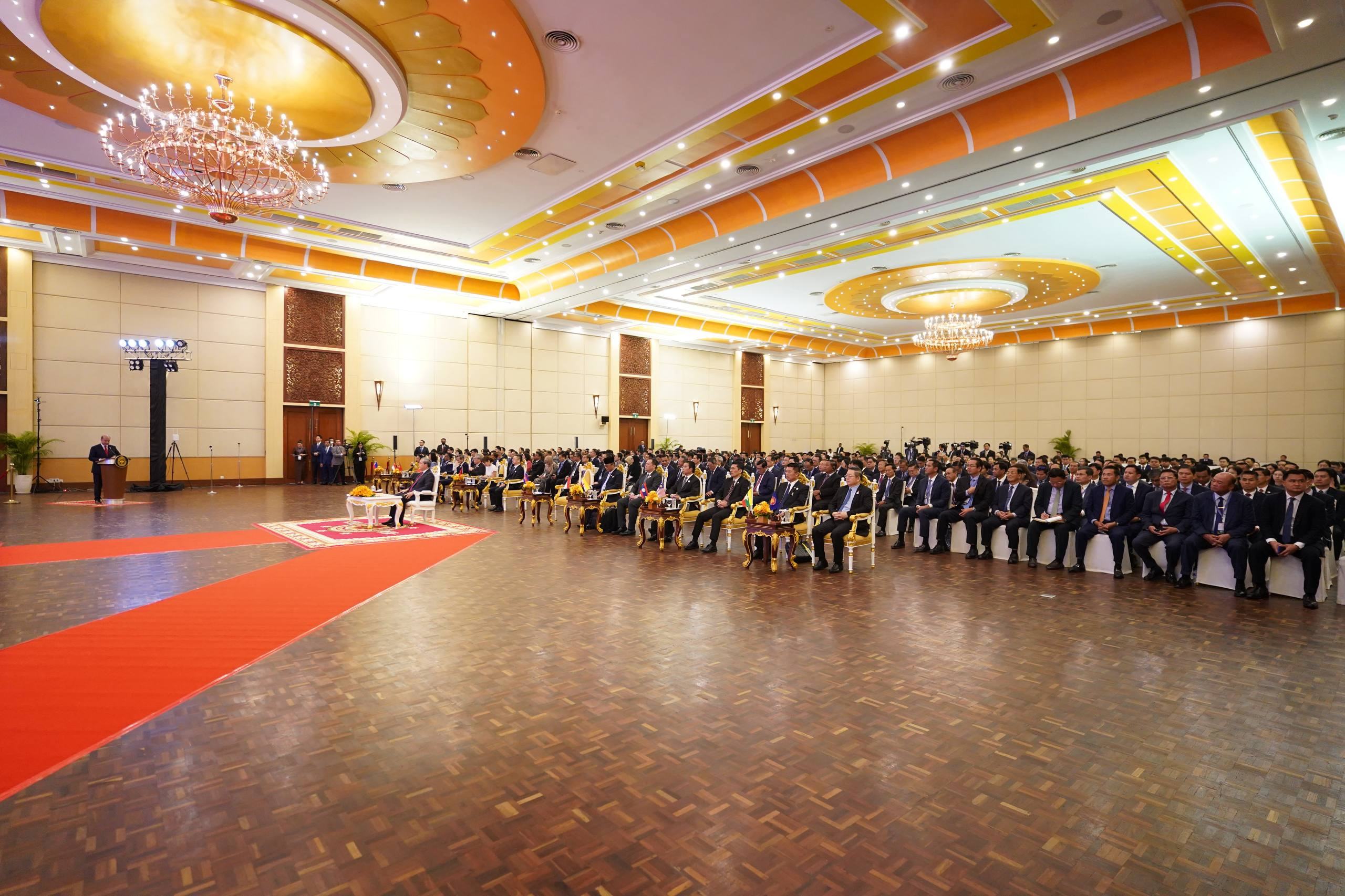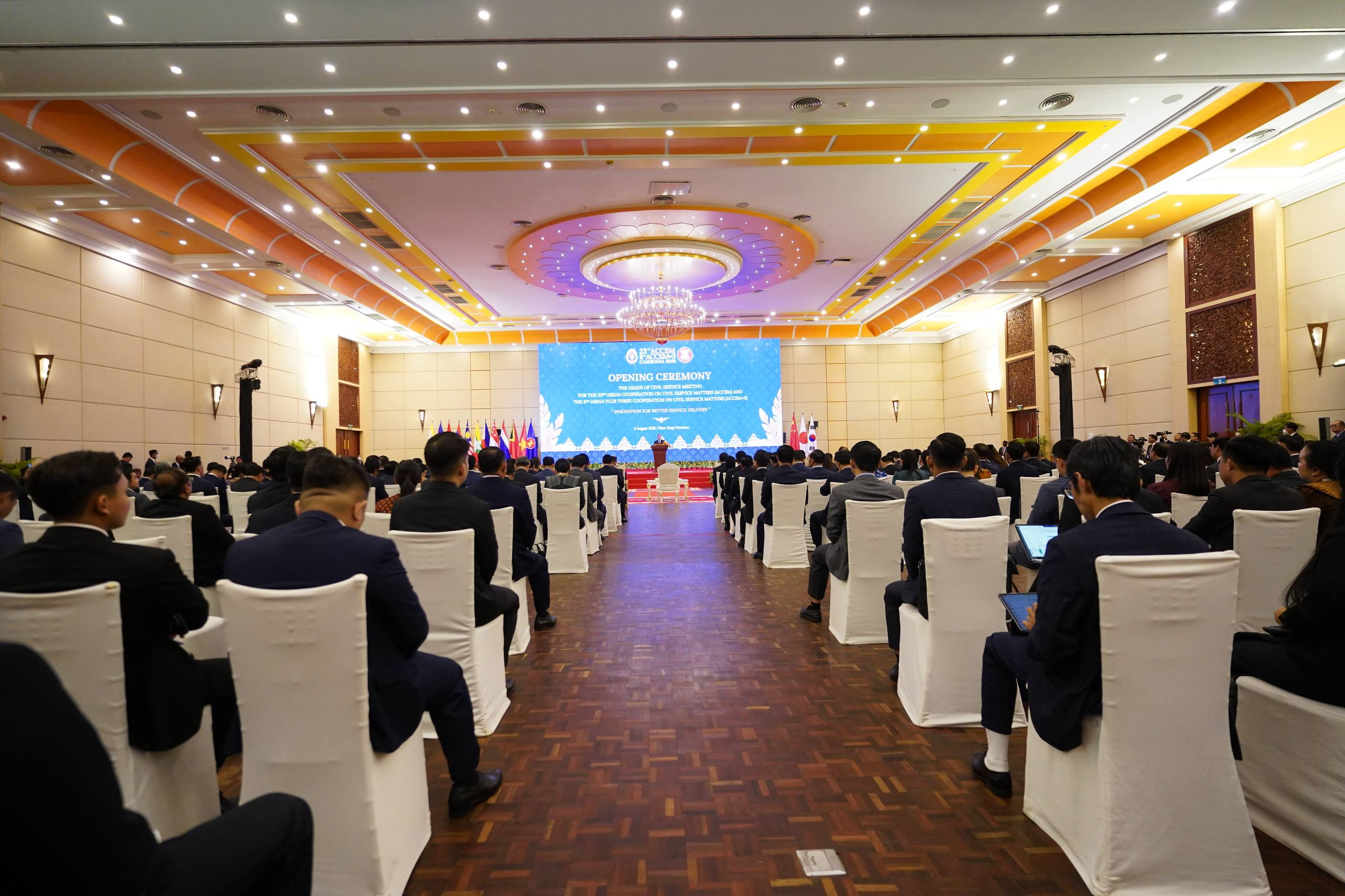

(Siem Reap): Cambodian Prime Minister Hun Manet reaffirmed that governance and reforms remain the cornerstone of the 7th-mandate Royal Government's national development agenda under the Pentagonal Strategy – Phase I, aimed at building a stronger, smarter, and more effective public administration.
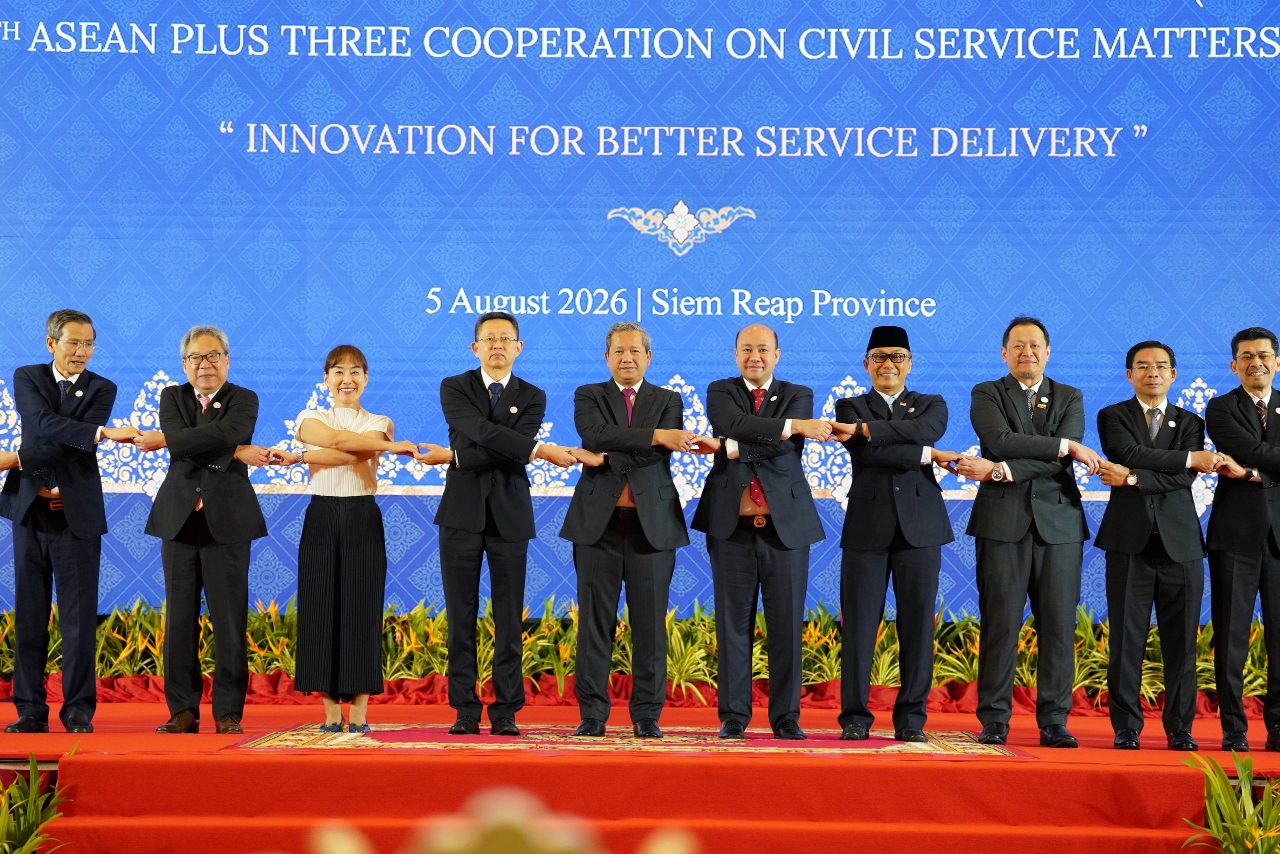
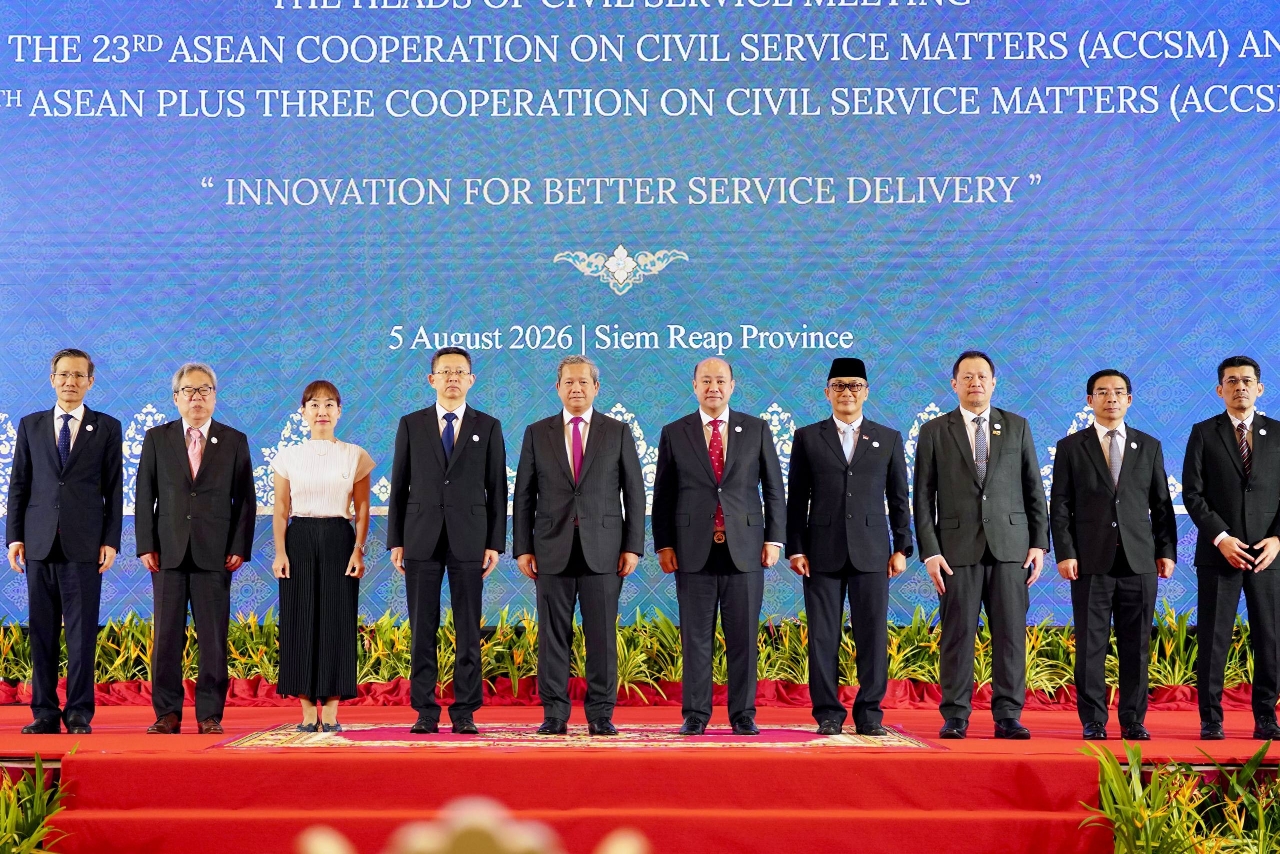
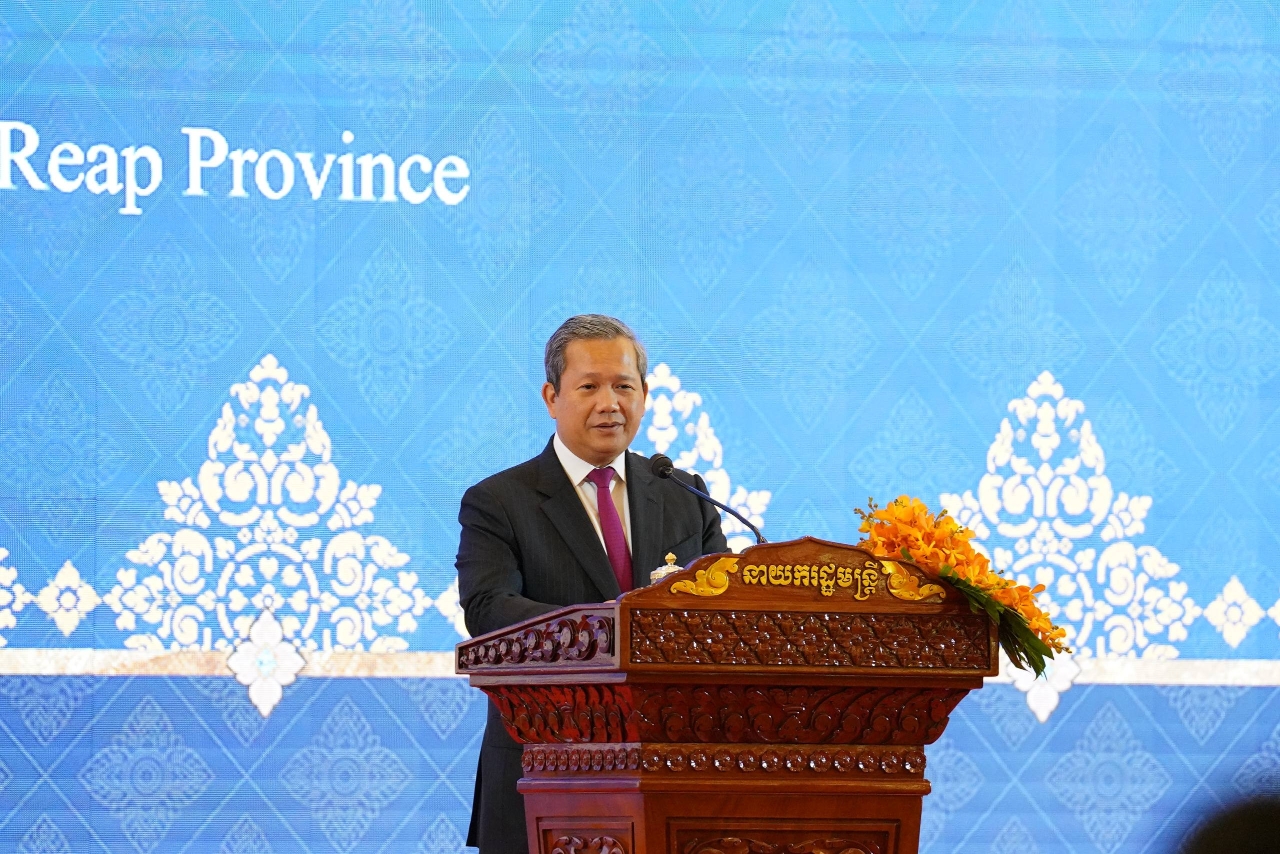
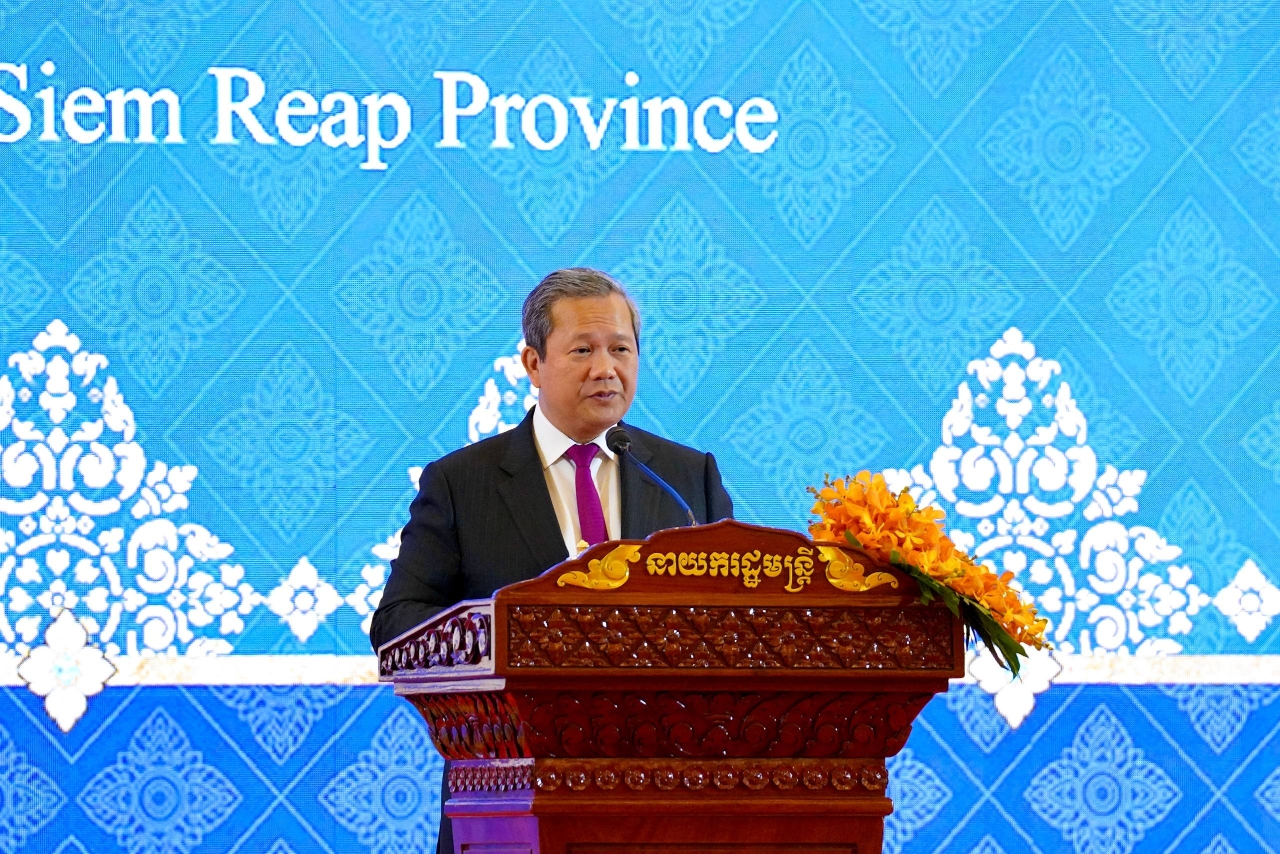
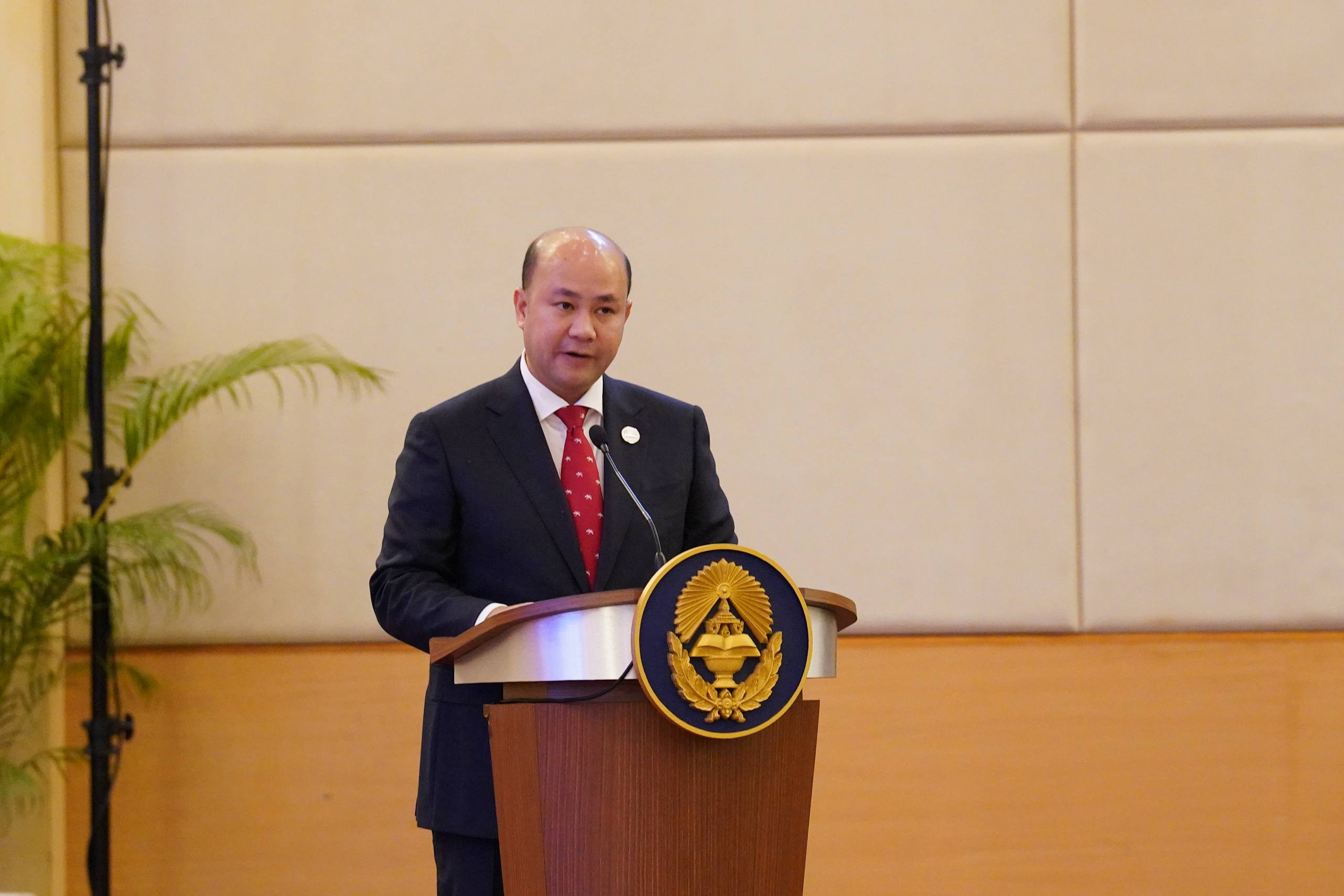
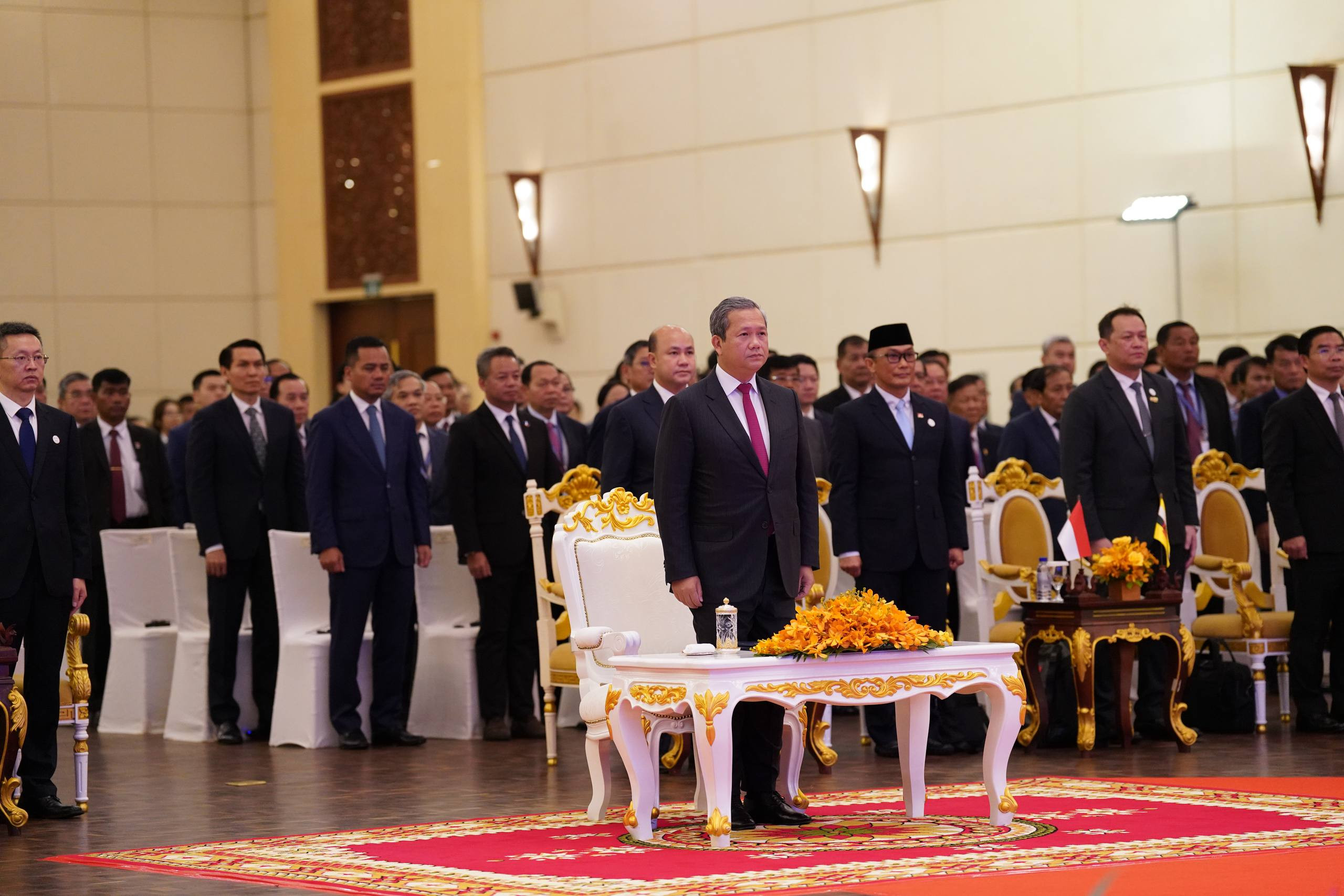
Speaking on Wednesday (Aug. 5) at the opening of the 23rd ASEAN Conference on Civil Service Matters (ACCSM) and the 8th ACCSM+3, Samdech Thipadei Hun Manet said the Pentagonal Strategy is built around five strategic priorities: People, Roads, Water, Electricity, and Technology.
Reflecting on Cambodia's public administration reforms, Samdech Thipadei said the country's transformation is rooted in a unique journey of recovery, nation-building and peacebuilding. He noted that Cambodia rebuilt its institutions from the ground up after 7 January 1979, culminating in the Win-Win Policy of former Prime Minister Hun Sen, which ended decades of civil conflict on 29 December 1998.
"Governance and reforms form the nucleus of our national development agenda," the prime minister said, adding that achieving the government's vision requires a public sector that is more capable, stronger, smarter, and cleaner.
To achieve this, he said the government is implementing three key reform measures:
First, the country has strengthened the civil service recruitment system to be merit-based, transparent, fair, inclusive, and efficient through the successful application of a precise Standard Operating Procedure (SOP).
Second, it has enhanced institutional capacity and performance to improve work quality with discipline, ethics, professionalism, efficiency, and effectiveness, highlighted by an in-depth functional review and the establishment of a Secretary General Network to reinforce coordination among ministries and institutions.
Third, Cambodia has improved the performance-based incentive system to ensure consistency, equity, and efficiency, featuring clear Key Performance Indicators (KPIs) designed to motivate civil servants to work faster, more efficiently, and proactively in service delivery, particularly within priority sectors such as education and health.
On the occasion, Samdech Thipadei underlined that public administration reform sits at the core of effective governance. In Cambodia, he said, it stands as one of five major cross-cutting reforms-alongside public financial management, decentralization and deconcentration, judicial reform, and legal reform-that are integral to the Cambodia 2050 Vision.
He noted that these reforms have already delivered substantial progress by elevating the quality of civil service recruitment, strengthening institutional performance and professional standards, and establishing a more effective, performance-oriented incentive system.
=FRESH NEWS