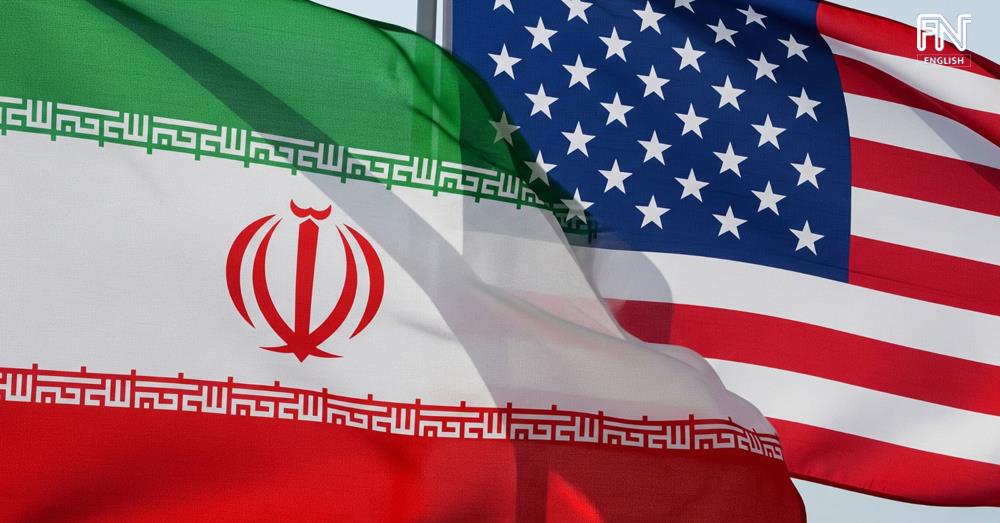

(Phnom Penh): One of the basic principles of warfare is that when one side sees its opponent beginning to weaken or run short of critical military resources, it usually seeks to intensify pressure in order to convert battlefield advantages into military victory or, at the very least, greater leverage at the negotiating table.
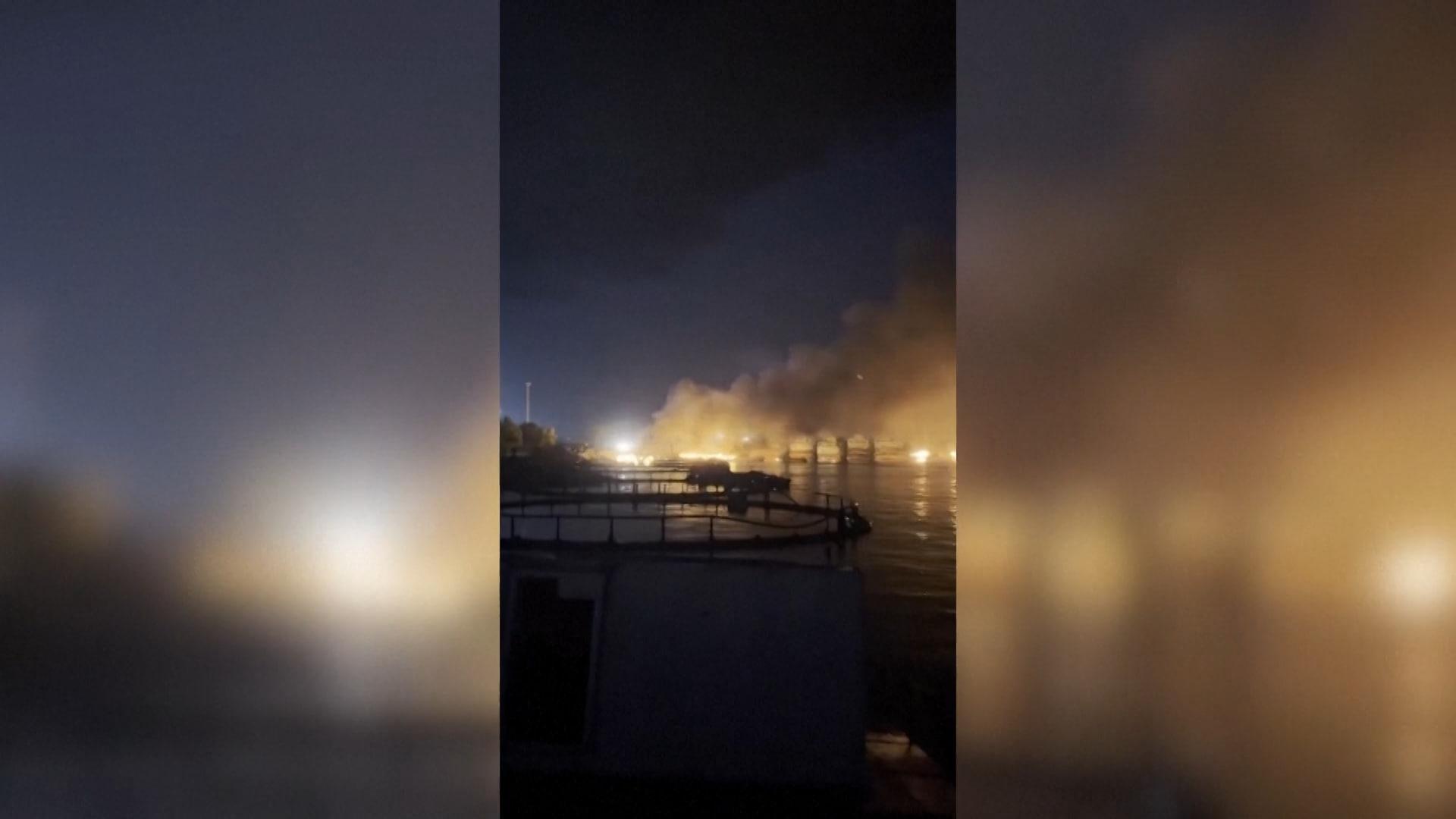
Yet the latest developments in the US–Iran war appear to defy that logic.
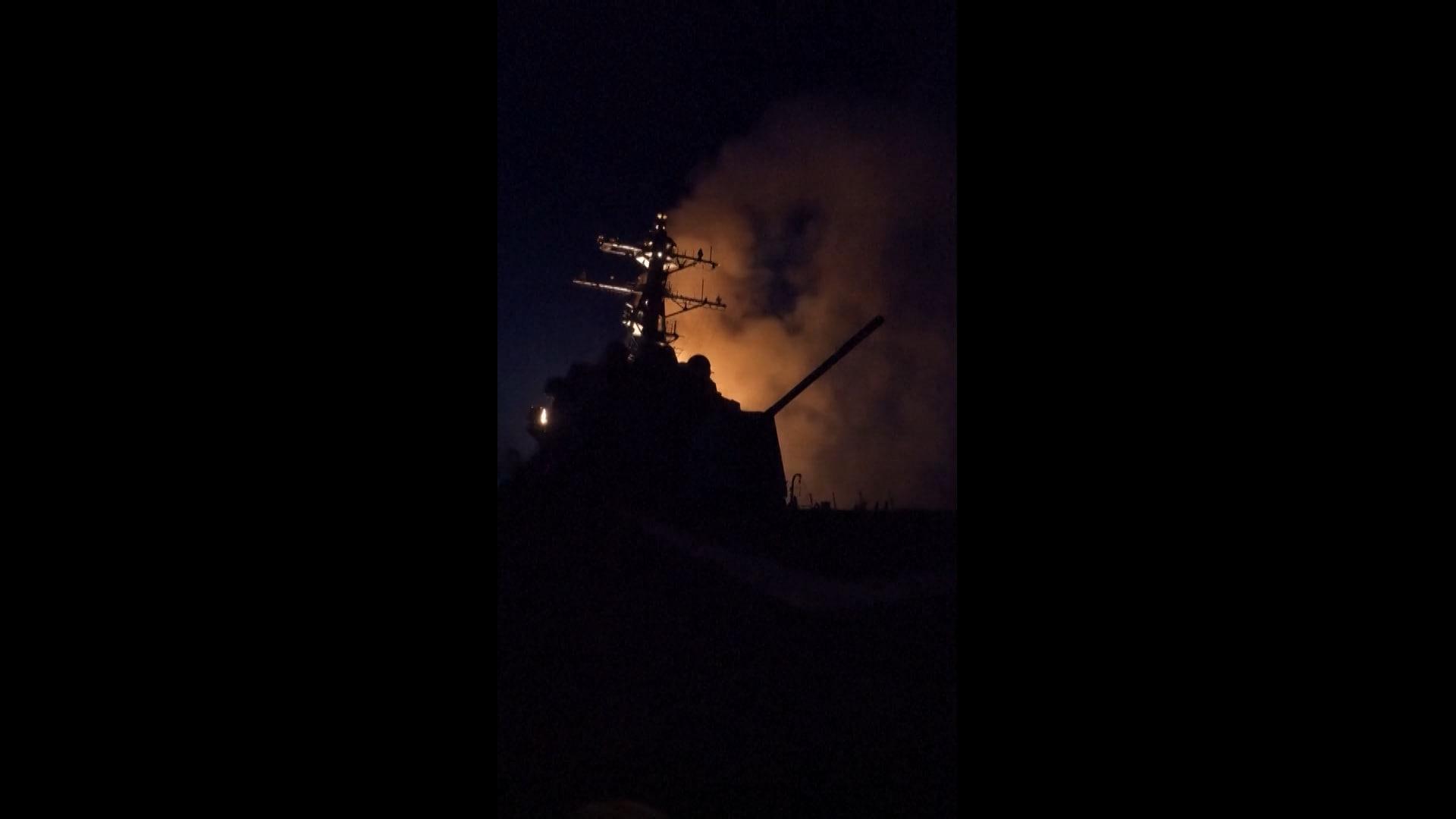
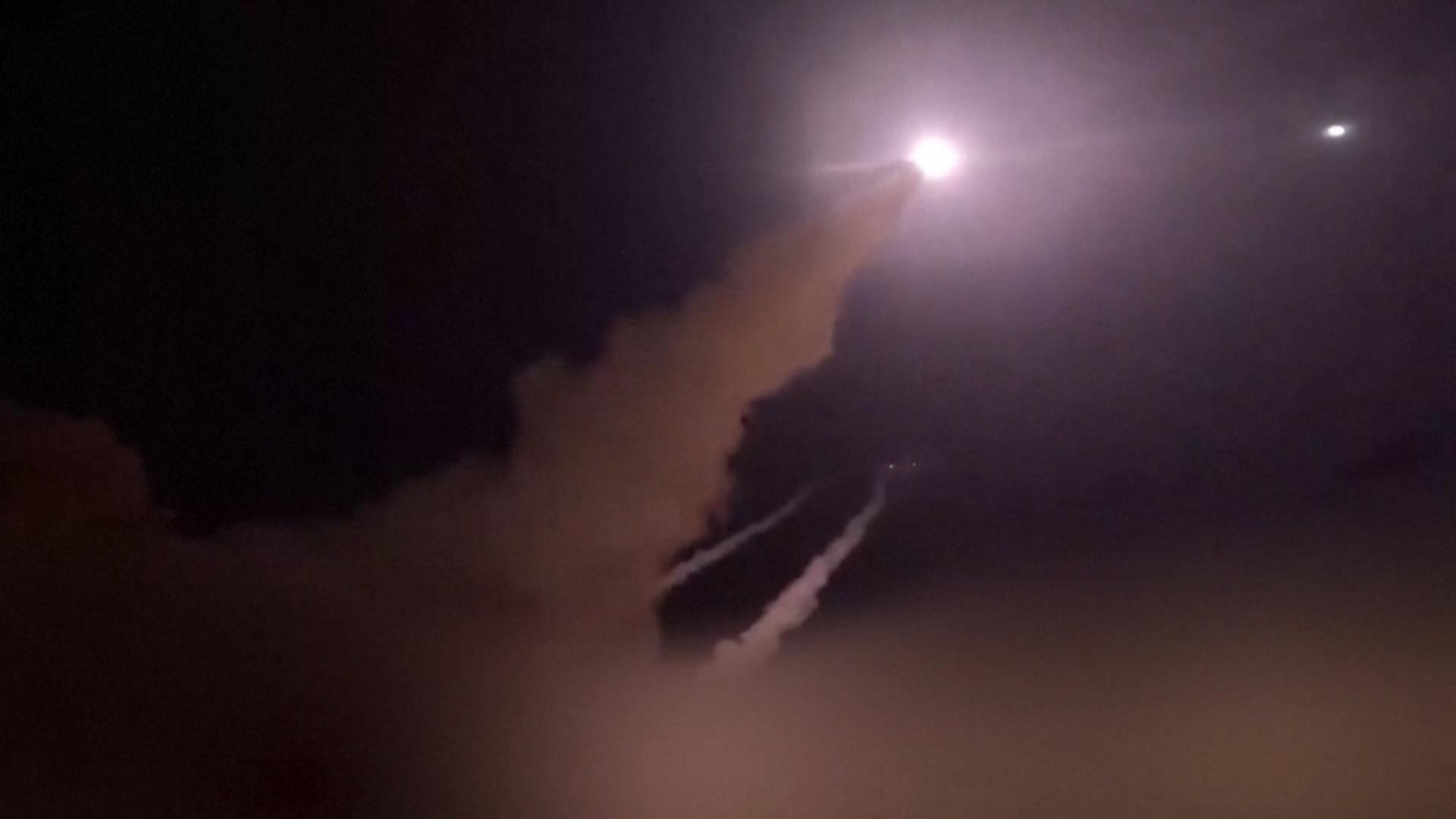
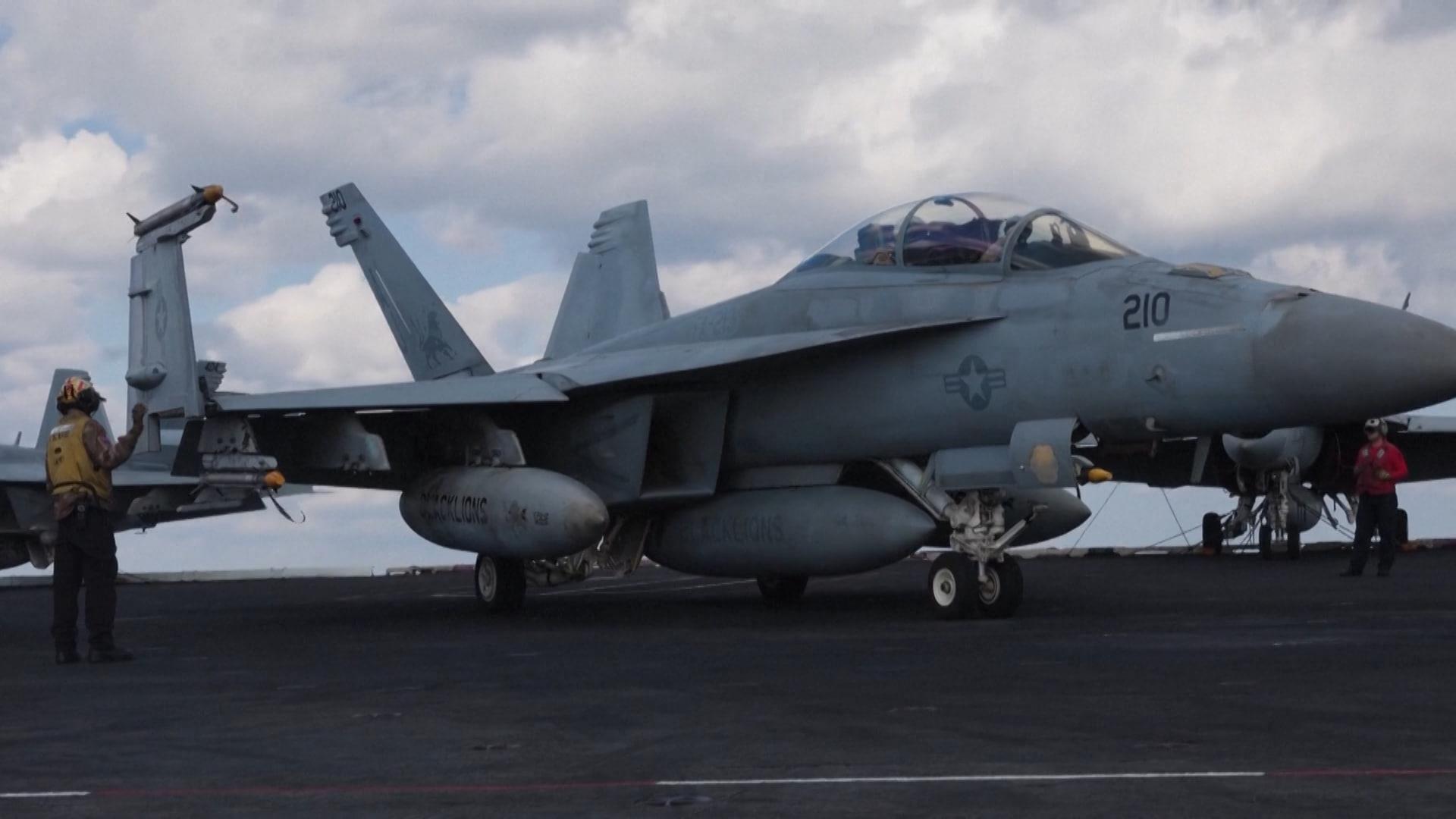
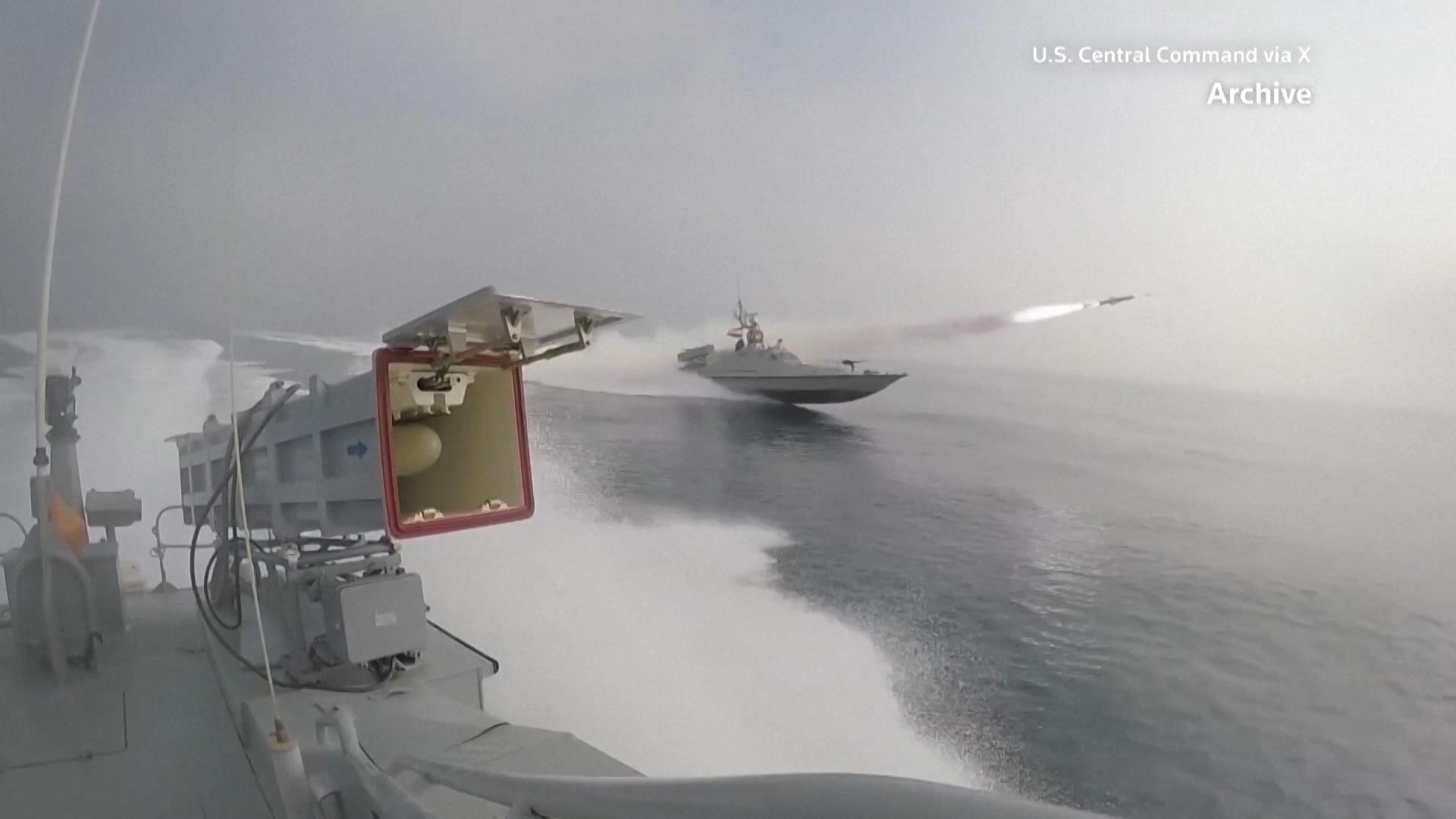
While CNN reports that the United States has used nearly 80 percent of its THAAD missile interceptors and roughly half of its Patriot interceptor stockpile, prompting senior US military commanders to warn that key weapons inventories have fallen to a "dangerously low" level, Iran has chosen not to expand its military campaign. Instead, Tehran has continued negotiations with Oman in search of a solution over the Strait of Hormuz.
This raises a crucial question: Why has Iran refrained from increasing military pressure while the United States appears to be facing shortages of critical missile systems? Is Tehran missing a strategic opportunity, or is it deliberately choosing a path that promises greater long-term gains?
Many observers might assume that declining US missile inventories present a golden strategic opportunity for Iran. However, reports from CNN and Al Jazeera reveal a far more complex reality.
While CNN highlights the depletion of America's missile stockpiles, Al Jazeera reports that Iran is focusing on negotiations with Oman to establish a new maritime arrangement for the Strait of Hormuz rather than expanding the war.
The central question of this analysis, therefore, is: Why has Iran chosen not to escalate military pressure on the battlefield, but instead sought to transform military pressure into diplomatic leverage at the negotiating table?
Running Short of Critical Missiles Does Not Mean the United States Has Lost Its Military Power
CNN's report on the depletion of THAAD and Patriot missile inventories has drawn widespread attention. Nevertheless, shortages of certain missile systems do not mean that the United States has lost its military capability or its ability to deter adversaries.
Rather, they demonstrate that a prolonged war is making the maintenance of advanced weapons stockpiles increasingly costly while forcing Washington to reassess how it allocates military resources for future security crises. At the same time, the Pentagon is accelerating missile production to rebuild those inventories.
For Iran, this means that declining US missile stockpiles alone are not sufficient evidence that Washington has lost its military superiority. Attempting to escalate now could still expose Tehran to a large-scale American military response.
If Iran Seeks to Exploit the Situation, It Also Faces Serious Risks
The depletion of critical US missile stockpiles may appear to create a strategic opening for Iran. Yet for Tehran, escalating the conflict would also carry significant risks.
Despite facing shortages in some missile inventories, the United States remains the world's foremost military power, capable of launching large-scale operations and expanding the conflict should its strategic calculations change.
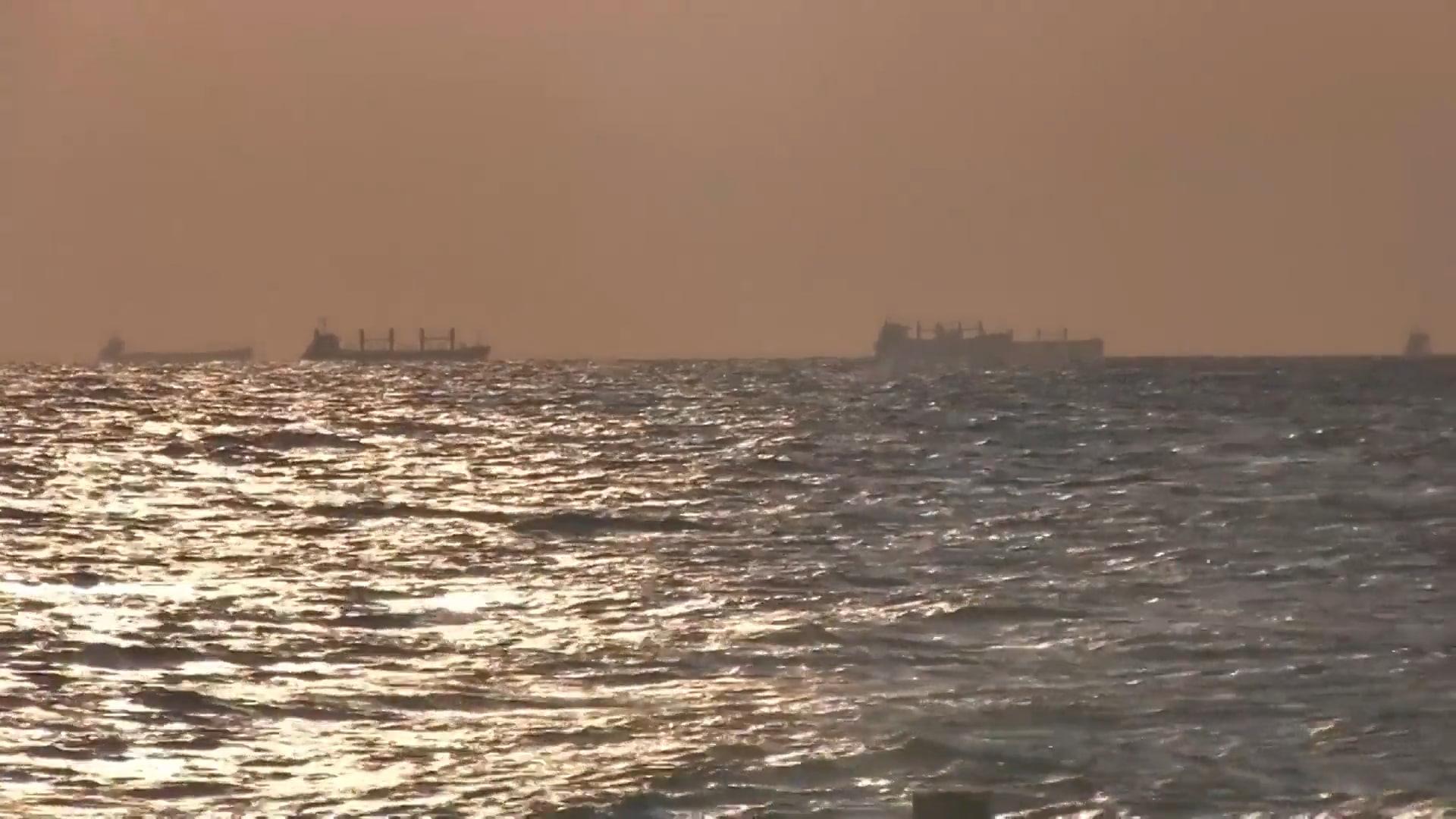
Moreover, keeping the Strait of Hormuz closed for an extended period is not necessarily in Iran's own interest. Such a move could disrupt global oil trade, damage regional economies, and strain relations with countries that have a strong interest in preserving freedom of navigation.
For that reason, negotiations with Oman over a new maritime transit arrangement may offer Tehran a better way to safeguard its strategic interests than expanding military confrontation.
In other words, Iran's decision not to exploit the apparent opportunity immediately does not necessarily mean it is abandoning that opportunity. Rather, Tehran may have concluded that maintaining leverage at the negotiating table is more valuable than broadening the conflict on the battlefield.
Iran Appears to Prefer Strategic Gains at the Negotiating Table Rather Than on the Battlefield
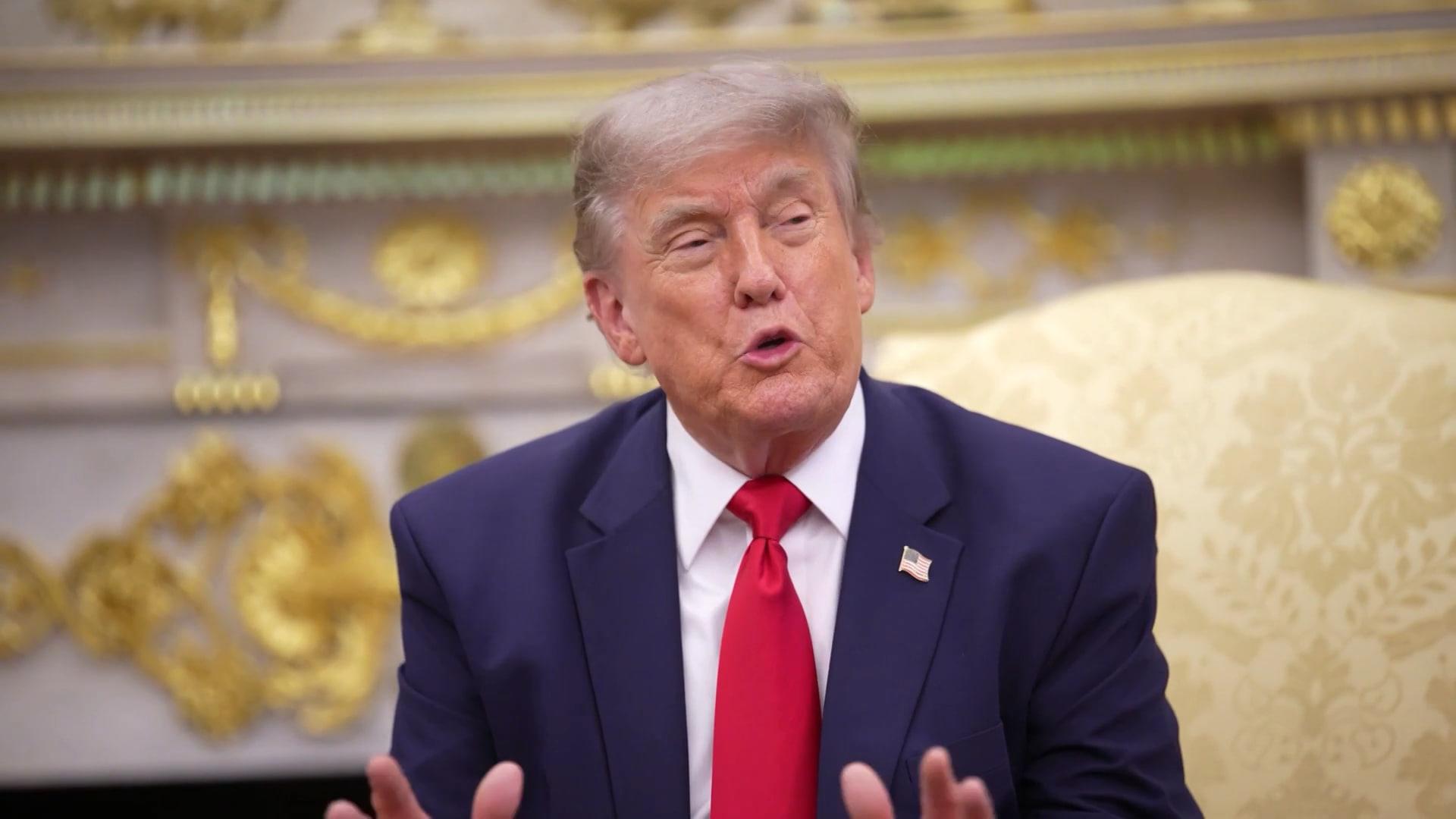
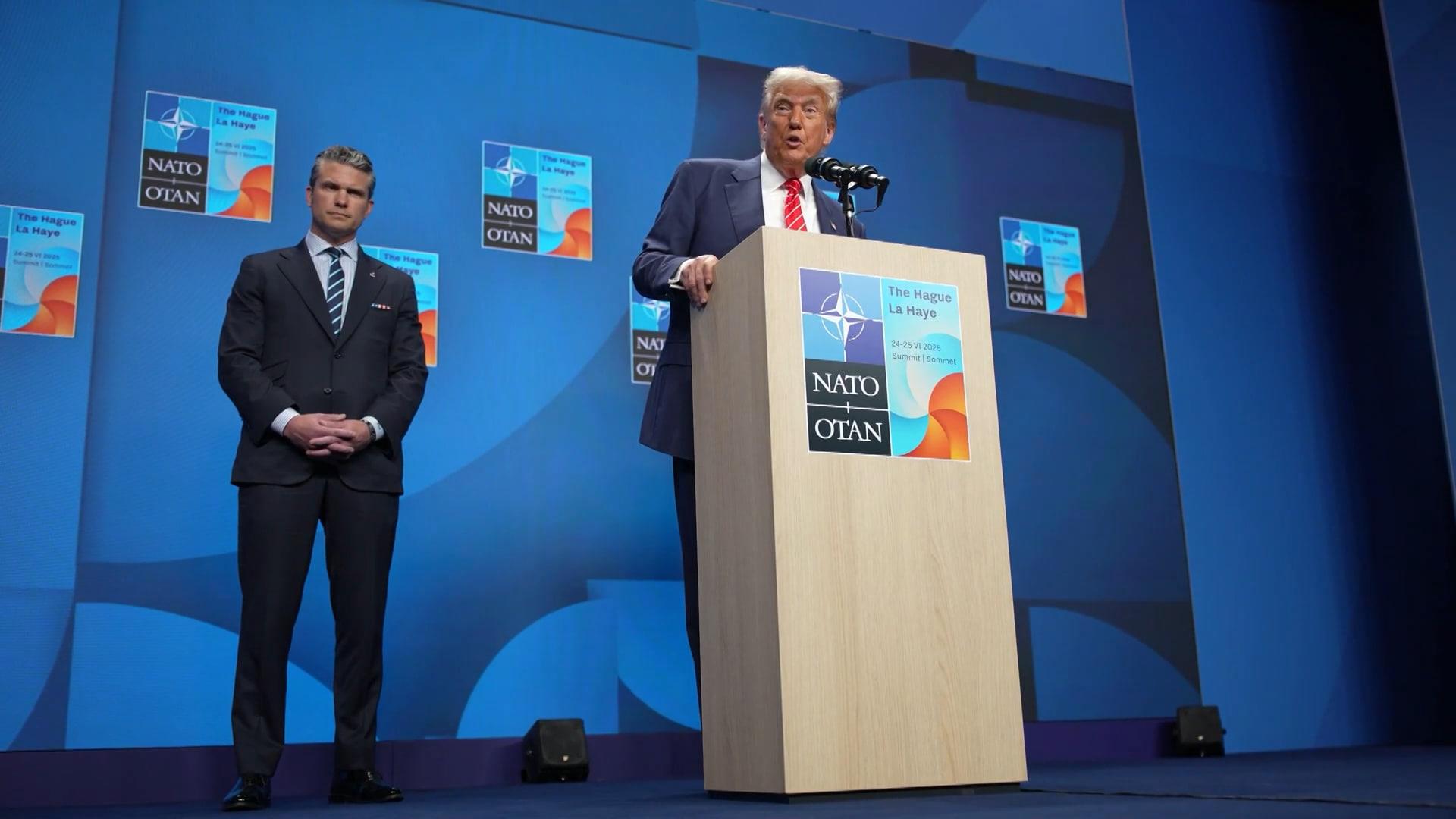
When President Donald Trump declared that Iran had been given a "last chance" and warned of intensified military strikes should negotiations fail, Washington signaled that it was combining military pressure with diplomatic pressure in an effort to compel Tehran to accept a deal.
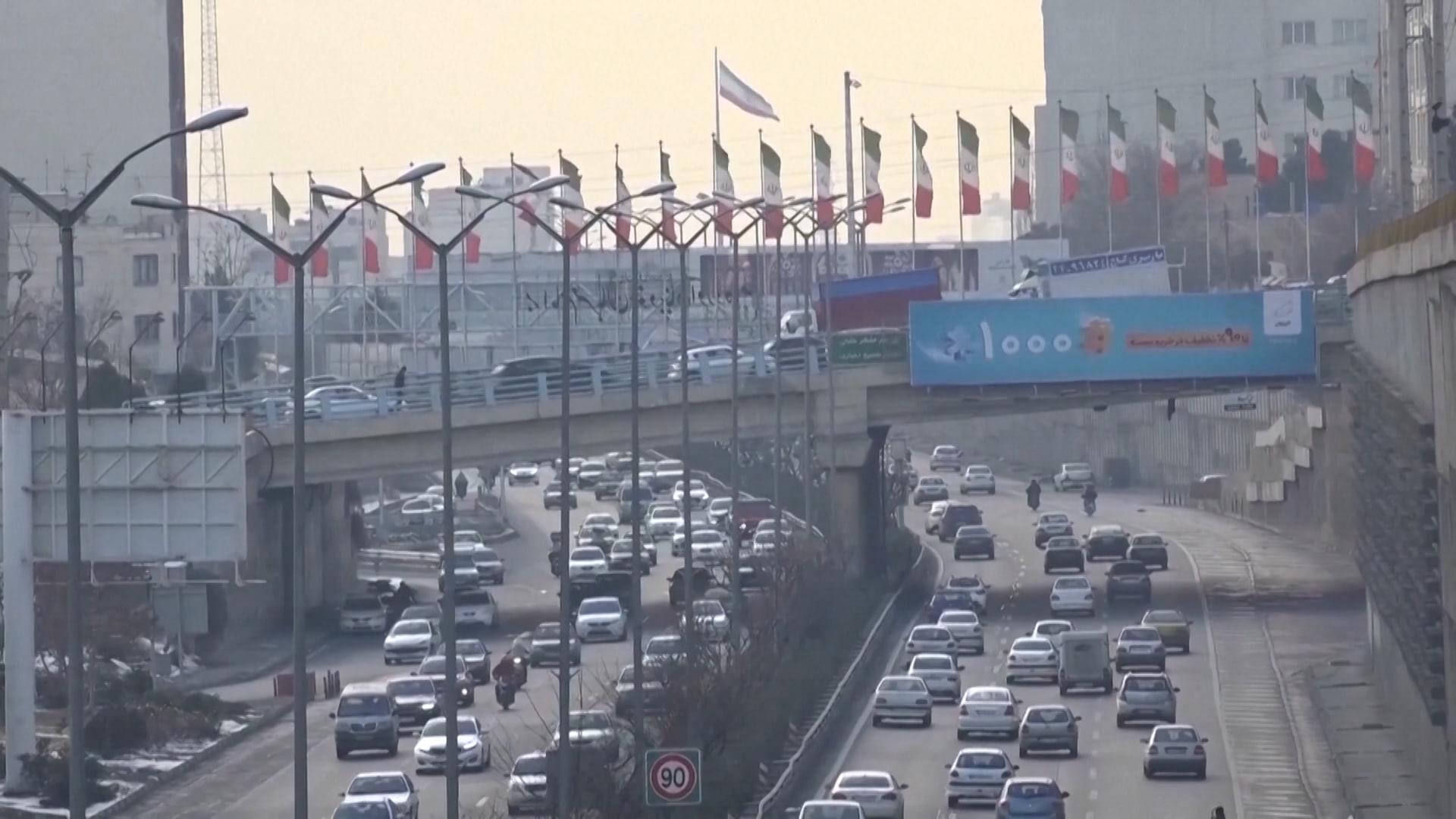
Yet developments on the ground suggest that Iran has not responded by escalating the conflict. Instead, Tehran has continued negotiations with Oman over the Strait of Hormuz while maintaining its own negotiating position.
Within this context, Iran appears to be seeking to transform military pressure into diplomatic leverage rather than expand military confrontation, even as reports indicate that America's ability to sustain prolonged use of advanced missile systems is increasingly constrained by declining stockpiles.
For Tehran, preserving pressure through negotiations may offer greater strategic value than launching additional attacks that could provide Washington with justification for a much larger military response.
In this sense, diplomacy and deterrence are not contradictory approaches. Rather, they appear to be two complementary components of the same strategy: maintaining sufficient pressure to gain negotiating leverage without pushing the conflict into an uncontrollable phase.
Conclusion
Iran's decision not to escalate military pressure immediately, despite the apparent depletion of critical US missile stockpiles, does not necessarily mean that Tehran has abandoned a strategic opportunity. Instead, it may reflect an effort to convert existing military pressure into diplomatic leverage rather than risk triggering a much larger war with unpredictable consequences.
Likewise, the decline in America's critical missile inventories should not be interpreted as a loss of US military power. Rather, it illustrates that prolonged warfare is steadily increasing the cost of sustaining military operations for both sides.
Ultimately, wars are not decided simply by which side possesses more missiles. They are decided by which side can more effectively transform military pressure into lasting political and strategic advantage. That is precisely why, even while missiles continue to fly, both Washington and Tehran have kept the door to negotiations open.
History has repeatedly shown that the side that chooses not to fire first is not necessarily the weaker one. Sometimes, it is simply choosing a battlefield of greater strategic value—the negotiating table.