
(Phnom Penh): In previous editions of Fresh Exclusive / Cosmo, we explored the Sun, the eventual end of life on Earth, galaxies, black holes, supernovae, and other remarkable phenomena of the universe. Together, these stories revealed a reality that is difficult to grasp: our universe is vastly larger than most people can imagine.
Yet the sheer immensity of the cosmos leads to one of humanity's greatest questions. If the universe contains hundreds of billions of stars and billions of planets, are we truly the only intelligent beings to exist?
For more than half a century, scientists have searched relentlessly for an answer. They have built the world's most powerful telescopes, scanned the skies for radio signals, searched for Earth-like planets, and analyzed the atmospheres of distant worlds in the hope of finding evidence of life beyond our planet. Despite these extraordinary efforts, no scientific evidence has yet confirmed the existence of an extraterrestrial civilization.
However, the absence of evidence is not evidence of absence.
The central question facing scientists today is no longer simply whether extraterrestrial life exists. Instead, the deeper and more challenging question is this:
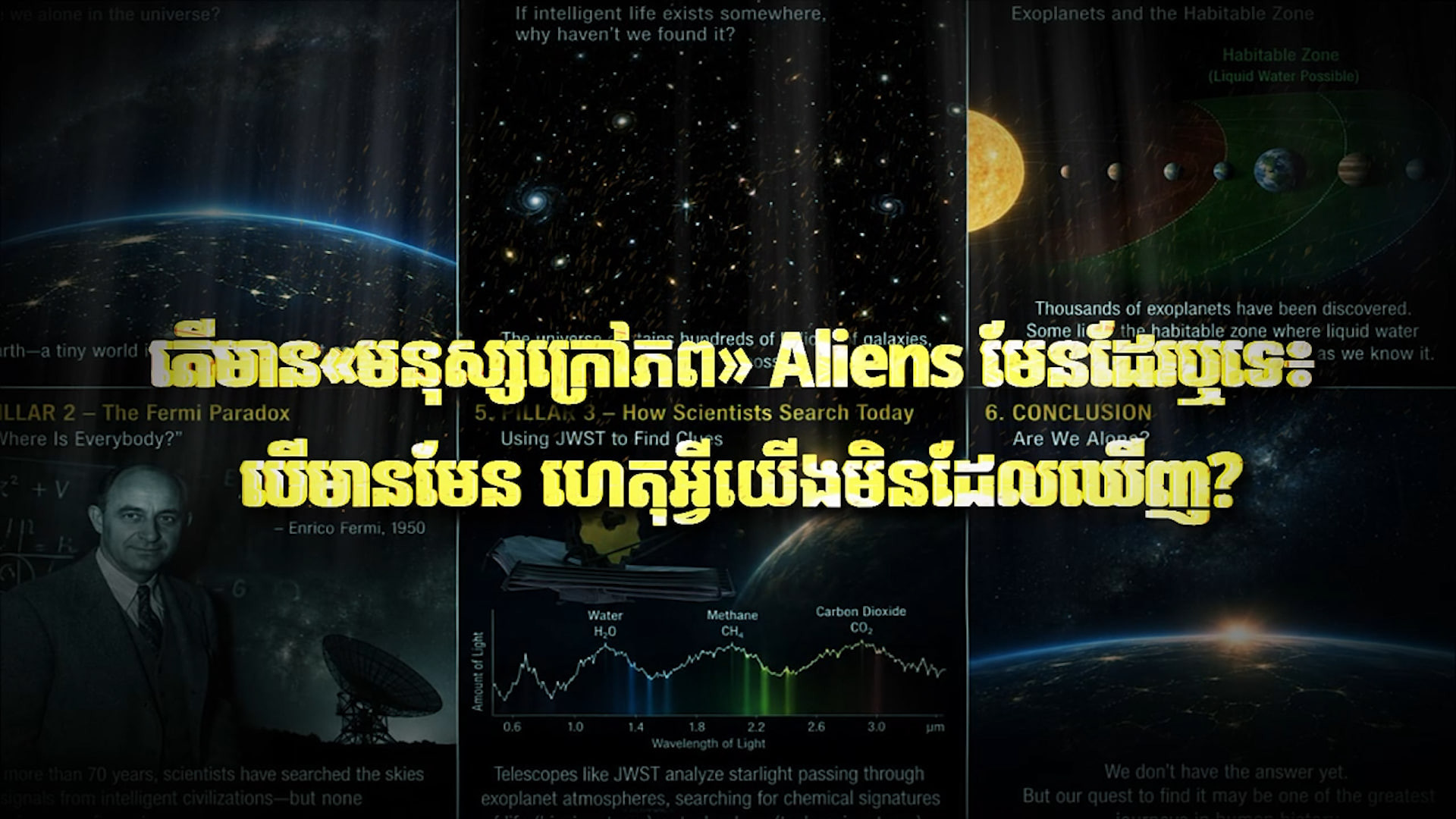
If intelligent life does exist elsewhere in the universe, why haven't we found it?
This puzzle is known as the Fermi Paradox, one of the most famous unanswered questions in modern science. For more than seventy years, it has inspired generations of astronomers, physicists, and astrobiologists to search for an explanation.
This article examines why many scientists believe that intelligent life may exist somewhere in the universe—and why humanity, despite unprecedented advances in astronomy and space exploration, has yet to discover convincing evidence of it.
The Universe Is Simply Too Vast to Ignore the Possibility of Alien Life
The first reason scientists do not dismiss the possibility of extraterrestrial life is the extraordinary scale of the universe itself.
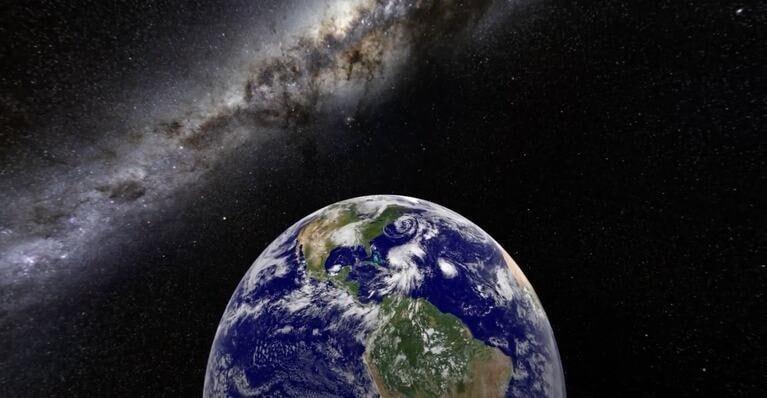
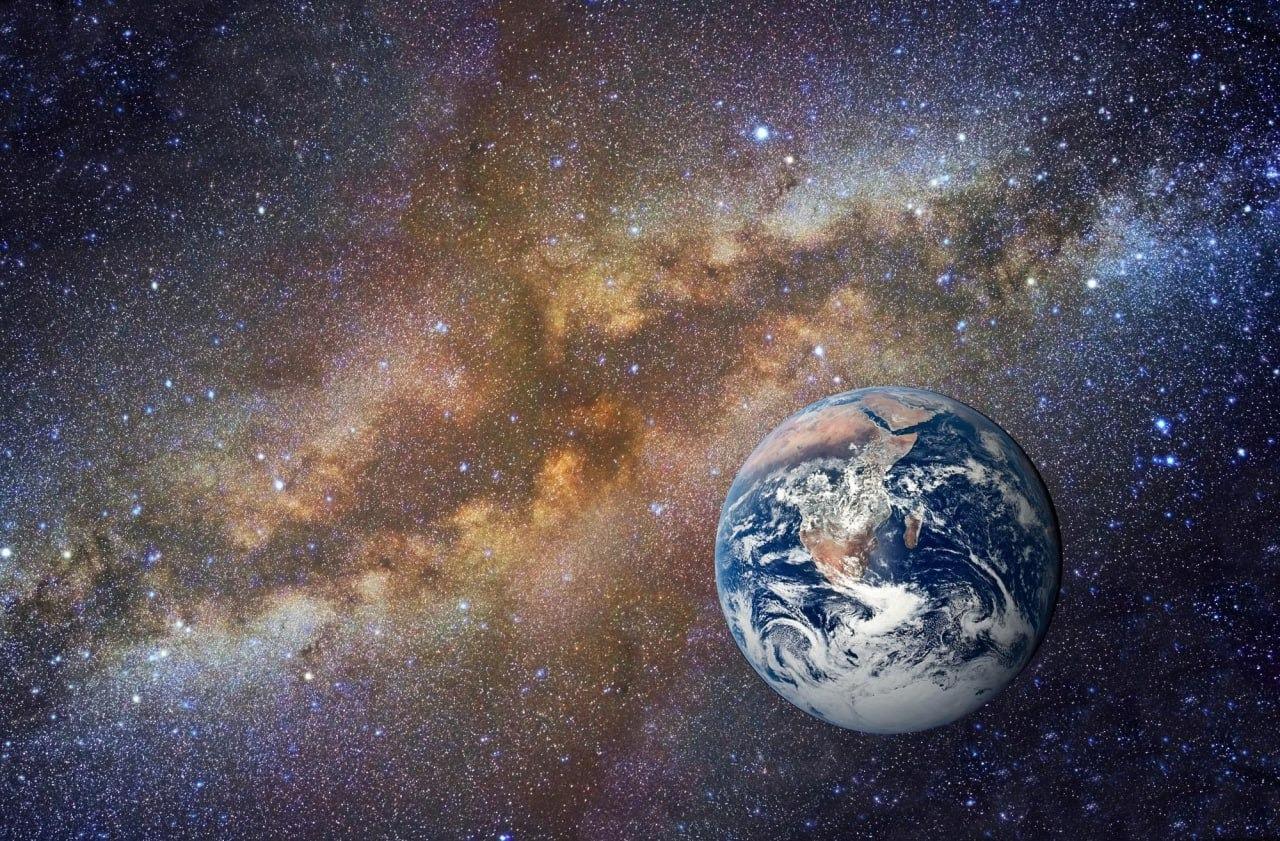
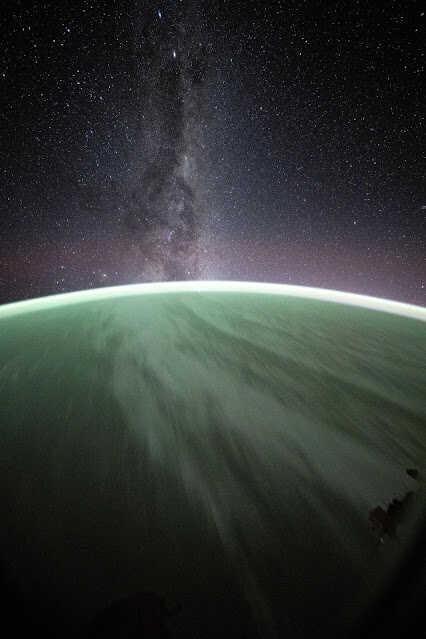
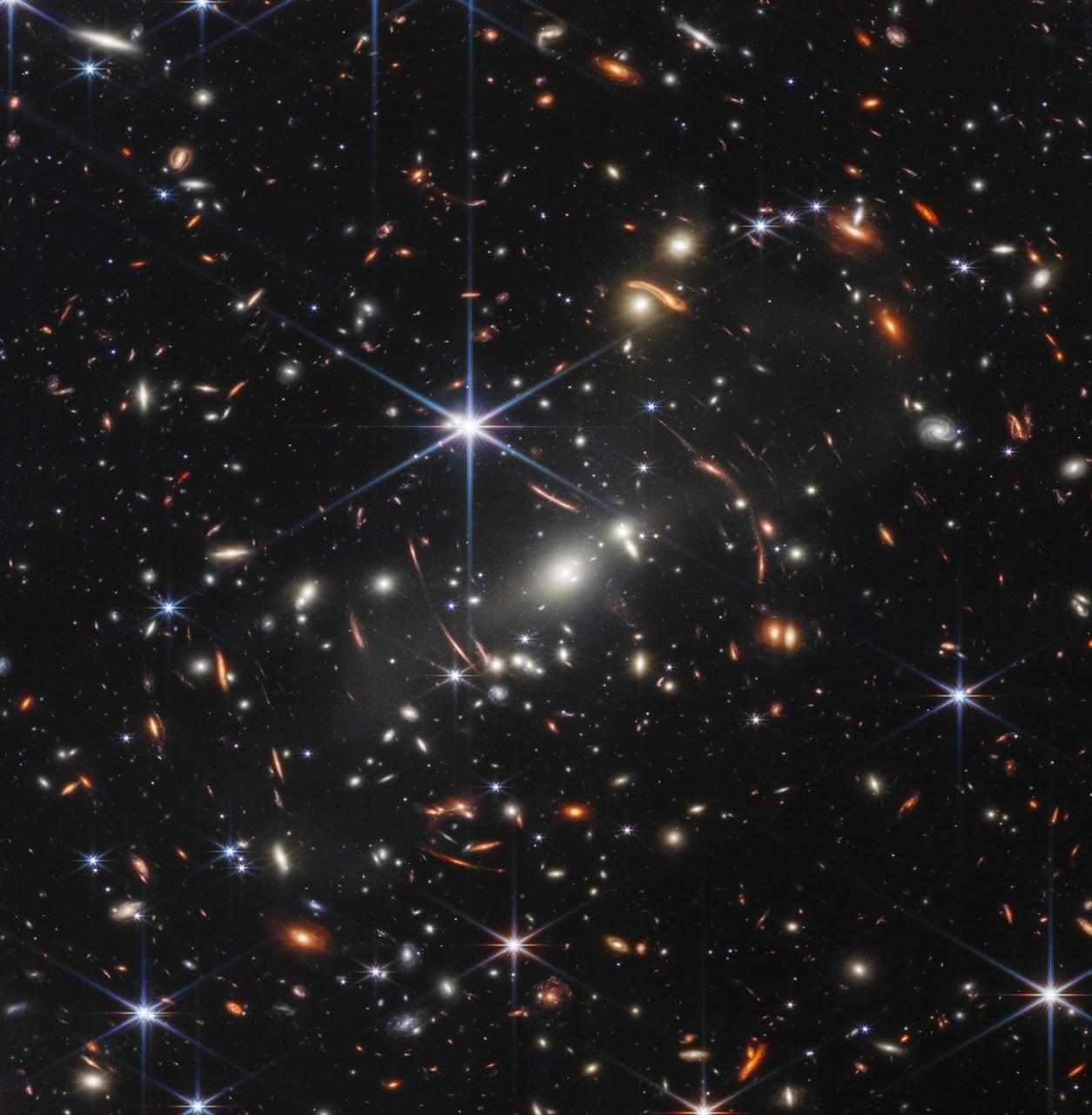
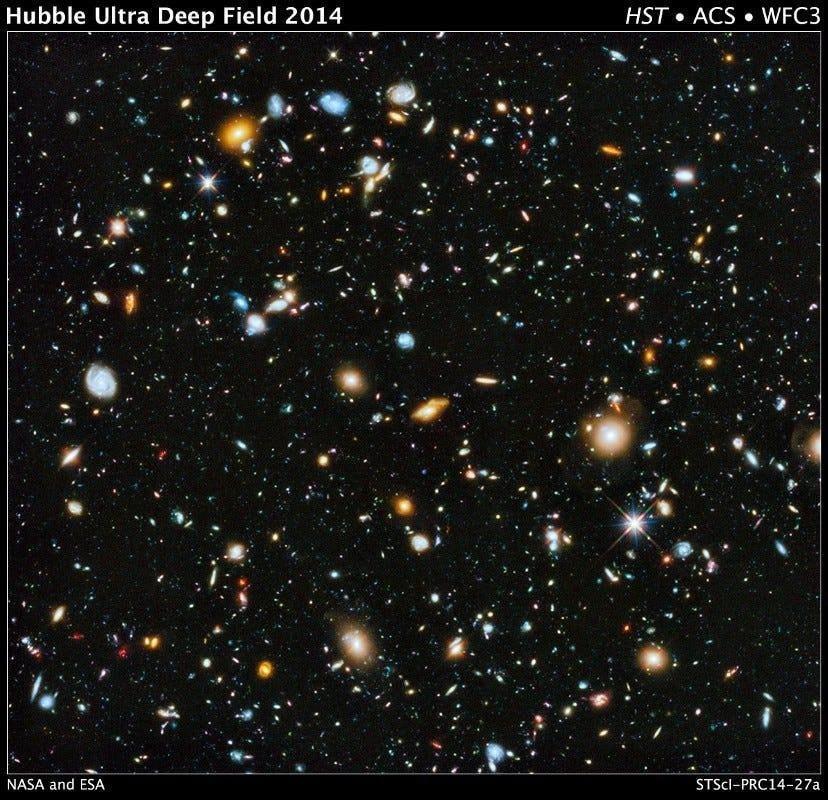
Our home galaxy, the Milky Way, is estimated to contain between 200 and 400 billion stars. Yet the Milky Way is only one galaxy among hundreds of billions of galaxies in the observable universe.
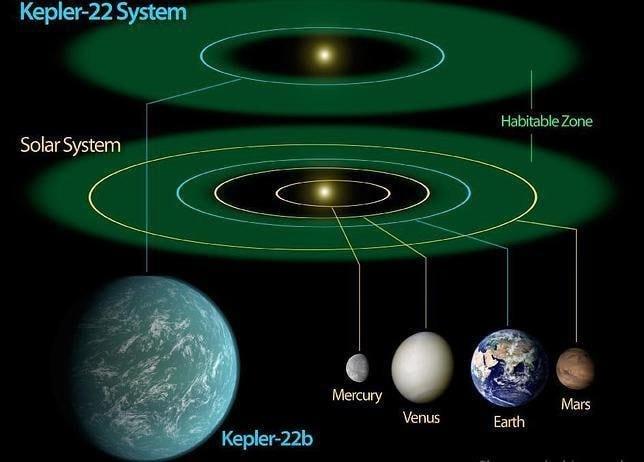
Over the past two decades, NASA missions such as Kepler and TESS have discovered thousands of exoplanets—planets orbiting stars beyond our Solar System. Statistical analyses suggest that the Milky Way alone may contain billions of such planets.
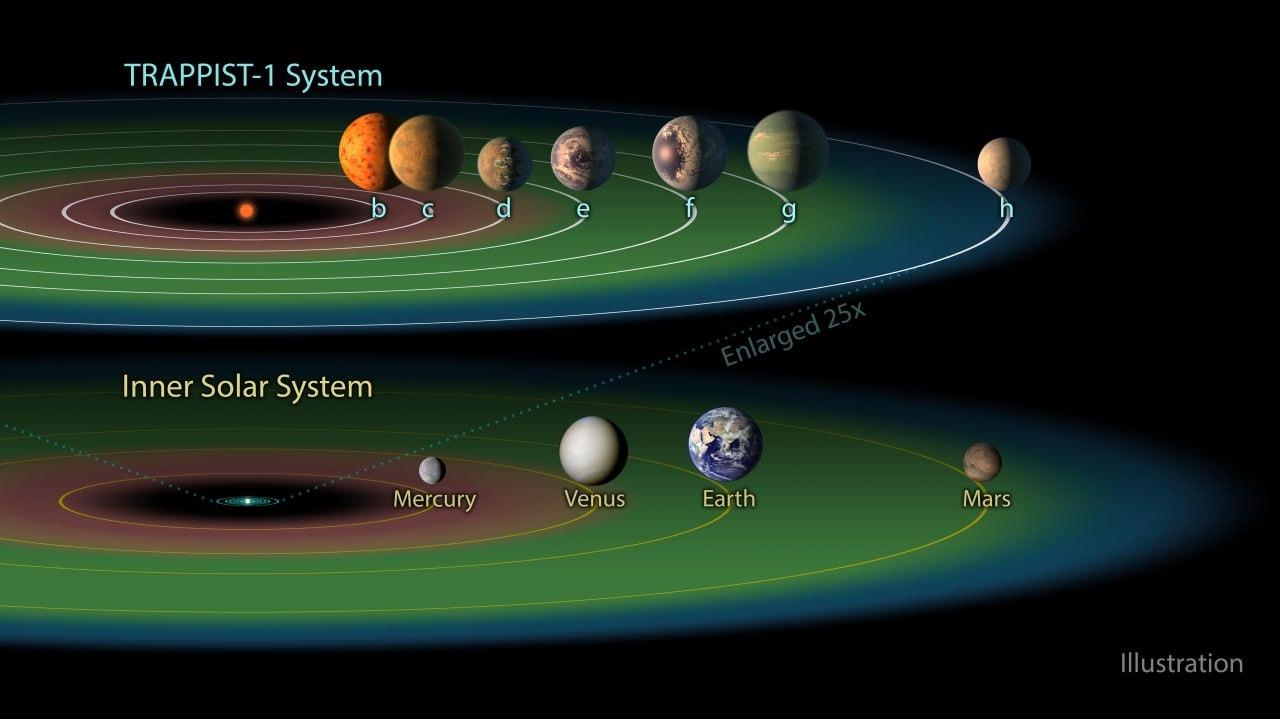
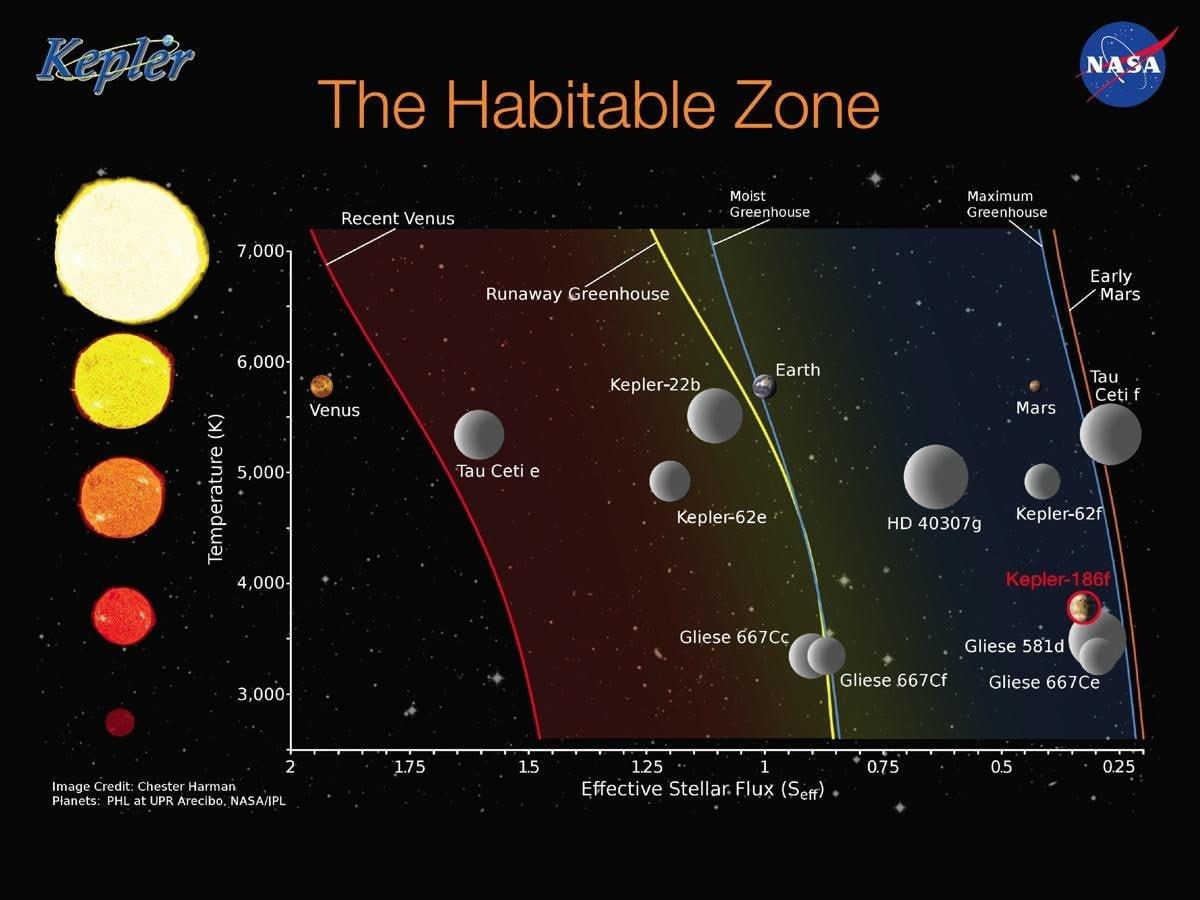
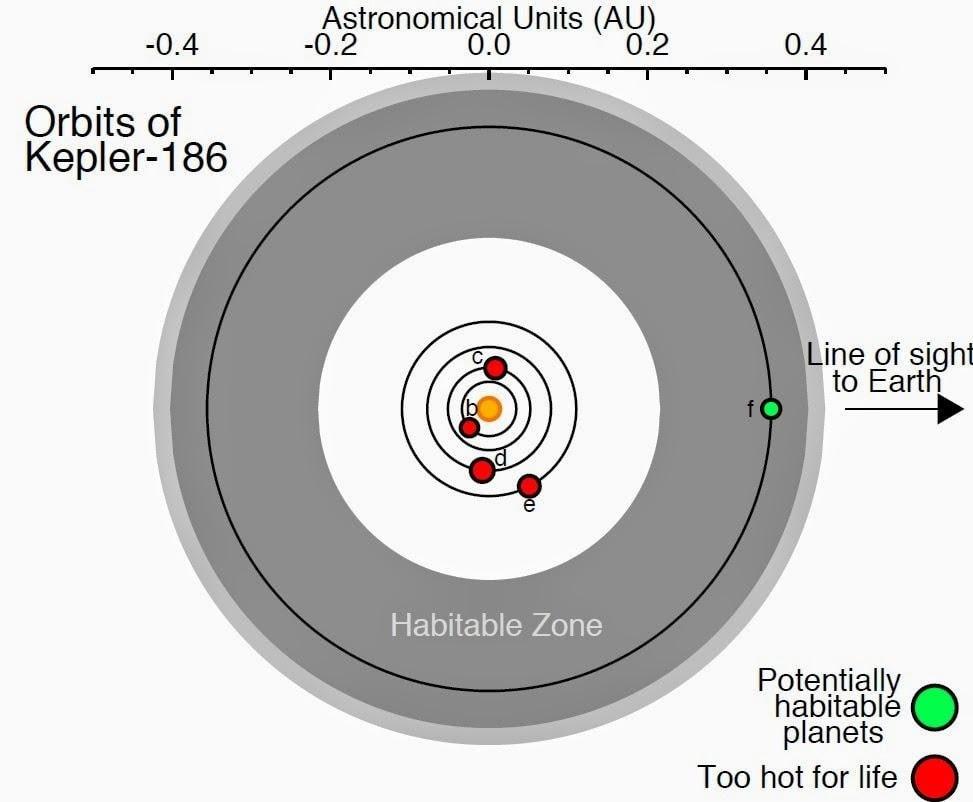
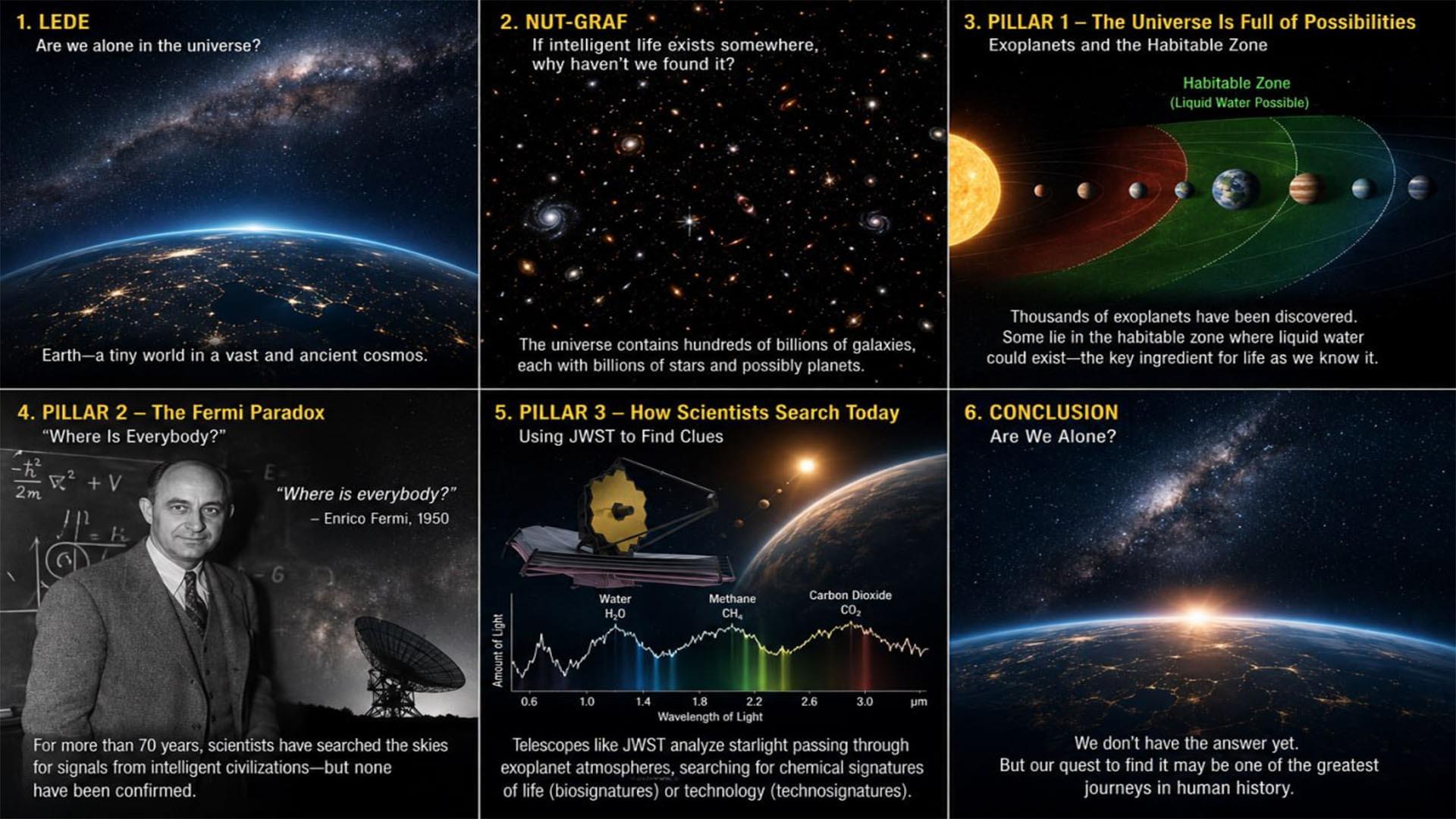
Some of these worlds lie within what astronomers call the Habitable Zone—the region around a star where temperatures may allow liquid water to exist on a planet's surface. Since liquid water is considered one of the essential ingredients for life as we know it, these discoveries have significantly strengthened scientific interest in the search for extraterrestrial life.
Inspired by these possibilities, American astronomer Frank Drake proposed the Drake Equation in 1961 as a framework for estimating how many technologically advanced civilizations might exist in our galaxy. Although the equation cannot produce a definitive answer, it transformed the search for extraterrestrial intelligence into a legitimate scientific question rather than a matter of speculation.
The renowned astronomer Carl Sagan once famously remarked: "If it's just us, it seems like an awful waste of space."
Sagan's statement is not evidence that aliens exist. Instead, it reflects why many scientists consider the search for life beyond Earth to be a rational scientific pursuit. In a universe of almost unimaginable size, the possibility that Earth hosts the only intelligent civilization remains an open question rather than a settled conclusion.
Yet this raises an even deeper mystery. If the universe offers so many opportunities for life to emerge, why have we still found no convincing evidence of another civilization?
That question leads directly to one of modern science's greatest puzzles: the Fermi Paradox.
The Fermi Paradox — If Aliens Exist, Where Is Everybody?
In the summer of 1950, Italian physicist Enrico Fermi was having lunch with colleagues at the Los Alamos National Laboratory in the United States. Their conversation turned to interstellar travel and the possibility of extraterrestrial civilizations.
At one point, Fermi asked a simple question that would later become one of the most famous questions in science:
"Where is everybody?"
Although deceptively simple, the question gave rise to what is now known as the Fermi Paradox.
The paradox highlights an apparent contradiction. If the universe contains hundreds of billions of stars and countless potentially habitable planets—and if intelligent life can emerge elsewhere under conditions similar to those on Earth—then humanity should already have discovered at least some evidence of extraterrestrial civilizations.
Yet after decades of searching, no confirmed evidence has ever been found.
Since Fermi posed his famous question more than seventy years ago, scientists have devoted enormous efforts to solving this mystery.
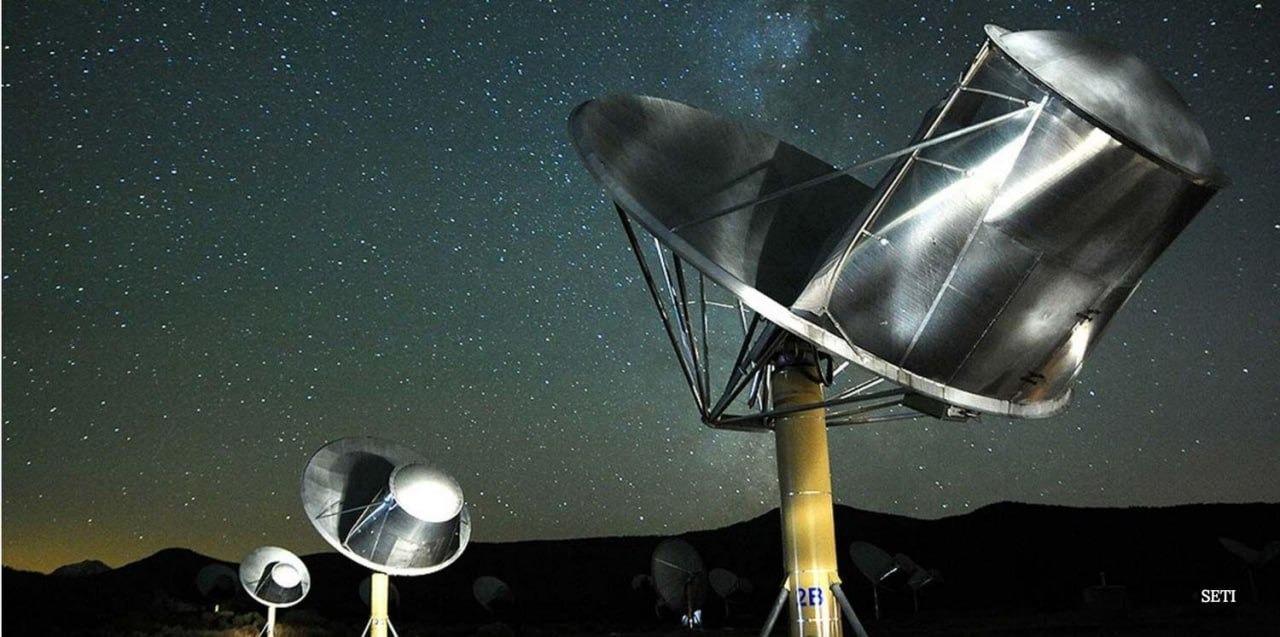
In 1984, researchers established the SETI Institute (Search for Extraterrestrial Intelligence) to search the cosmos for radio signals that might have been transmitted by intelligent civilizations.
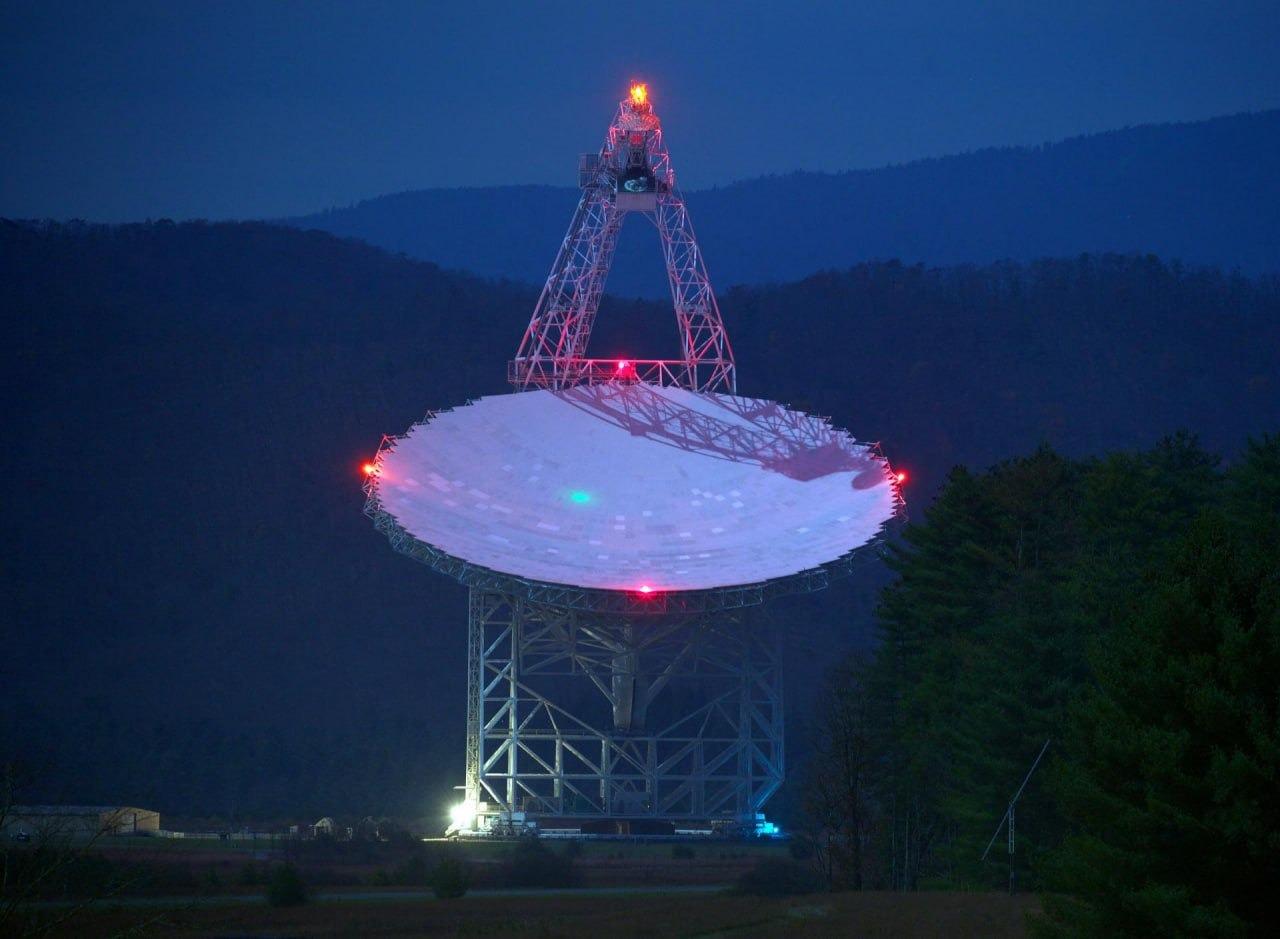
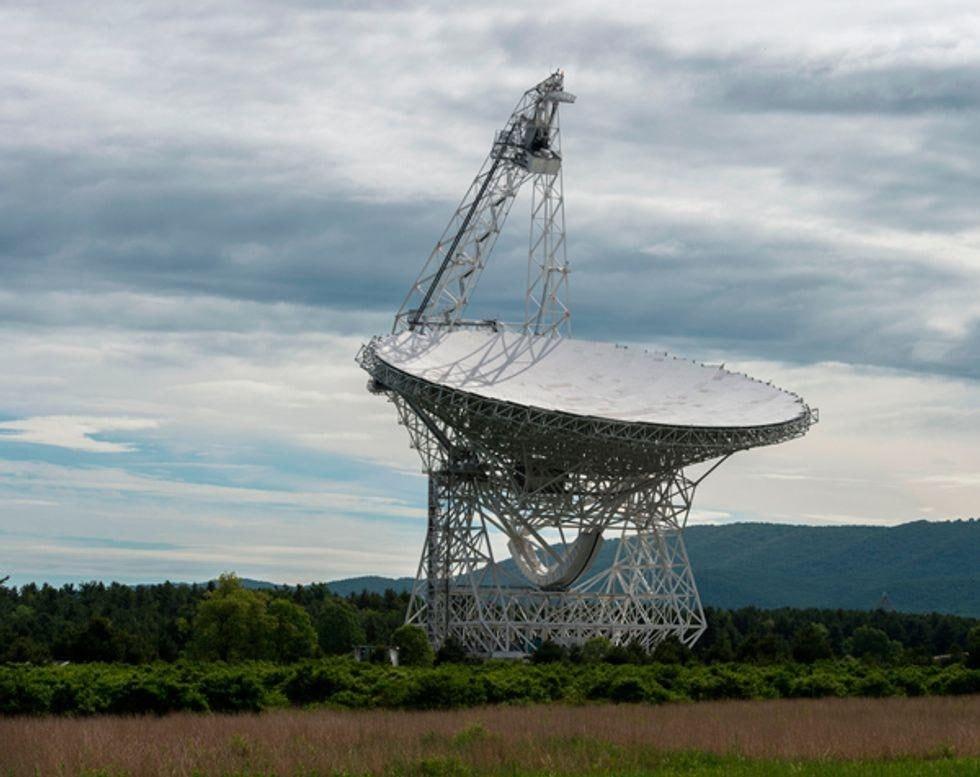
Later, in 2015, the Breakthrough Listen initiative became the largest scientific program ever launched to search for intelligent extraterrestrial life. Using some of the world's most powerful radio telescopes, the project scans millions of stars and hundreds of nearby galaxies in search of signals that cannot be explained by natural astrophysical processes.
Despite these unprecedented efforts, no confirmed evidence has yet shown that an extraterrestrial civilization is communicating with humanity.
That is precisely why the Fermi Paradox remains one of the greatest unresolved mysteries in modern science.
How Are Scientists Searching for Aliens Today?
Although no confirmed evidence of intelligent extraterrestrial life has been found, scientists have not abandoned the search. On the contrary, the quest has entered a new era, driven by increasingly sophisticated technology.
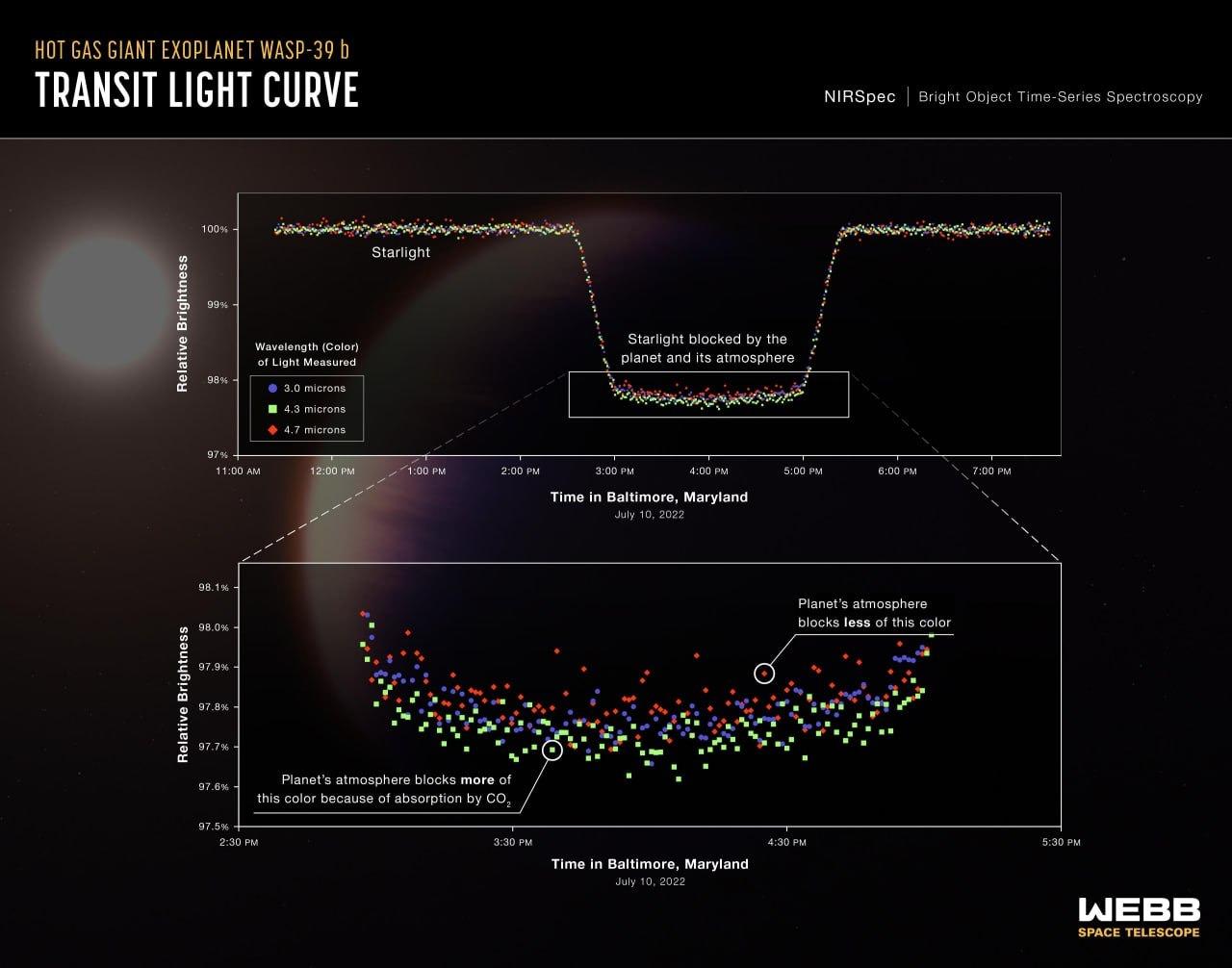
One of the most important tools in this effort is the James Webb Space Telescope (JWST), launched in 2021 through a collaboration between NASA, the European Space Agency (ESA), and the Canadian Space Agency (CSA).
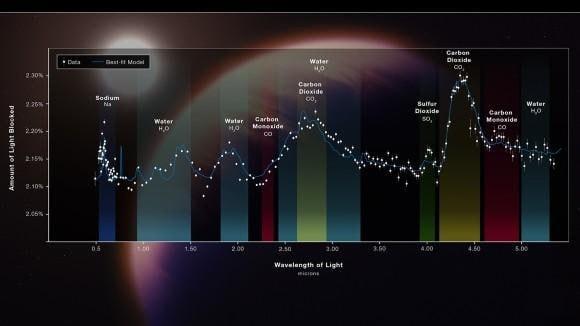
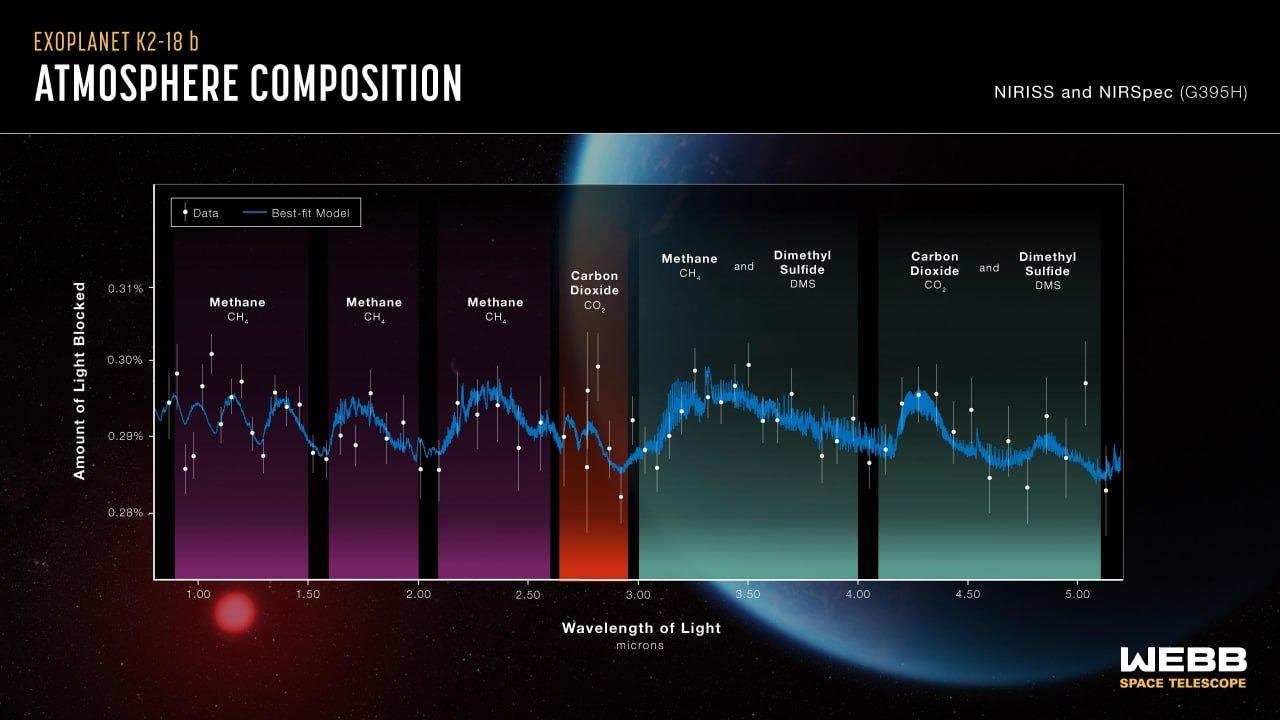
Unlike the Hubble Space Telescope, which primarily captures breathtaking images of the universe, JWST is capable of analyzing light that passes through the atmospheres of distant exoplanets. This allows scientists to identify chemical compounds that may be associated with biological activity.
Researchers refer to these potential indicators as biosignatures. Molecules such as oxygen, methane, water vapor, and certain combinations of atmospheric gases may suggest that biological processes are taking place on a distant world. However, scientists also caution that these molecules can sometimes be produced through natural geological or chemical processes. Therefore, no single biosignature can be considered definitive proof of life unless it is supported by multiple independent lines of evidence.
Beyond biosignatures, researchers are also searching for technosignatures—observable signs that could indicate the existence of an advanced technological civilization.
Technosignatures may include artificial radio transmissions, laser signals, or enormous structures orbiting stars that cannot be readily explained by natural astrophysical phenomena. Detecting such signals would not merely suggest the presence of life; it could indicate the existence of a civilization capable of developing sophisticated technology.
Although none of these searches has yet produced conclusive evidence, advances in astronomy, planetary science, and space technology continue to expand humanity's ability to explore one of science's greatest unanswered questions.
Conclusion
For more than seventy years, the famous question posed by physicist Enrico Fermi—"Where is everybody?"—has remained unanswered.
During those decades, humanity has discovered thousands of exoplanets, built telescopes capable of observing light from the earliest epochs of the universe, and launched the most ambitious scientific programs ever undertaken to search for life beyond Earth. Yet, despite these extraordinary achievements, no convincing evidence has confirmed the existence of an extraterrestrial civilization.
At the same time, science has not concluded that aliens do not exist.
Rather, the scientific position is more cautious: we simply do not yet have sufficient evidence to answer the question.
Perhaps, then, the most important question today is no longer whether alien civilizations exist, but rather: Do we possess the technology necessary to find them?
If space exploration and astronomical technology continue to advance at their current pace, the search for extraterrestrial life may no longer remain confined to the realm of imagination. Instead, it could become one of the greatest scientific discoveries in human history—one that fundamentally transforms humanity's understanding of its place in the universe.
Until that day arrives, the search itself remains one of science's most profound and enduring journeys: not merely to discover whether we are alone, but to better understand the universe—and ourselves.