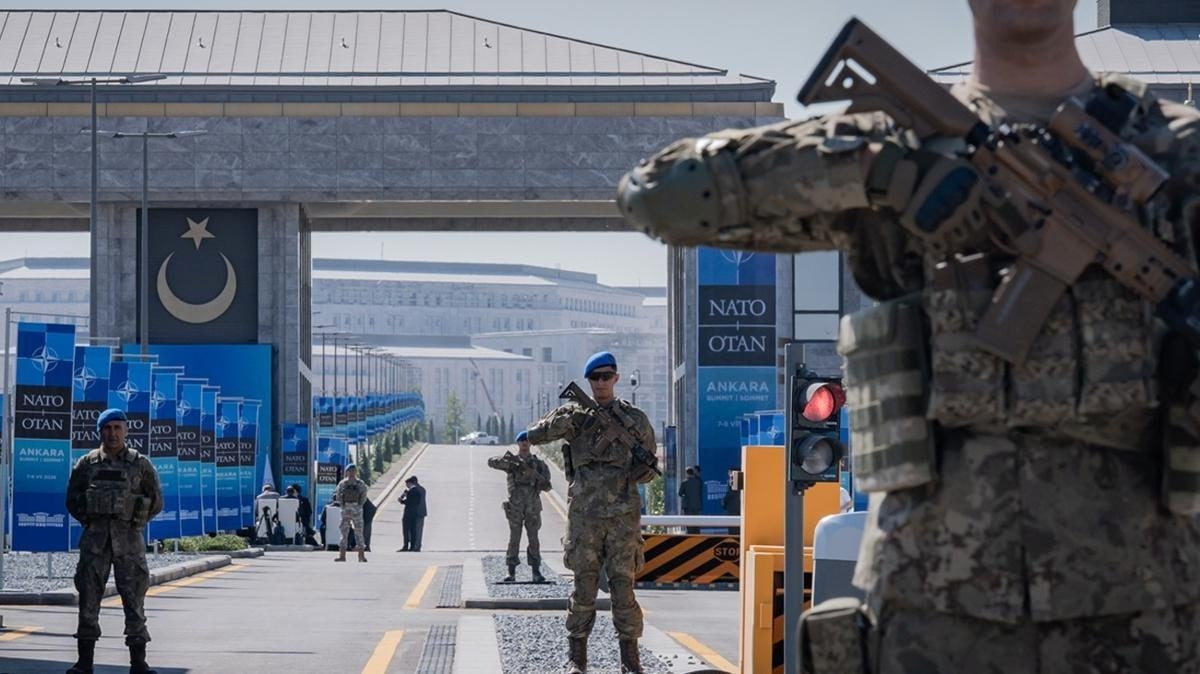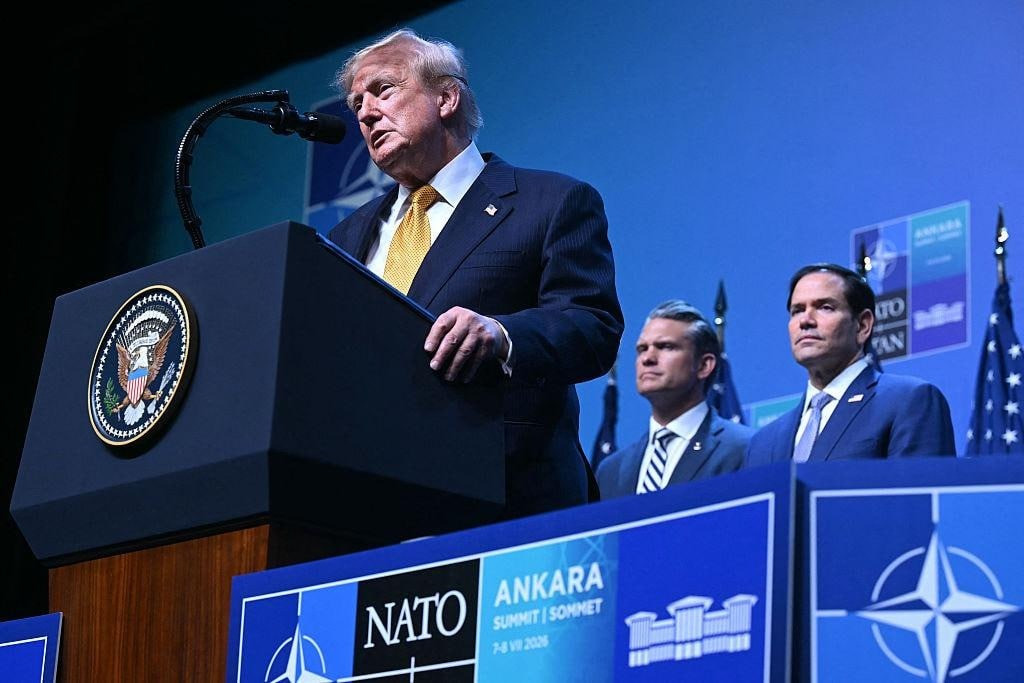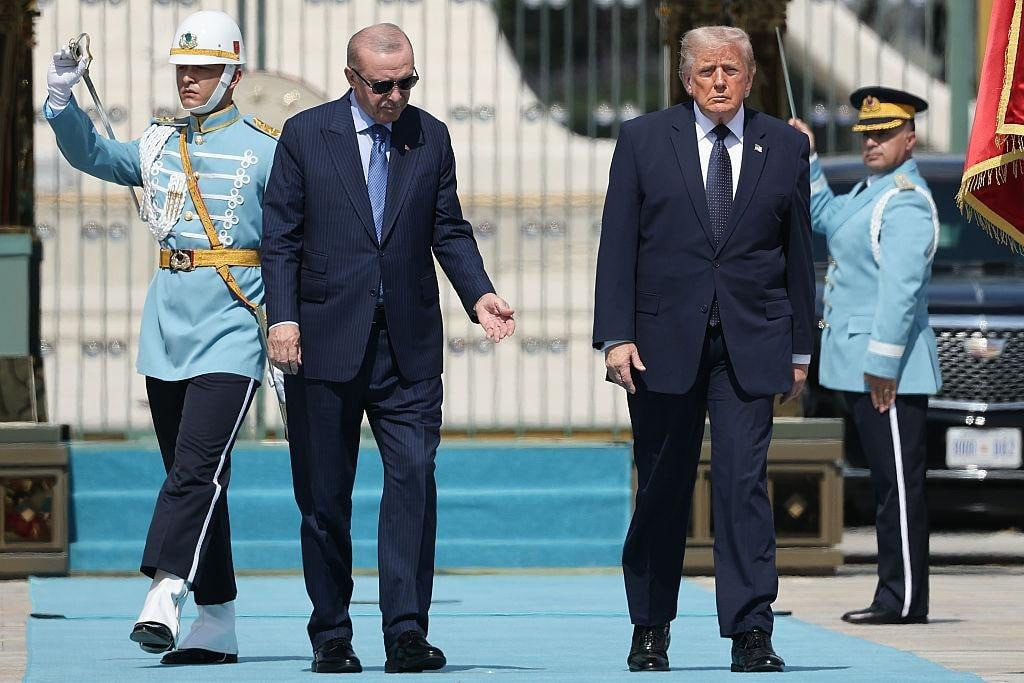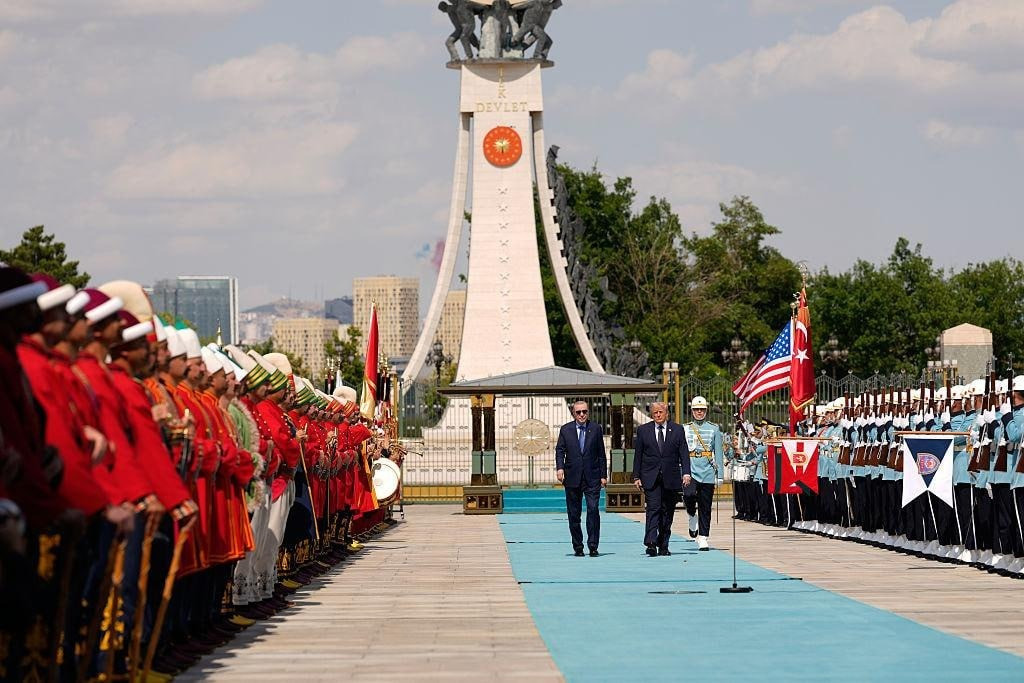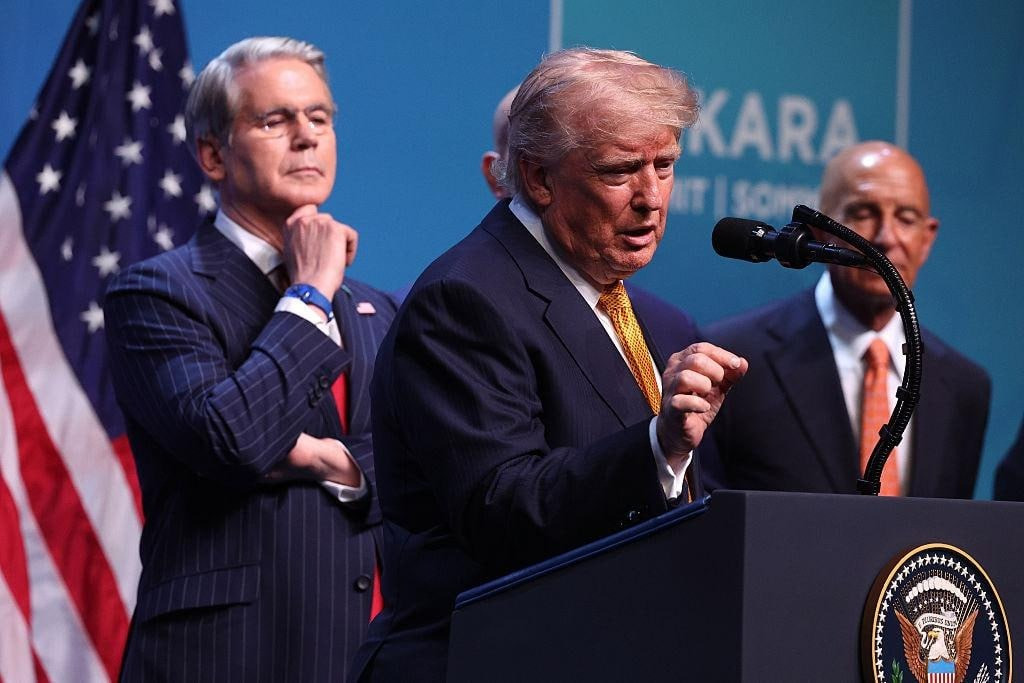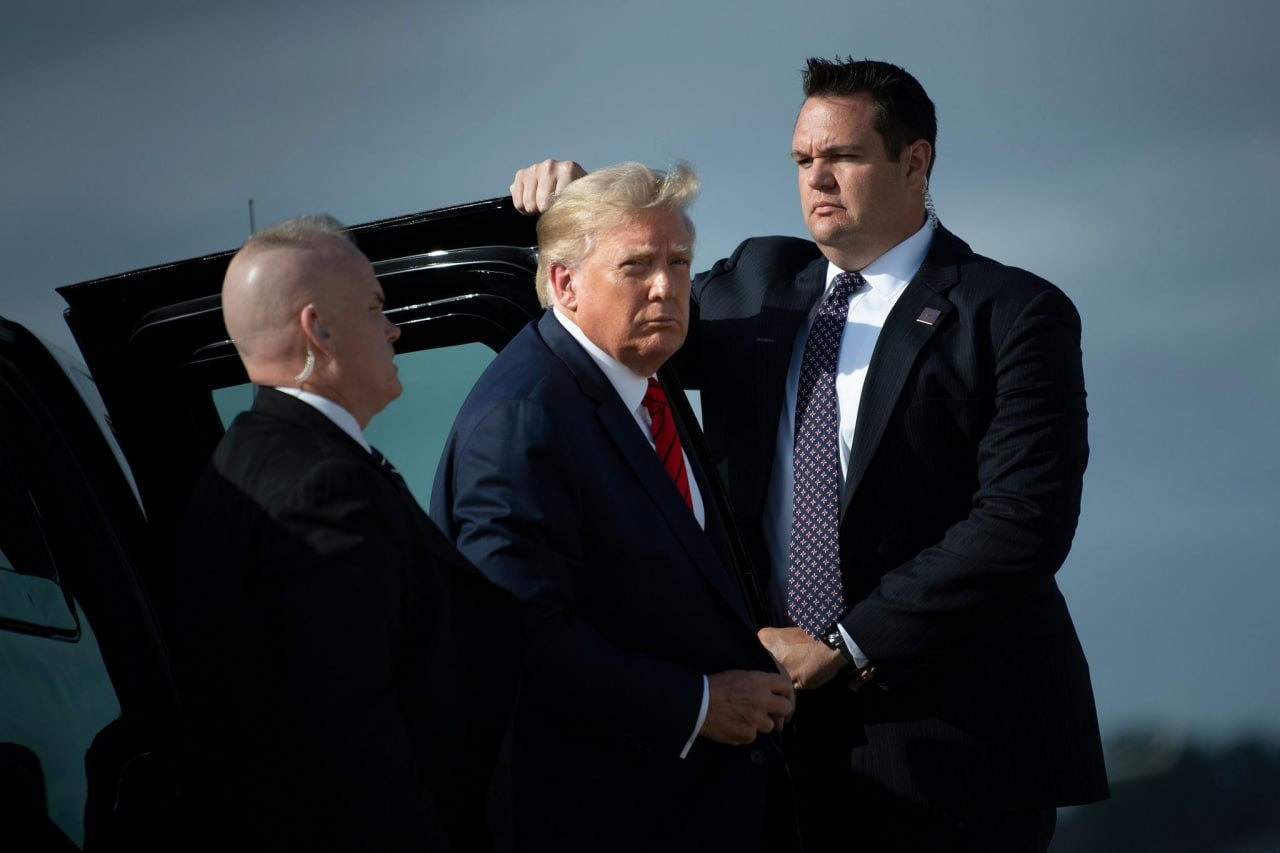

(Phnom Penh): As the NATO summit in Türkiye drew to a close, U.S. President Donald Trump prepared to depart, just as other world leaders were doing.
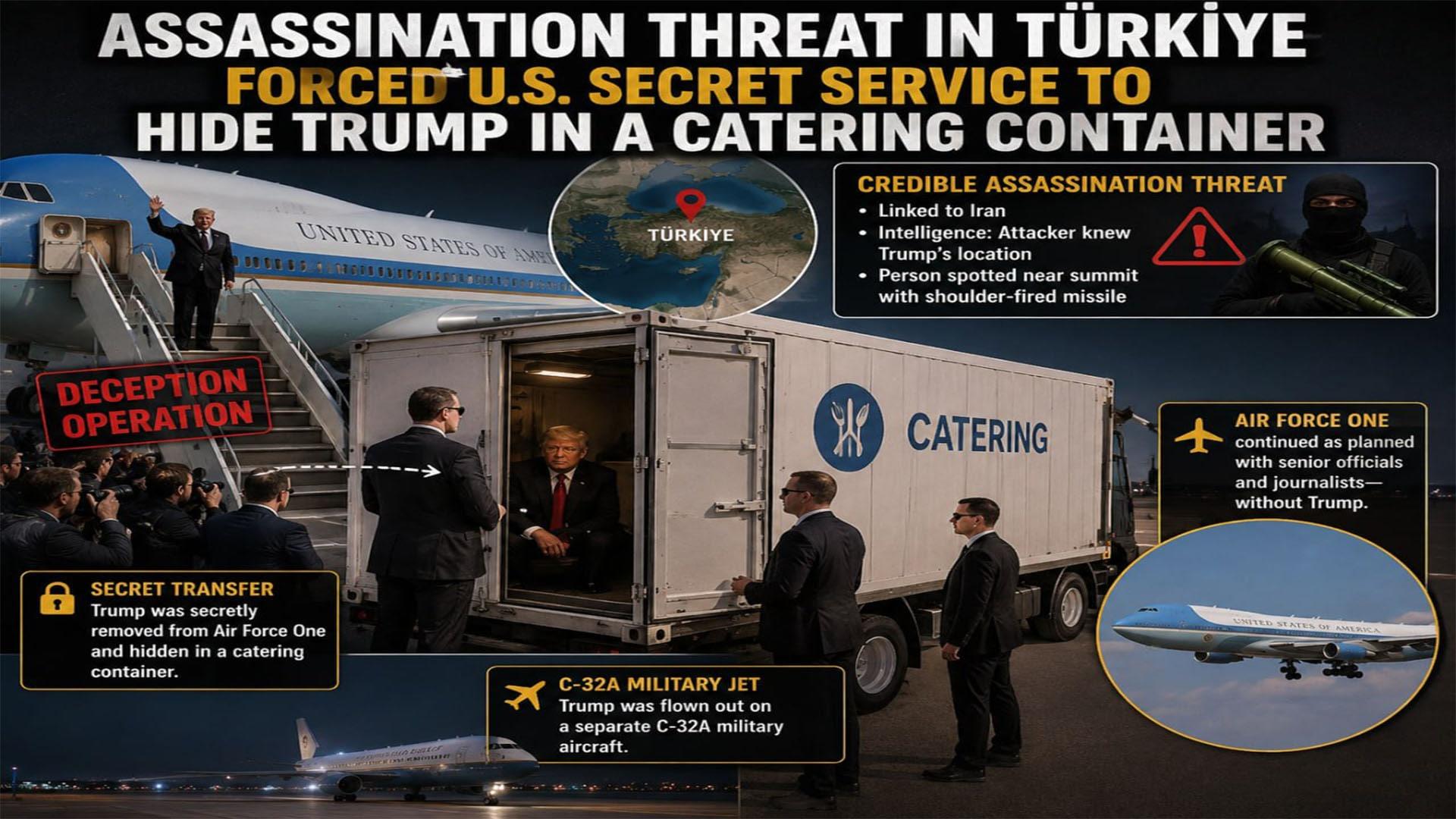
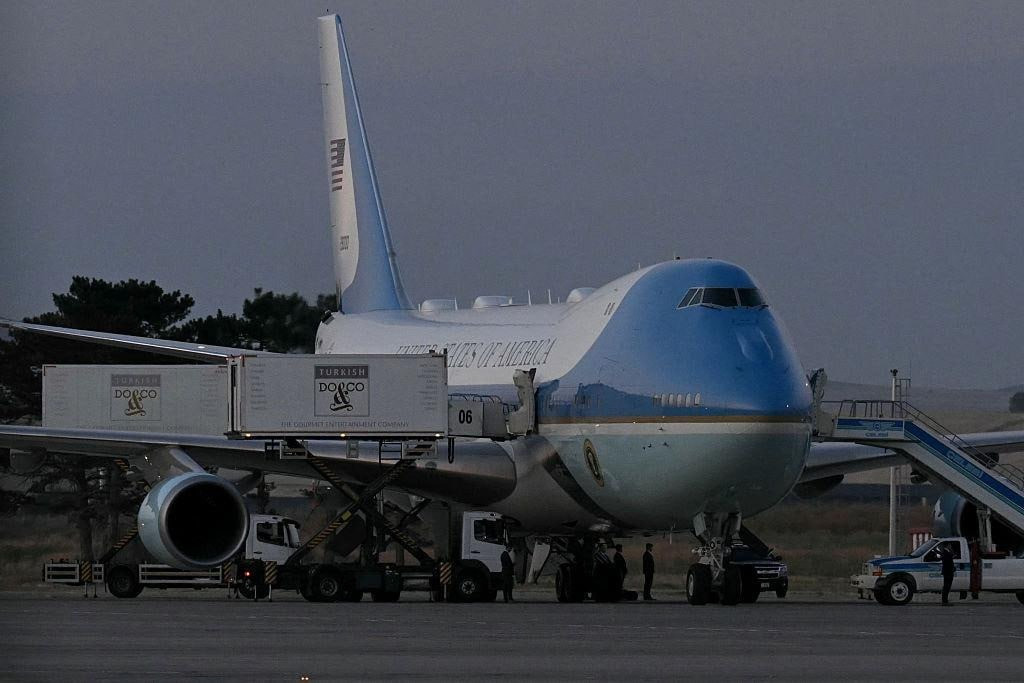
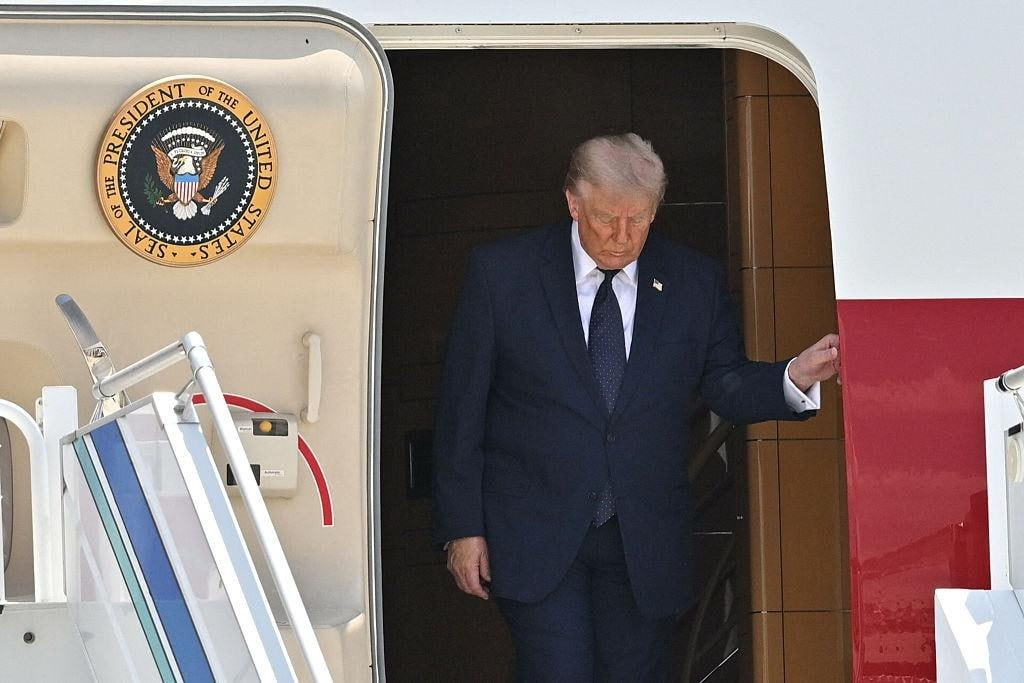
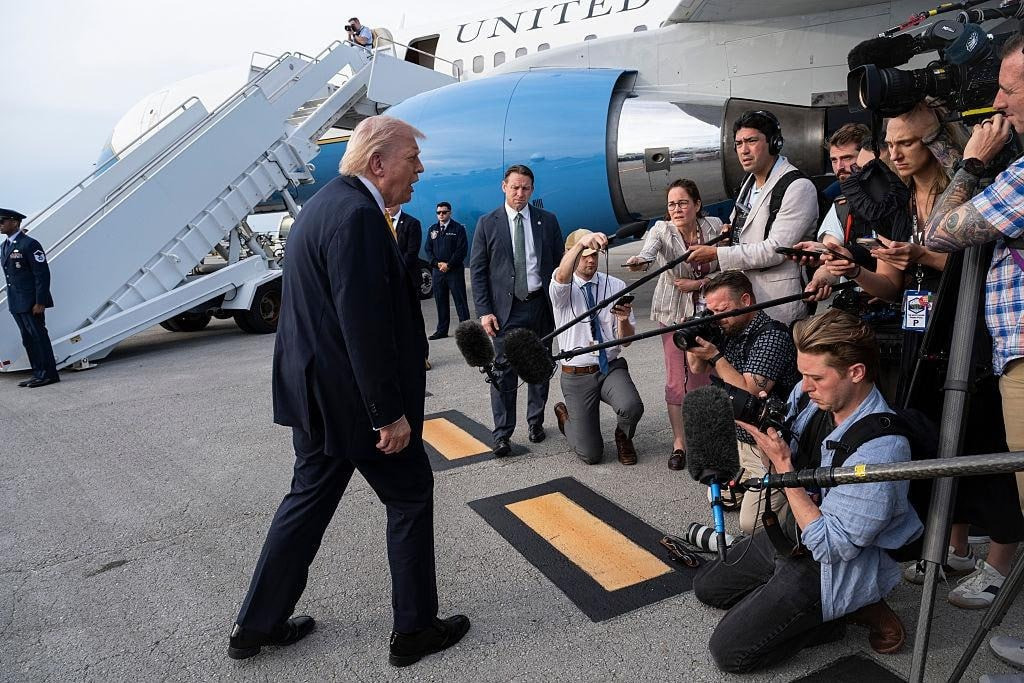
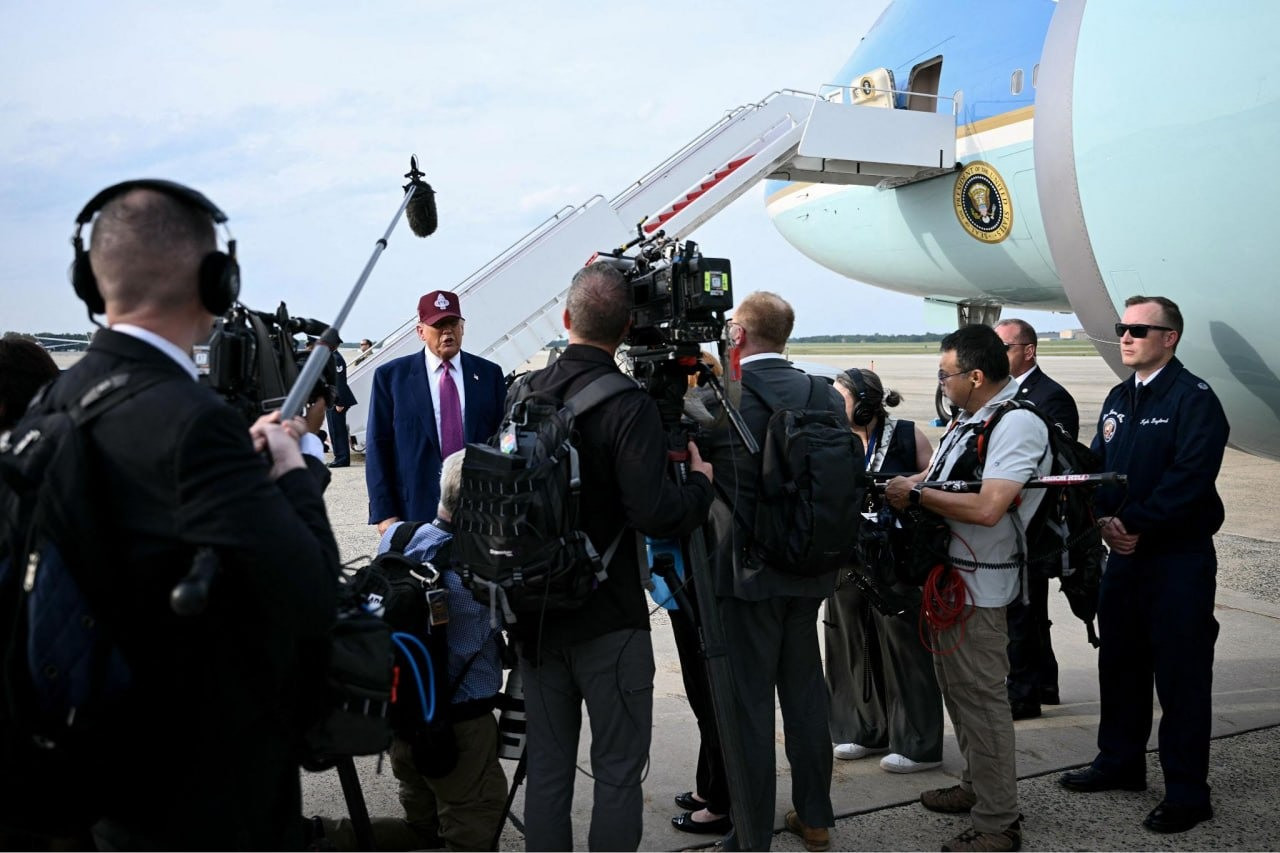
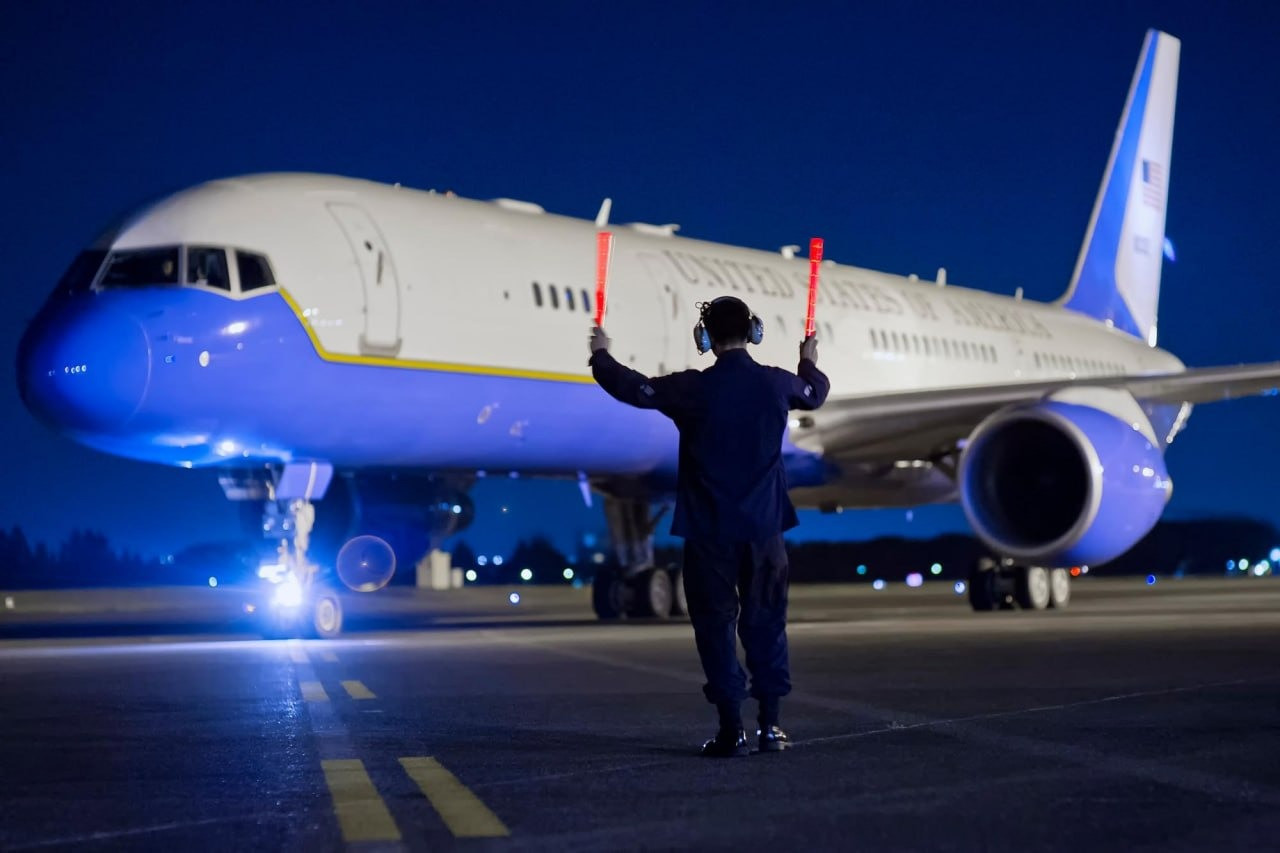
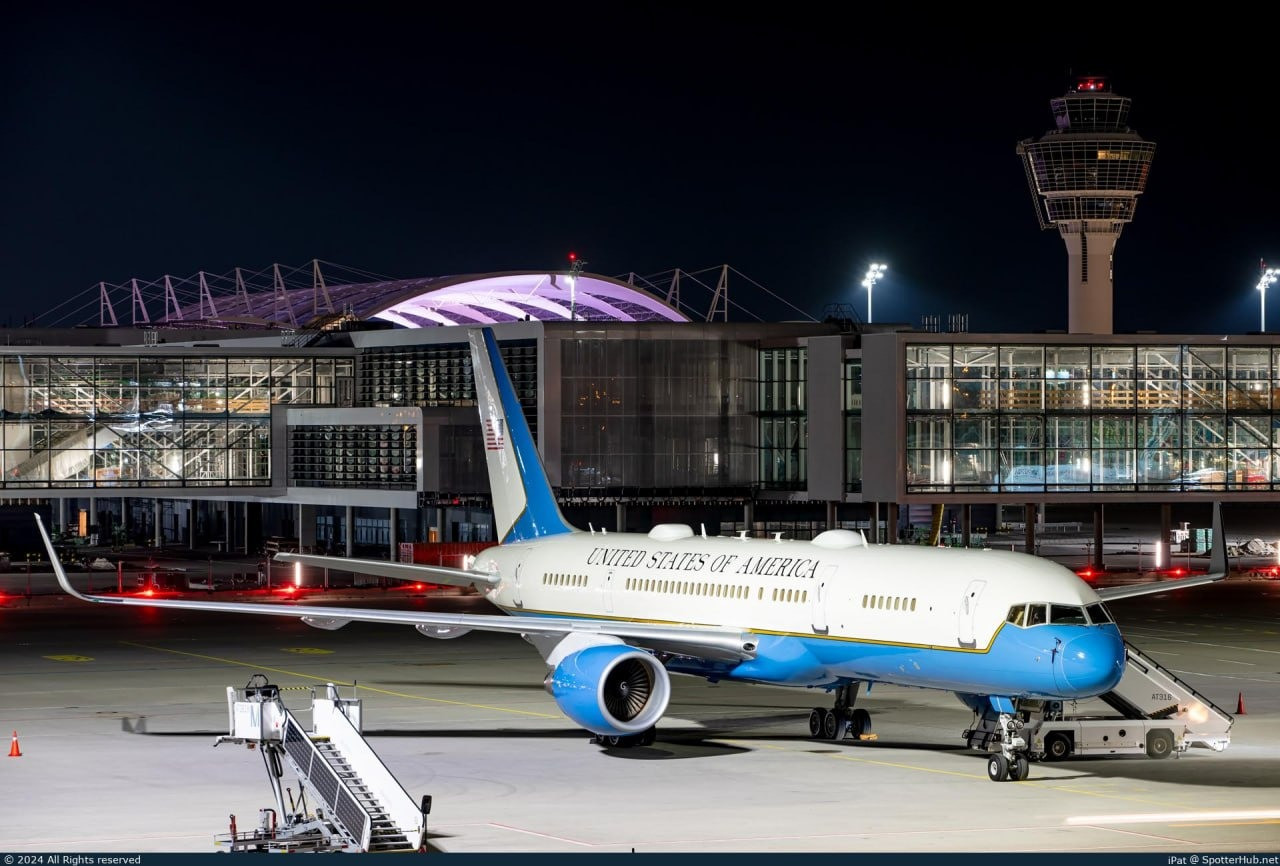
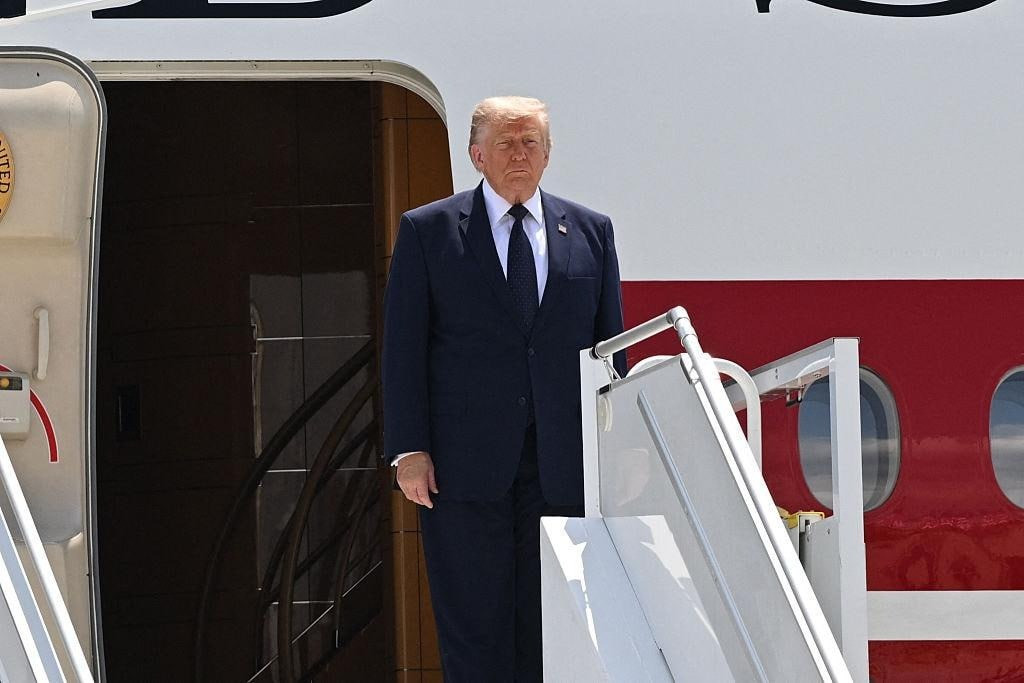
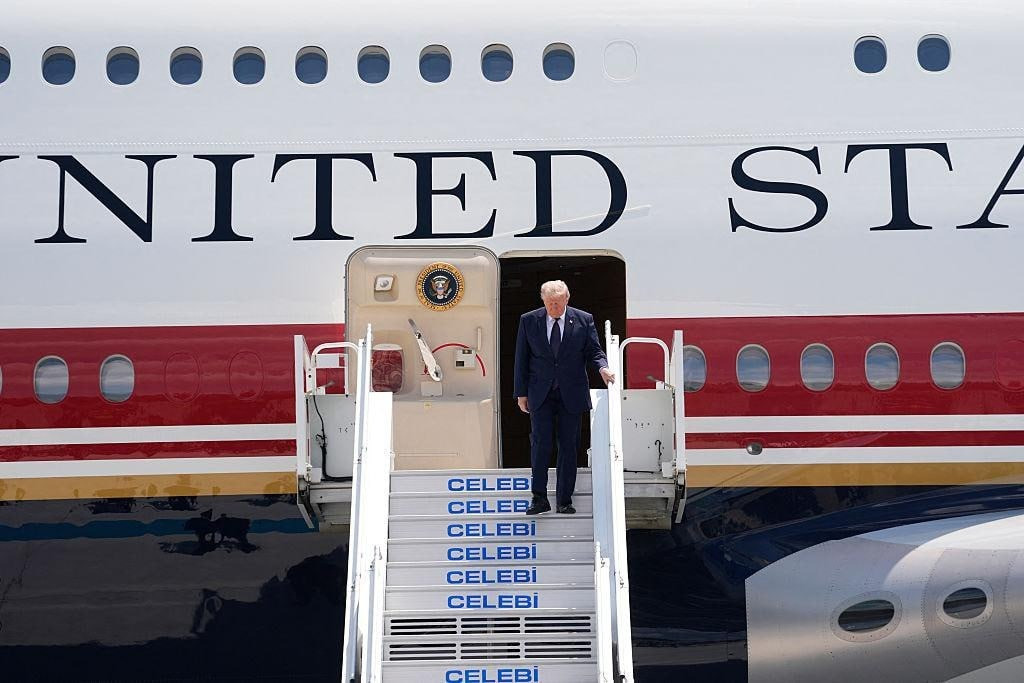
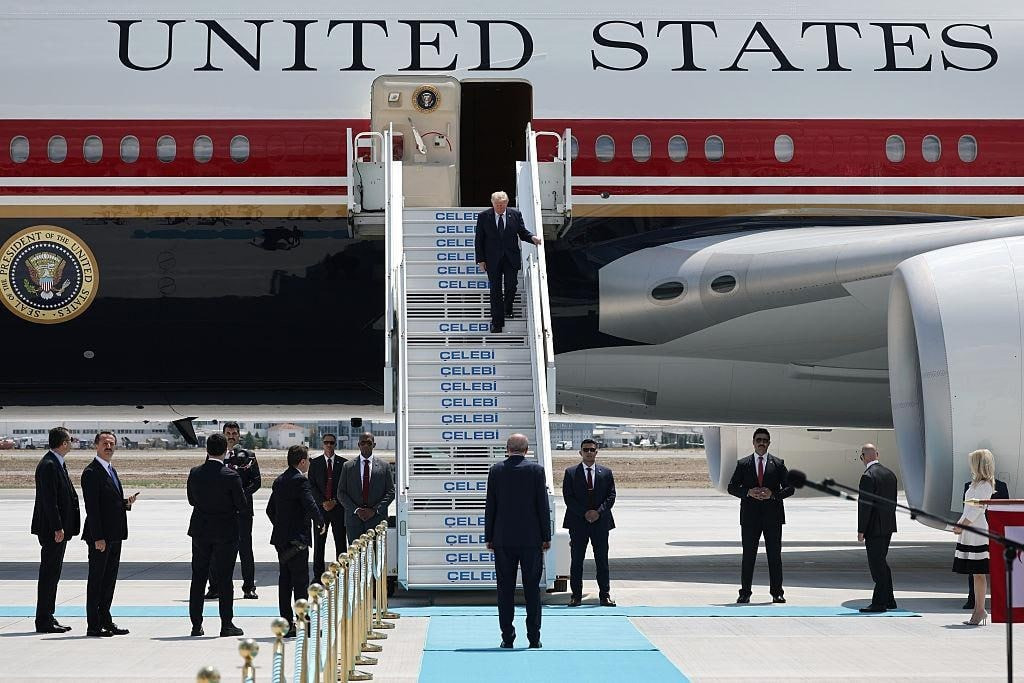
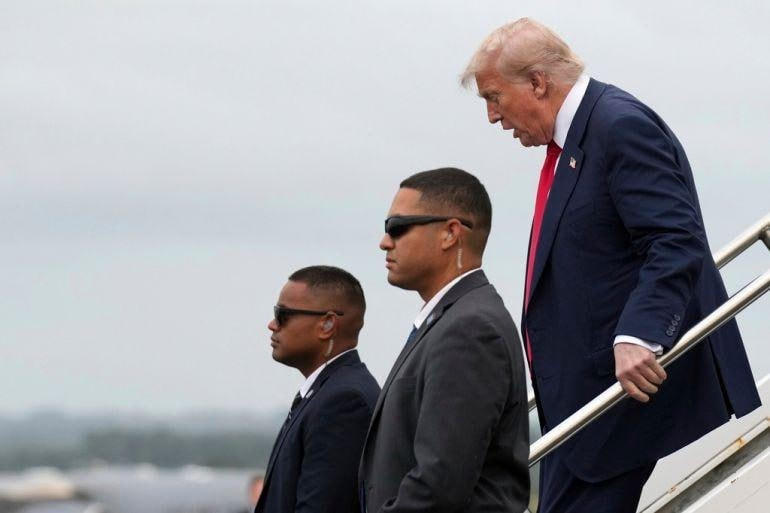
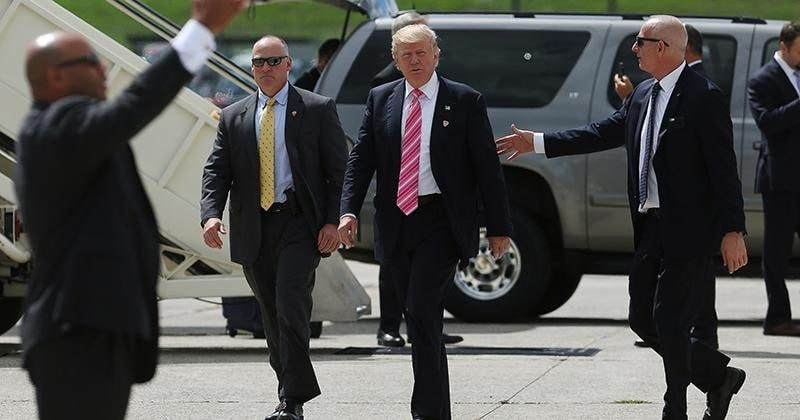
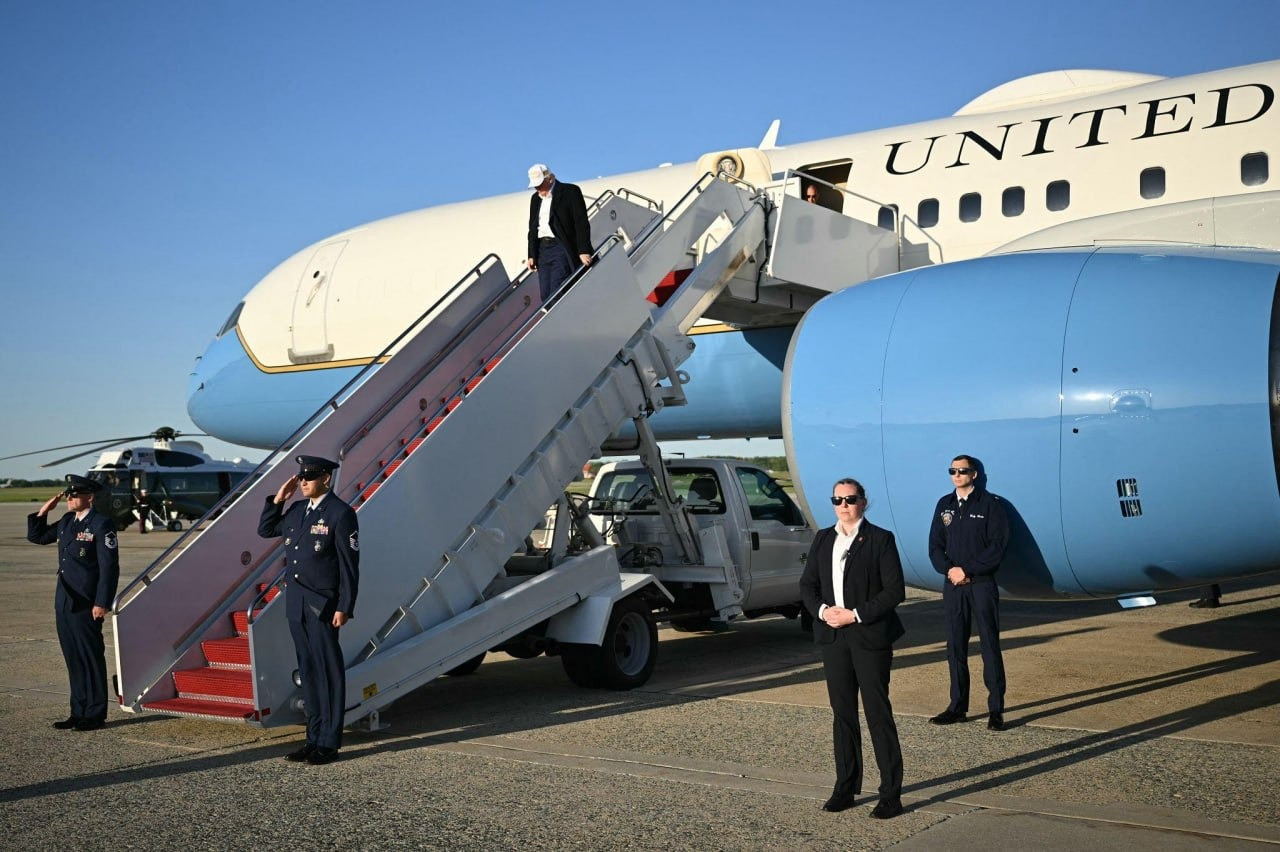
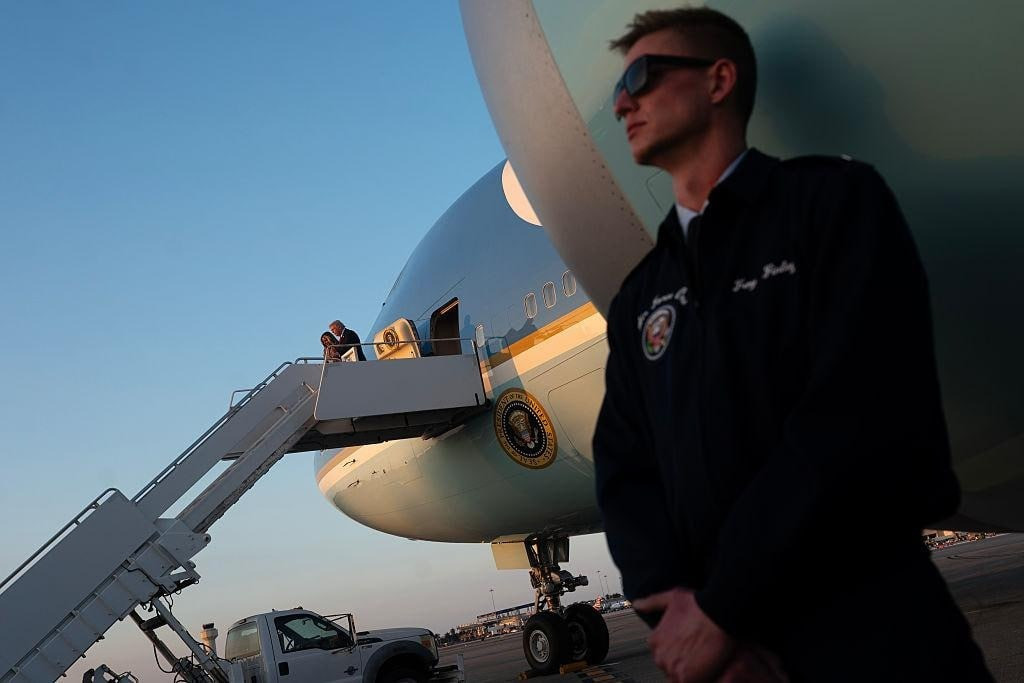
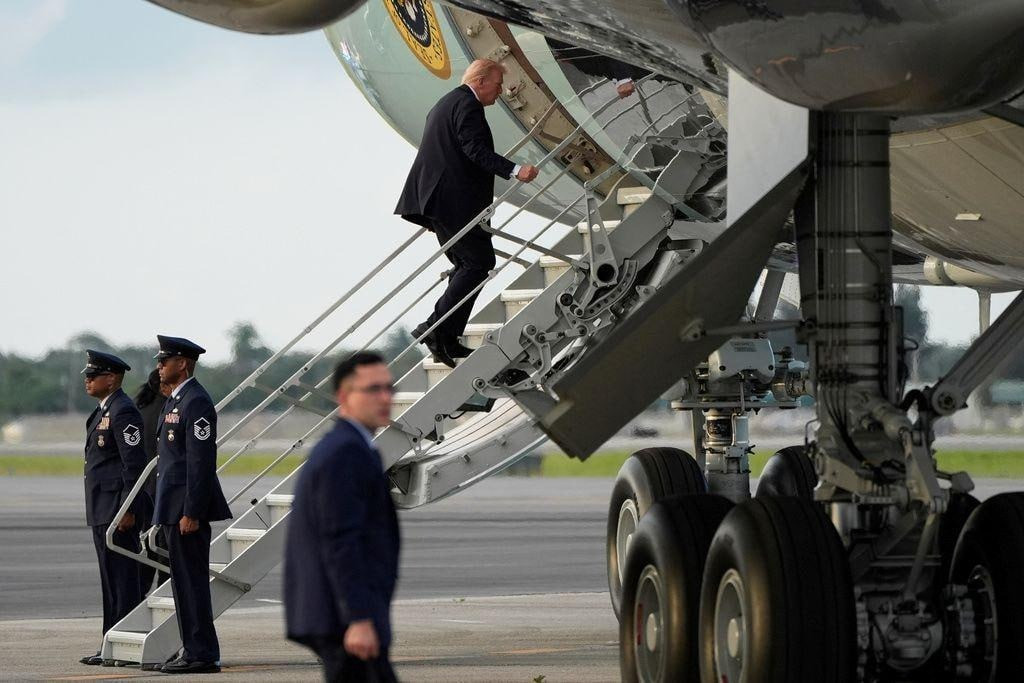
In front of the cameras, everything appeared routine. Trump walked up the stairs of Air Force One, waved to reporters and disappeared inside the aircraft that was expected to carry him out of Türkiye.
But what the cameras did not capture was a secret security operation unfolding on the other side of the plane.
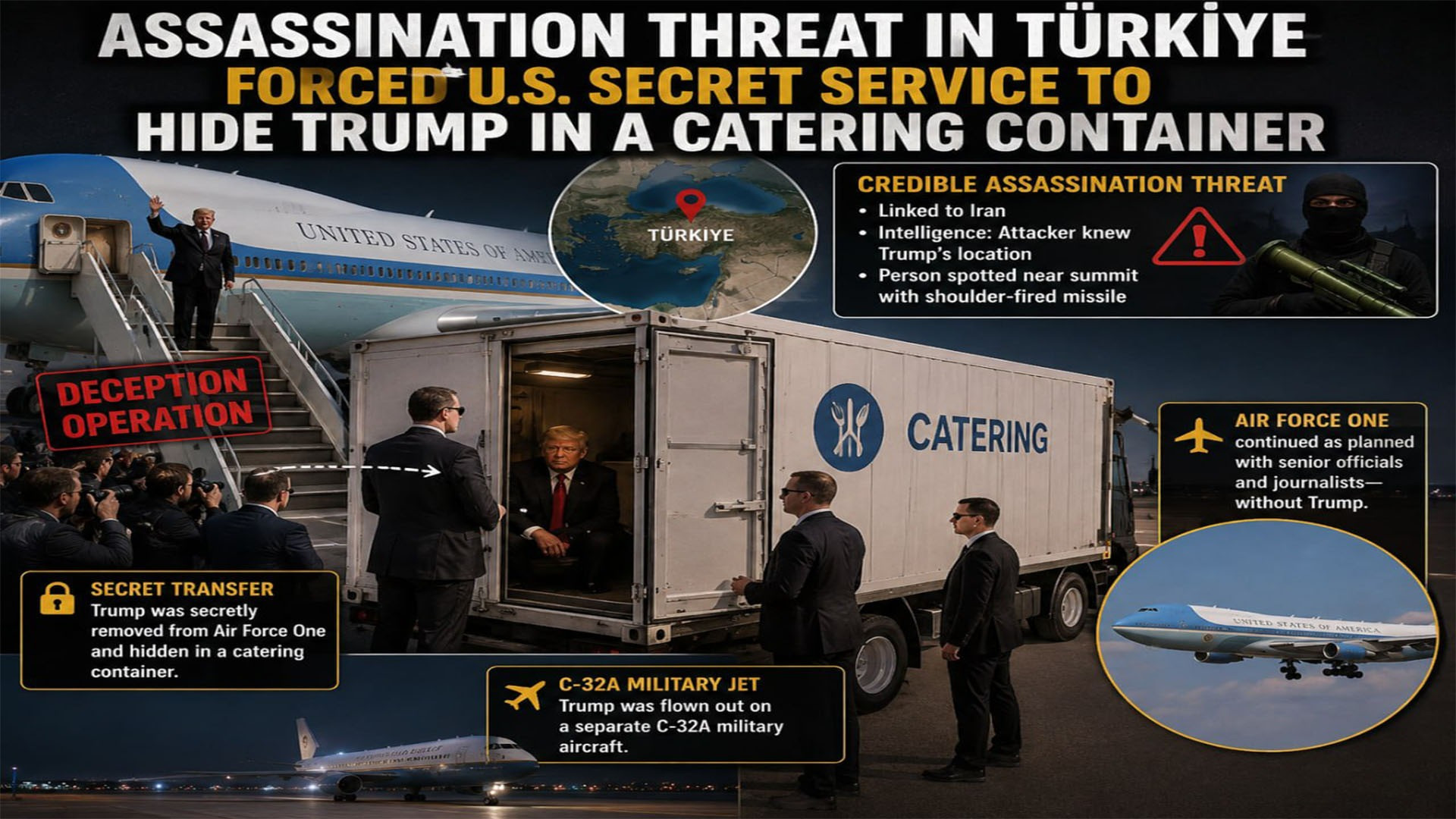
Trump was covertly removed from Air Force One, concealed inside an airport catering container, before being transferred to a military aircraft that secretly flew him out of Türkiye.
Meanwhile, Air Force One — which anyone watching from the outside could reasonably have assumed was carrying the U.S. president — departed as planned, with senior U.S. officials, White House staff and journalists still on board.
Why did the U.S. Secret Service and military resort to such an elaborate deception to get the president safely out of Türkiye?
The answer lies in a threat that U.S. officials considered credible and serious enough that they did not want anyone potentially tracking Trump to know which aircraft was actually carrying the president of the United States.
The central question, therefore, is this: What could have happened to compel the security apparatus of the world's leading military power to conceal its president in a catering container while allowing Air Force One to depart as a decoy?
The answer lies in intelligence that U.S. officials reportedly assessed as pointing to a credible Iranian threat. According to reports, information obtained by U.S. intelligence suggested that Iran may have had specific knowledge of Trump's location. Separately, a person in the vicinity of the NATO summit was reportedly spotted with a shoulder-fired missile.
The threat was considered serious enough for the Secret Service and U.S. military to separate Trump from a travel plan that could potentially be tracked and instead mount a deception operation designed to conceal his true location.
What happened in Türkiye, therefore, was not simply a case of an American president switching planes. It revealed the seriousness of a threat that prompted the presidential security apparatus to employ military-style deception: allowing anyone potentially hunting Trump to watch one aircraft while the real target was quietly leaving aboard another.
Intelligence That Upended a Routine Presidential Departure
The most important element of the story is not the catering vehicle itself. It is the intelligence that transformed such an ordinary piece of airport equipment into part of an operation to protect the president of the United States.
According to reports, U.S. officials received multiple streams of intelligence pointing to a credible threat against Trump. Among the most alarming pieces of information was a report that those potentially threatening the president knew his location with considerable specificity. There was also a report that a person near the NATO summit had been spotted with a shoulder-fired missile.
For the president's security detail, such intelligence meant that the predictability of Trump's movements had itself become a vulnerability.
If a potential attacker knew where the president was, when he would depart and which aircraft he would board, a routine presidential travel plan could no longer be considered as secure as before.
The solution adopted by the Secret Service and the U.S. military, therefore, was not simply to add more security around Air Force One. It was to separate what outsiders could see from what was actually happening.
Trump Boarded Air Force One — But It Was Part of the Deception
Trump had to be seen boarding Air Force One. But anyone who might have been tracking him could not be allowed to know how he would actually leave afterward or which aircraft would ultimately carry him.
That was the point at which intelligence transformed a routine presidential departure into a deception operation, with an unremarkable catering container becoming a crucial element of the plan.
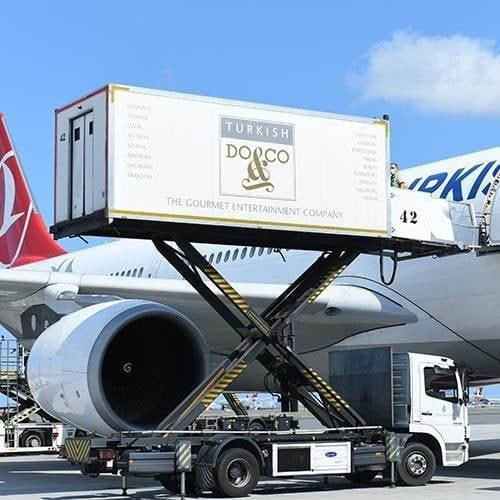
After disappearing from the cameras, Trump was secretly removed from the aircraft. A catering container — something that would ordinarily attract little attention on an airport tarmac — became the means of concealing one of the world's most heavily protected political leaders.
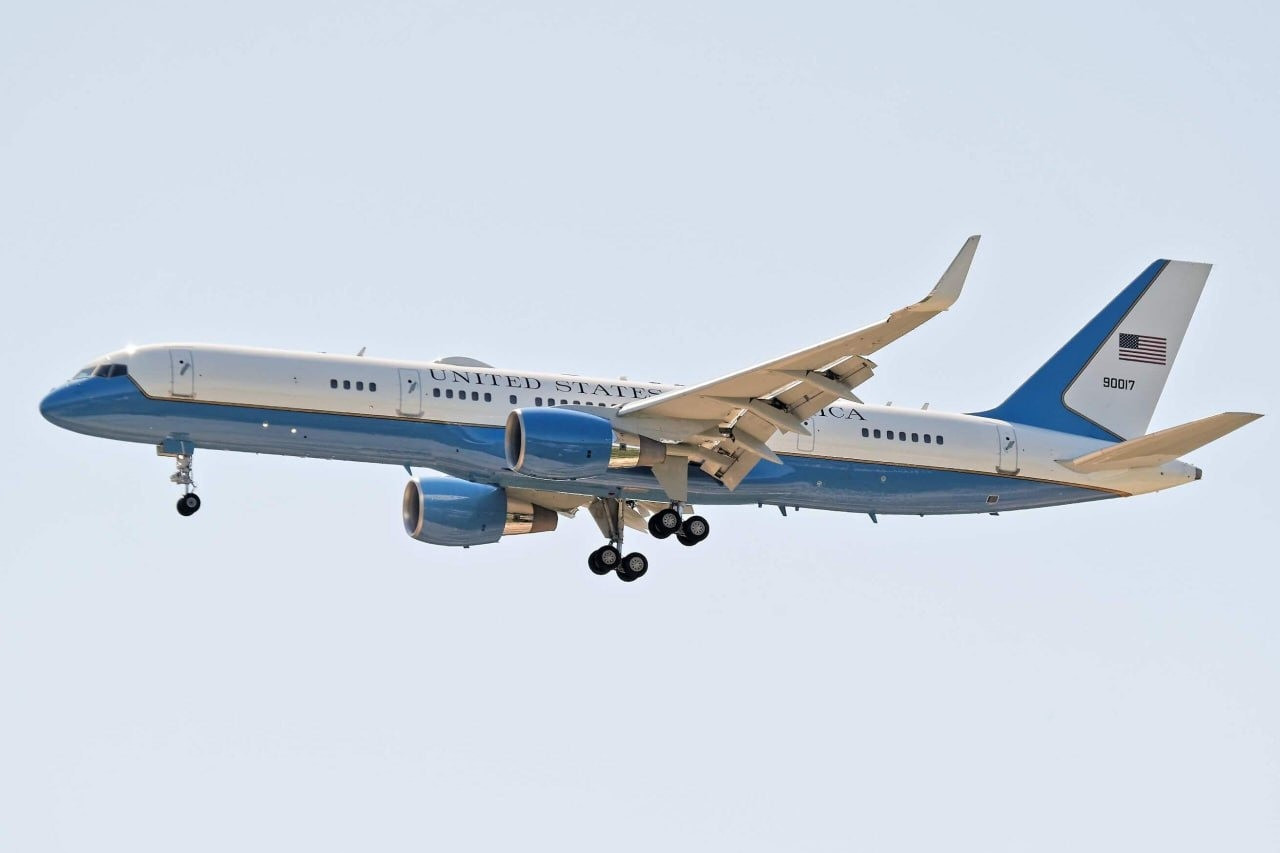
Trump was then transferred to a military C-32A aircraft, which secretly flew him to the United Kingdom.
The logic of the operation was simple but effective: keep anyone watching focused on one place while the real target quietly departed from another.
When Air Force One Became Part of the Decoy
What made the operation even more extraordinary was that after Trump had been secretly removed, Air Force One still departed Türkiye as planned.
Aboard the aircraft were Secretary of State Marco Rubio, Treasury Secretary Scott Bessent, White House staff, military personnel and numerous journalists.
But the one person outsiders might reasonably have assumed was aboard — the president of the United States — was not.
From the outside, everything still appeared to resemble a normal presidential departure: Trump had been seen boarding Air Force One in front of cameras, and the aircraft subsequently took off from Türkiye.
Behind that appearance, however, the real plan had already changed. Trump was traveling aboard a separate C-32A military aircraft. Air Force One had effectively become part of a deception designed to obscure the president's true location, while the aircraft actually carrying Trump sought to conceal its route and whereabouts.
That raises a sensitive security question: If the threat was serious enough for the Secret Service and U.S. military to decide that the president should not remain aboard Air Force One, what level of risk did that leave for the senior officials, staff and journalists who continued their journey aboard the aircraft?
Trump Says He Followed the Secret Service and Military
After details of the covert operation became public, Trump confirmed that the decision to switch aircraft in Türkiye was not his own, but was made on the advice of the U.S. Secret Service and military.
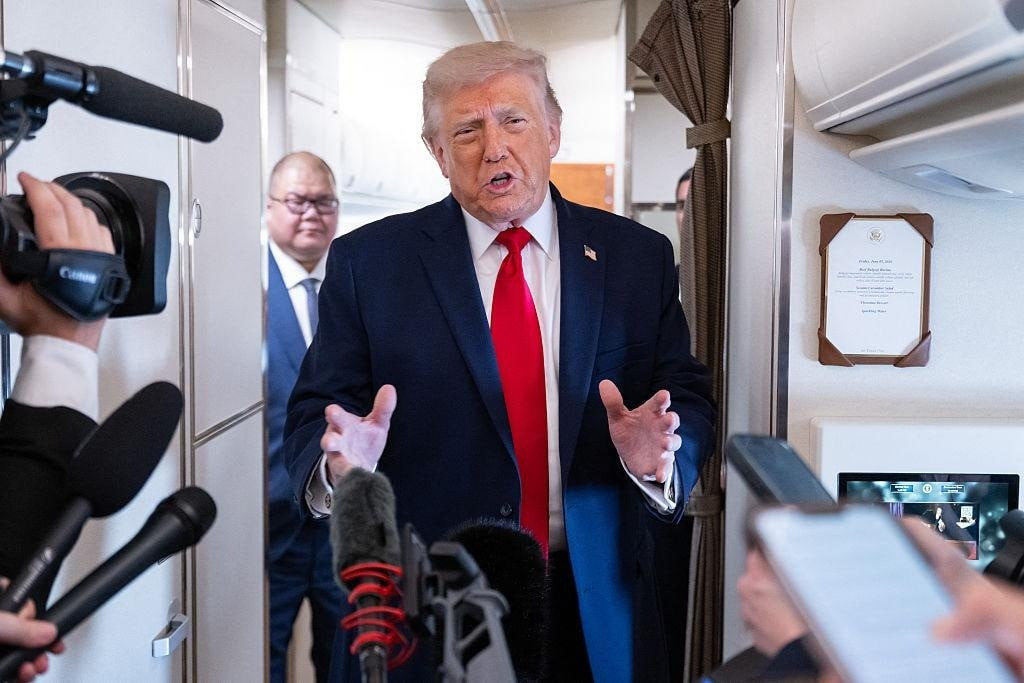
Trump said, in essence: “I just follow what they’d like to do. So I go by Secret Service and the military. They wanted me to go on a different flight, a different plane, for safety. They wanted me to do it, so I did what they said.”
Trump's confirmation is significant because it shows that the complicated change in his travel arrangements was not merely a routine presidential precaution, but a security measure that those responsible for protecting the president and the U.S. military had deemed necessary.
The New York Times and Wall Street Journal reported that Trump's aircraft switch was prompted by an Iranian plot to target him with a shoulder-fired missile as he departed the NATO summit.
Trump, however, said he had not asked for extensive details about the threat.
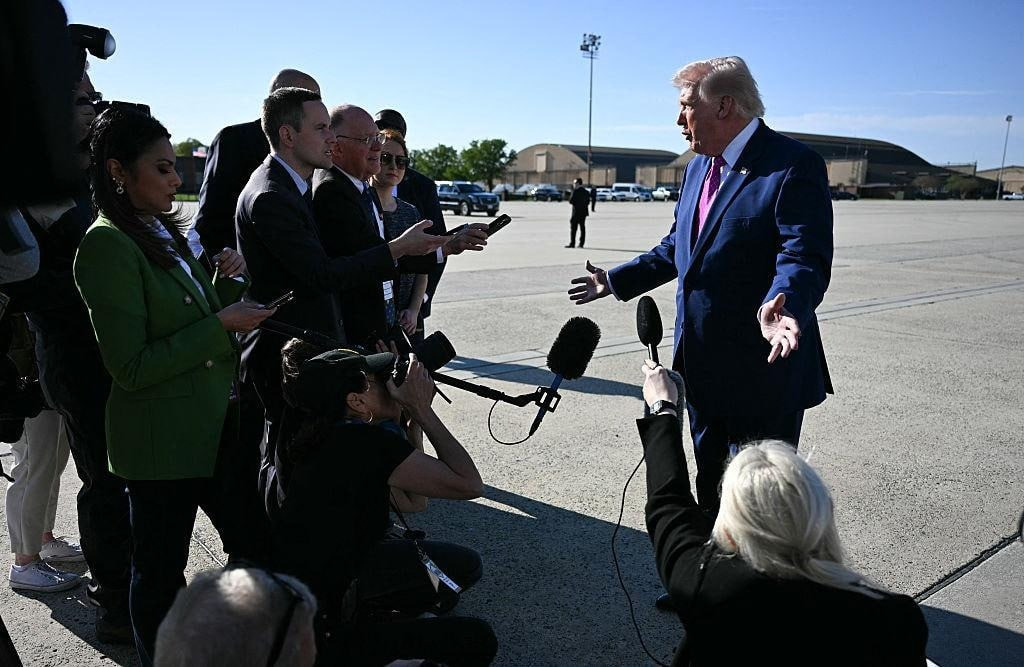
“I guess there was a threat out there,” he said, adding that he receives many threats.
Conclusion
The image of Donald Trump walking up the stairs of Air Force One in Türkiye was what the public was allowed to see. Behind that image, however, a security operation was underway to separate the president's true location from what outsiders believed they were watching.
Air Force One went one way. Trump went another. And an ordinary catering container became part of an extraordinary operation to protect the president of the United States.
That is what makes the catering container such a powerful symbol of this episode: it illustrates the level of danger U.S. officials believed their president could be facing.
In that sense, when confronting a threat deemed serious enough, the most effective way to protect the president of the world's leading power may not be to display that power for everyone to see. It may simply be to make sure no one knows where the president really is.