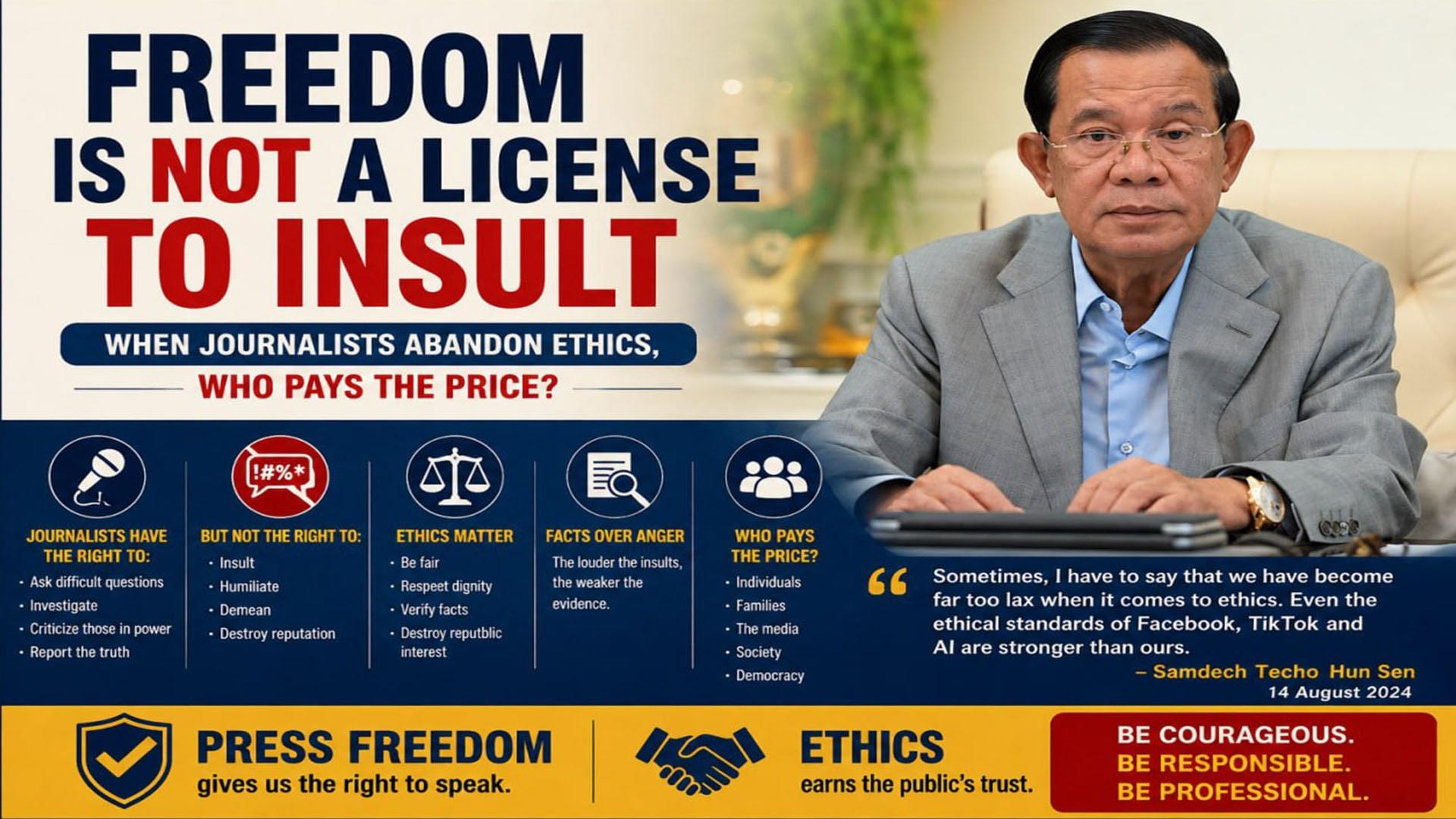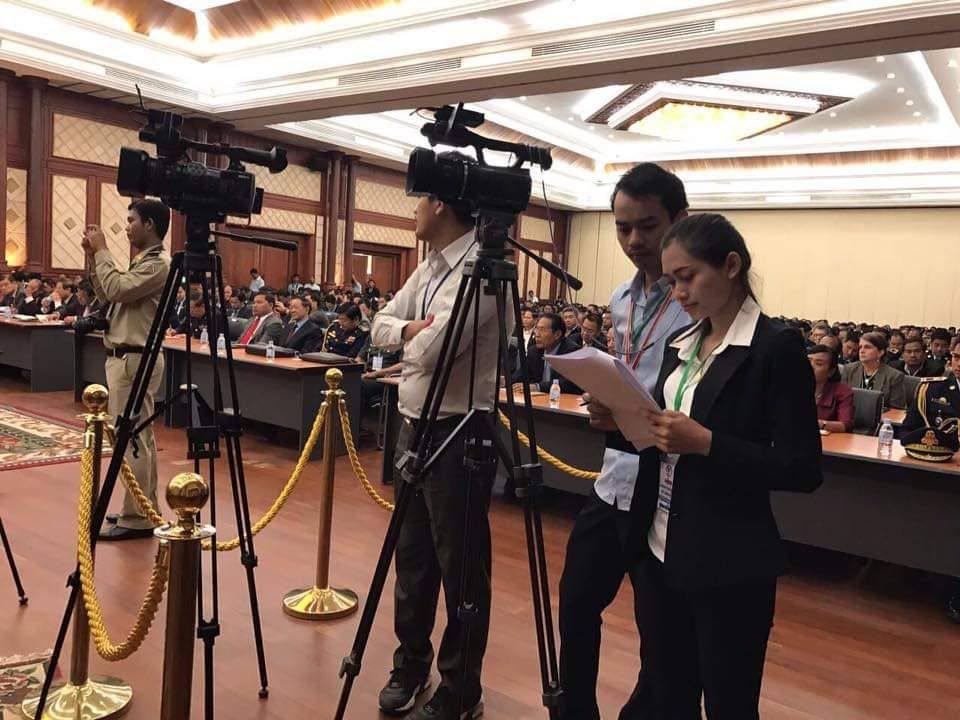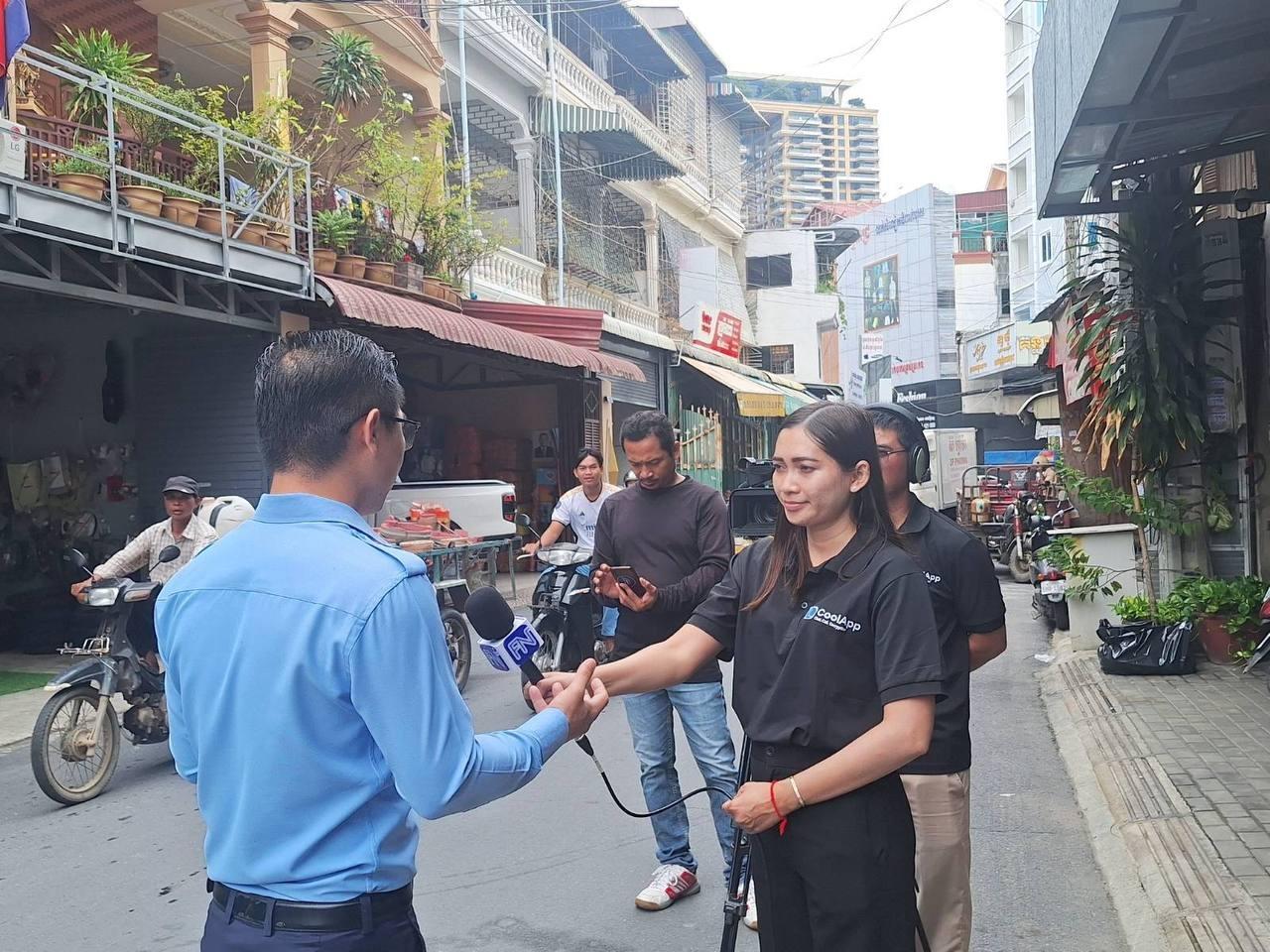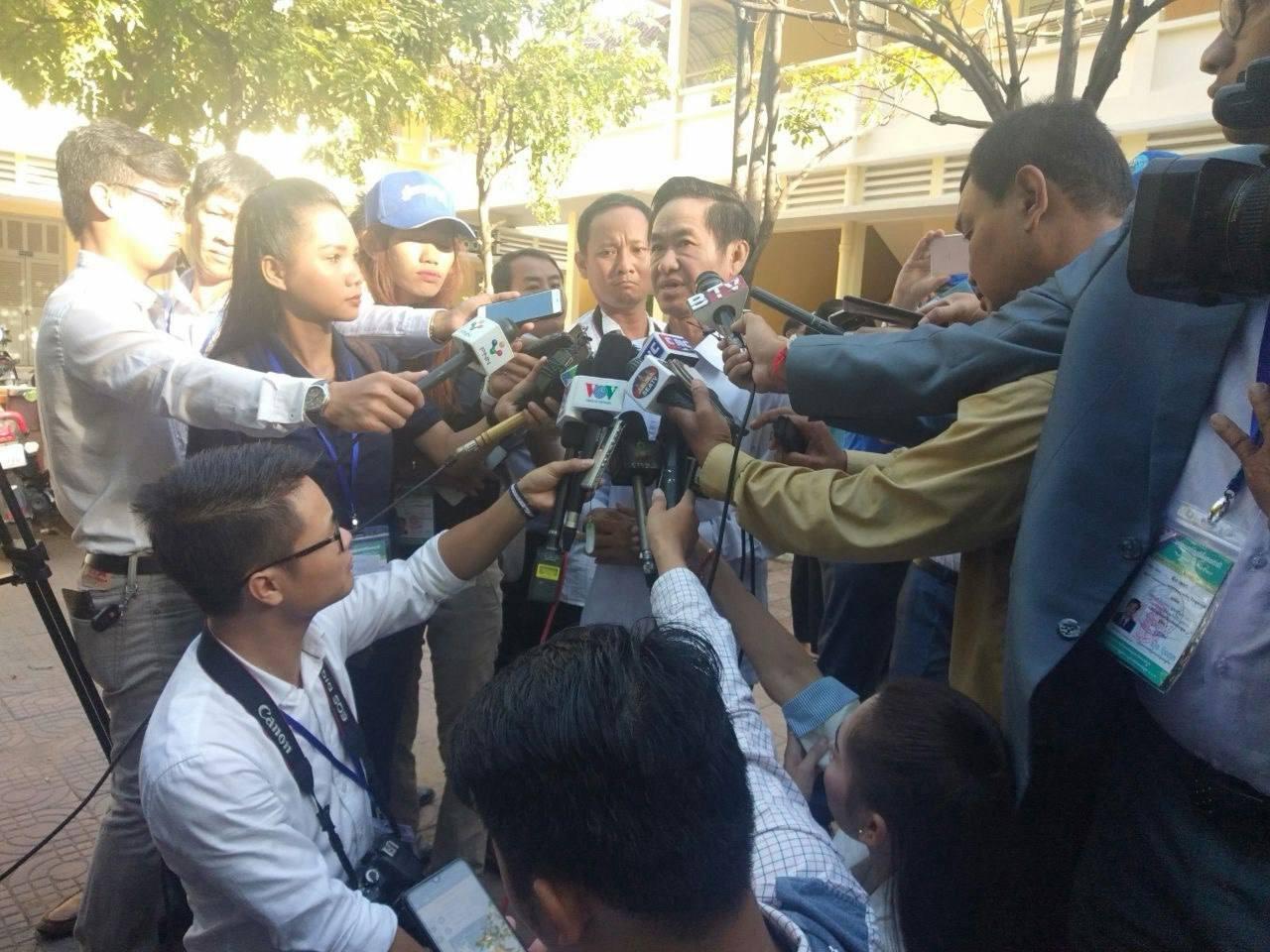

(Phnom Penh): Journalists have the right to ask difficult questions. They have the right to investigate, to scrutinize those in power, and to report truths the public has a legitimate interest in knowing.
But does press freedom give journalists the right to insult, humiliate, demean or publicly shame the people they report on? The answer is no.
That distinction marks an important boundary between press freedom and the misuse of journalism as a tool for personal attack.
In the age of social media, that boundary matters more than ever. A person holding a smartphone can livestream to tens of thousands of viewers. A private dispute between two spouses can become a nationwide conversation
within hours. A single insulting remark can be clipped into a short video and shared thousands of times.
The problem, therefore, is not technology itself. The deeper question is this: Does the person holding the microphone, camera or smartphone have the professional ethics required to use that power responsibly?
*Hun Sen's Message: Do Not Turn Private Disputes Into Public Battlegrounds
On August 14, Senate President Hun Sen raised concerns about ethical standards in media and public communication and called on the Ministry of Information to pay closer attention to the issue.
He said:
“Sometimes, I have to say that we have become far too lax when it comes to ethics. Even the ethical standards of Facebook, TikTok and AI are stronger than ours.”
Hun Sen also questioned why state institutions were unable to address the issue more effectively.
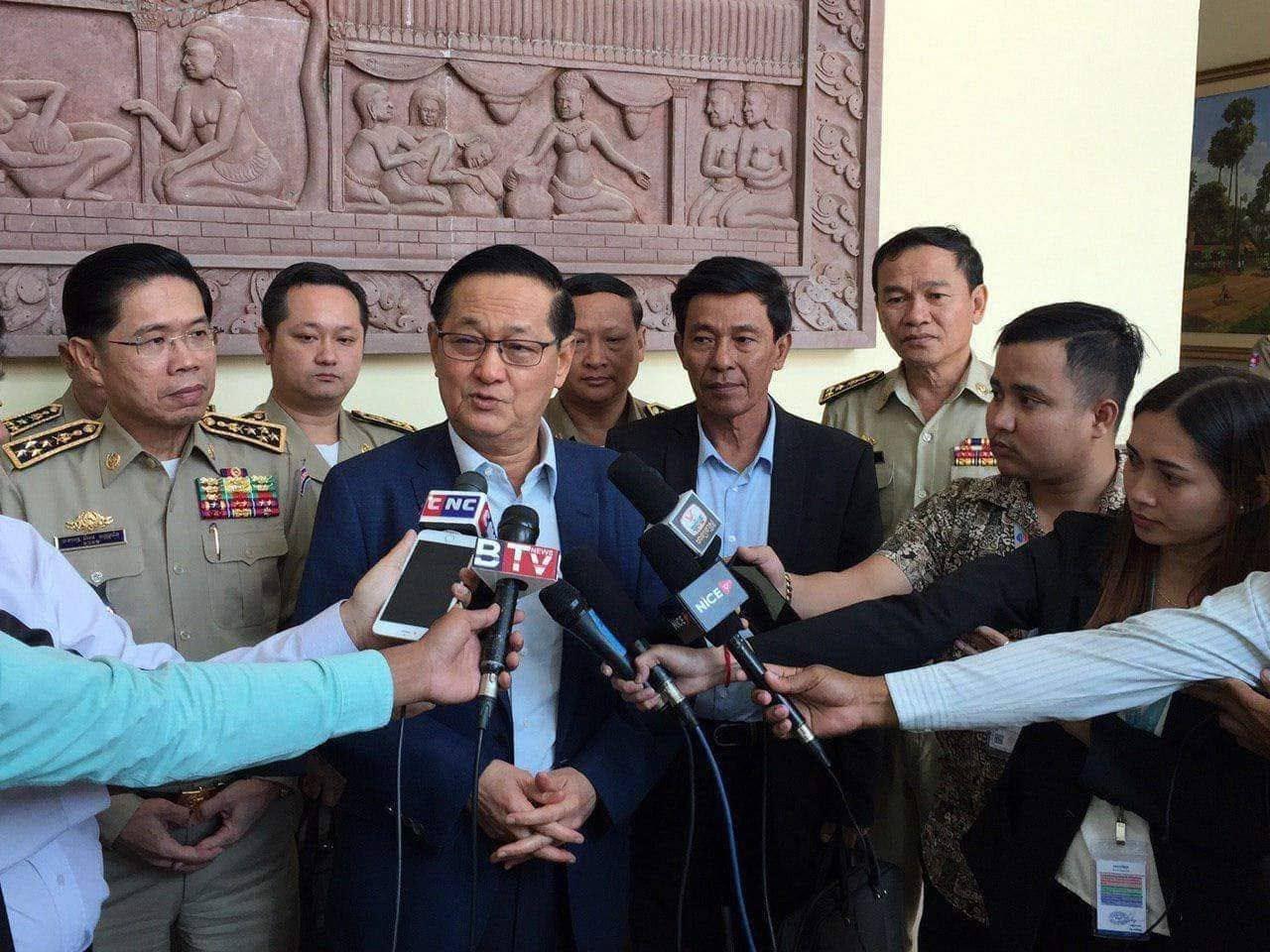
At the same time, he appealed to men and women whose romantic relationships or marriages have ended not to publicly shame one another on social media. He also cautioned journalists against using intrusive or provocative questioning to intensify private disputes and turn them into public scandals that could damage personal dignity and broader social values.
His remarks point to one of the most important distinctions in journalism ethics:
What the public is curious about is not necessarily what is in the public interest.
People may be curious about someone's romantic life, marital disputes or the reasons behind a breakup. But public curiosity is not the same as public interest. Professional journalists must understand the difference.
If intrusive questioning does not expose wrongdoing, protect a victim, reveal unlawful conduct or illuminate an issue of genuine public importance — but instead merely encourages one party to disclose humiliating details about
another for the purpose of attracting views — journalists should ask themselves a fundamental question:
Are we practicing journalism to serve the public, or are we turning another person's humiliation into a commodity in exchange for views?
*Journalists Are Not Professional Insulters
Insulting language does not only harm the dignity and reputation of the person being targeted. It can also undermine the credibility and professionalism of the journalist using it.
More importantly, when journalists substitute insults for evidence, they weaken the journalism itself.
When a journalist resorts to abusive, humiliating or demeaning language, audiences may begin to wonder whether they are hearing facts supported by evidence or simply the anger and personal emotions of the speaker.
At that point, journalists risk losing what may be described as professional distance — the necessary separation between their personal emotions and the facts they are responsible for reporting.
Professional distance does not mean that journalists must be emotionless. It means that personal anger, sympathy, dislike or loyalty should not determine how facts are gathered, verified and presented.
Once that distance disappears, journalists may cease to function primarily as independent seekers and verifiers of facts and instead risk becoming participants in the conflict they are covering.
This is why professional journalism requires criticism to be grounded in facts, evidence and reason, and to be expressed with appropriate dignity.
Journalists have every right to criticize forcefully. But forceful criticism does not require abusive language.
That is an important professional boundary: criticize conduct, establish the facts and demand accountability — but do not use insults to attack a person's inherent dignity.
Put simply: The louder a journalist's insults become, the louder the anger may sound — but the weaker the evidence may be heard.
*Press Freedom Is Not a License to Destroy Reputation
Calling on journalists to respect professional ethics should not automatically be interpreted as a rejection or restriction of press freedom.
On the contrary, freedom and responsibility must operate together.
Journalists need freedom to investigate, ask difficult questions, scrutinize institutions, challenge official claims and criticize those in power. But that freedom should be exercised with responsibility toward accuracy, fairness, privacy and human dignity.
Cambodia's Press Law, including principles set out in Article 7, addresses professional standards such as respect for truth, fair comment and criticism, and respect for privacy. It also addresses professional misconduct involving defamation, unjustified suspicion and unfounded humiliation or contempt.
The broader principle is clear: press freedom and journalistic ethics should not be treated as opposing forces.
Freedom protects the journalist's ability to pursue and report the truth. Ethics help ensure that the considerable power of publication is exercised responsibly.
A democratic society needs both: a press free enough to report uncomfortable truths and journalists ethical enough not to misuse that freedom to violate the rights and dignity of others.
Put another way: Freedom gives journalists the right to speak. Ethics guide them in exercising that power responsibly.
Conclusion: Journalists Carry Microphones, Not Swords
Journalists must be courageous. They must be willing to ask difficult questions, investigate wrongdoing, challenge those in authority and report the truth — even when that truth makes powerful people uncomfortable.
But journalistic courage should never be measured by how aggressively a journalist can insult or humiliate someone.
It should be measured by how rigorously journalists can uncover and present the truth while maintaining fairness, human dignity and professional ethics.
Professional journalists do not need insults to give truth weight.
If your evidence is strong, let the evidence speak.
If your criticism is justified, let reason speak.
And if you call yourself a journalist, do not let anger speak in place of your profession.
Ultimately, press freedom gives journalists the ability to speak, but professional ethics are what help society trust what journalists say.
Seen in this context, Hun Sen's call for journalists, social media users and the wider public to respect ethical standards, refrain from publicly shaming one another, and avoid turning private conflicts into public spectacles carries a broader message for the digital age.
Technology has dramatically expanded the ability of ordinary people to publish, broadcast and influence public discussion. That power makes ethical judgment more important, not less.
Technology can put a microphone in everyone's hands. Ethics determine how responsibly that microphone is used.