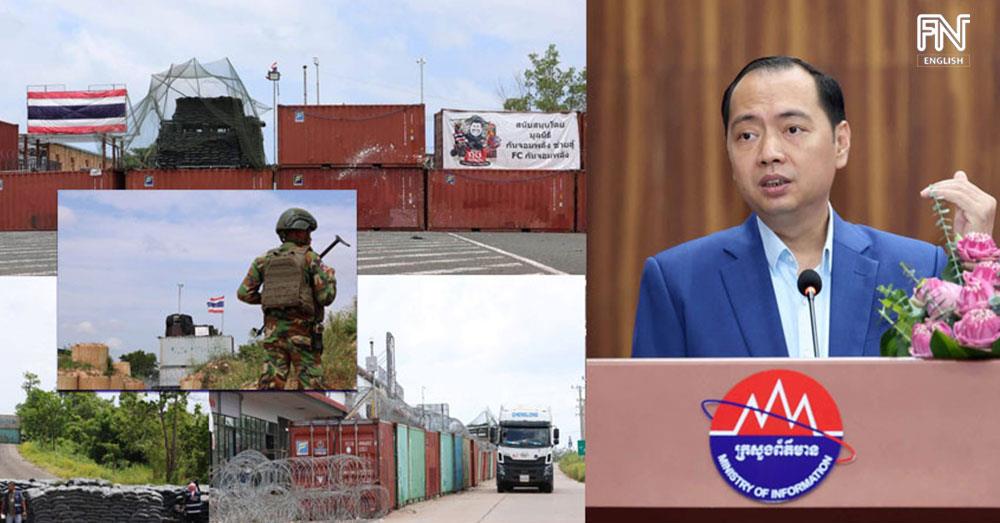

(Phnom Penh): Cambodian Minister of Information Neth Pheaktra underscored that military occupation or effective control achieved through force cannot create lawful sovereignty or territorial rights, stressing that border disputes must be resolved through international law and peaceful mechanisms rather than faits accomplis on the ground.
In a social media post titled "Occupation by Force Does Not Create Lawful Sovereignty: International Law and the Thai Military's Incursion into Cambodian Territory," Neth Pheaktra drew a distinction between physical control of territory and lawful sovereignty.
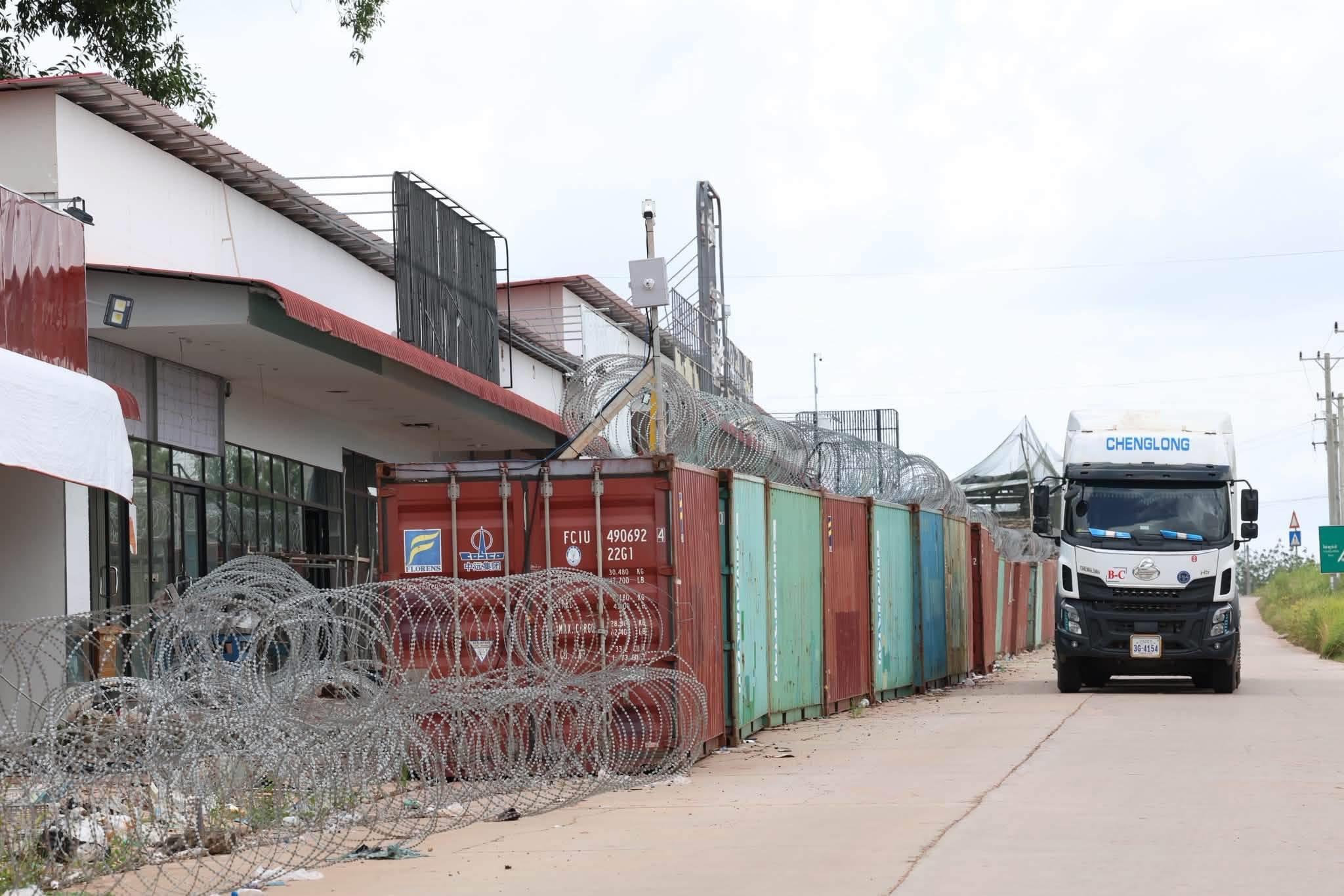
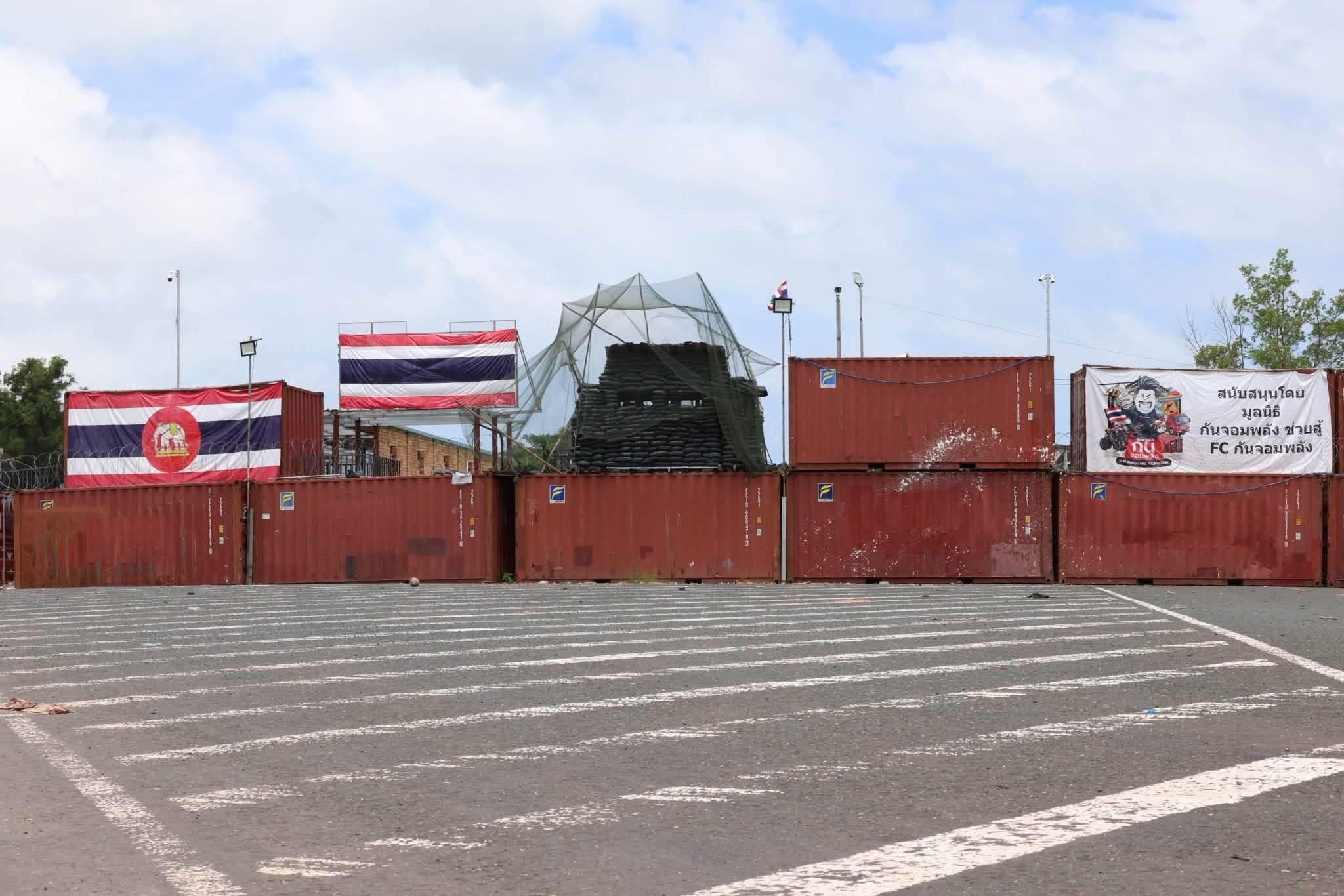
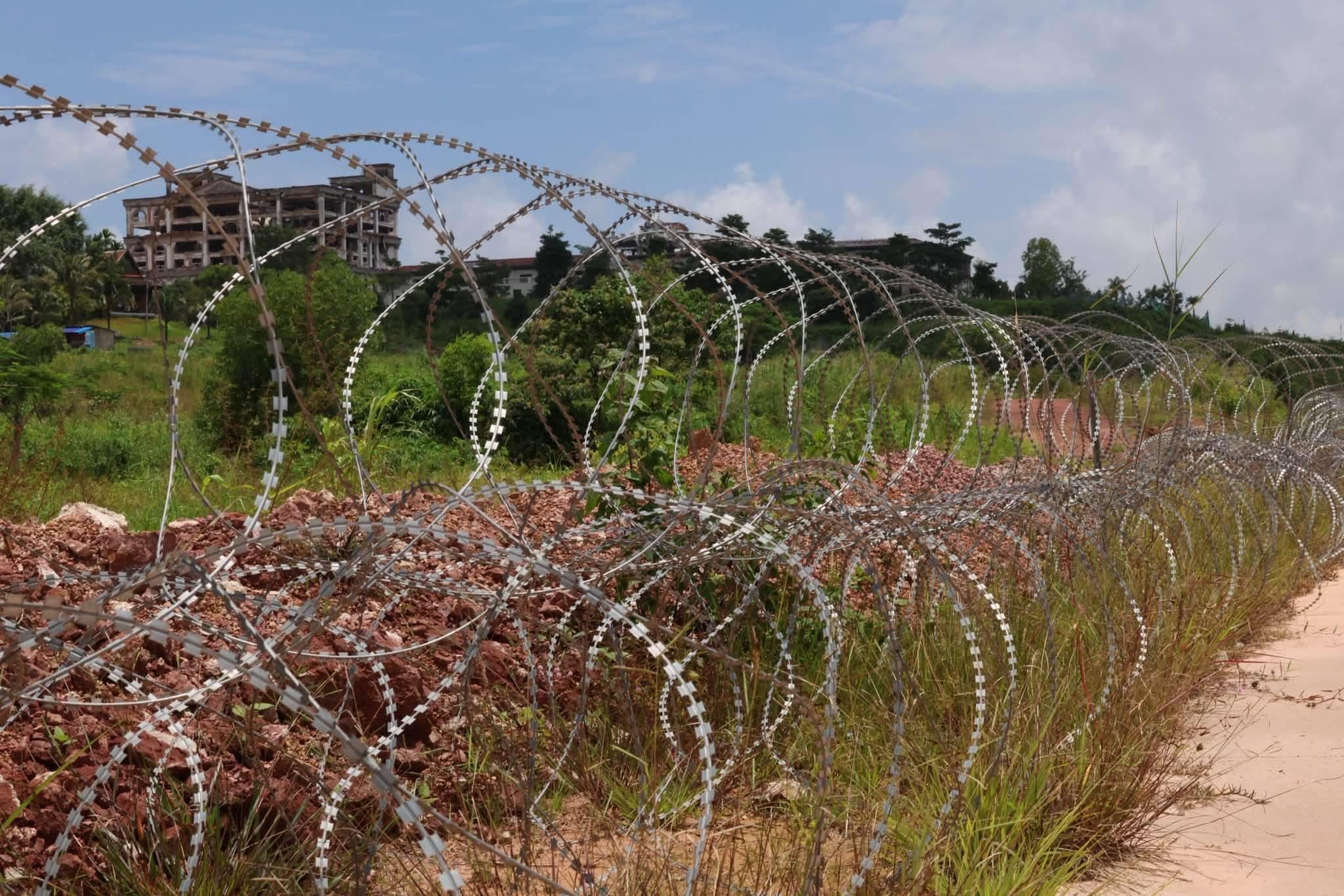
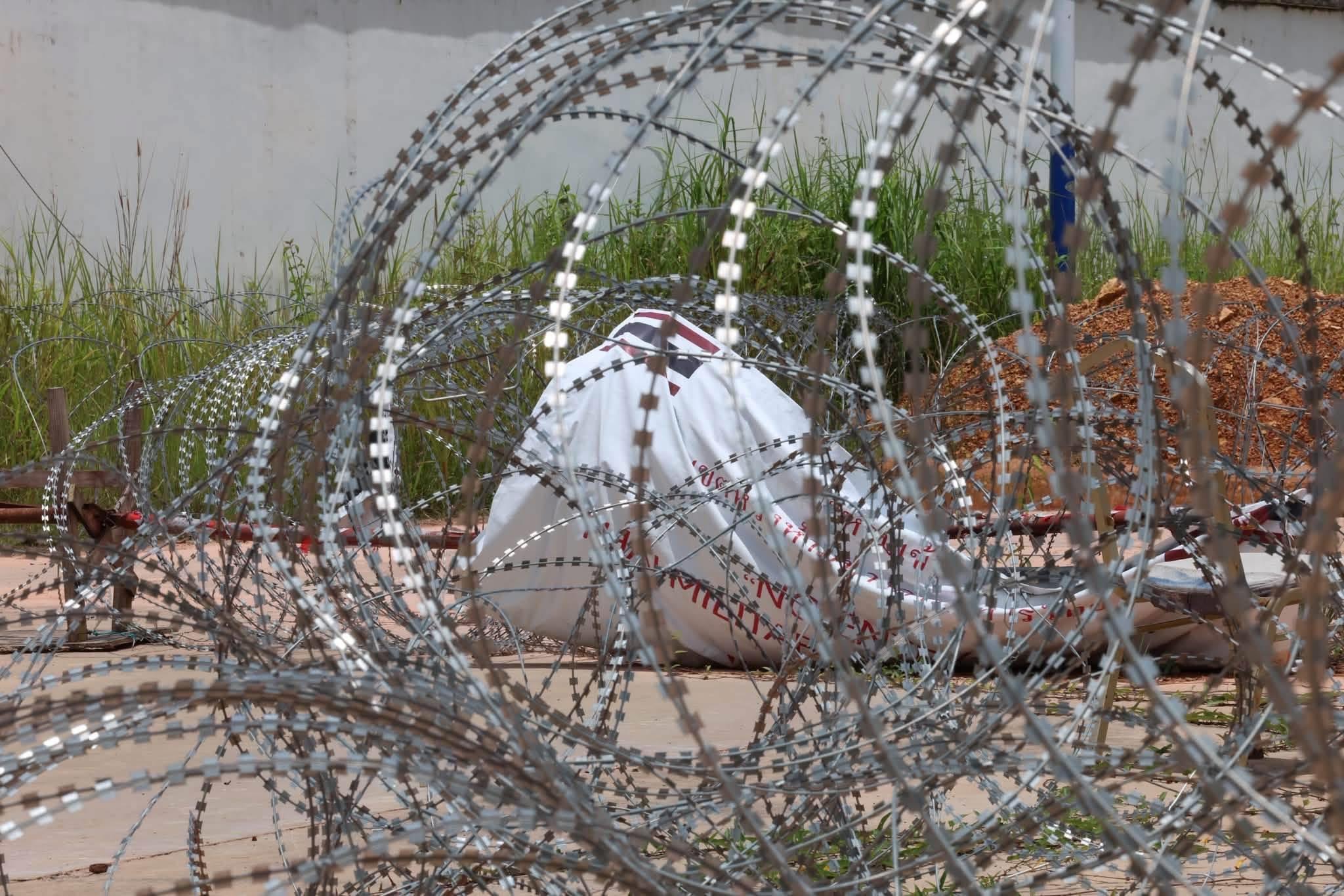
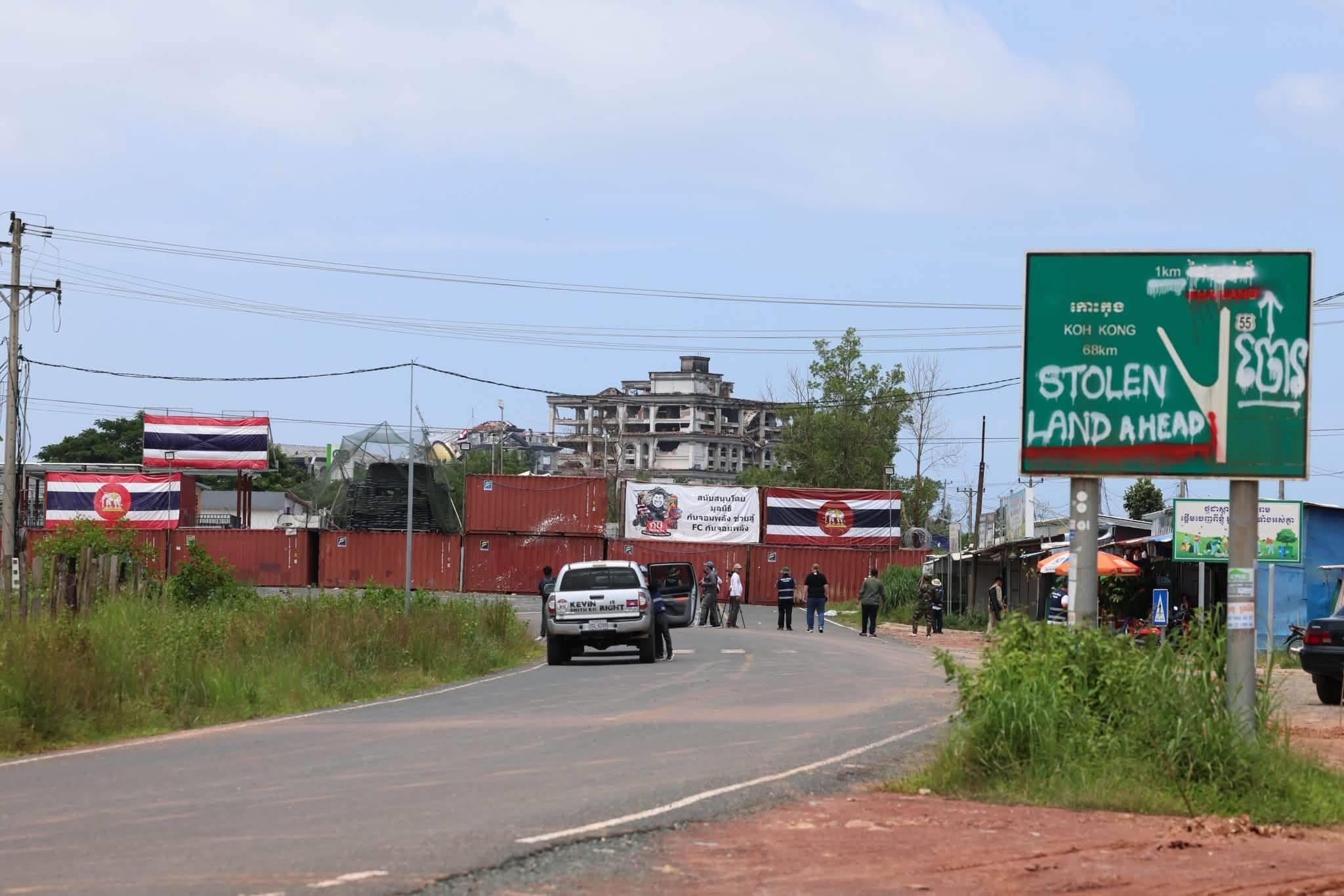
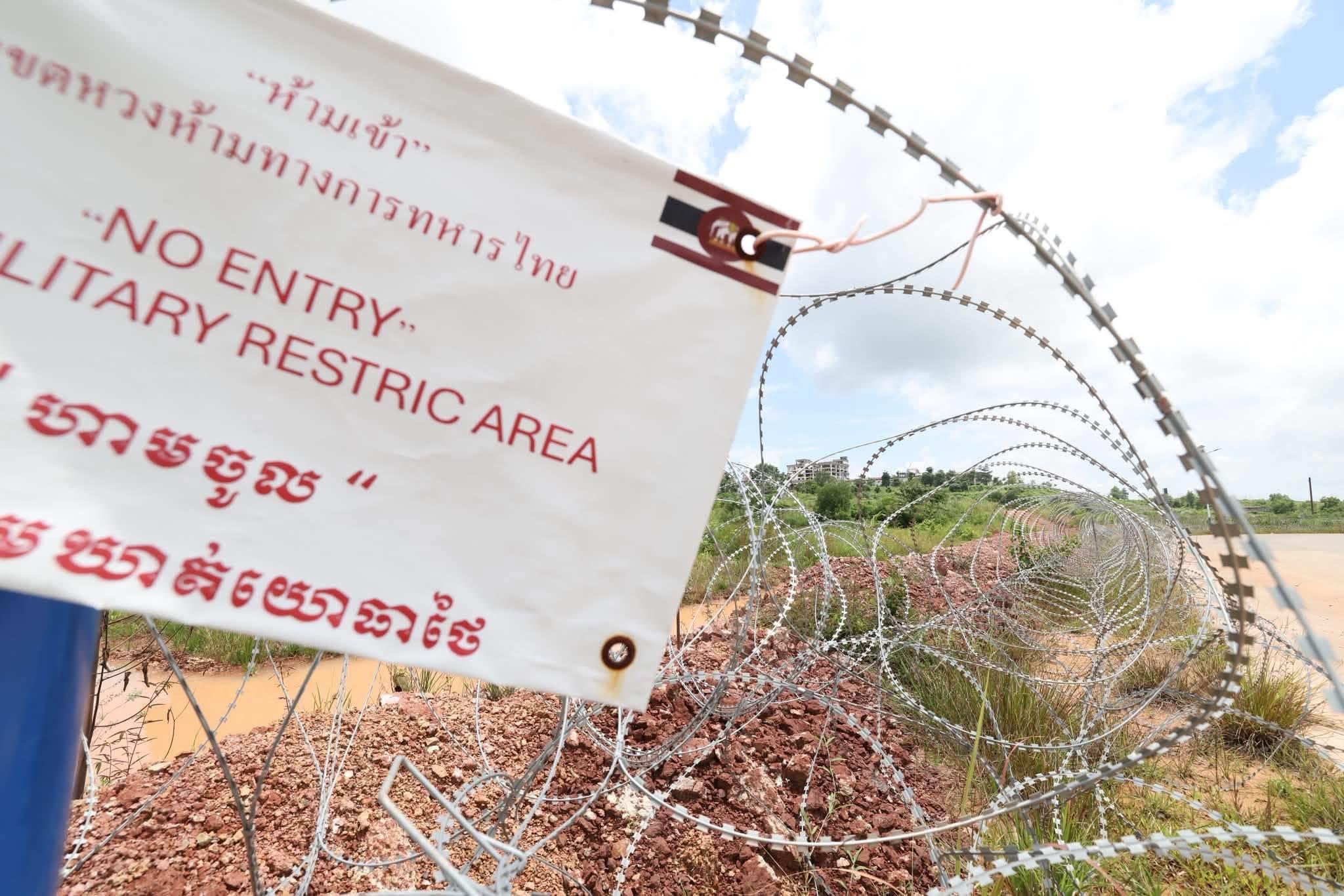
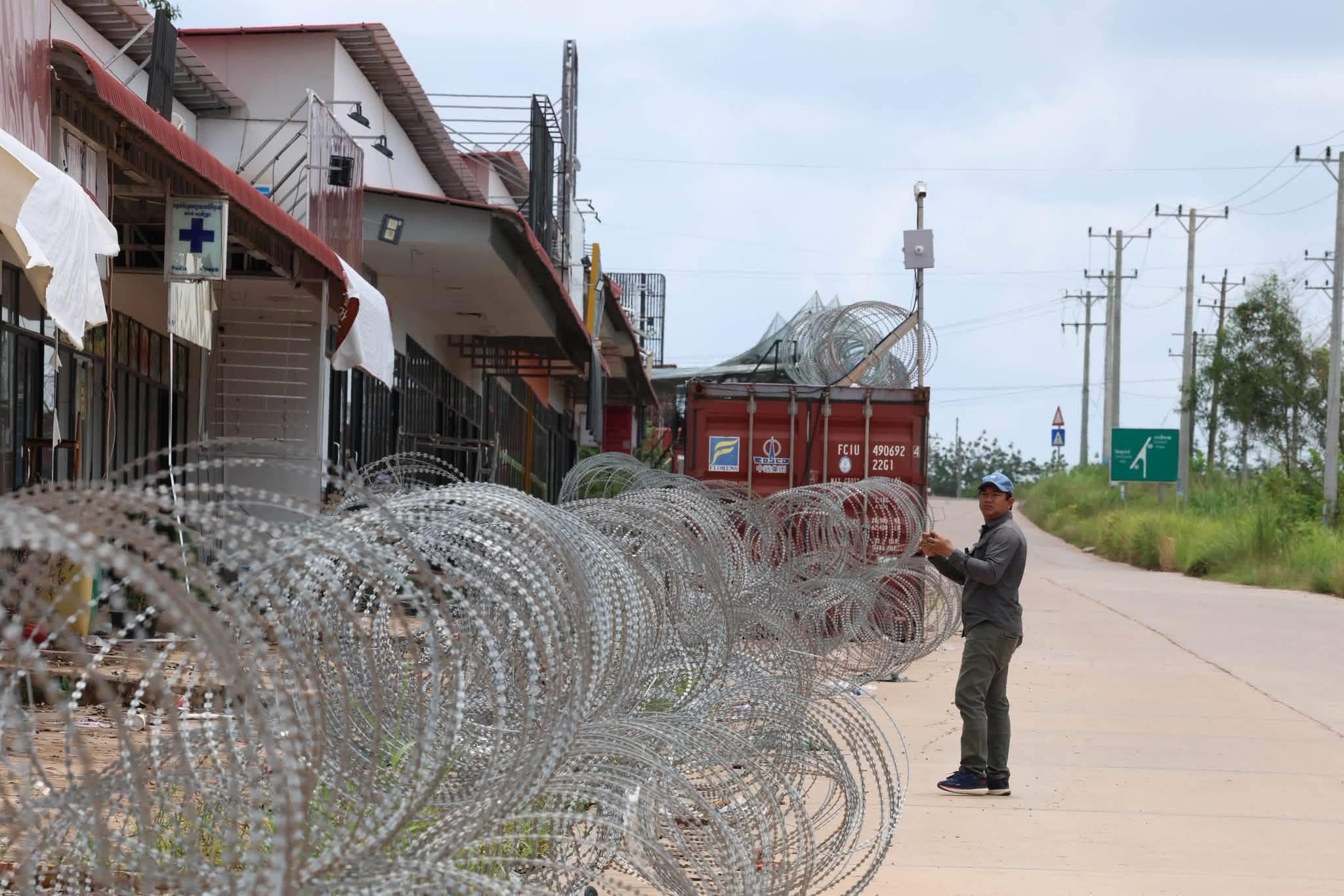
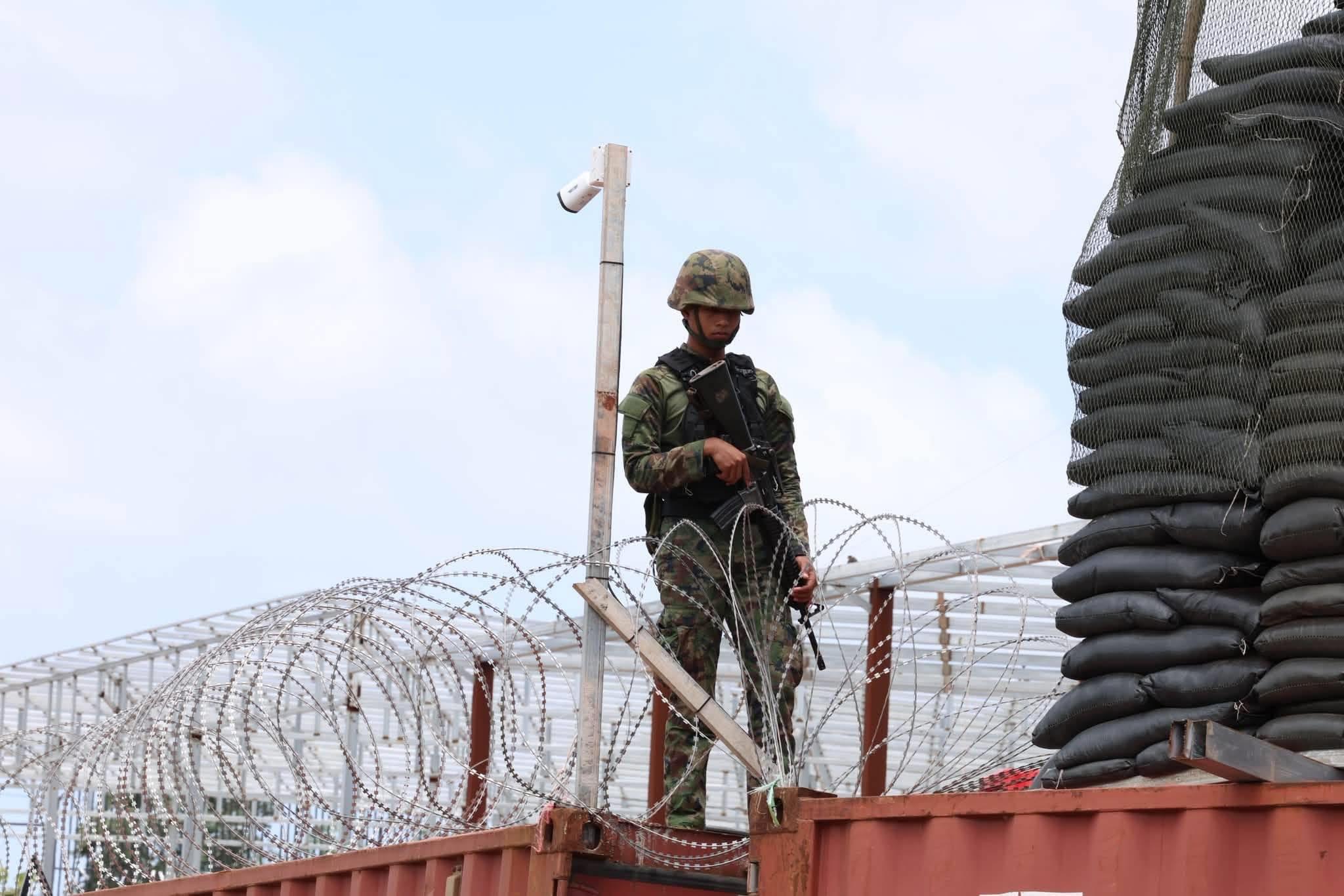
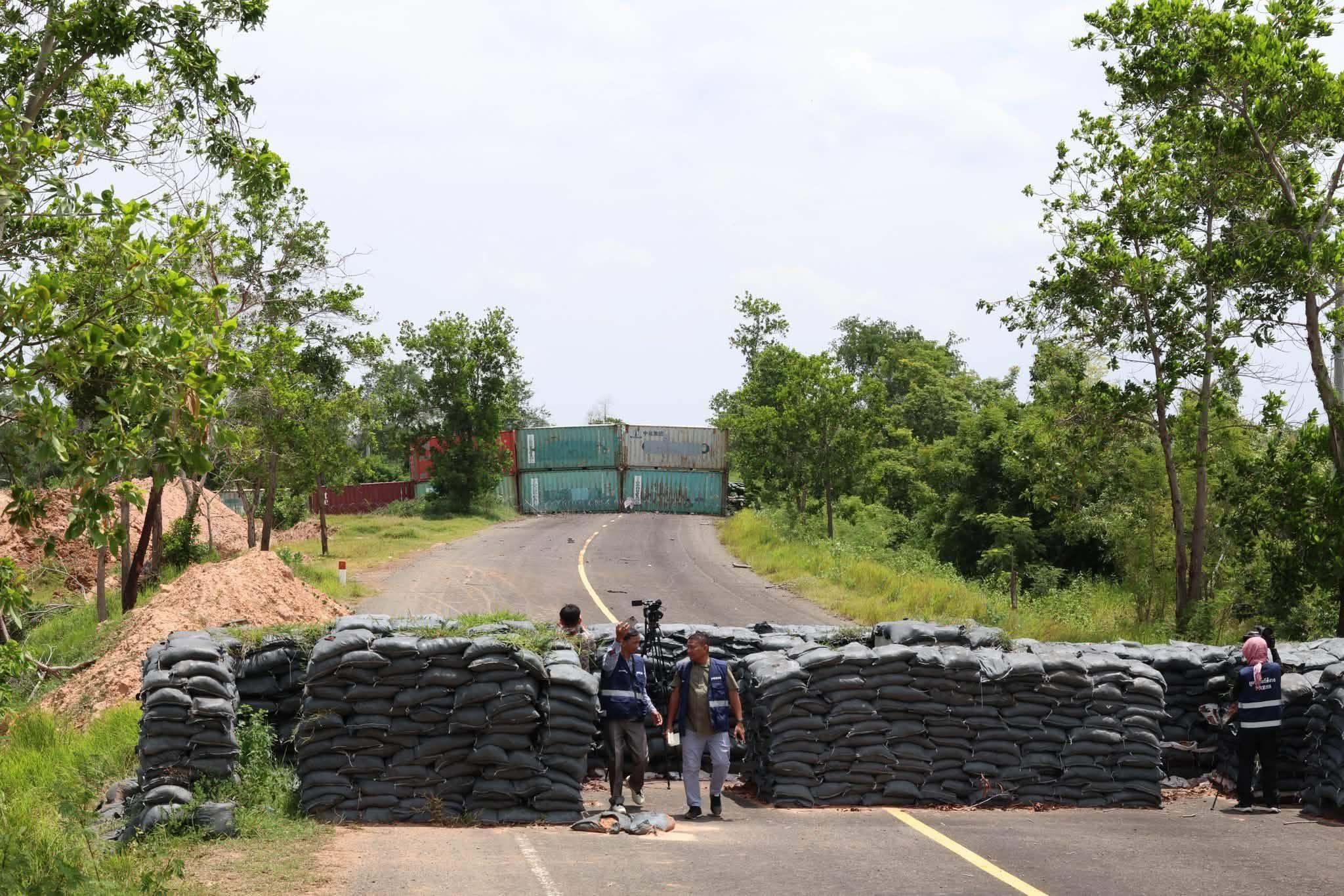
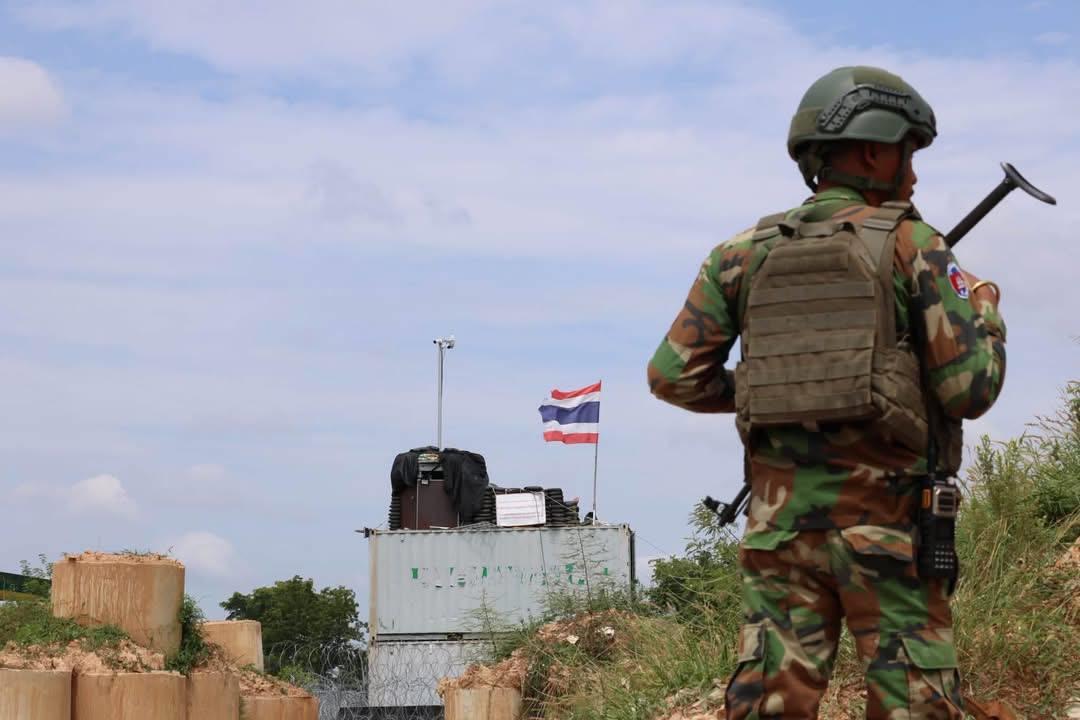
He said armed forces may enter a location, install barbed wire, place containers, dig trenches, build roads, or prevent civilians from returning to their land and homes. Yet none of these acts can transform control achieved through force into legal title over territory or lawful sovereignty.
He added that this principle is particularly important when assessing the Thai military’s incursion into Cambodian territory and attempts to create new facts on the ground along the border.
“If Thai military presence at any specific location is established by evidence to be within Cambodian territory, control of that area by force cannot create sovereign rights for Thailand. The use of force may change who physically occupies the ground, but it cannot change who holds lawful title to that ground,” the minister siad.
International Law Rejects Territorial Acquisition by Force
Citing Article 2(4) of the Charter of the United Nations, Neth Pheaktra said states are required to refrain from the threat or use of force against the territorial integrity or political independence of another state.
He also referred to United Nations General Assembly Resolution 2625 (XXV) of 1970, which states that no territorial acquisition resulting from the threat or use of force shall be recognized as legal.
According to the minister, the fact that armed forces may control a particular location by force demonstrates only effective control; it does not constitute evidence of legal title. An army may establish control by force, but it cannot manufacture territorial title.
Borders Cannot Be Redrawn with Barbed Wire and Containers
Neth Pheaktra said any disagreement over the Cambodia-Thailand border must be addressed through applicable laws, conventions, treaties, maps, boundary documents, mutually agreed mechanisms, and peaceful means of dispute settlement.
He rejected attempts to establish faits accomplis through military force and subsequently use the situation created on the ground as a basis for territorial claims.
The installation of barbed wire or containers, the digging of trenches, road construction, or the prevention of Cambodian civilians from accessing their land and homes cannot substitute for lawful boundary-delimitation and demarcation procedures, he added.
“Barbed wire is not a boundary line. Containers are not boundary pillars. Trenches are not treaties. And the presence of troops is not territorial title,” the minister underlined.
The minister warned against allowing faits accomplis established through force to become a "new normal," saying a state cannot enter an area by force, obstruct local residents, establish military positions, and later cite those actions as evidence supporting sovereignty.
"If such logic were accepted, international law would be replaced by the principle that 'might makes right.' That is the logic of power, not the logic of law," he said.
Preah Vihear: A Legal Lesson That Should Not Be Forgotten
Neth Pheaktra also cited the International Court of Justice's rulings concerning the Temple of Preah Vihear as an important legal precedent.
He recalled that in 1962, the ICJ ruled that the Temple of Preah Vihear was situated in territory under Cambodian sovereignty and that Thailand was obligated to withdraw military or police forces, guards, or keepers stationed at the temple or in its vicinity on Cambodian territory.
In 2013, the Court interpreted its 1962 Judgment and further clarified Cambodia’s sovereignty over the promontory of Preah Vihear within the scope defined by the Court, together with Thailand’s obligation to withdraw relevant personnel from that area.
The minister underscored that those judgments did not resolve every segment of the Cambodia–Thailand boundary. “But the legal lesson relevant here is clear: the physical presence of armed forces on the ground cannot override sovereignty determined by law.,” he said.
Time Cannot Turn an Unlawful Act into Territorial Title
The information minister further underscored that control established through force does not automatically become lawful simply because it continues over time.
Additional troops, military posts, roads, or other infrastructure cannot transform a situation originating through force into a lawful basis for sovereignty, he said.
According to Neth Pheaktra, the central question in a territorial dispute should therefore not be who is physically present at a location, but which state holds lawful title to the territory.
Such claims, he said, must be assessed through treaties, maps, boundary records, and other legal evidence rather than the presence of armed forces.
"Guns are not an answer to the question of sovereignty," he stated.
Peace Must Rest on Law, Not Force
Neth Pheaktra reiterated that Cambodia–Thailand border issue should not be reduced to a contest over who can deploy more troops, stretch barbed wire farther, or create facts on the ground more quickly.
“International borders must be determined through law, treaties, maps, boundary instruments, and peaceful dispute-settlement mechanisms. The Thai military’s incursion into Cambodian territory and any attempt to alter the situation on the ground must therefore be assessed on the basis of law and verifiable evidence, not by treating a situation created through military force as a new legal reality,” he stated.
"History may record where an army once stood. But law determines which State holds sovereignty over that territory," the minister said.
“Barbed wire may obstruct people, but it cannot obstruct the law. Containers may block a road, but they cannot create a border. Armed forces may unlawfully occupy a location by force, but they cannot create lawful sovereignty.”
Neth Pheaktra underscored that the issue goes beyond defending Cambodian territory, saying it concerns a fundamental principle of the international order: borders are determined by law rather than military force, sovereignty derives from lawful rights rather than faits accomplis, and aggression cannot create territorial title.
=FRESH NEWS