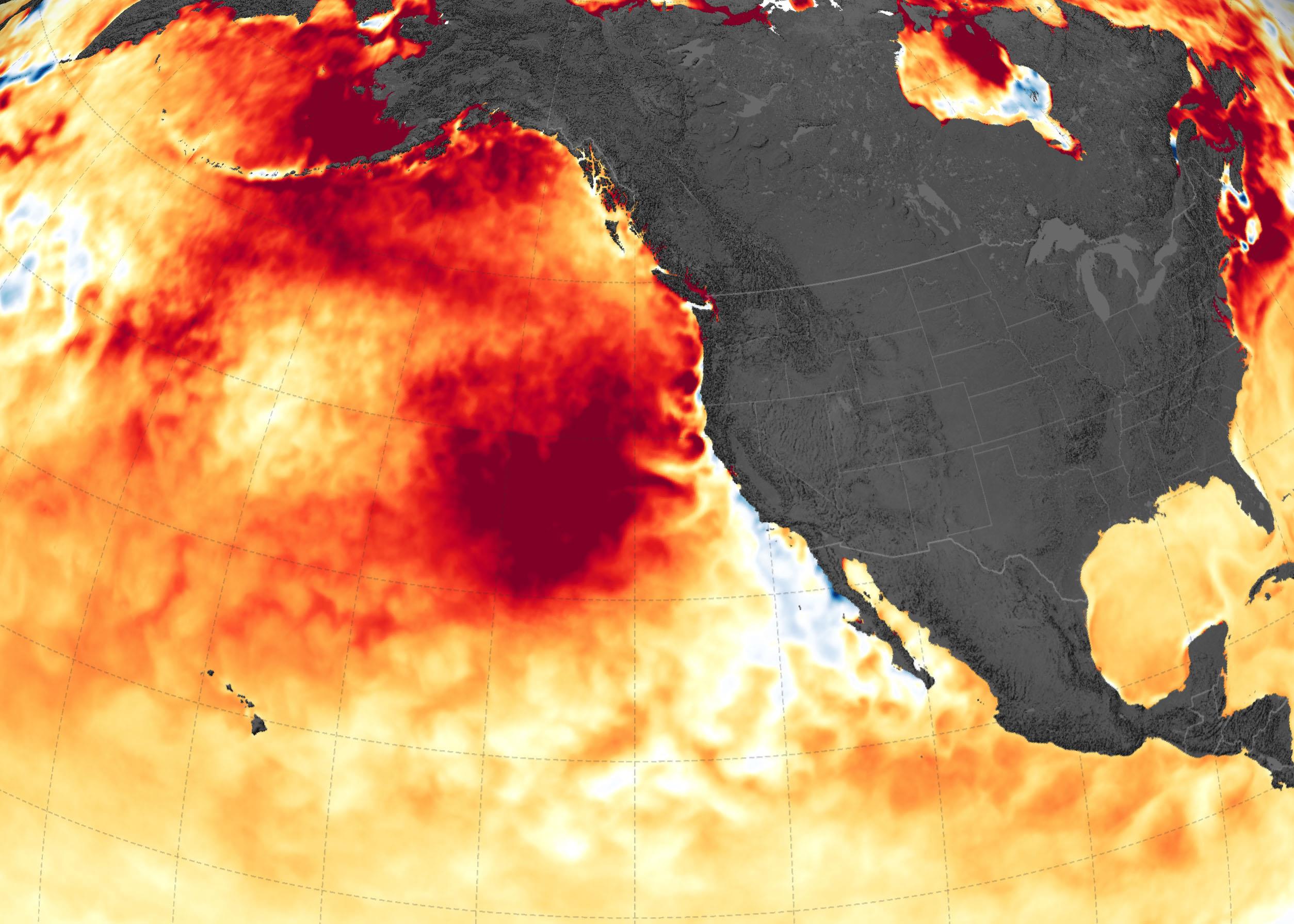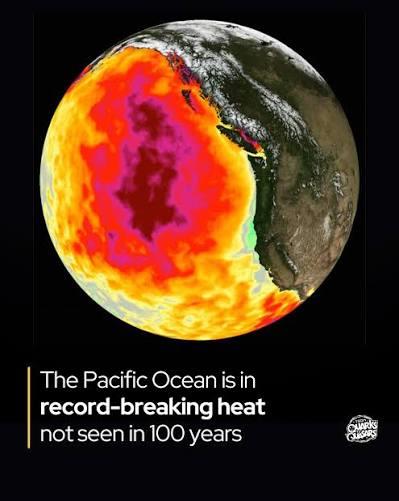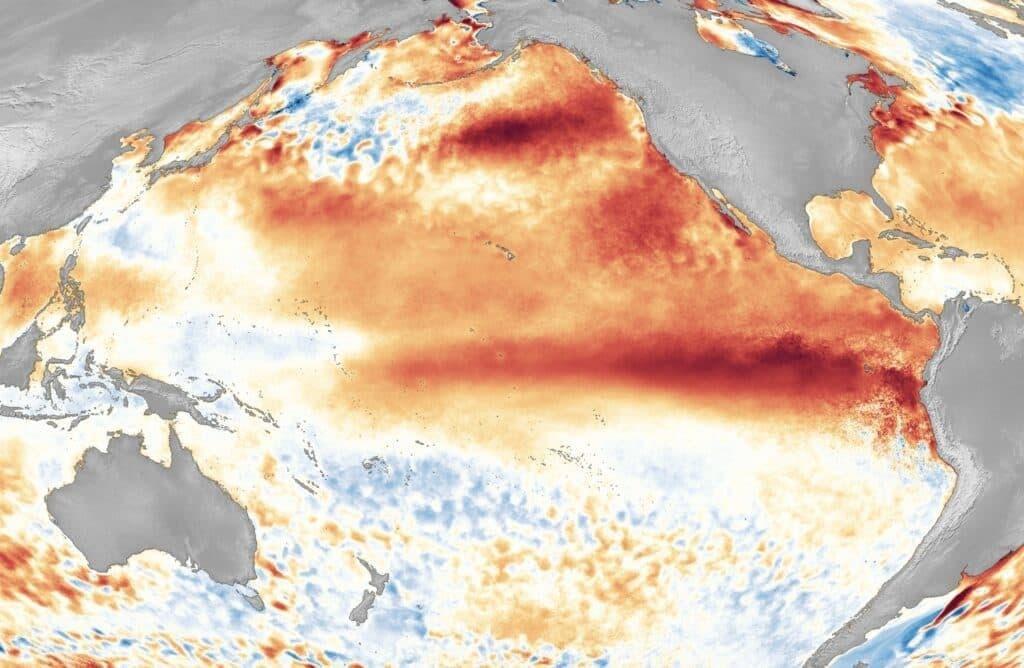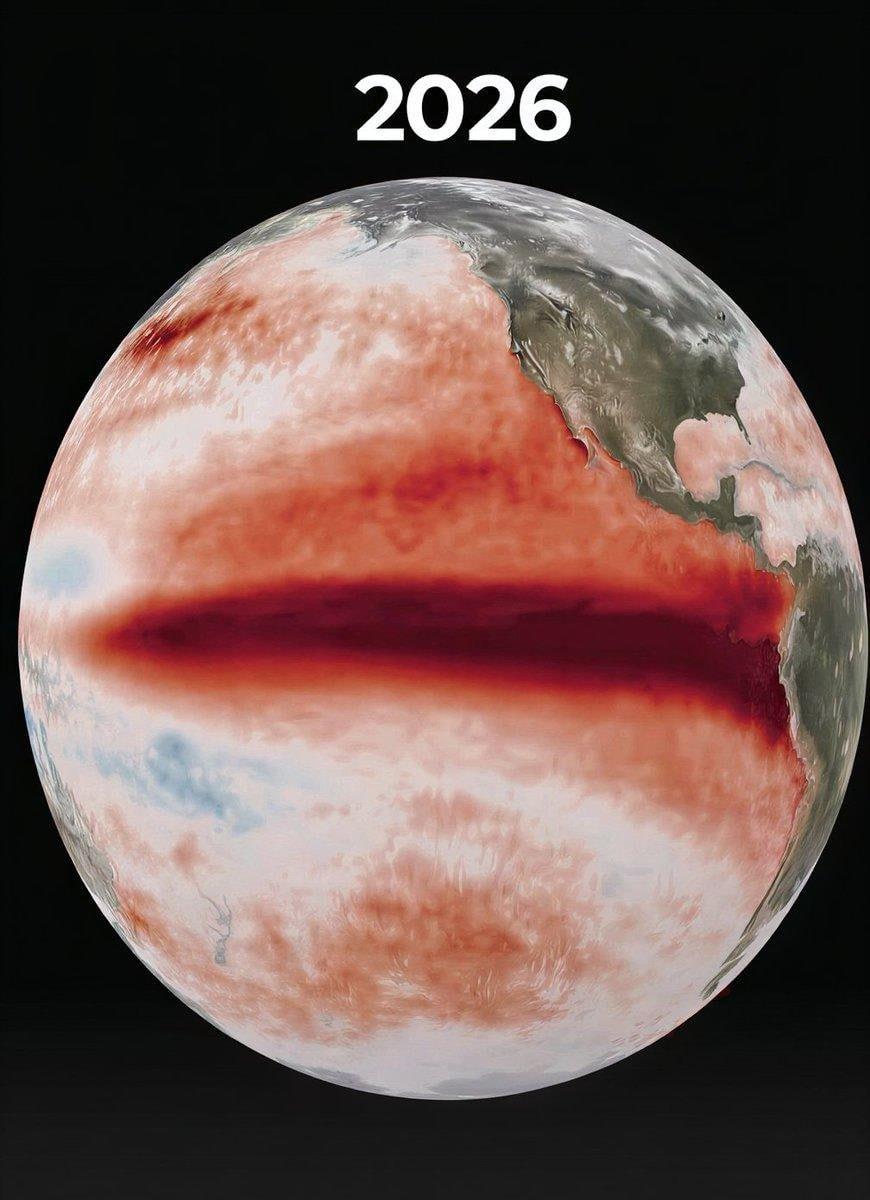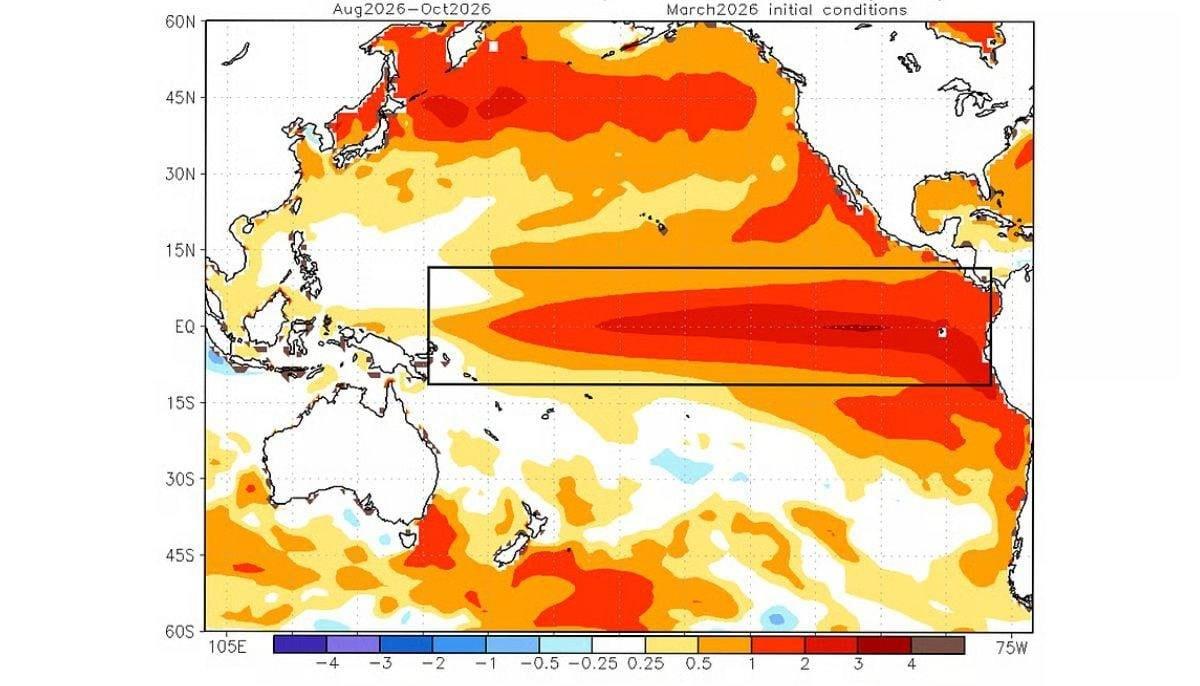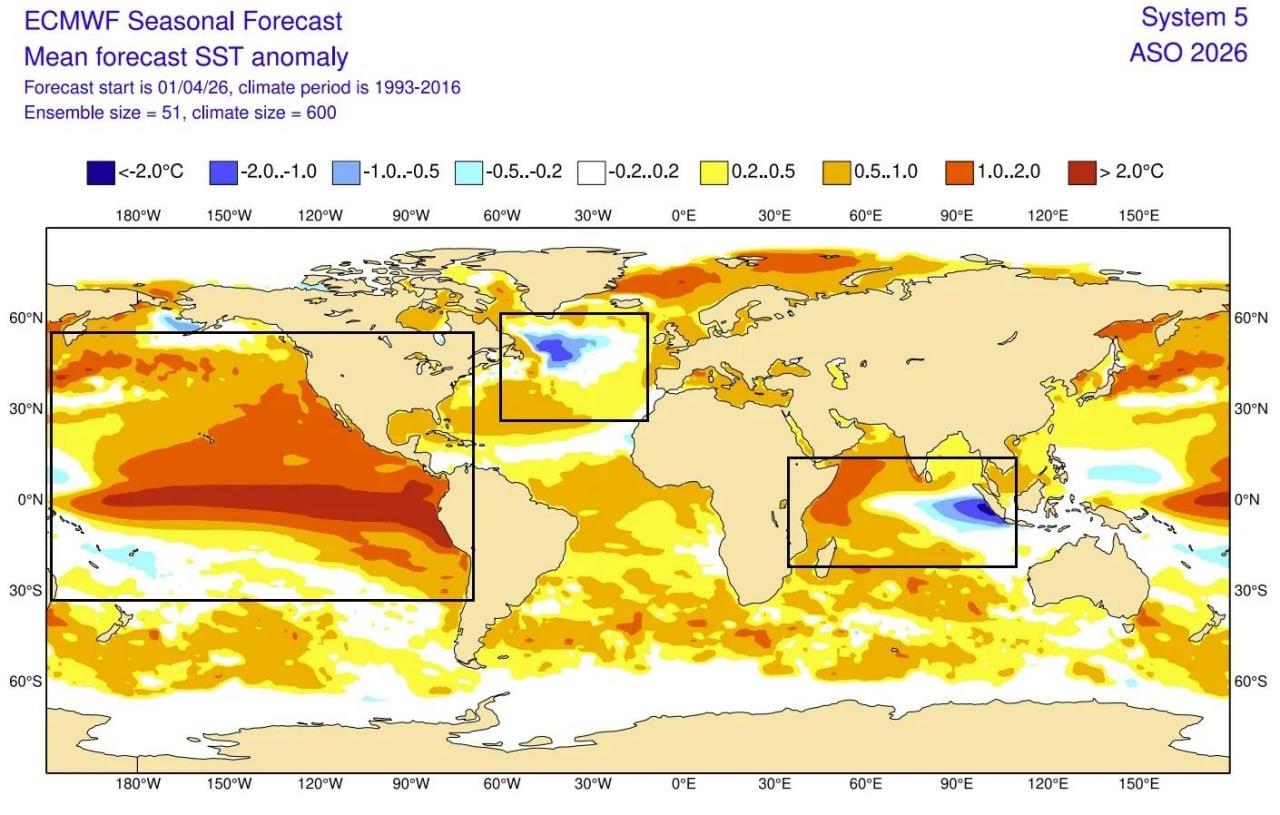

(Phnom Penh): Thousands of kilometers from Cambodia, waters across the tropical Pacific Ocean are warming to unusually high levels.
To most people, rising ocean temperatures so far away may seem to have little connection to the daily lives of Cambodians. But to climate scientists, what happens in the Pacific does not necessarily stay in the Pacific.
Unusual warming there can alter atmospheric circulation, shift rainfall patterns and disrupt monsoon systems across large parts of the world. For Cambodia — a country whose agriculture, water resources and rural livelihoods are closely tied to the monsoon, the Mekong River and Tonle Sap Lake — the development of a powerful El Niño cannot be ignored.
The key question is: As the 2026 El Niño intensifies, what could Cambodia face from late 2026 into 2027?
The 2026 El Niño Is Intensifying
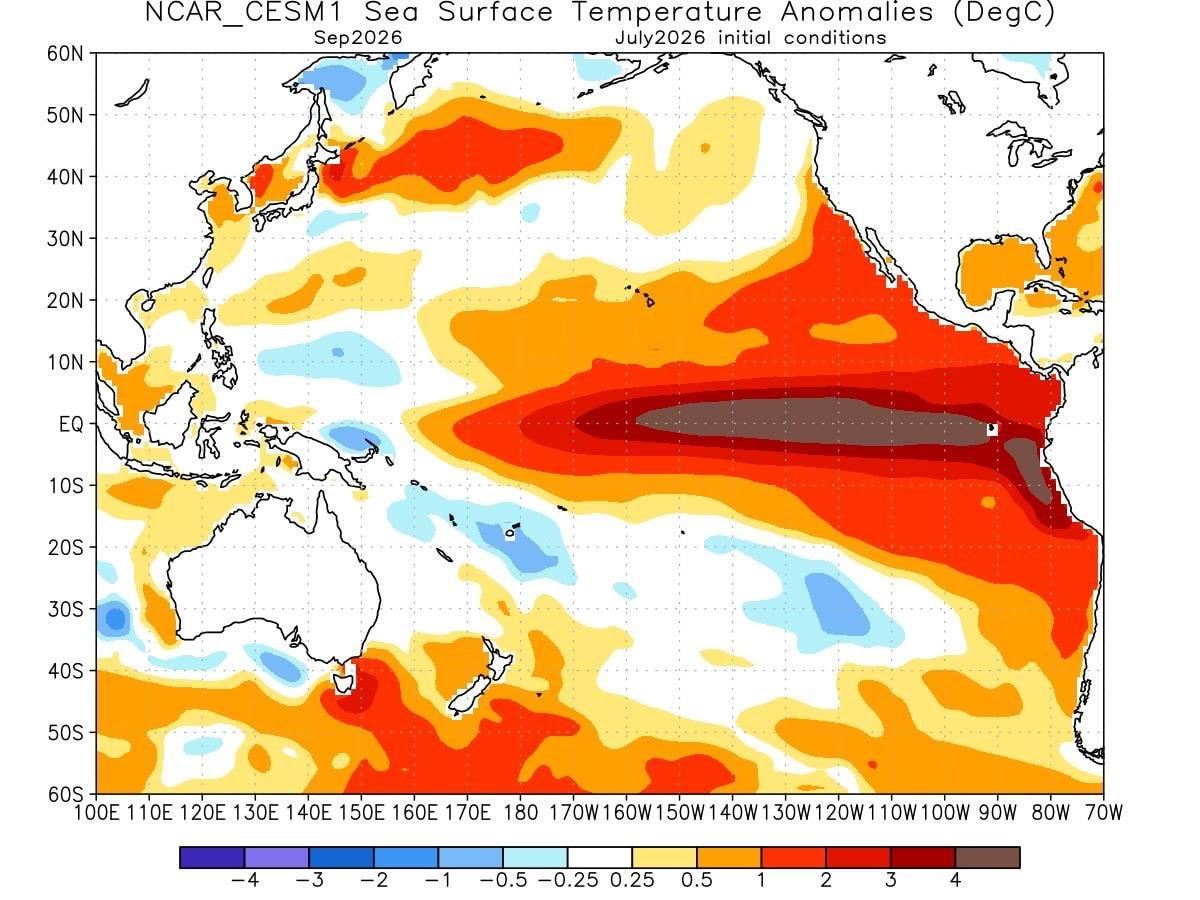
The World Meteorological Organization (WMO) said on July 31, 2026, that El Niño was continuing to strengthen and was expected to reach strong El Niño conditions between August and October.
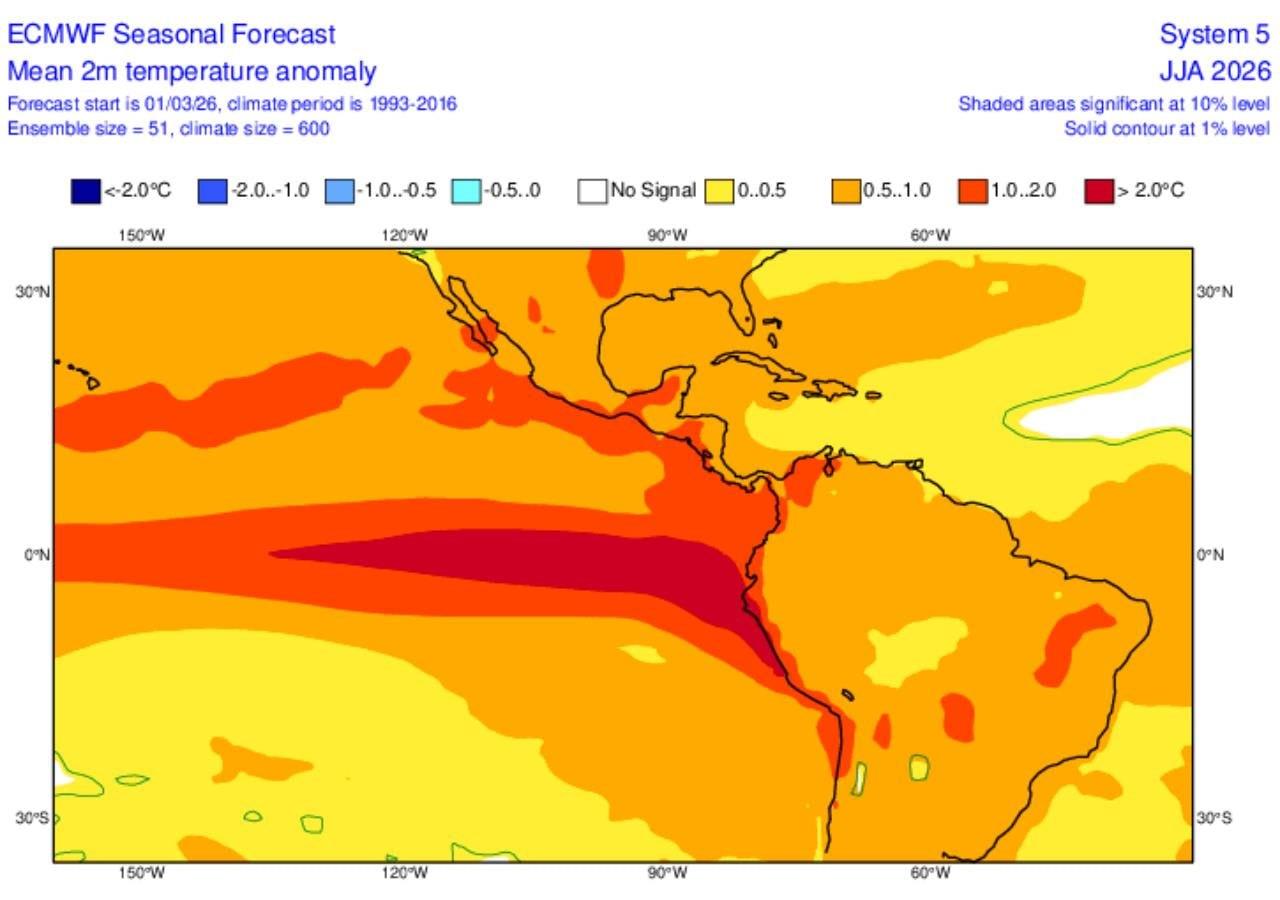
Forecasts from several climate models indicate that sea-surface temperatures in a key region of the tropical Pacific could rise to around 2.9°C above average during the August–October period, with the event potentially strengthening further toward November.
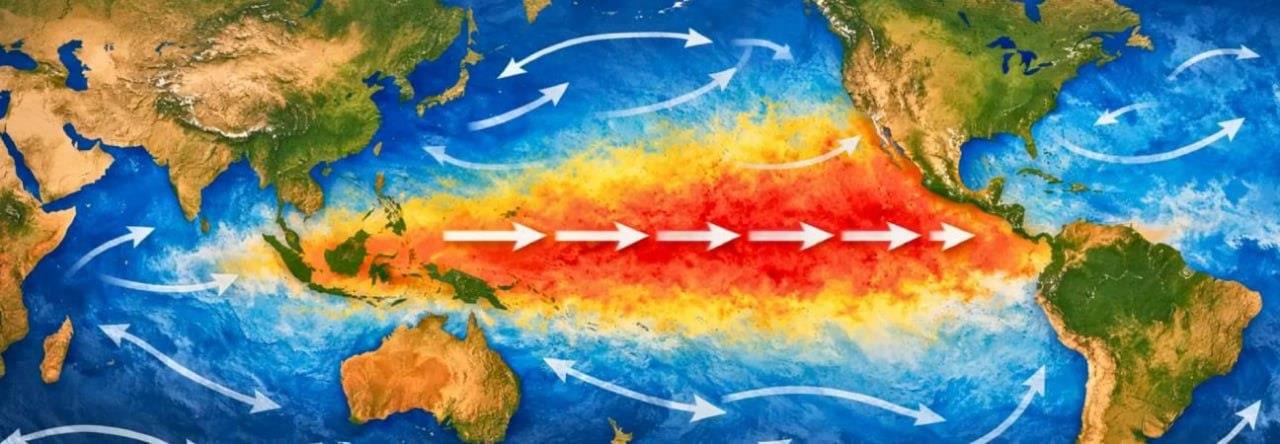
El Niño is not a storm, nor is it a weather system that physically travels from the Pacific Ocean to Cambodia. Rather, it is a large-scale change in the ocean–atmosphere system that can disrupt wind and rainfall patterns thousands of kilometers away.
Put simply, the effects of unusually warm Pacific waters do not remain confined to the Pacific. They can alter the way heat and moisture are distributed through the global atmosphere.
Cambodia Is Not Outside the Risk Zone
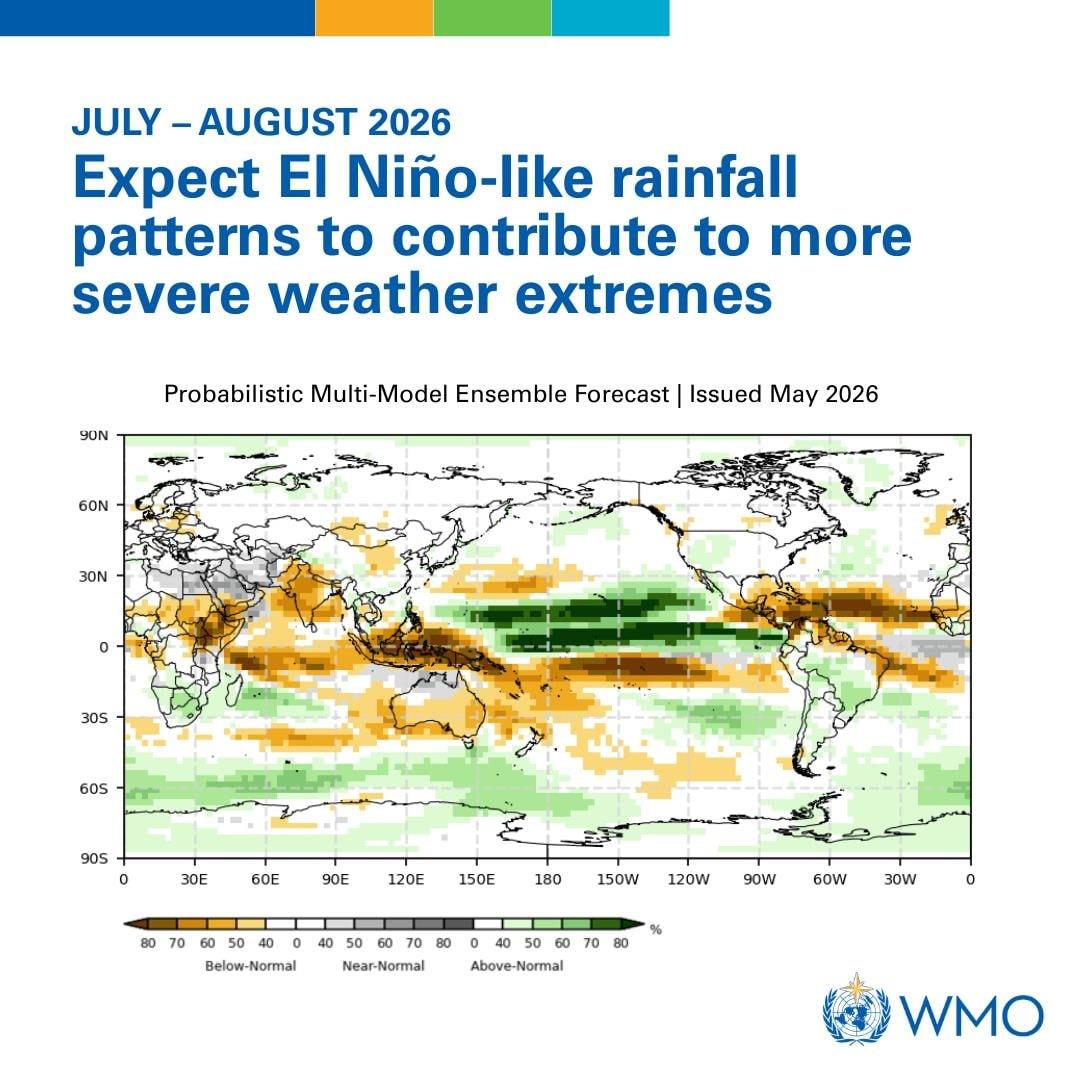
In June 2026, the ASEAN Climate Outlook Forum projected above-normal temperatures across much of Southeast Asia.
For Cambodia, central parts of the country were projected to have a higher likelihood of receiving below-normal to near-normal rainfall.
That does not mean Cambodia as a whole will stop receiving rain. One province may experience heavy rainfall while another goes through a prolonged dry spell. Even areas that receive near-normal total rainfall can experience long rain-free periods between downpours.
This distinction is important.
As the WMO stresses, seasonal climate forecasts describe probabilities, not certainties. They indicate that particular conditions have become more or less likely; they do not guarantee exactly what will happen in any specific location.
Cambodia Has Been Hit by El Niño-Related Drought Before
Cambodia's past experience offers important evidence of why a strong El Niño deserves attention.
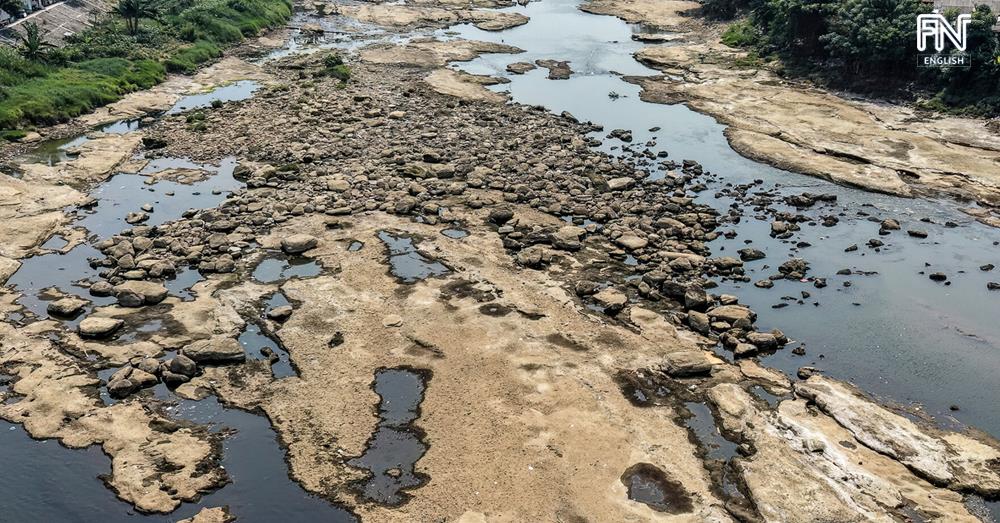
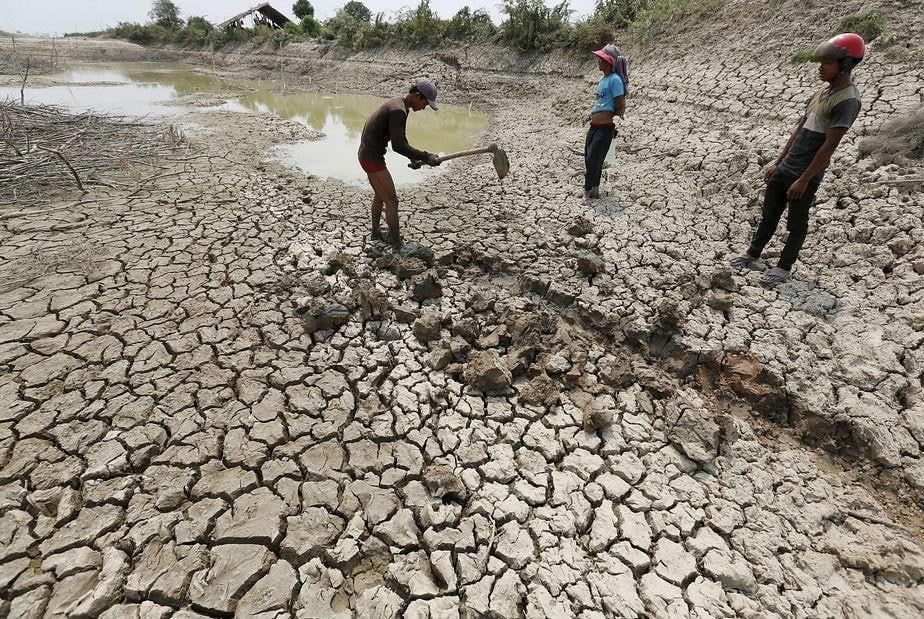
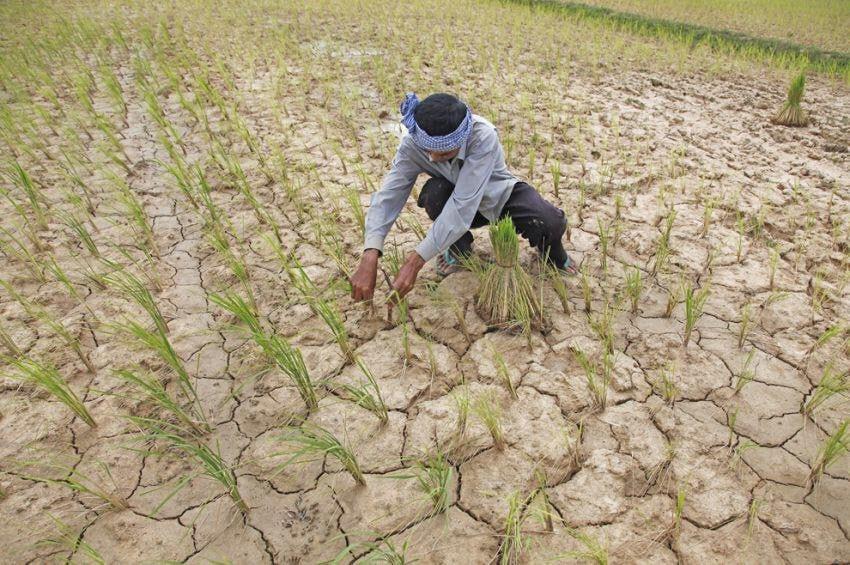
The World Bank has documented that the severe 2015–2016 drought affected 18 of Cambodia's 25 provinces and the capital, impacting more than 2.5 million people.
The World Bank has also estimated that drought associated with El Niño in 2019 caused around $100 million in rice production losses.
The UN Food and Agriculture Organization (FAO) has similarly noted that Cambodia, Laos, Vietnam and Thailand were severely affected by drought associated with the 2015–2016 El Niño.
This evidence does not mean that 2026–2027 will repeat what happened in 2015–2016. Every El Niño is different.
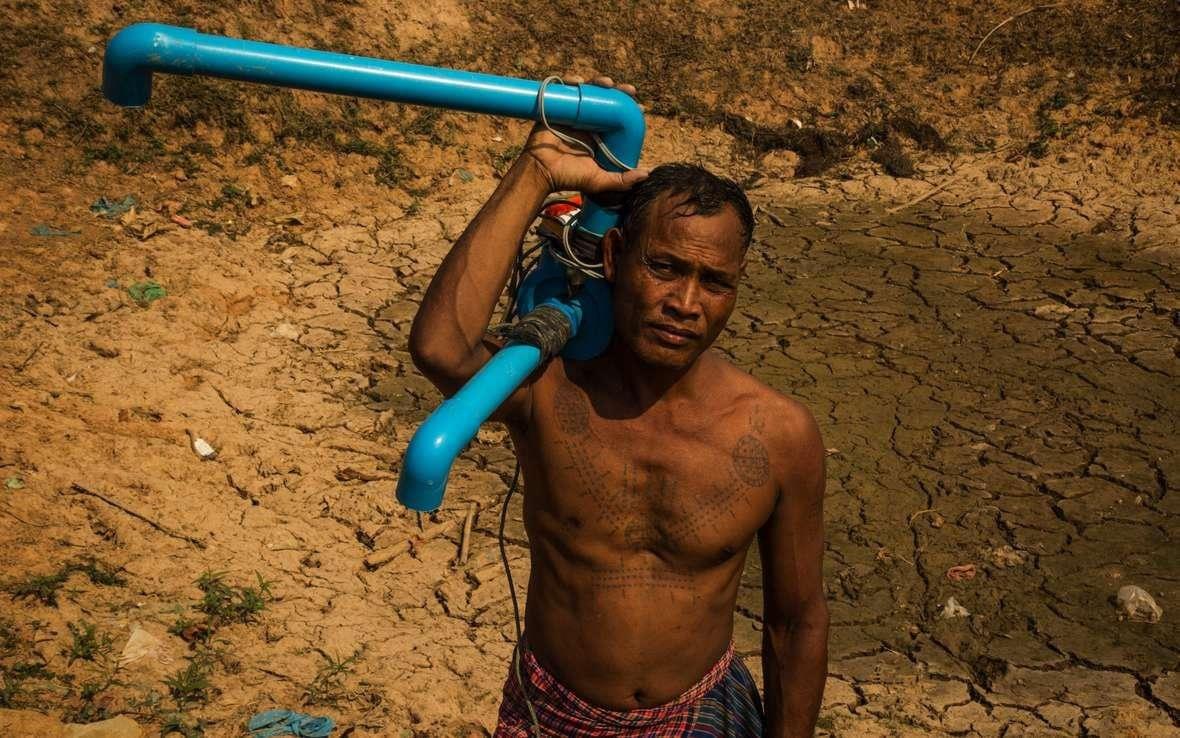
But history demonstrates that a very strong El Niño can pose serious risks to Cambodia's water supplies, agriculture and livelihoods.
For Cambodia, the Problem May Not Be “No Rain,” but “Unreliable Rain”
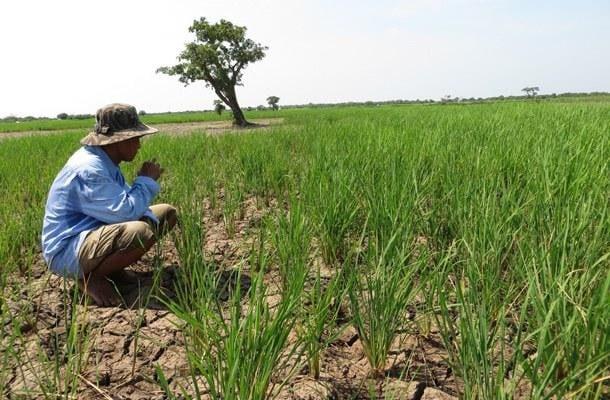
A study examining drought and rice production in Cambodia's Kampong Speu province — an area vulnerable to drought — found a statistical relationship between some drought events in the province and El Niño-related changes in the tropical Pacific.
This matters because, for agriculture, total annual rainfall tells only part of the story.
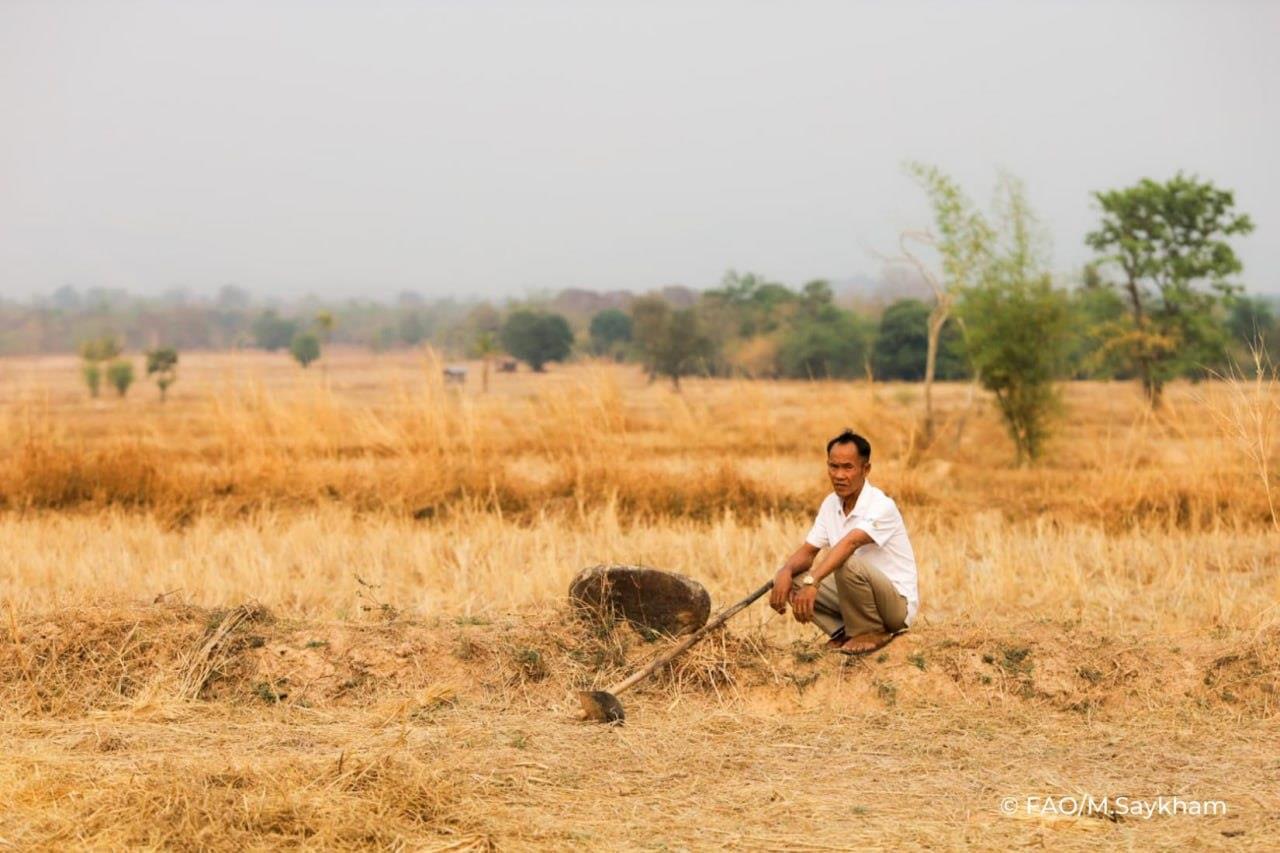
The timing and distribution of rainfall can be just as important. A farming area may receive a relatively normal amount of rain over an entire season, but a prolonged dry spell at a critical stage of crop development can still cause substantial losses.
Concerns over agricultural drought are also supported by broader FAO analysis.
On June 22, 2026, the FAO released an assessment using 41 years of satellite data to identify agricultural areas facing heightened drought risks associated with El Niño.
The identified risk belt extended from Pakistan and India through Myanmar, Thailand, Cambodia and Vietnam, and onward to the Philippines and Indonesia.
A World Bank report examining El Niño and La Niña in Cambodian agriculture has also warned that the effects of the El Niño–Southern Oscillation (ENSO) can extend beyond crop production to household incomes, food security and the wider economy.
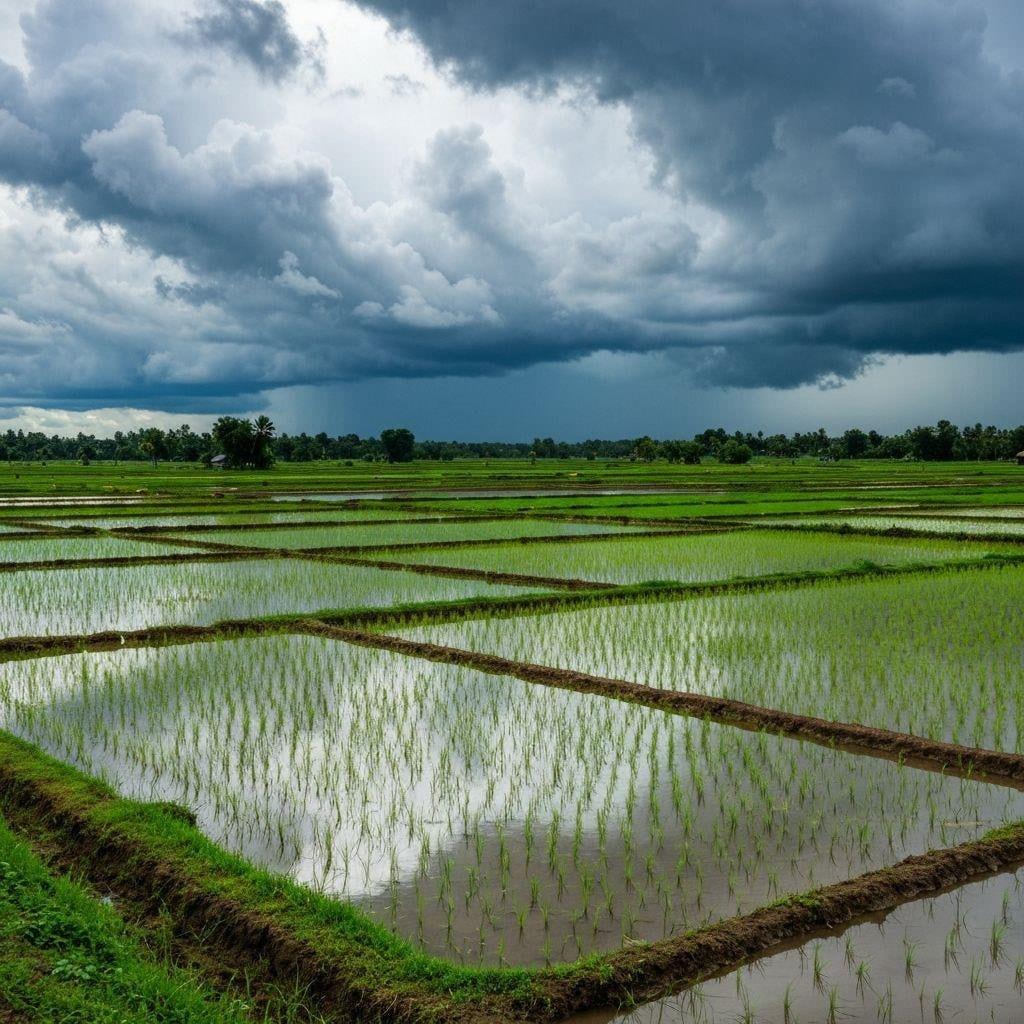
In other words, the risk for Cambodia is not necessarily a complete absence of rainfall. The greater concern may be unreliable rainfall, prolonged dry spells and water shortages occurring precisely when crops need water most.
What Could Happen to Mekong and Tonle Sap Water Levels?
Another important question is whether normal or near-normal rainfall inside Cambodia would mean that water levels in the Mekong River and Tonle Sap Lake would remain unaffected by El Niño.
Not necessarily.
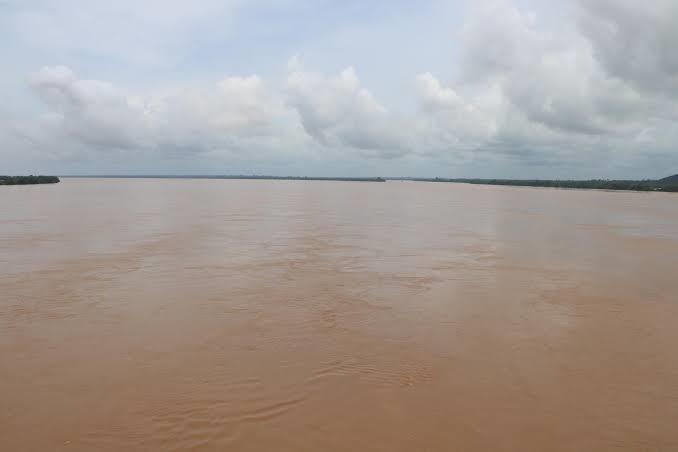
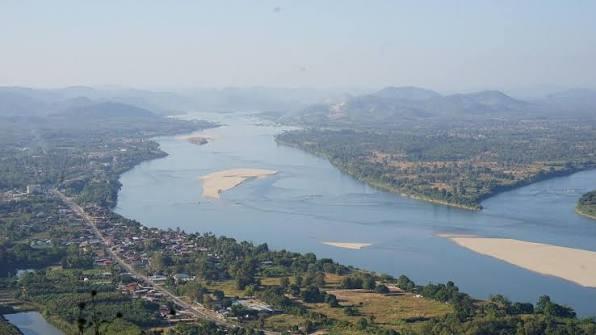
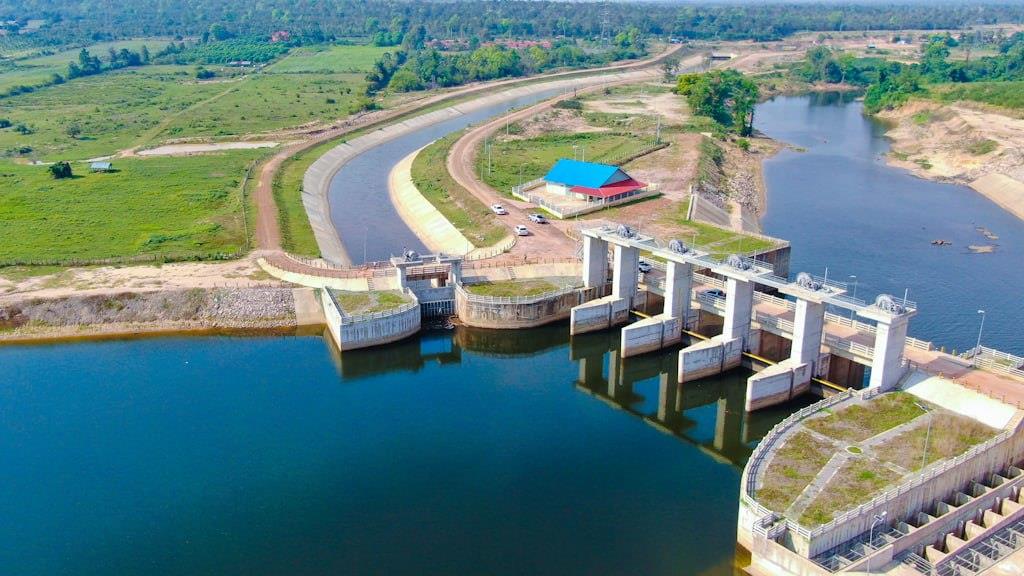
The Mekong water flowing into Cambodia does not depend solely on rainfall within Cambodia. It is part of a vast river basin extending through China, Myanmar, Laos, Thailand, Cambodia and Vietnam.
Rainfall patterns and river flows upstream can therefore influence the volume of water eventually reaching Cambodia.
If El Niño contributes to reduced rainfall in important parts of the upper Mekong Basin, downstream flows reaching Cambodia could also be affected.
But it would be misleading to use a simple formula such as: “El Niño = lower Tonle Sap water levels.”
Mekong and Tonle Sap water levels are shaped by several interacting factors, including rainfall across the Mekong Basin, upstream river flows, rainfall within Cambodia, reservoir operations and prevailing hydrological conditions.
A strong El Niño can increase the risk of drier conditions across parts of Southeast Asia, but El Niño alone cannot determine how high or low the Mekong and Tonle Sap will be.
For Cambodia, this means that Mekong–Tonle Sap flows and water levels will be critical indicators to monitor closely in the months ahead.
2027 Could Be Extremely Hot — But El Niño Does Not Create New Heat
This is an important scientific distinction.
El Niño does not create new heat from nothing. Instead, it changes how heat stored in the tropical ocean is transferred into the atmosphere and redistributed around the planet.
The UK's Met Office has explained that an El Niño event can typically add around 0.2°C to the global average temperature temporarily.
What makes the current situation particularly significant is that the 2026 El Niño is developing against the backdrop of a planet that is already considerably warmer because of human-caused climate change.
In effect, the temporary warming influence of El Niño is being added on top of a long-term warming trend that is already in place.
The Met Office has therefore warned that the developing El Niño could temporarily push global temperatures higher, with lingering effects potentially increasing the likelihood that 2027 could become one of the hottest — and potentially the hottest — years in the global observational record.
For Cambodia, this does not mean scientists can already predict the exact temperature of a particular month in 2027.
It does mean, however, that the risk of unusually high temperatures deserves close attention, particularly in a tropical country that already experiences intense heat during the dry season.
Conclusion: El Niño Begins in the Pacific, but Its Effects Can Reach Cambodia
So what does the 2026 El Niño mean for Cambodia?
It does not mean that the entire country will inevitably experience drought. But it could increase the risks of irregular rainfall, prolonged dry spells in some areas, extreme heat and water stress for agriculture. Mekong and Tonle Sap water flows will also need to be monitored closely.
Past experience shows that climate shocks can quickly extend beyond the weather itself — affecting agricultural production, household income, food security and people's livelihoods.
That is why the real value of an El Niño forecast is simple: early warning allows for early preparation.
El Niño may originate thousands of kilometers away in the Pacific Ocean, but its consequences can reach Cambodia. Advance preparation can help reduce the damage.
The critical question now is this: If the 2026 El Niño develops into an exceptionally strong event — sometimes informally described as a “Super El Niño” — is Cambodia sufficiently prepared to protect its water resources, agriculture and people's livelihoods from the risks that may lie ahead?