
(Phnom Penh): Cambodia’s expanding regional trade is creating more opportunities for food and beverage businesses, as RCEP strengthens connections with some of Asia-Pacific’s largest consumer markets.
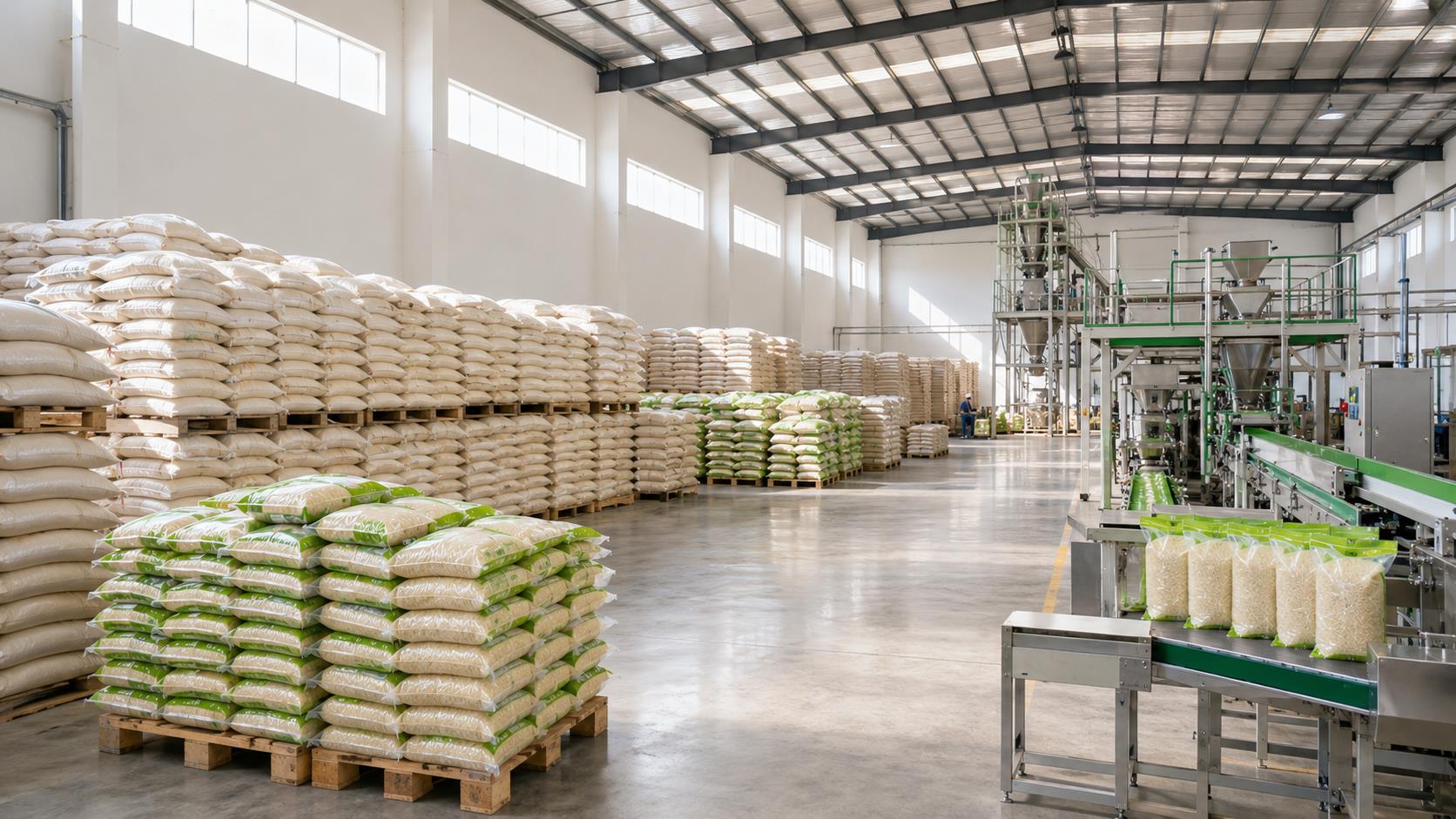
For Cambodia's food and beverage sector, regional trade creates opportunities beyond agricultural commodity exports. Processing and packaging agricultural products for overseas markets can expand the commercial opportunities available to local producers and food businesses.
Cambodia’s expanding regional trade is creating more opportunities for food and beverage businesses, as RCEP strengthens connections with some of Asia-Pacific’s largest consumer markets.
Cambodia’s trade with Regional Comprehensive Economic Partnership (RCEP) member countries reached USD 24.4 billion in the first half of 2026, up 24 per cent year-on-year, according to a Ministry of Commerce report cited by Xinhua. Exports to RCEP markets increased 11.8 per cent to USD 5.63 billion, while RCEP accounted for 63.9 per cent of Cambodia’s total international trade during the period.
Regional Growth Changes Business Requirements
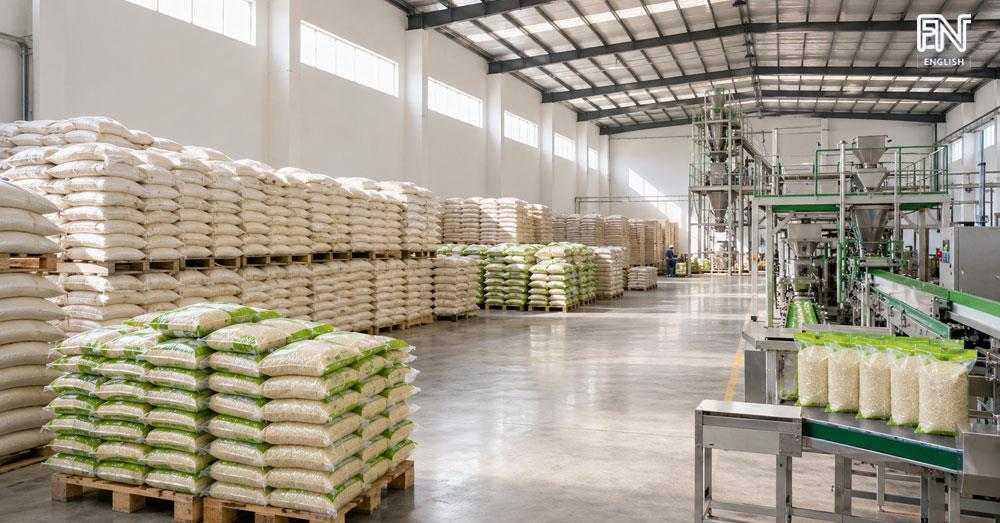
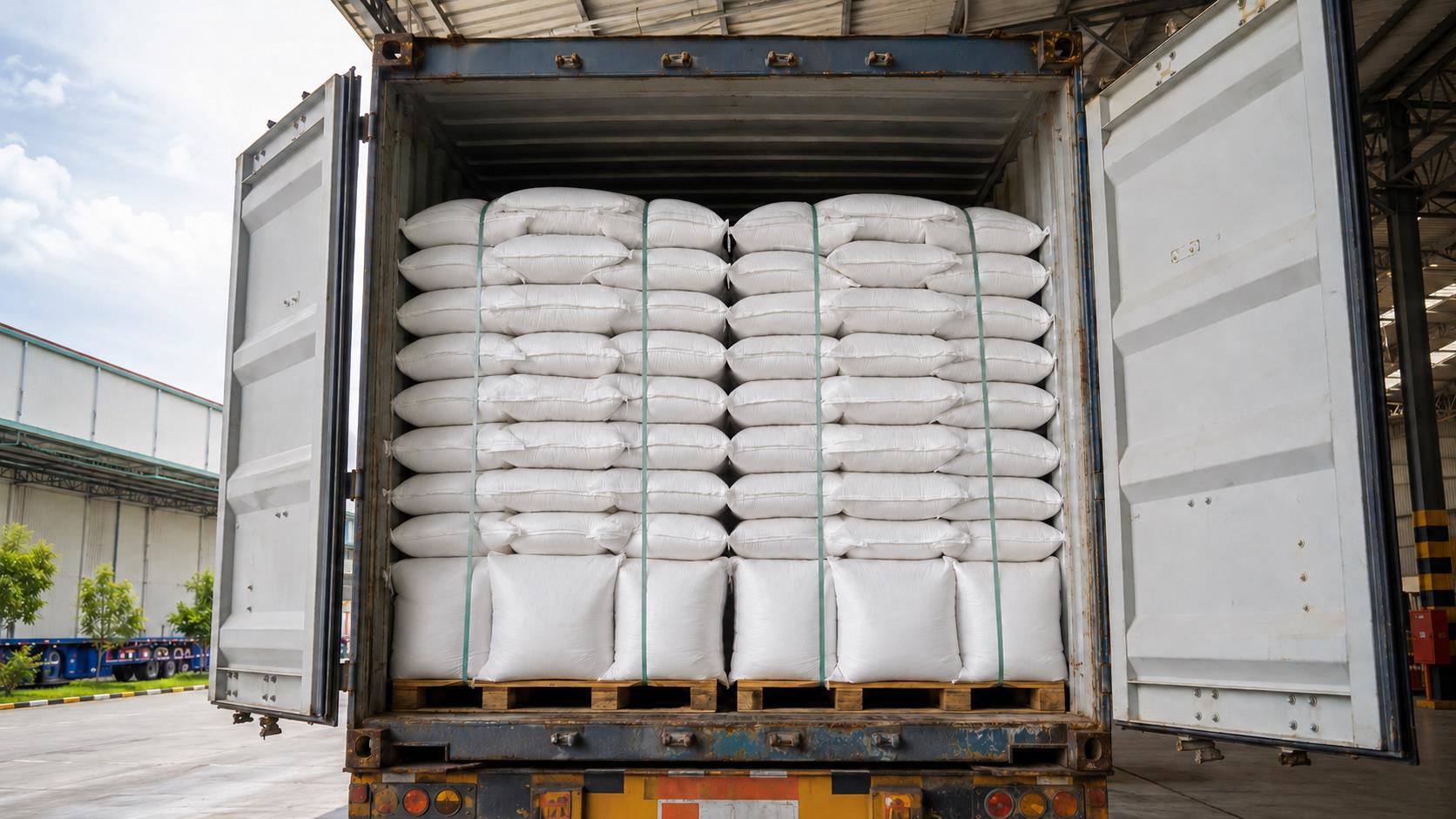
Cambodia's food-processing value chain is already reaching a broad range of international markets. Milled rice provides one example: in the first half of 2026, Cambodia exported 630,319 tonnes to 64 destinations, generating more than USD 367 million, according to the Cambodia Rice Federation. China and ASEAN countries were among the major markets during the period.
For Cambodia's food and beverage sector, regional trade creates opportunities to reach more overseas customers. Processing and packaging Cambodian agricultural products can expand the commercial opportunities available to local producers and food businesses.
As transaction volumes grow, the timing and structure of these payments become increasingly important to the overall financing decision.
Financing Becomes Part of the Expansion Decision
Chea Marat, Head of Business Development at Wing Bank, said businesses considering regional expansion should look at financing alongside their broader purchasing and investment requirements.
“RCEP gives Cambodian businesses access to a larger regional trading network, and that can create opportunities for food and beverage producers,” Marat said. “As businesses increase production or invest in additional inputs and equipment, financing becomes part of the commercial decision. Businesses should consider the amount, timing and purpose of each payment when determining how it should be funded.”
For businesses importing ingredients, packaging, machinery or equipment, customs-related payments can form part of these funding requirements.
Wing Bank’s GDCE Financial Solutions include a Business Line of Credit and Bank Guarantee facilities for eligible customs-related requirements.
Financing Options for Customs Requirements
Businesses may access a Secured Business Line of Credit of up to USD 5 million at 7.5 per cent per annum or an Unsecured Business Line of Credit of up to USD 500,000 at 8.5 per cent per annum. Financing tenors are available for up to 12 months, with the first seven calendar days interest-free from each loan disbursement date. The 0.5 per cent approval fee is waived for customers who opt to use Wing Bank Payroll Service.
For qualifying customs-related requirements, businesses may also access a Secured Bank Guarantee of up to USD 5 million or an Unsecured Bank Guarantee of up to USD 500,000, with an issuance fee of 0.6 per cent per annum and a waived cancellation fee.
Request a meeting with a GDCE specialist: https://bit.ly/4i8clAL
For more information about Wing Bank's GDCE Financial Solutions, visit any Wing Bank branch, call 023 999 989, or visit www.wingbank.com.kh.
=FRESH NEWS