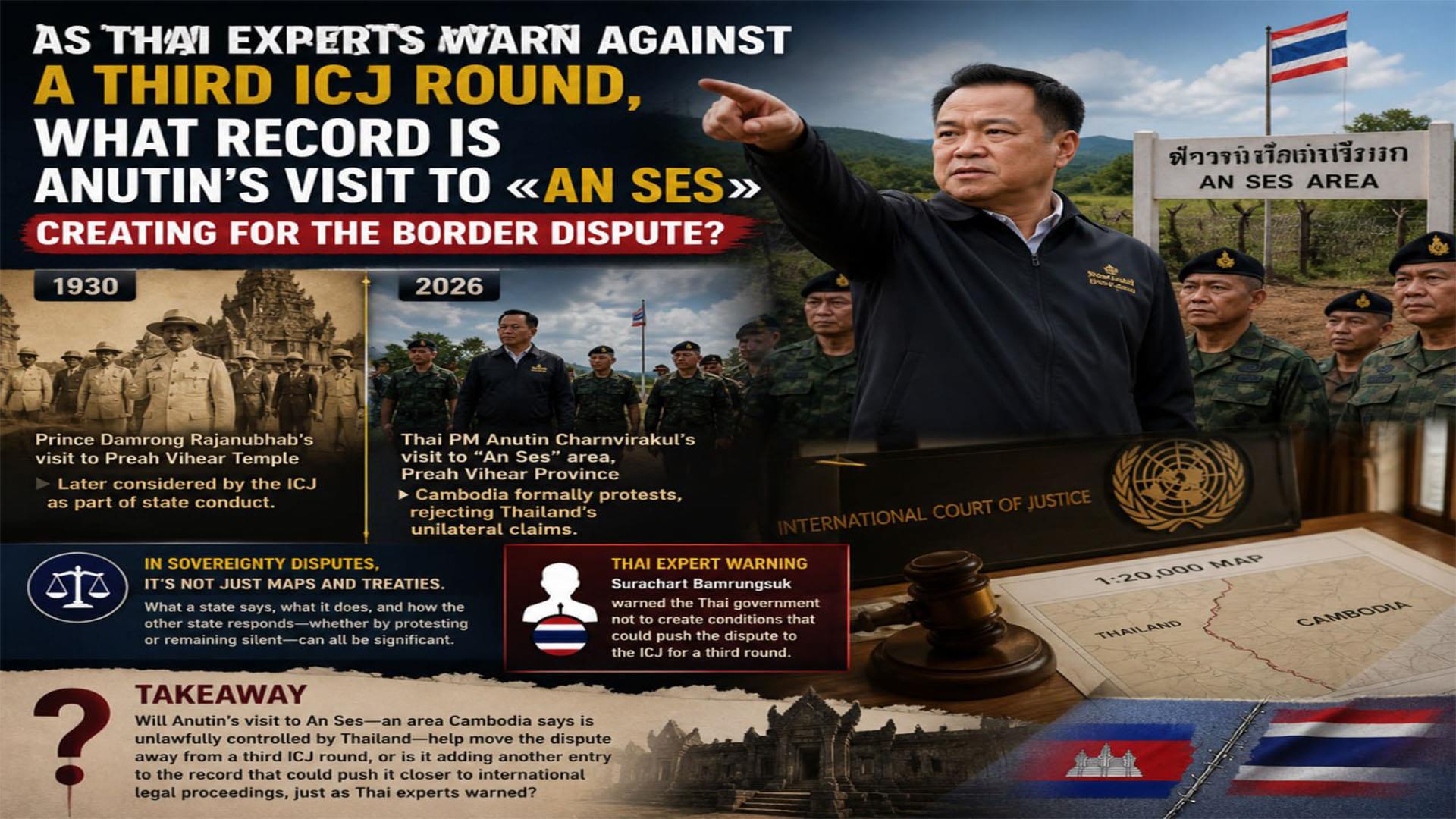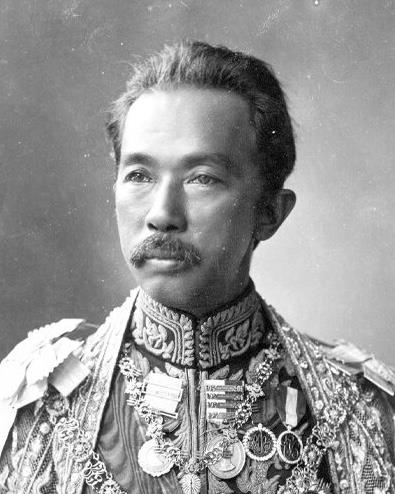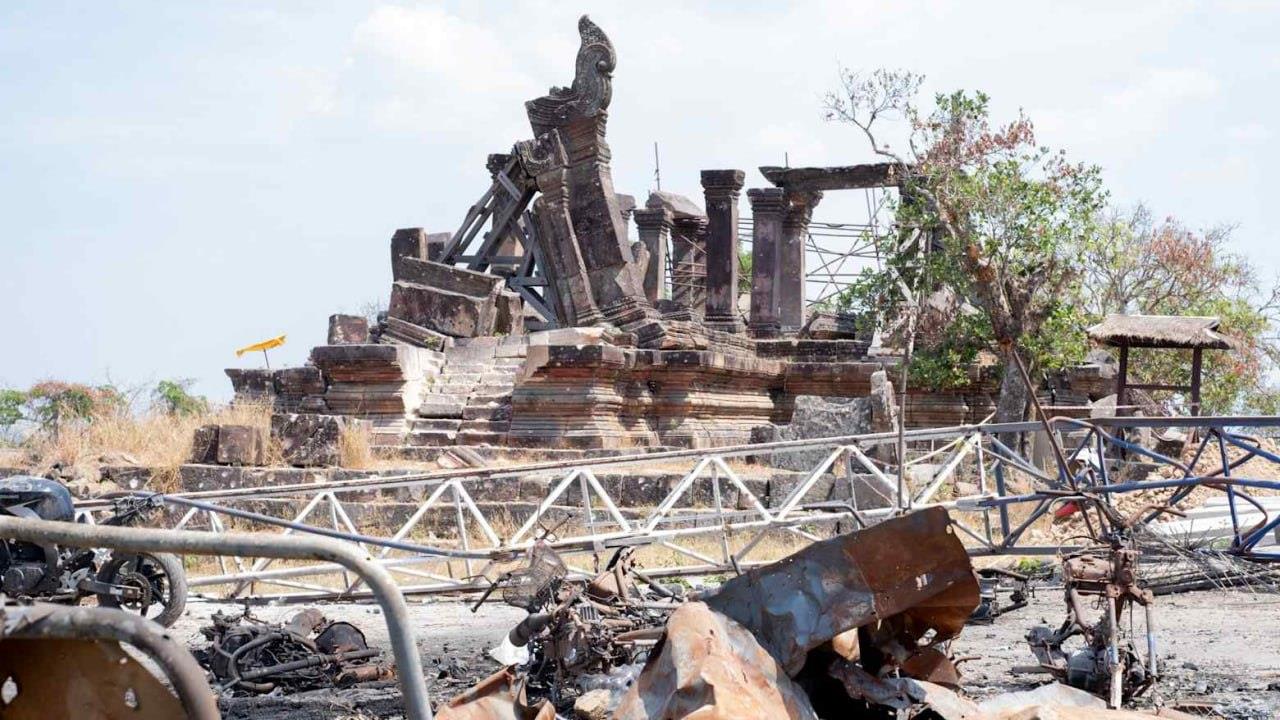

(Phnom Penh): In 1930, a visit by Siamese Prince Damrong Rajanubhab to the Temple of Preah Vihear became an episode that, more than three decades later, was considered by the International Court of Justice (ICJ) in the landmark case over the temple.
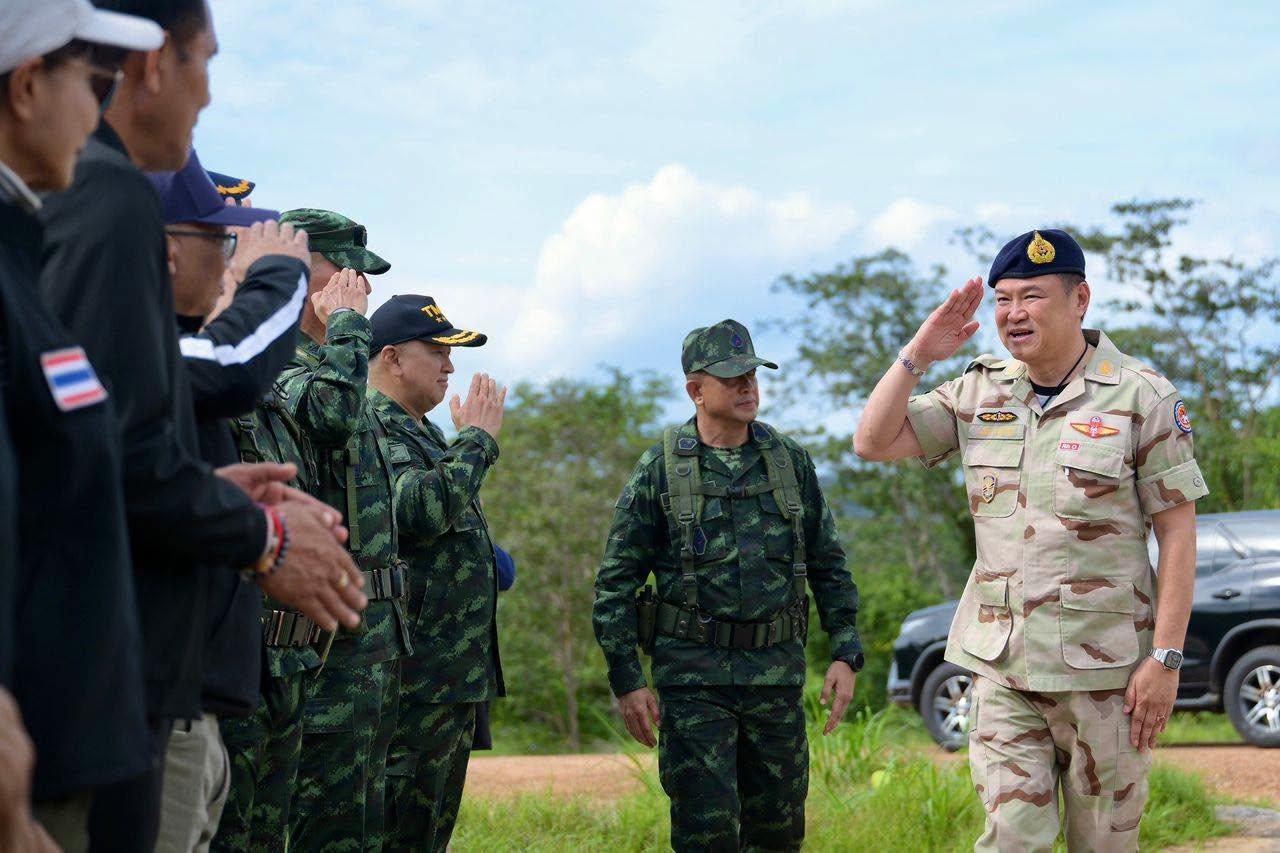
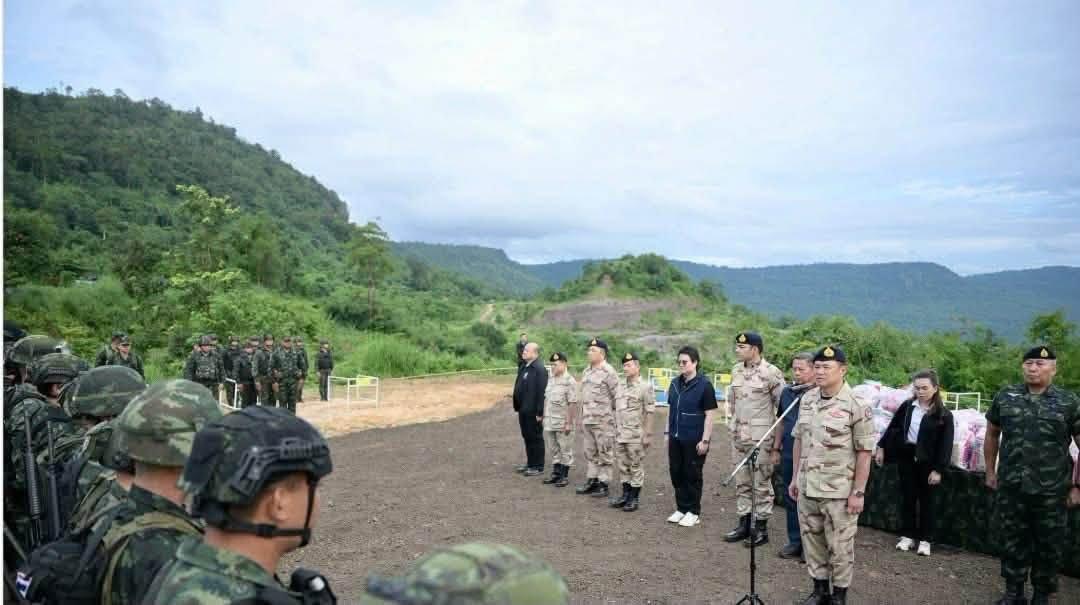
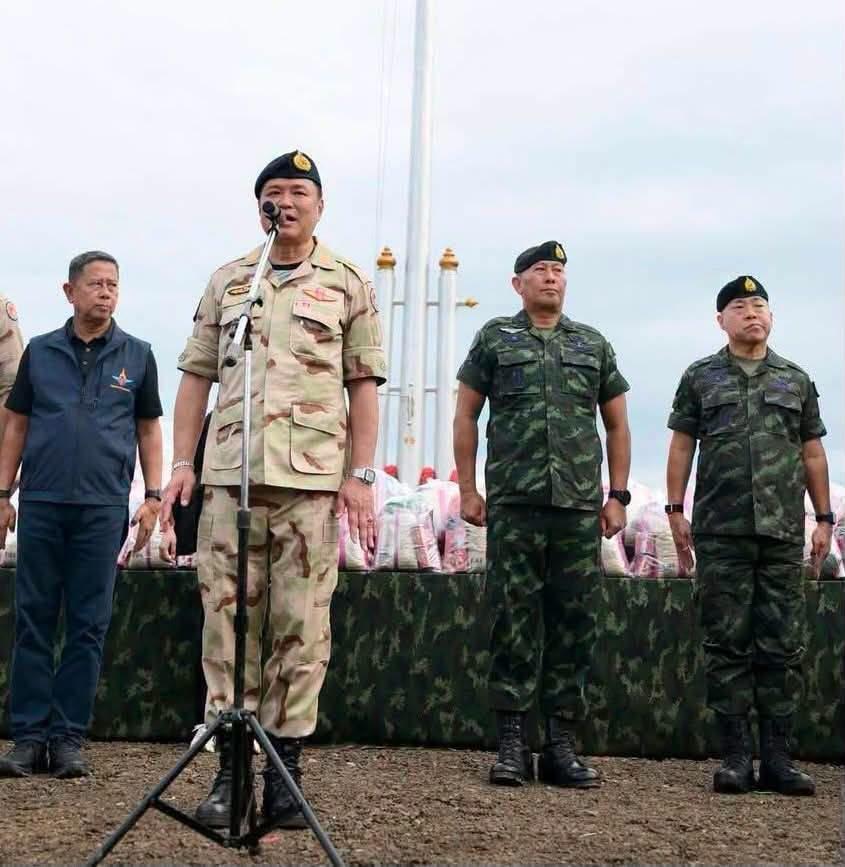
Nearly a century later, on August 23, 2026, Thai Prime Minister Anutin Charnvirakul traveled to the An Ses area in Choam Ksan district, Preah Vihear province—an area Cambodia maintains lies within its sovereign territory and has been unlawfully occupied by Thai forces since last year. On August 25, the Cambodian government lodged a formal protest, describing the visit as a deliberate attempt to assert an unlawful territorial claim over Cambodian territory.
The two events occurred in vastly different historical and legal contexts. Yet they raise a question with potentially long-term significance:
In a territorial dispute, is a state leader’s visit merely a political act, or can it become part of the record of state conduct that may later be examined in assessing competing sovereignty claims?
That question carries added weight because, little more than a month before Anutin’s visit, prominent Thai security and international-relations scholar Surachart Bamrungsuk had warned his own government against creating conditions that could push the Cambodia–Thailand border dispute back before the ICJ for a third round.
From a Leader’s “Words” to a Leader’s “Actions”
Before the An Ses visit, Anutin’s statements rejecting the Franco-Siamese mapping framework used by Cambodia in its border claims had already triggered considerable debate over the Thai government’s approach to the dispute.
His rejection of the 1:200,000 map prompted warnings from some Thai experts that politicians should exercise particular caution when speaking about border issues. The dispute is not merely a matter of domestic politics; it is intertwined with treaties, maps, a long history of boundary delimitation, and international judicial decisions.
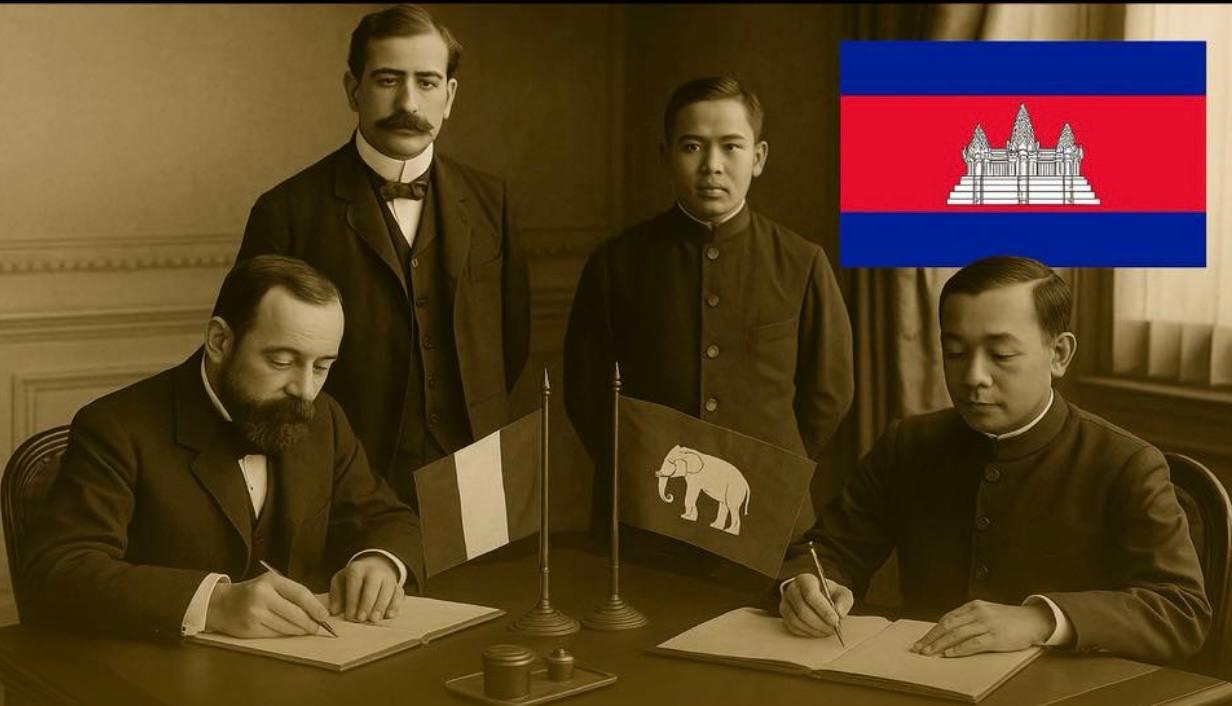
Surachart has argued that the 1904 and 1907 Franco-Siamese treaties and the maps associated with the boundary process must be taken into account when examining the dispute.
The issue, however, has now moved beyond “the words of a leader” to “the actions of a leader.”
A visit by Thailand’s prime minister to An Ses—an area Cambodia claims as its sovereign territory and says is currently under Thai military control—cannot be viewed solely as an ordinary political tour. In the context of a territorial dispute, such a visit may also convey a political message about the visiting state’s claim to sovereignty.
But a political message is not the same as a legal title.
A state leader’s physical presence in a disputed or contested area does not, by itself, transfer sovereignty over that territory.
The Lesson of Prince Damrong Rajanubhab’s 1930 Visit
This is where the history of 1930 offers an important lesson.
When Prince Damrong Rajanubhab of Siam visited the Temple of Preah Vihear, he was formally received there by French officials. Decades later, the ICJ considered that episode as part of the broader evidence concerning Siam’s conduct in relation to French authority in the temple area.
The significance was not simply that Prince Damrong had visited Preah Vihear. More important was how Siam responded when confronted with a manifestation of French authority there.
The ICJ did not determine sovereignty on the basis of that single visit. Rather, it examined the episode together with maps, official communications and other patterns of Siamese conduct over time when assessing the parties’ positions concerning the frontier and the temple.
There is, however, an important distinction between that historical episode and the events of 2026.
Following Prime Minister Anutin’s visit to An Ses, Cambodia formally protested. Phnom Penh explicitly stated that it does not recognize Thailand’s unilateral territorial claims or unilateral boundary lines and that the visit cannot prejudice Cambodia’s legal rights or position concerning its international boundary.
The lesson to draw from 1930, therefore, is not that a leader’s visit determines who owns a territory.
The more important lesson is this: In a sovereignty dispute, international law may look not only at what one state did, but also at how the other state responded. State action matters—and protest, or the absence of protest, can matter as well.
Why Does Cambodia’s Protest Matter?
This helps explain why Cambodia continues to lodge formal protests even while refraining from responding with force.
In territorial disputes, the decision not to use force does not amount to recognition or consent.
A formal protest can help establish a record that a state did not accept another state’s claim or conduct.
This principle carries particular historical relevance in Cambodia–Thailand relations because, in the Preah Vihear case, the ICJ closely examined Siamese and Thai conduct toward maps, boundary arrangements and manifestations of authority over a period of decades.
Cambodia’s protest today, therefore, is not merely a political message directed at Bangkok. It also creates a formal record that Cambodia observed the action, objected to it and did not acquiesce in it.
What Did Surachart Warn the Thai Government About?
It is at this point that Surachart Bamrungsuk’s analysis becomes particularly relevant.
Surachart did not predict that Thailand would necessarily lose a third case before the ICJ. Nor did he suggest that Cambodia could unilaterally bring every border dispute before the Court.
His warning was fundamentally about risk management: Thailand should avoid creating conditions that could drive bilateral negotiations into a dead end, weaken existing mechanisms and push the dispute increasingly toward international legal avenues.
A critical distinction in Surachart’s analysis is between effective control of territory and legal determination of sovereignty.
Military forces may control a location. A state may build roads, erect barriers, strengthen its physical presence or carry out administrative activities on the ground.
But such acts cannot, by themselves, erase treaties, override legally relevant maps or extinguish rights derived from valid international agreements.
This produces a striking contradiction.
While a prominent Thai expert has warned against creating conditions that could propel the dispute toward a third round before the ICJ, political moves and activities on the ground are prompting Cambodia to file more protests, create more records and compile more legal documentation to preserve and defend its position should the dispute one day enter another international legal process.
What Message Could Anutin’s Visit to An Ses Send to the World?
For supporters inside Thailand, Anutin’s visit to An Ses may be presented as an expression of support for frontline forces and a demonstration of the government’s determination to defend territory Thailand considers its own.
International observers, however, may view the same images through a different lens.
Their questions are likely to extend beyond where a state leader stood. They may ask: What is the legal basis of each side’s territorial claim? What treaties, maps or agreements underpin the boundary? Did the other party protest? And is the action consistent with—or contrary to—existing arrangements intended to reduce tensions along the border?
Cambodia has framed its protest in legal terms, referring to the 1:200,000 map and the joint statement of the December 27, 2025 special meeting of the General Border Committee (GBC), which Cambodia says prohibits provocative actions that could heighten tensions along the border.
This highlights another political and diplomatic tension.
At ASEAN forums, Anutin has spoken about the importance of stability, trust and a rules-based regional order. Yet Cambodia argues that Thailand’s conduct toward it on the ground is inconsistent with those principles.
In international diplomacy, a state’s message is not judged solely by what its leaders say at international forums. It is also judged by what that state does on the ground.
The question for observers, therefore, is no longer simply: “Where did Anutin go?”
The more consequential question is: Are the messages Thailand sends to the international community and the actions it takes on the ground moving in the same direction?
And if they are not, another question follows: When the international community assesses a state’s conduct, which ultimately carries greater weight—its words or its actions?
Conclusion
Prime Minister Anutin Charnvirakul’s visit to An Ses should not be viewed solely as an ordinary political visit, particularly after his public rejection of the 1:200,000 map framework.
The history of the Preah Vihear case demonstrates that international territorial disputes may involve examination not only of treaties and maps, but also of what states said, what they did, whether they protested, and when they remained silent.
That is precisely why Surachart Bamrungsuk’s warning now deserves renewed attention: Thailand should avoid creating conditions that could lead to a third round before the ICJ.
Military power may establish control over a location, and a leader’s visit may send a powerful political message. But sovereignty does not arise merely because a leader stands on a particular piece of land. Legal title is assessed through international law, treaties, relevant maps and the conduct of states.
Thailand therefore faces a question that extends far beyond the politics of the moment:
If Thailand wants to avoid a third round before the ICJ, are its actions today helping to close the road to the Court—or are they adding new pages to the record of a dispute that could one day be examined there?