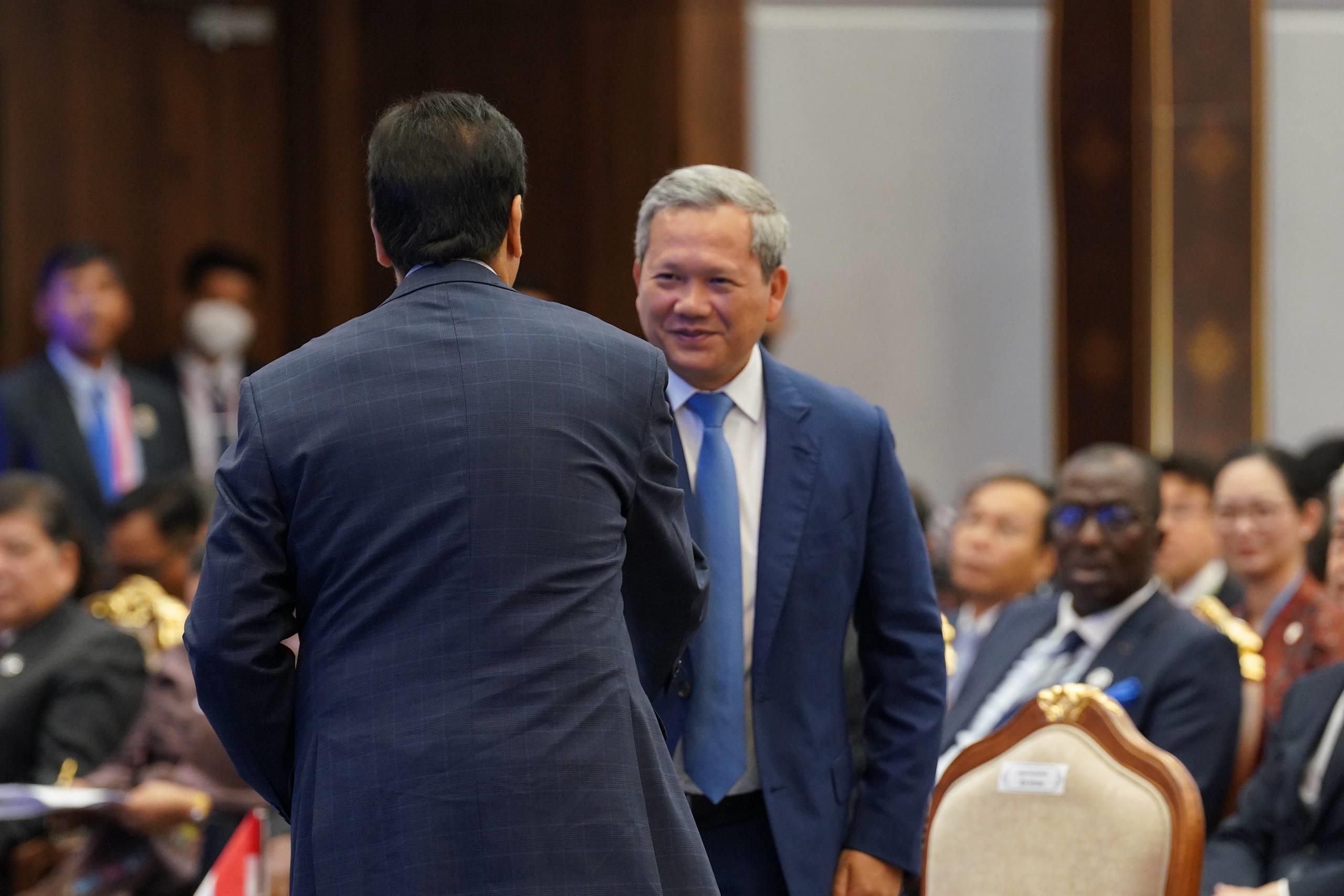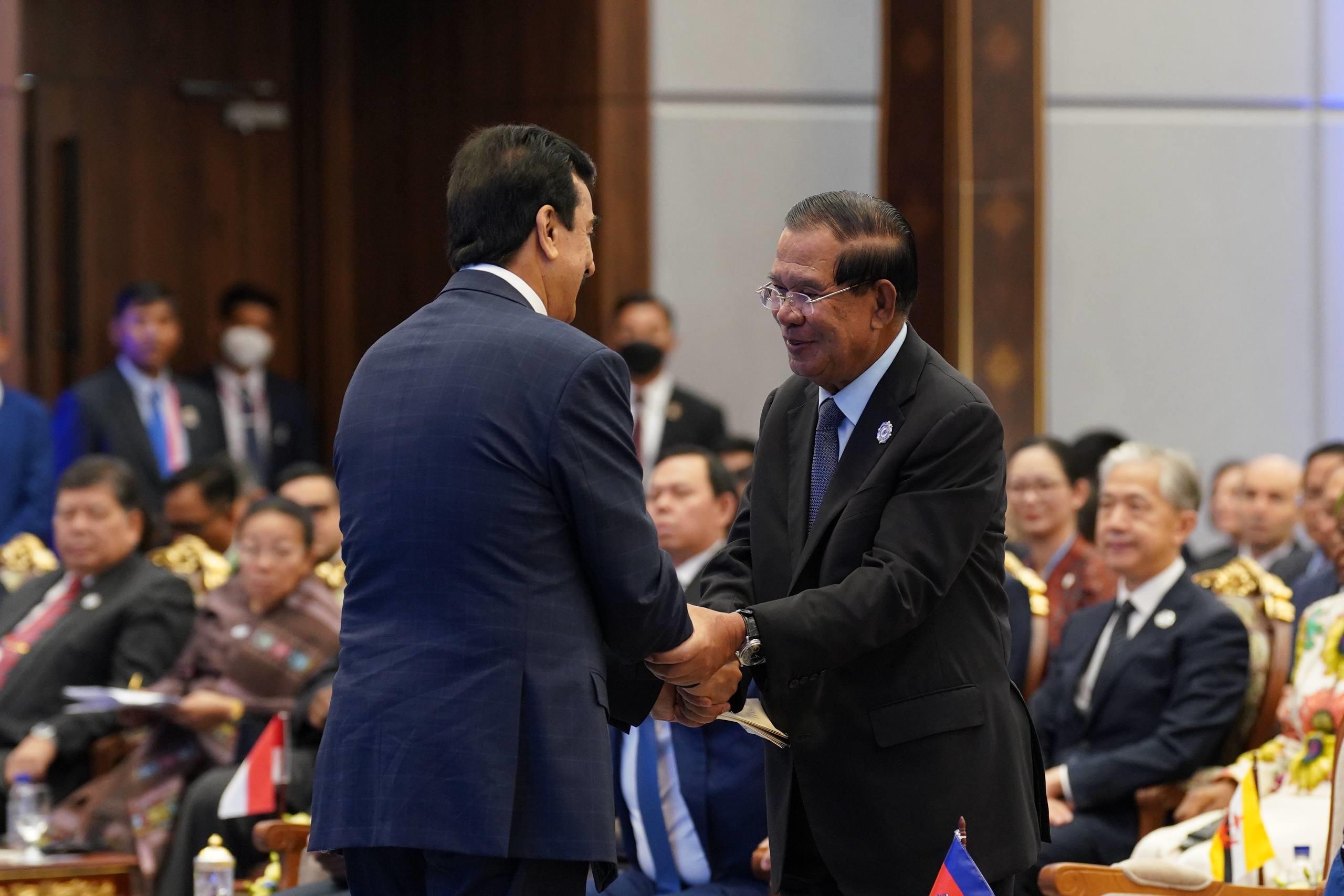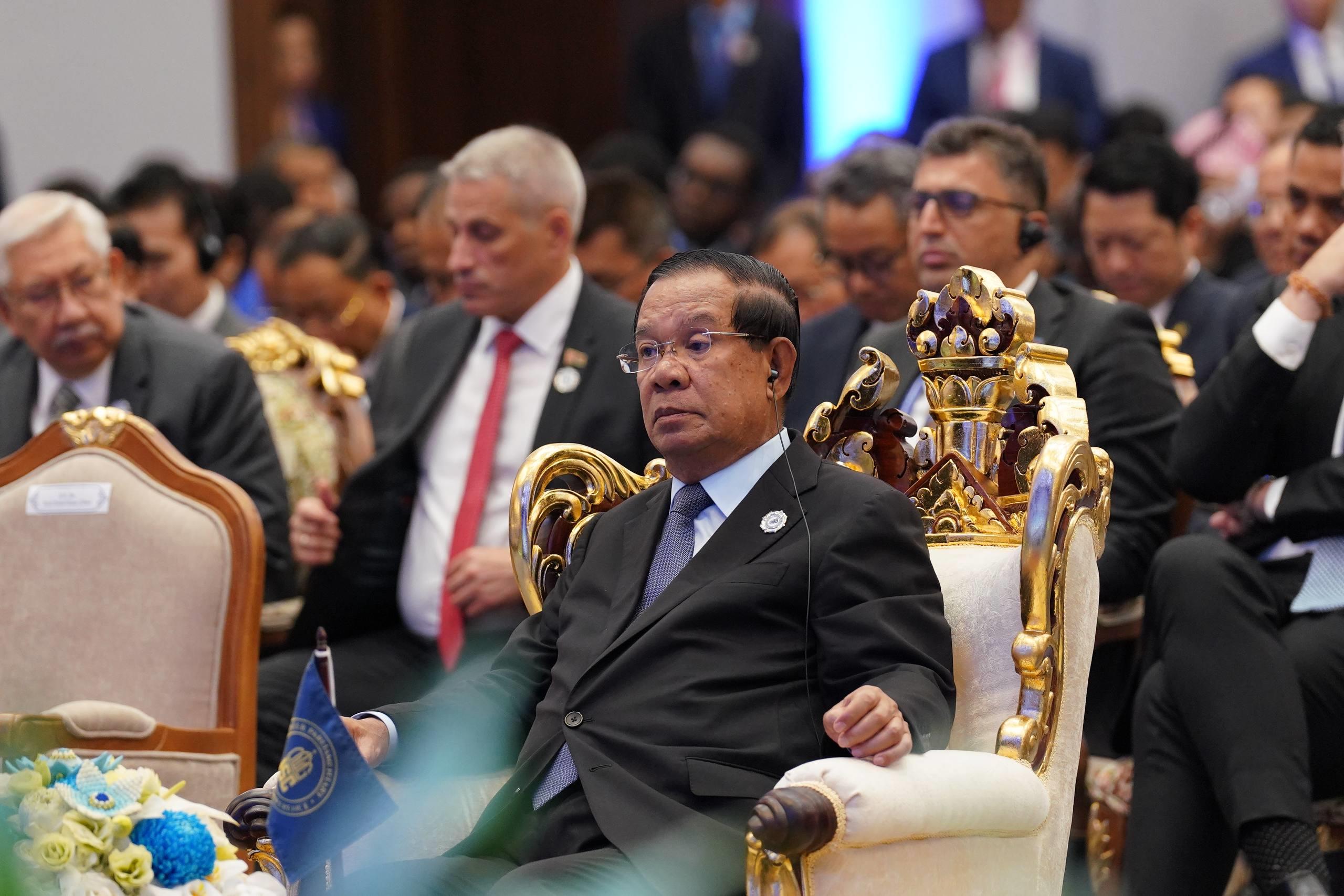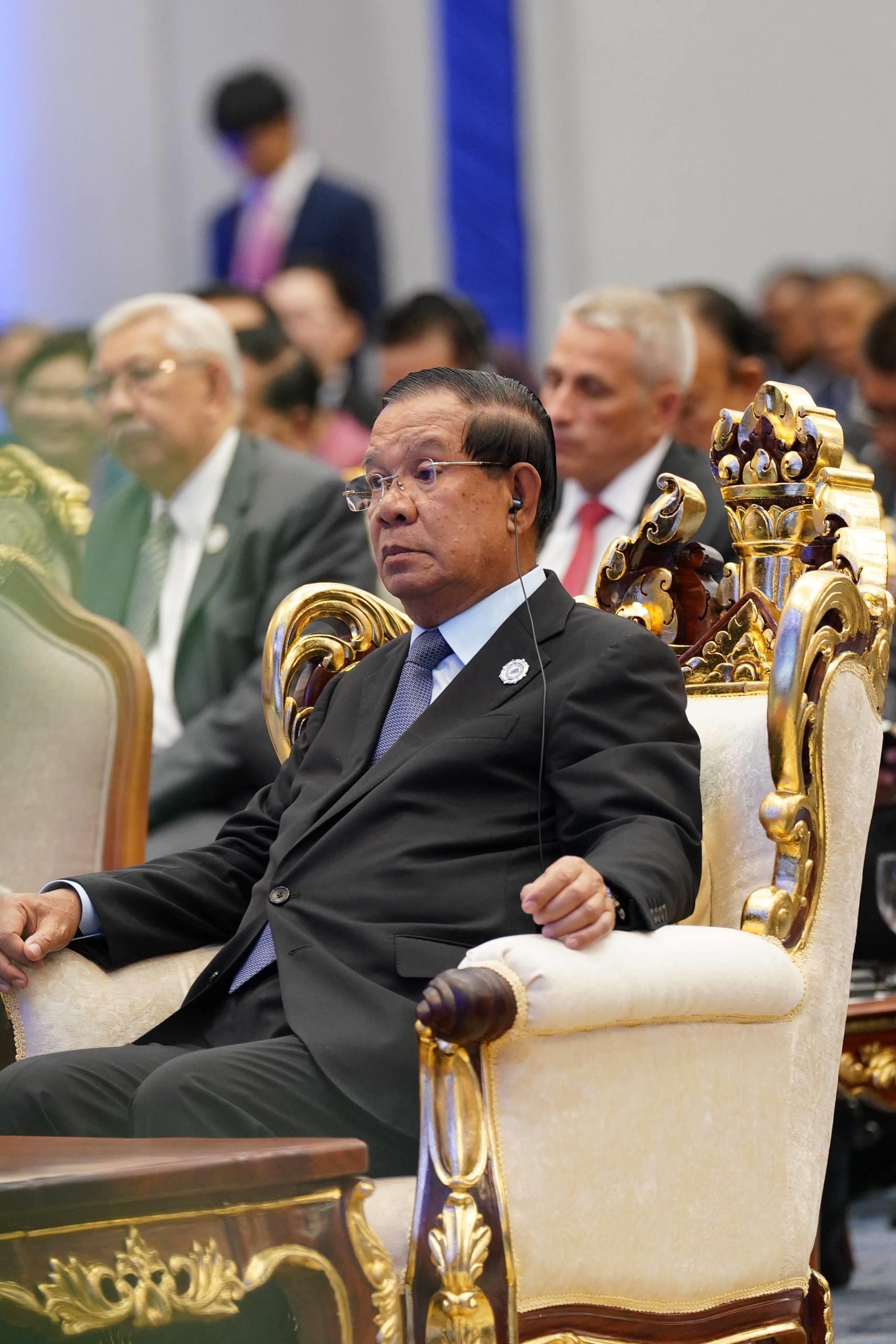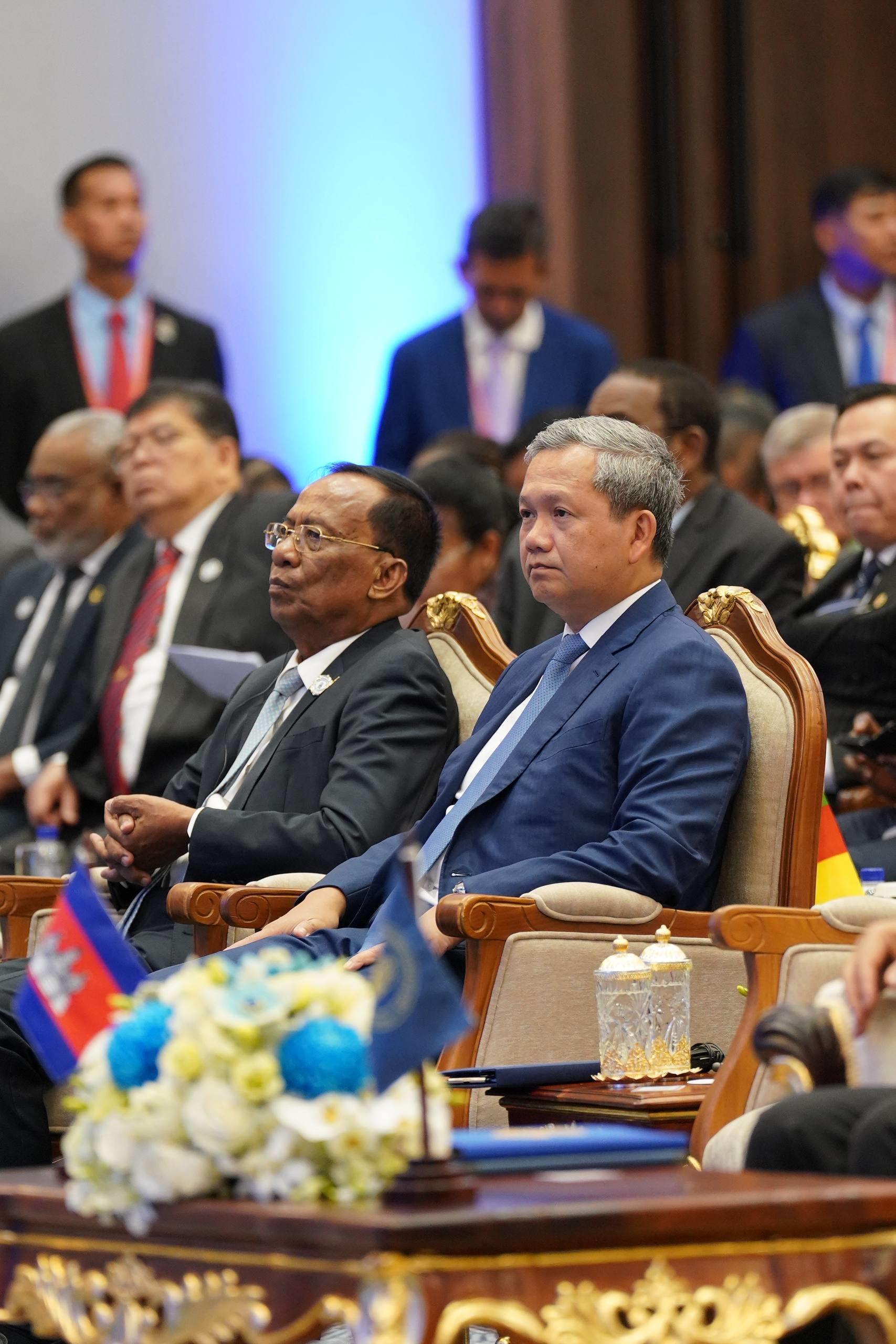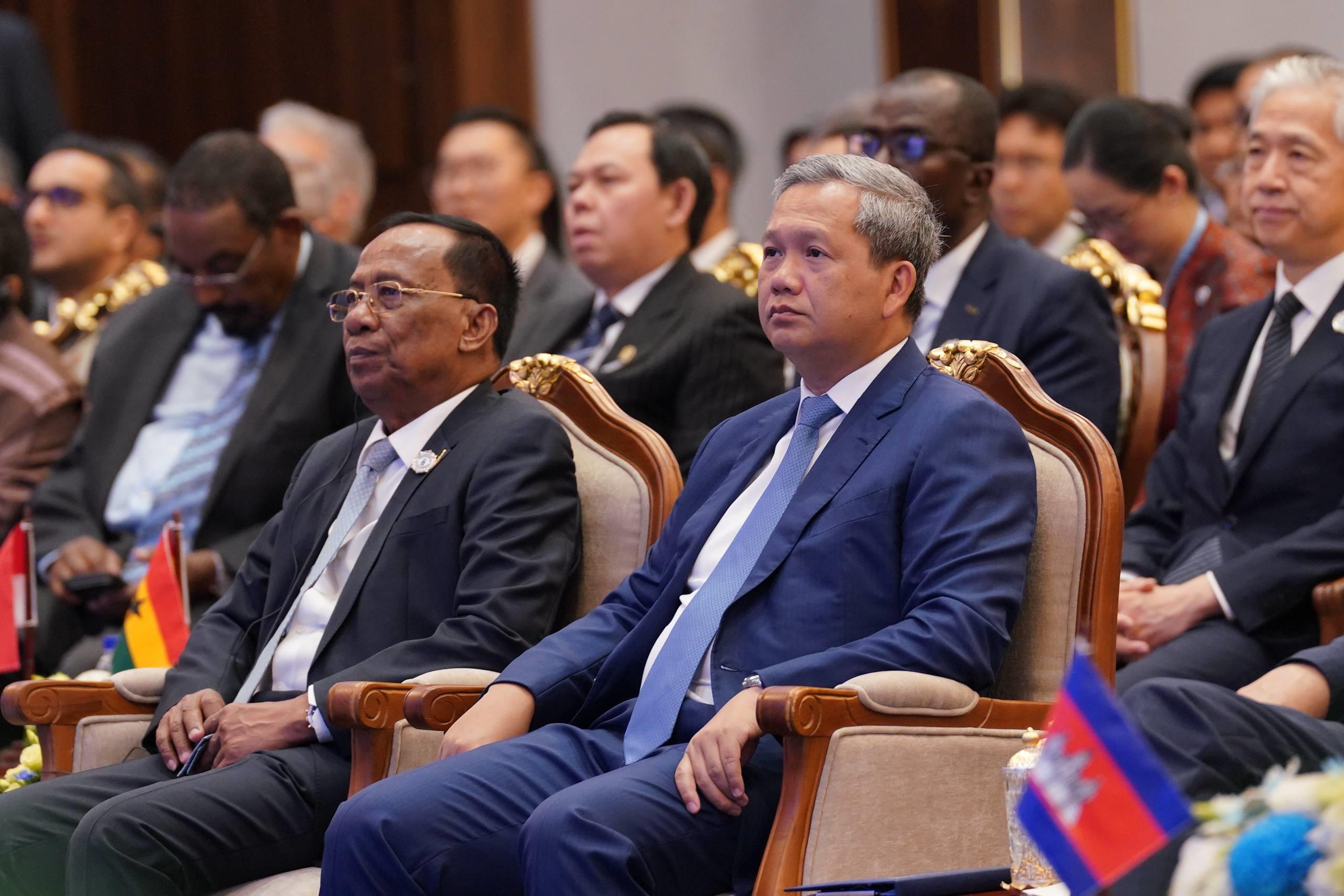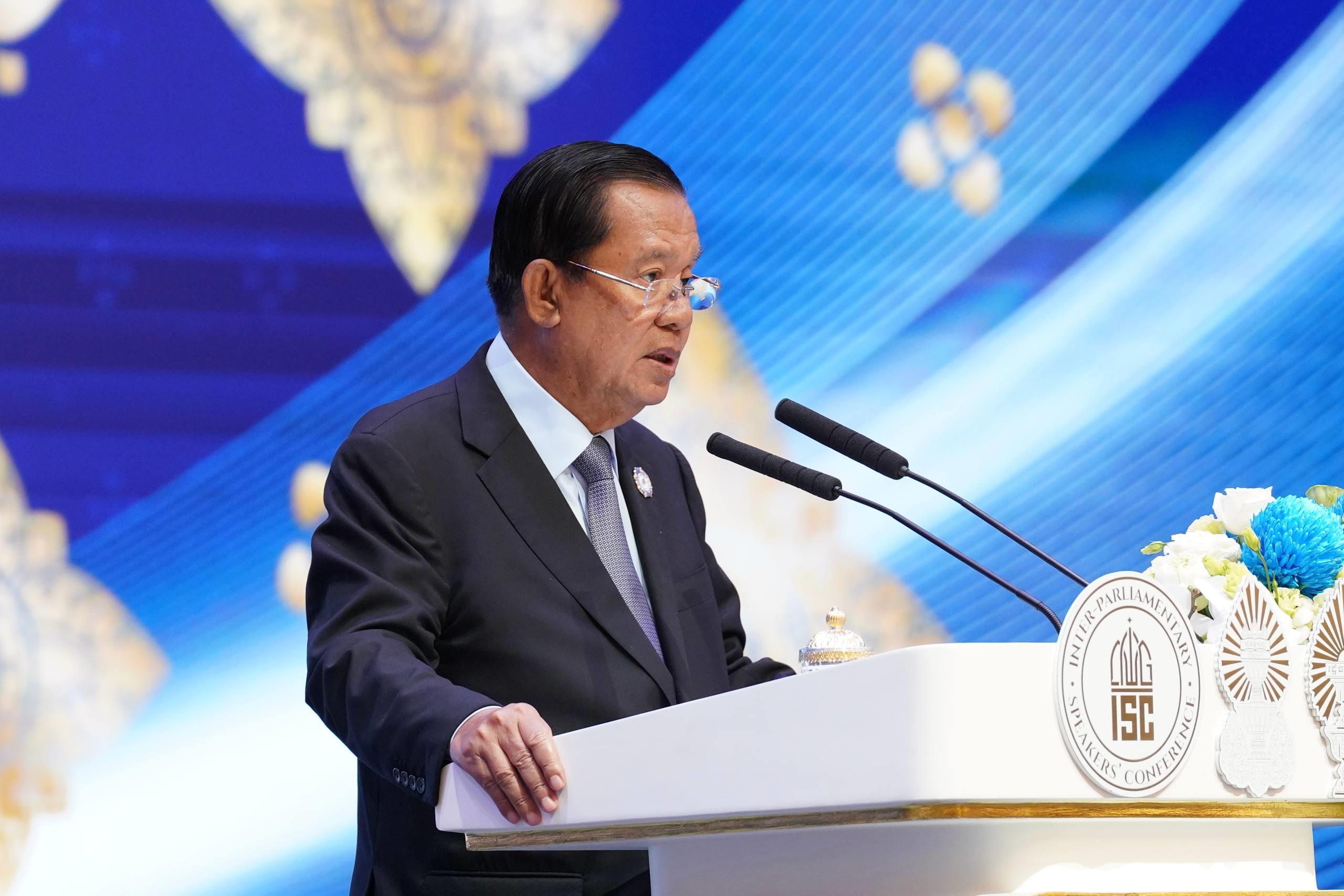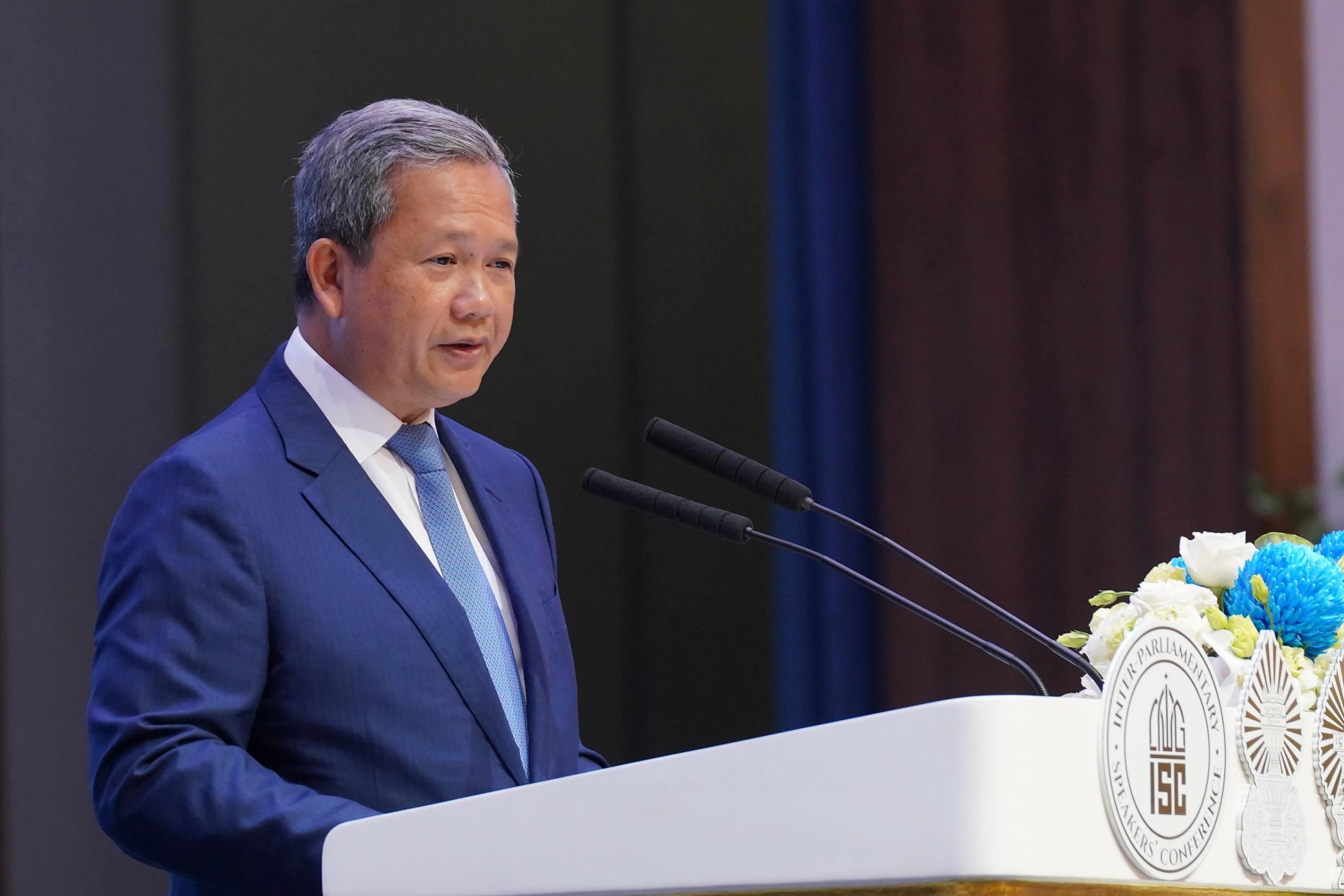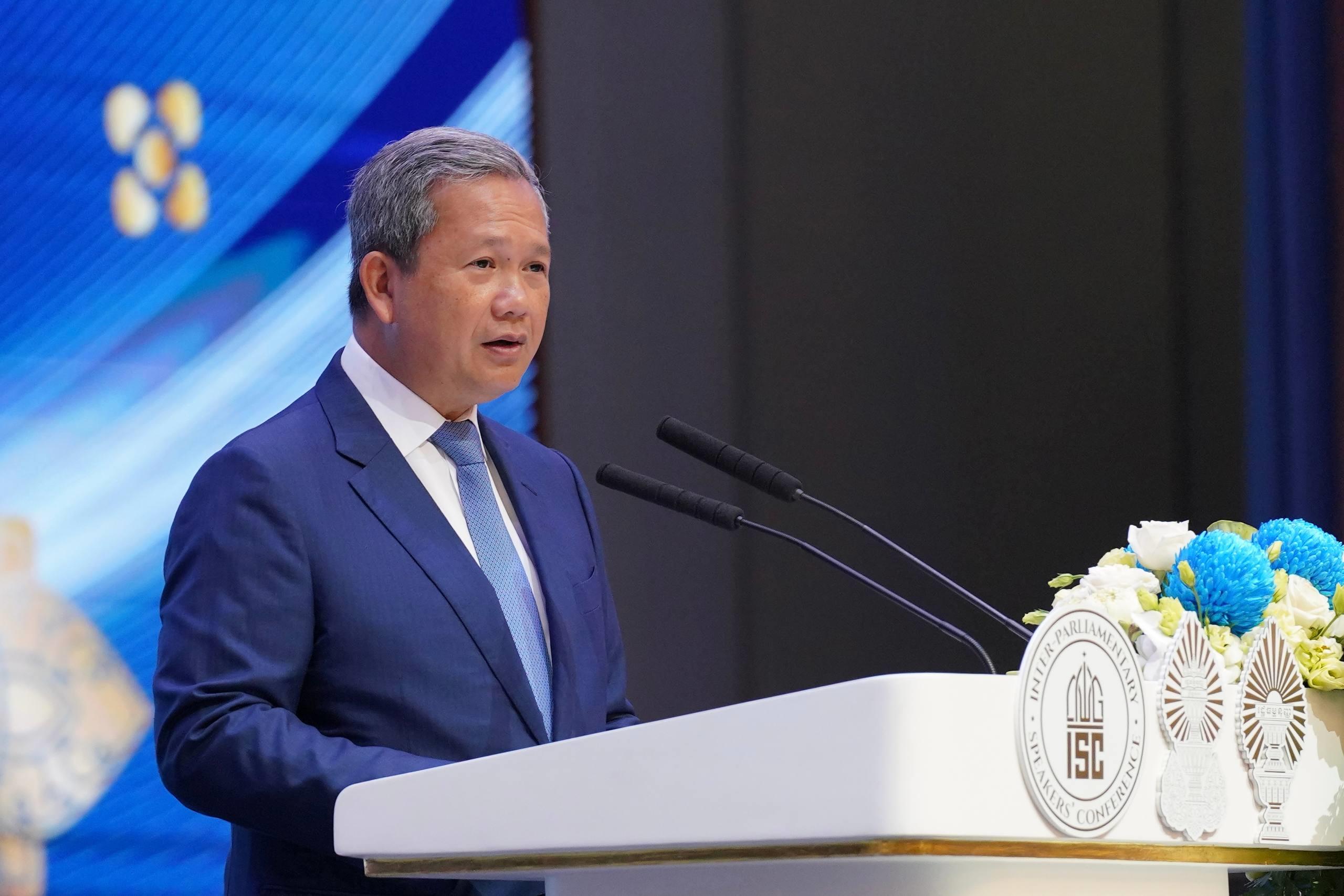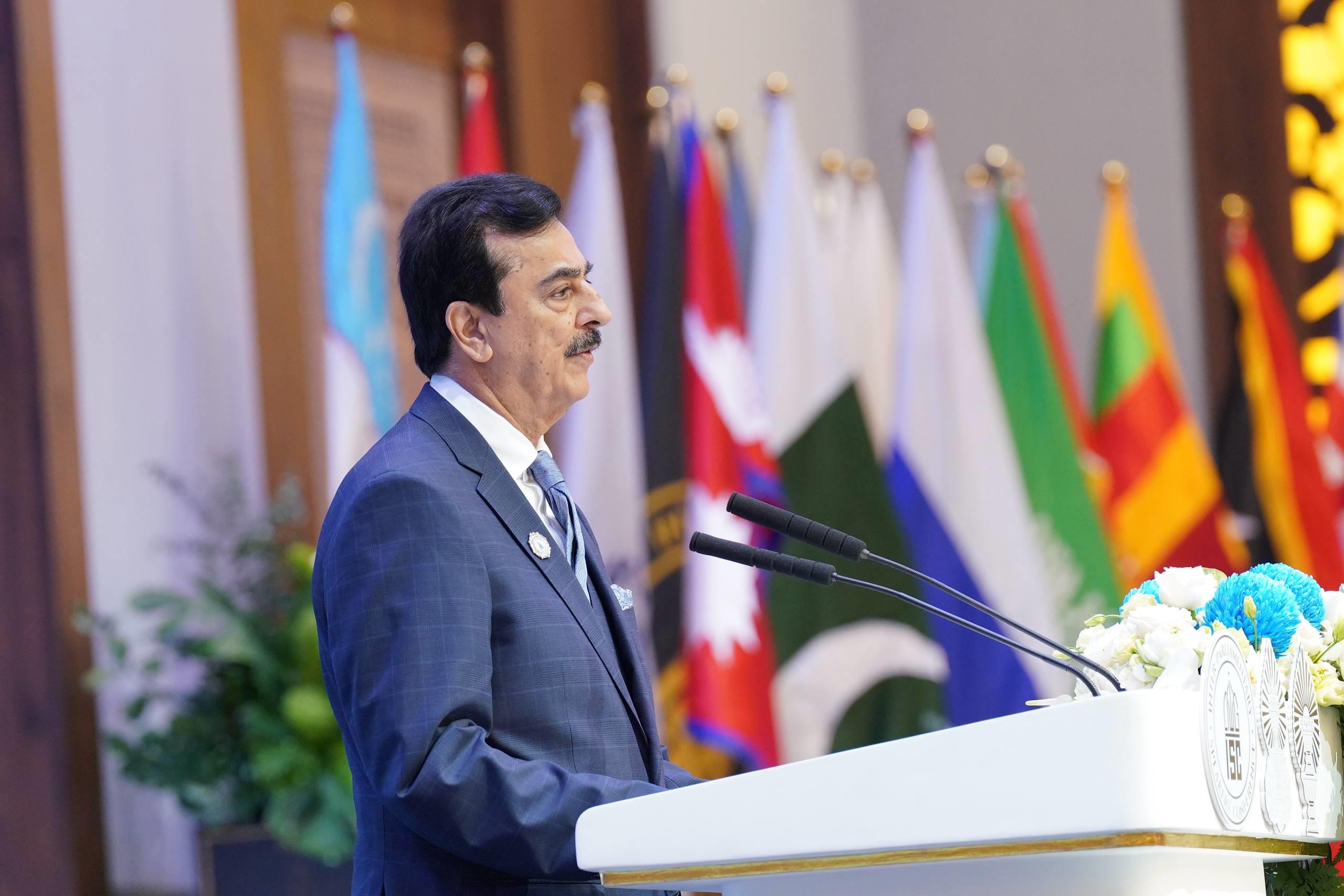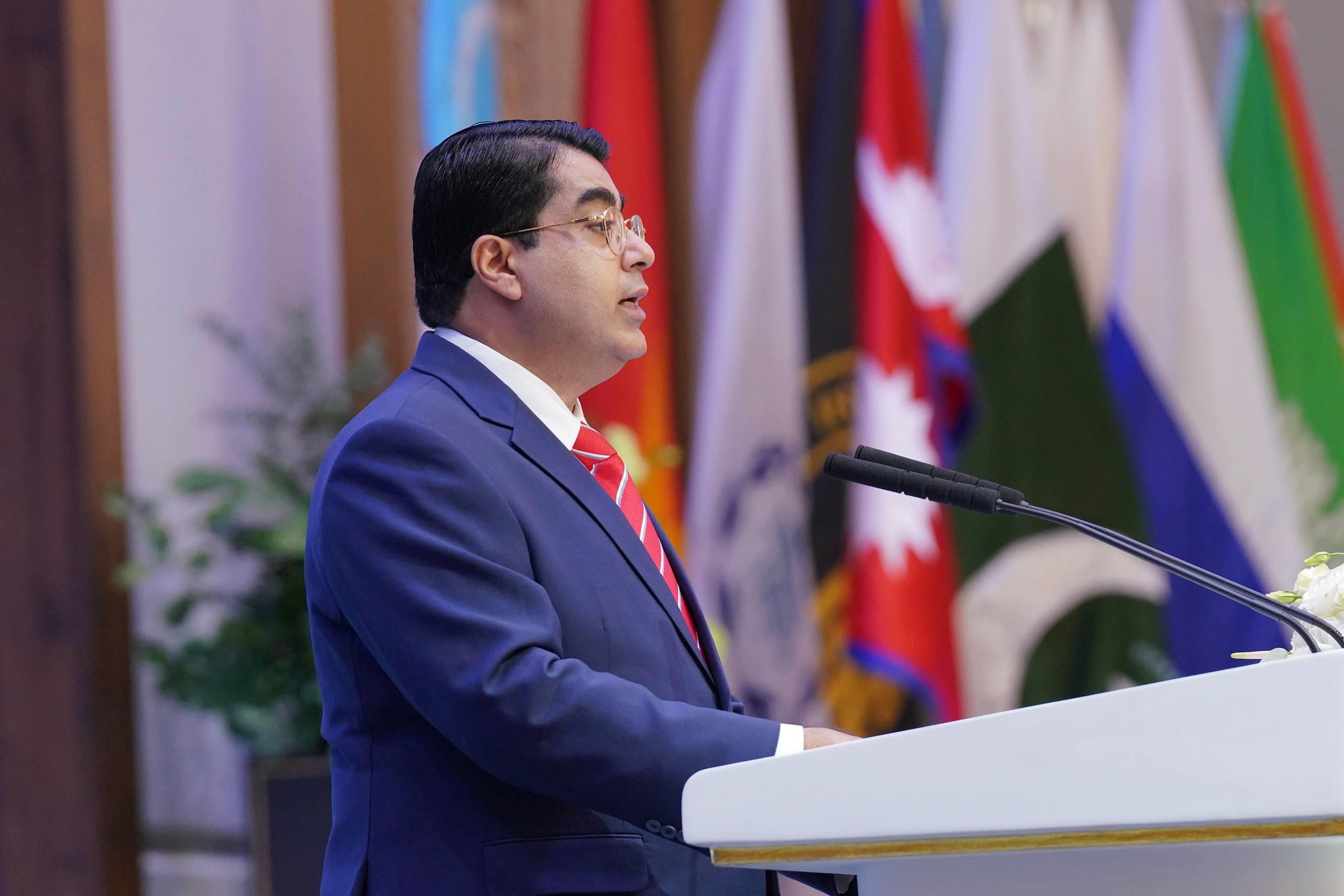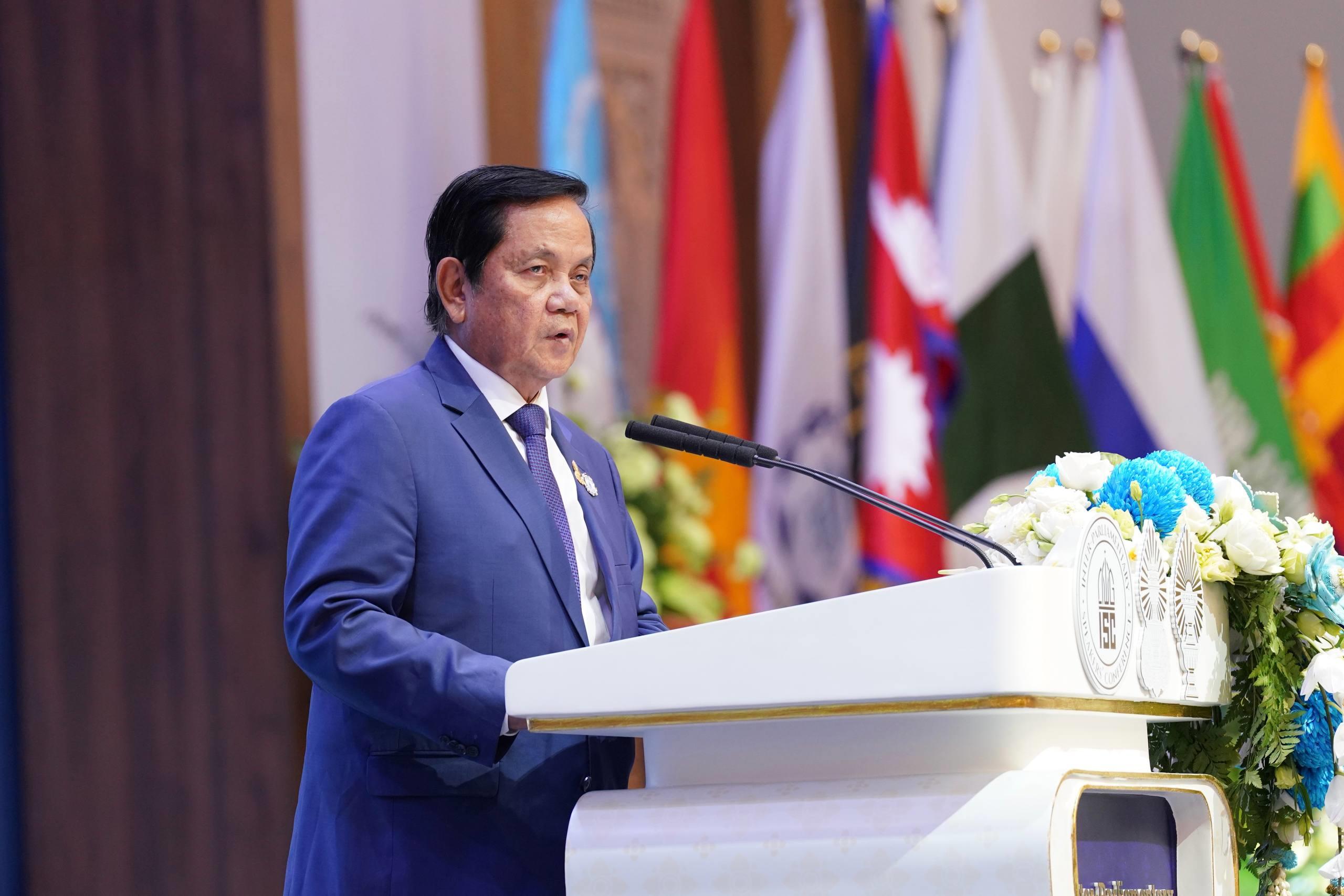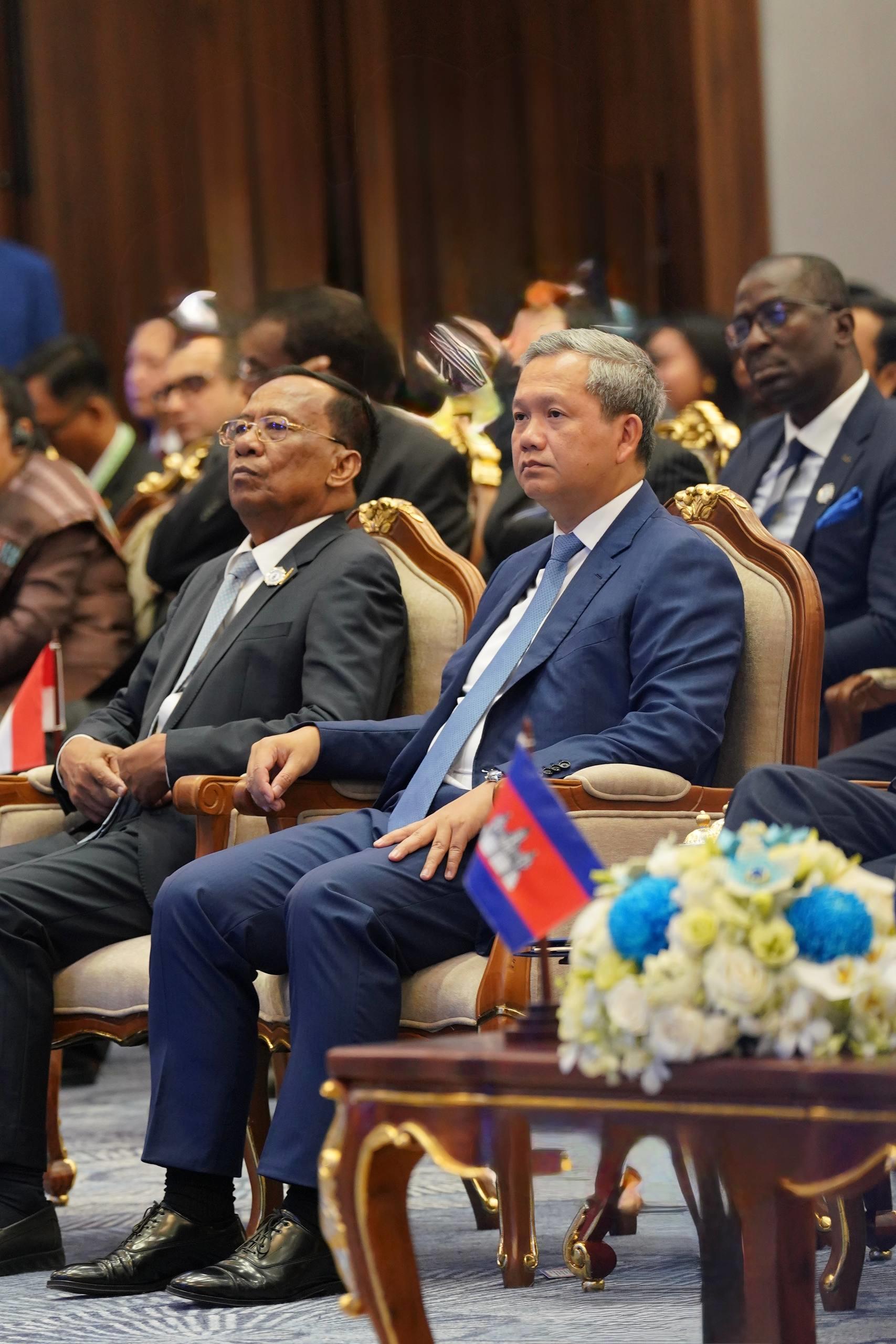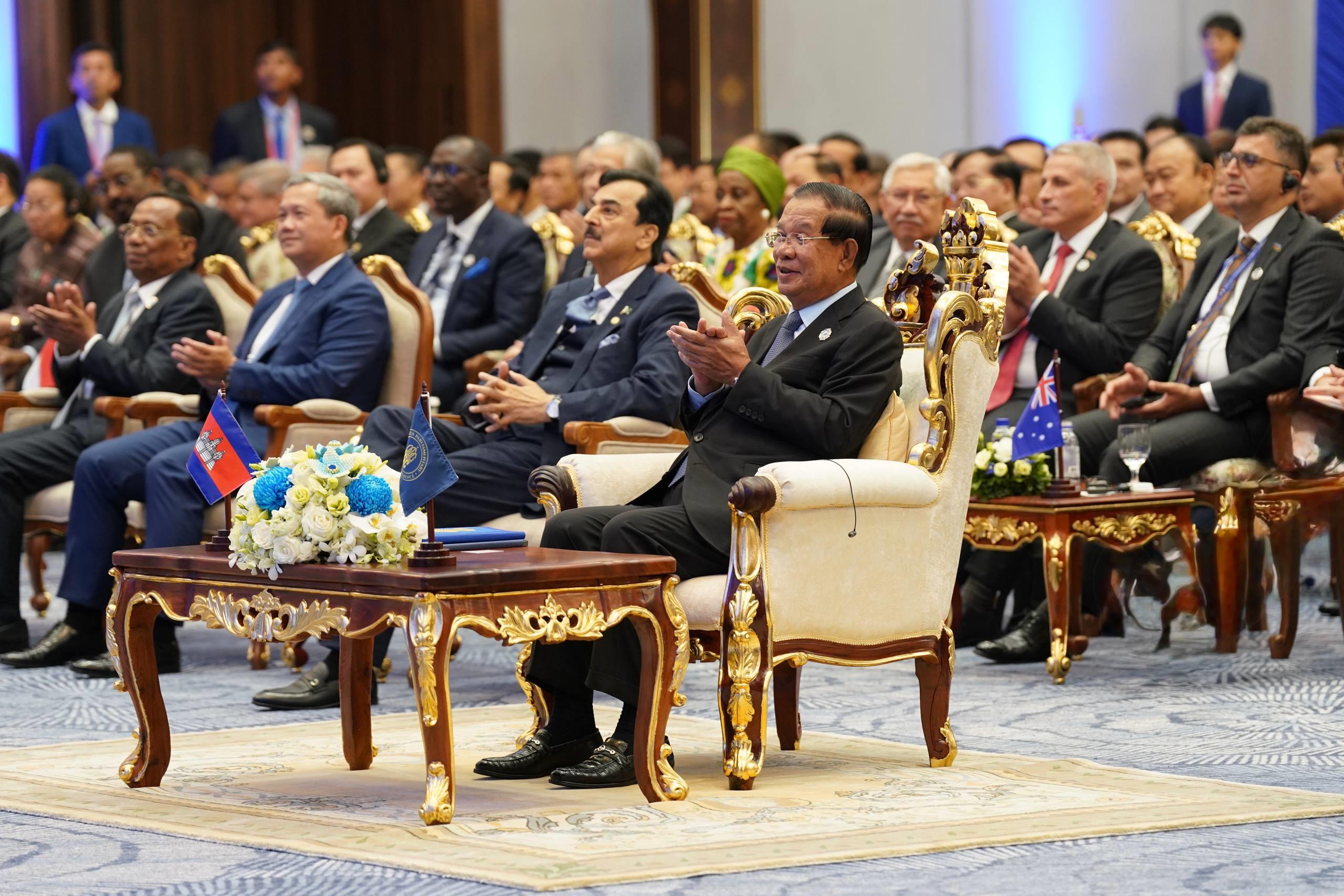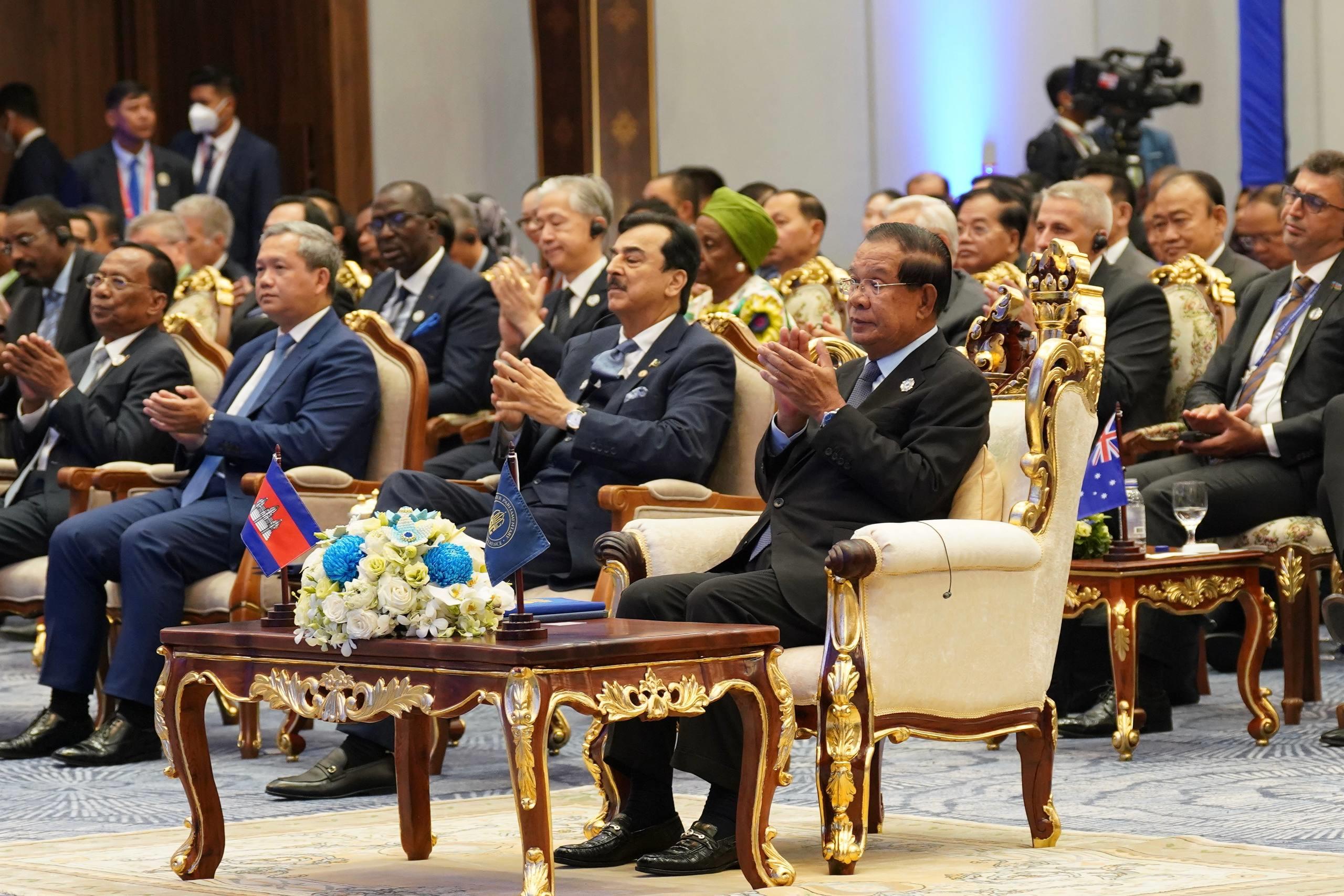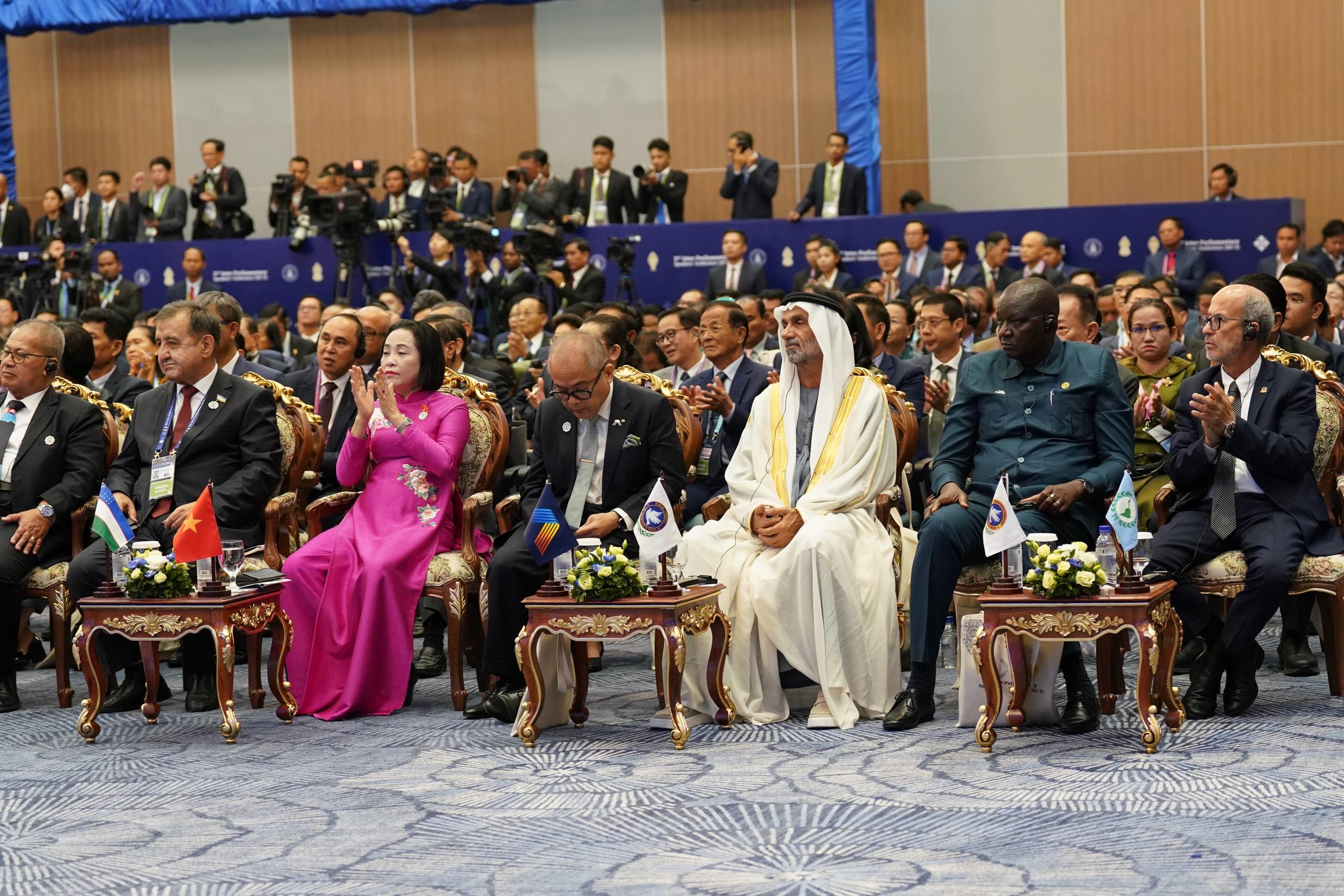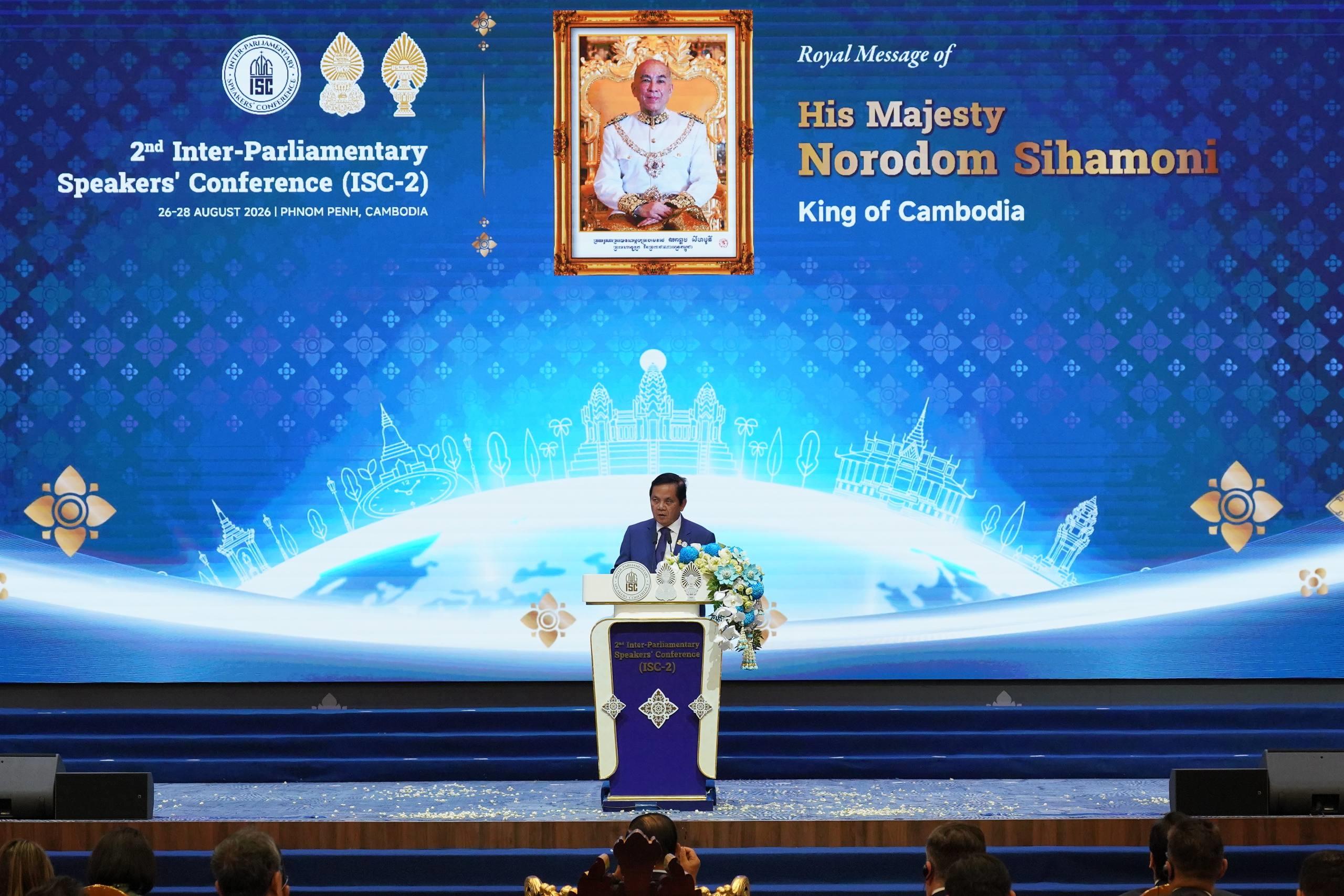

(Phnom Penh): Cambodian Prime Minister Hun Manet told international parliamentary leaders that Thai troops continue to occupy areas inside Cambodian territory, including locations beyond Thailand’s unilaterally claimed boundary line.
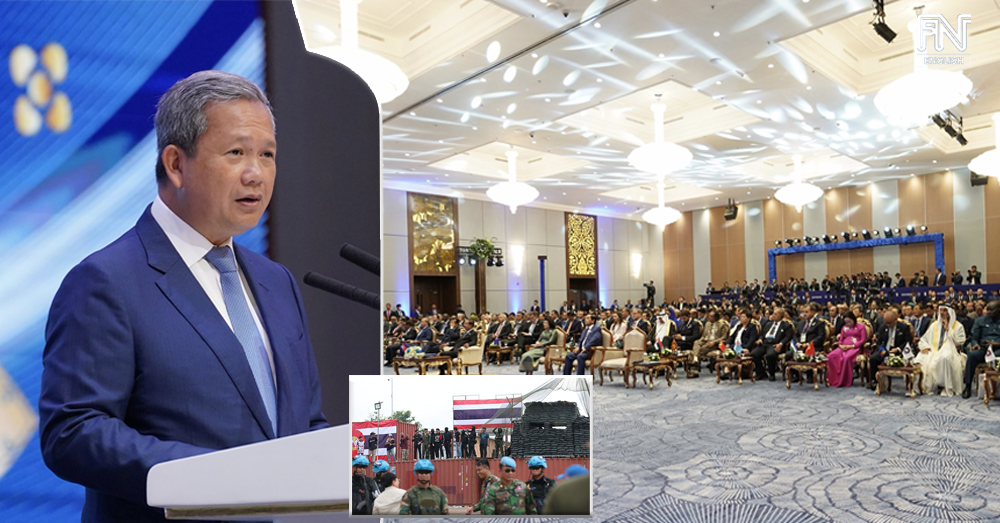
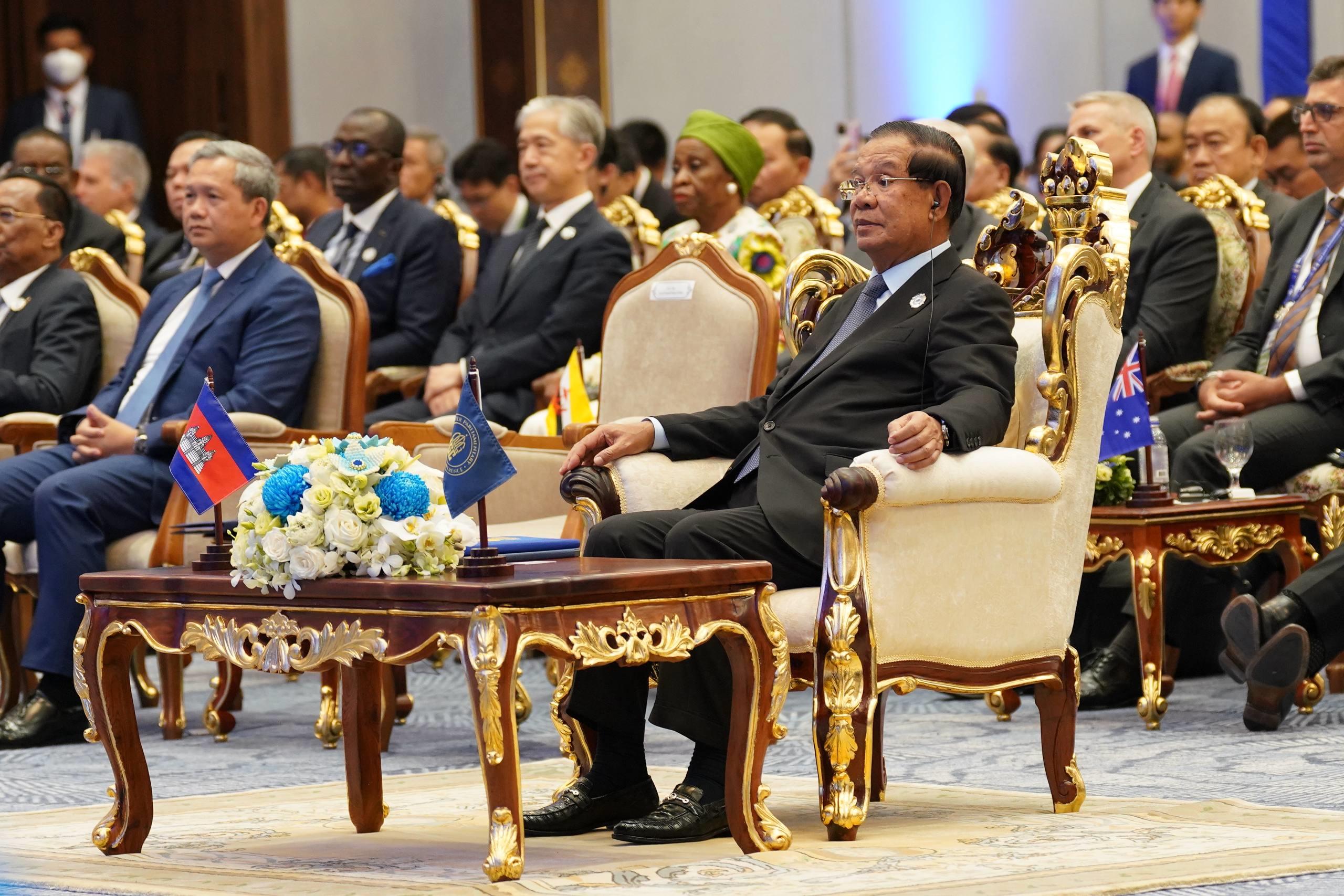
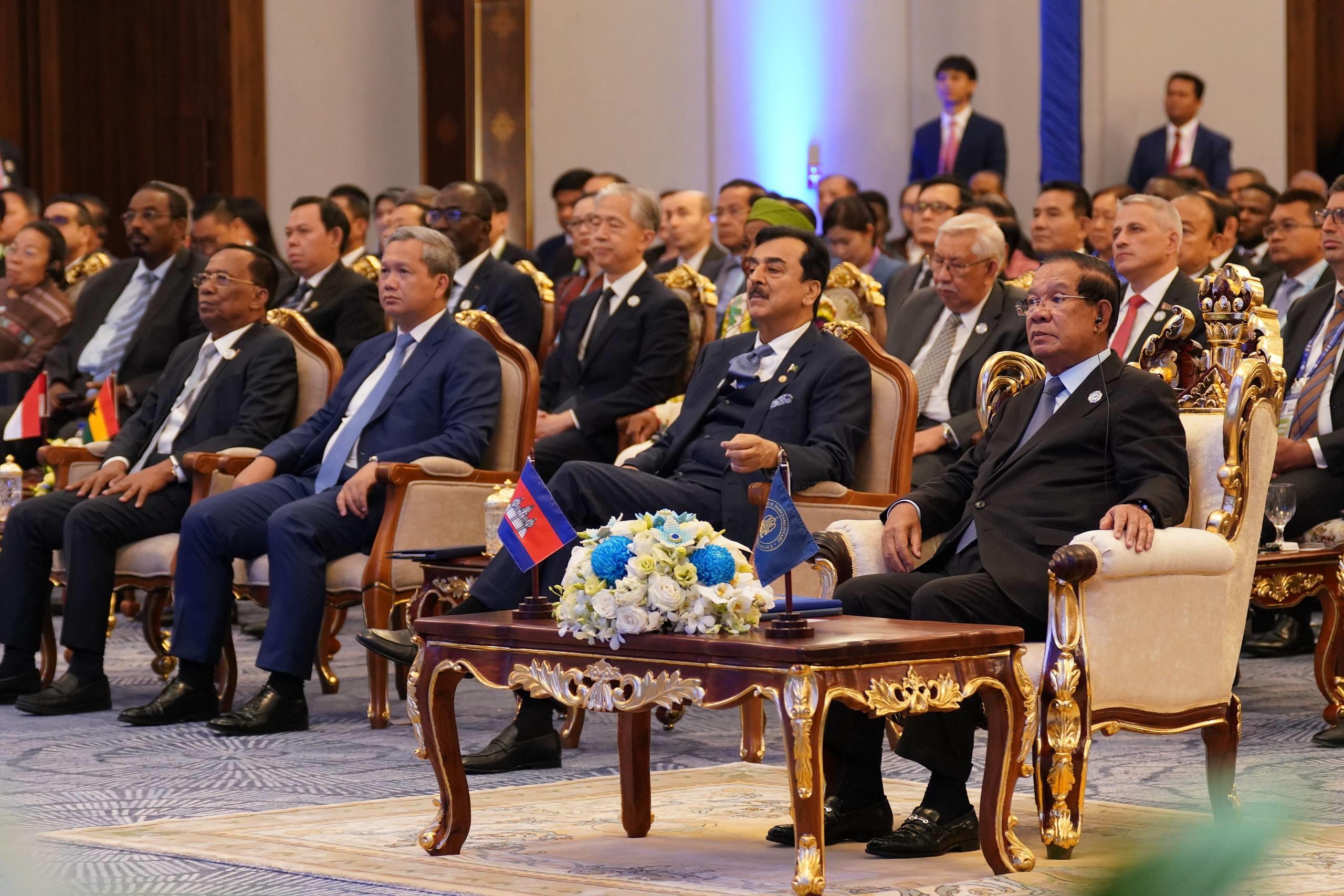
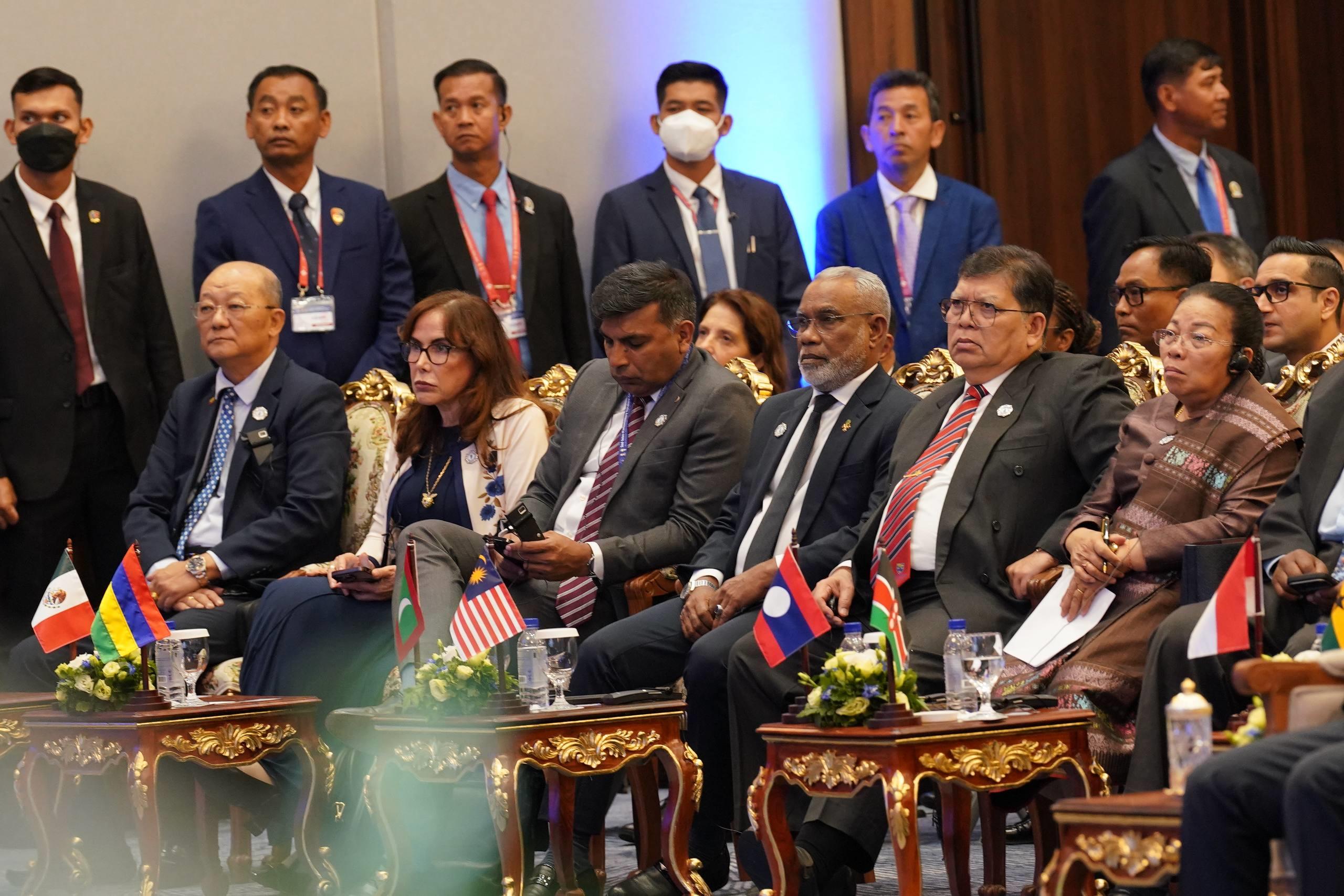
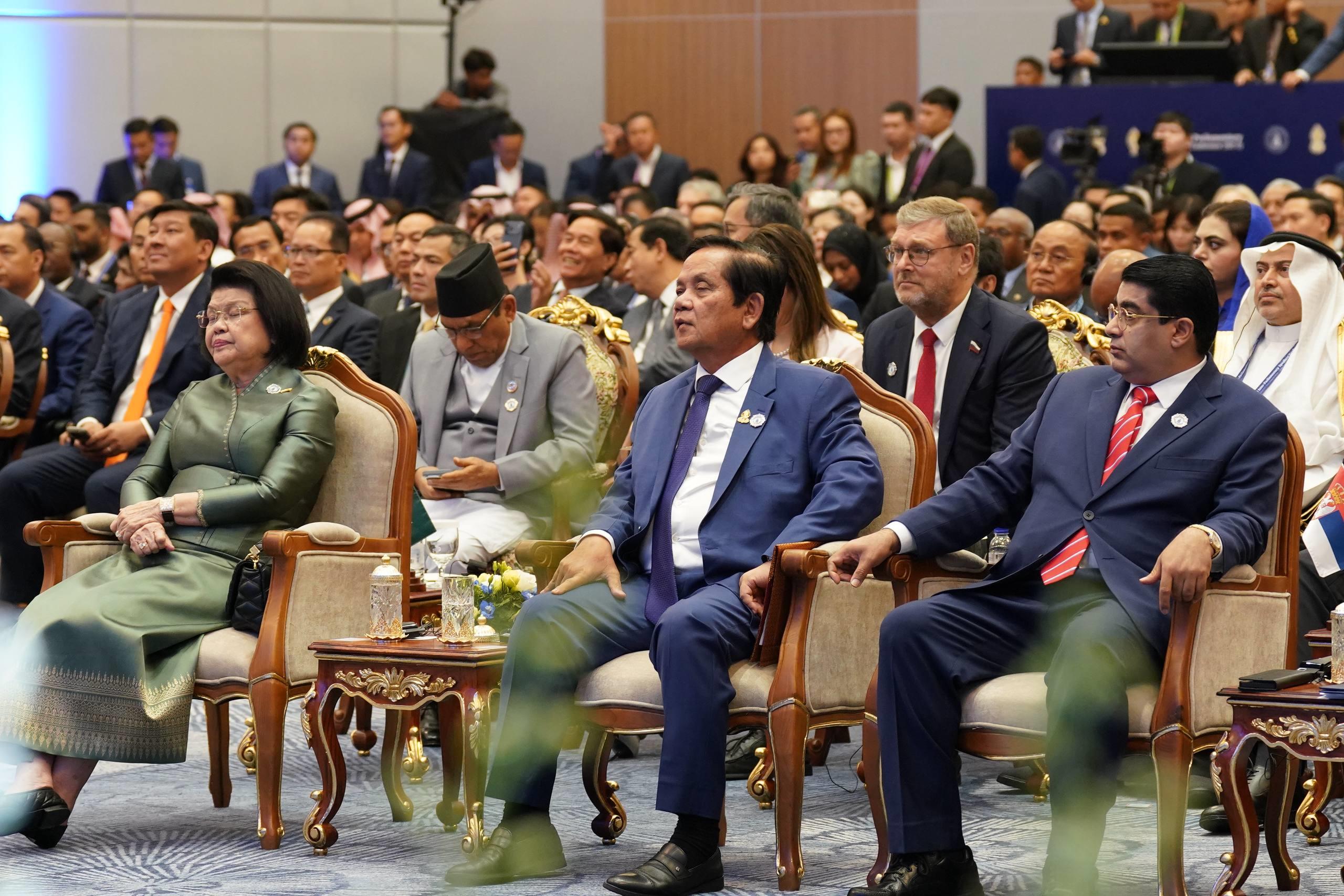
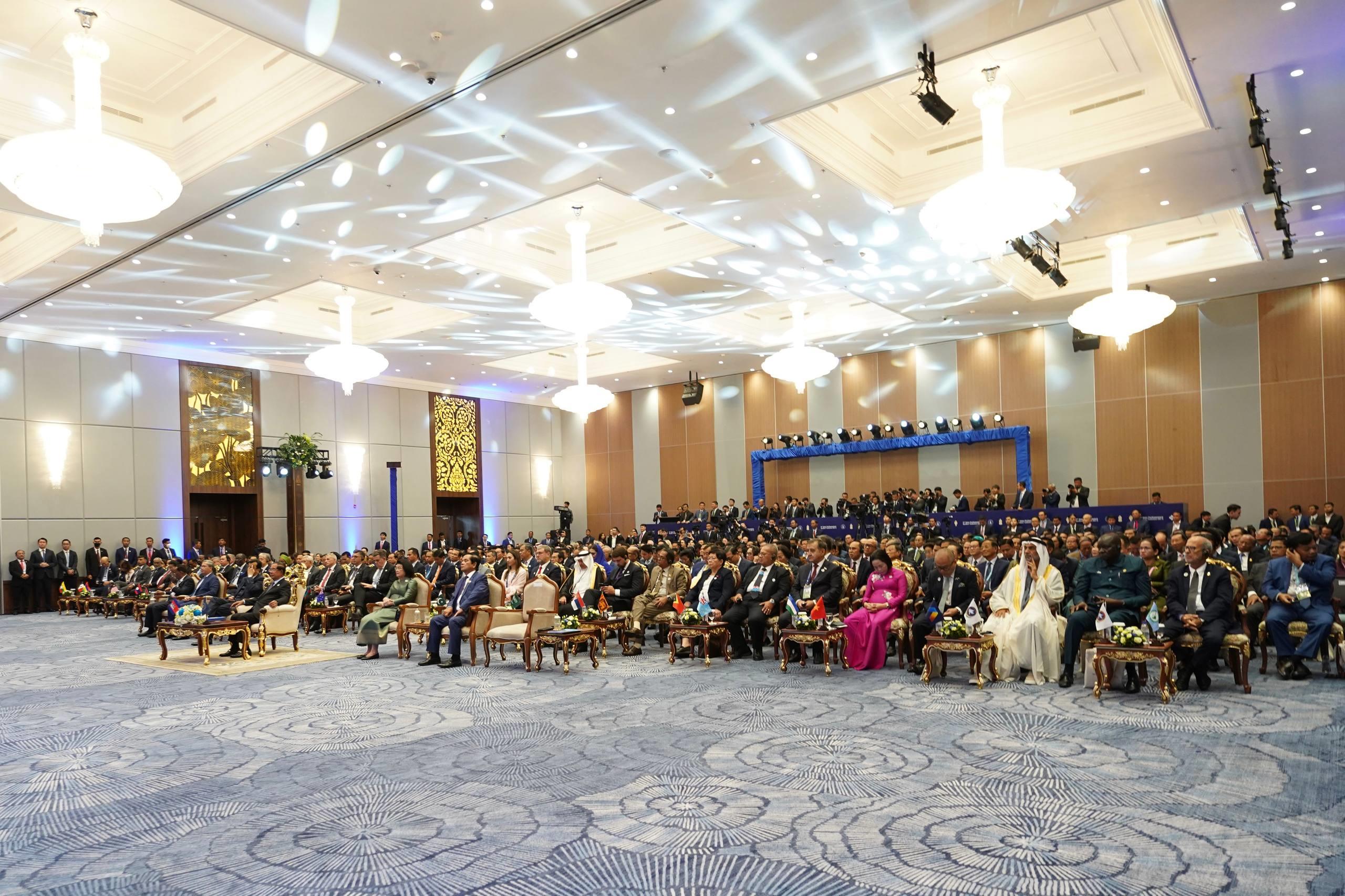
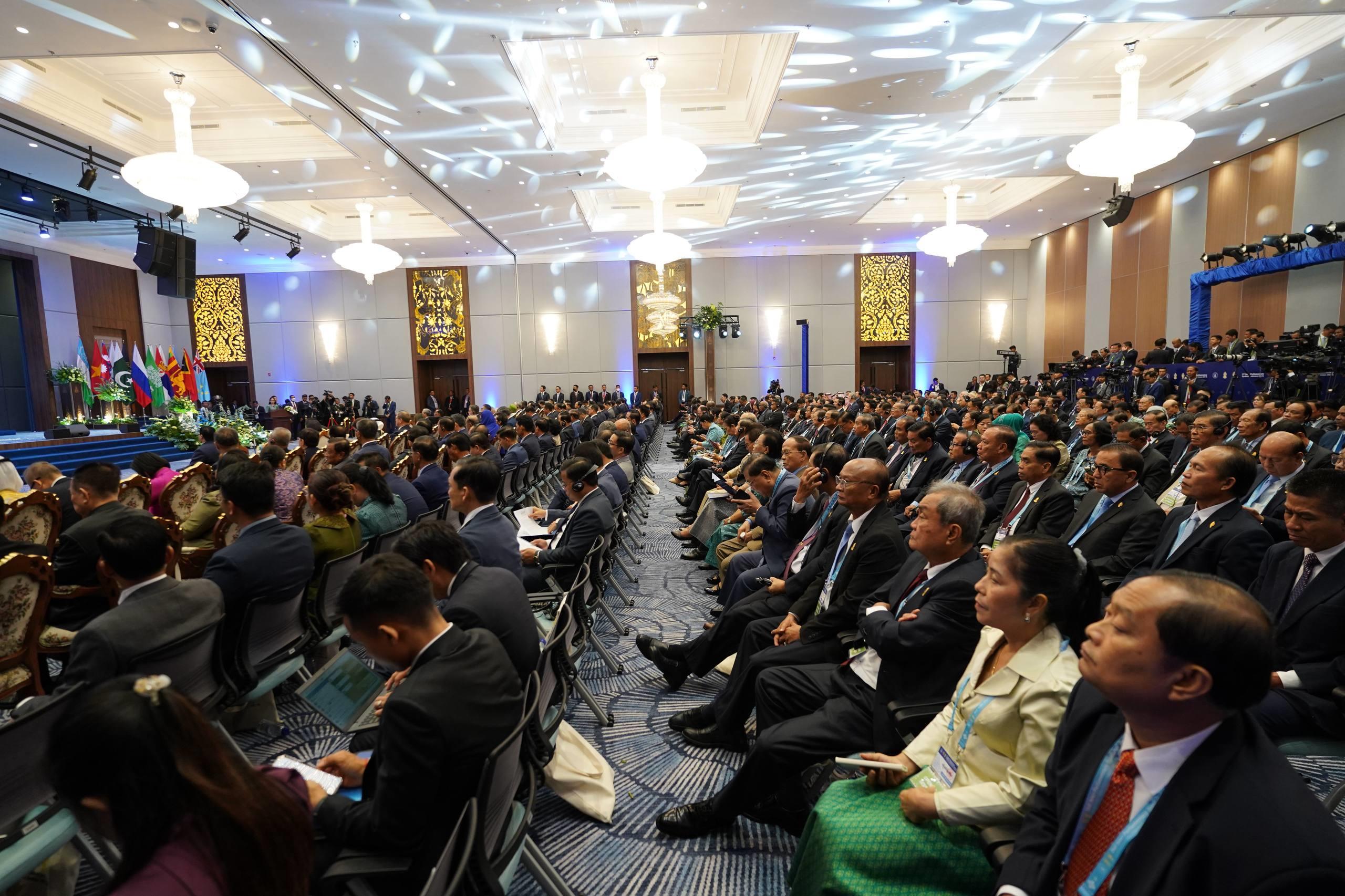
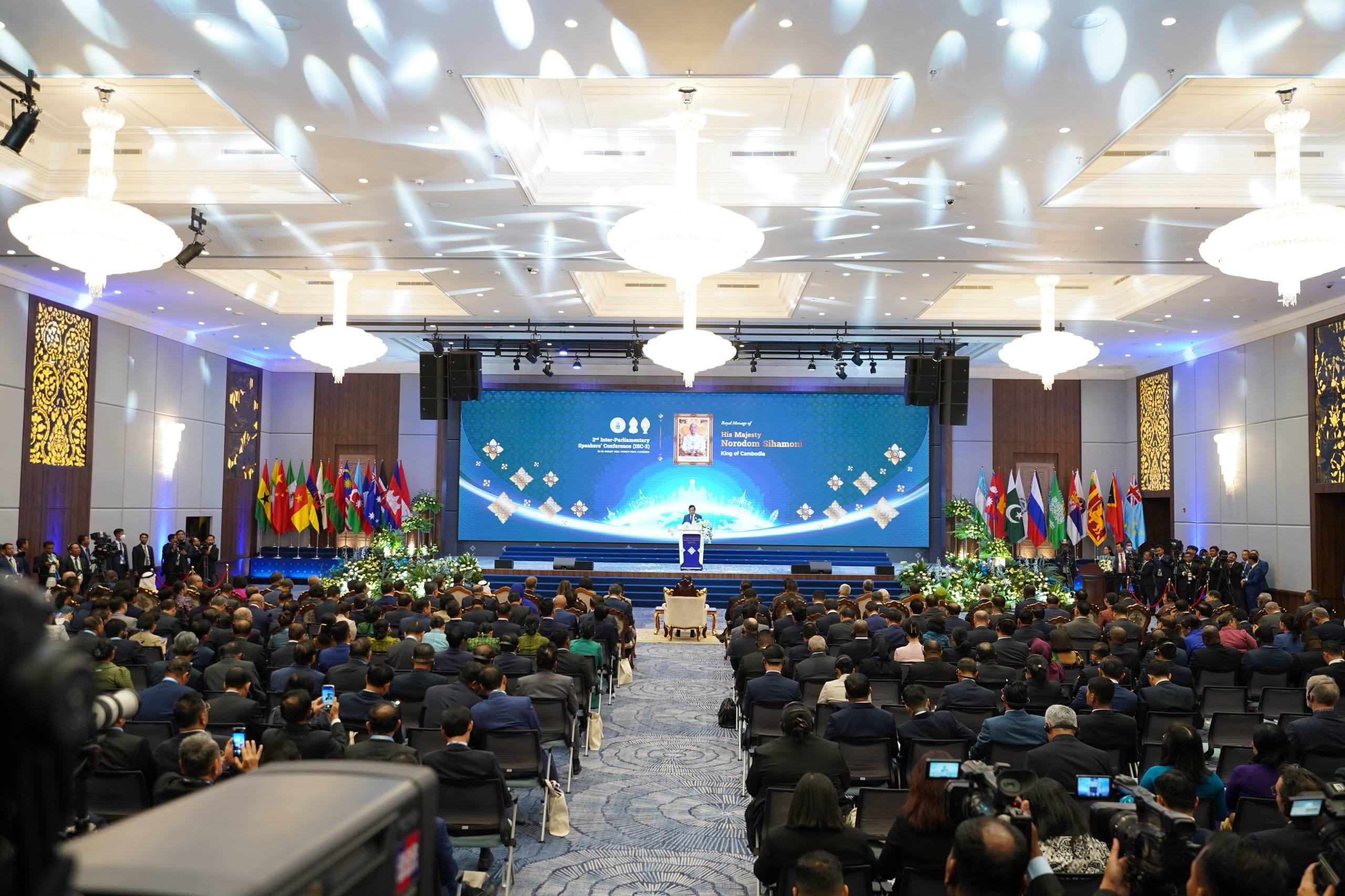
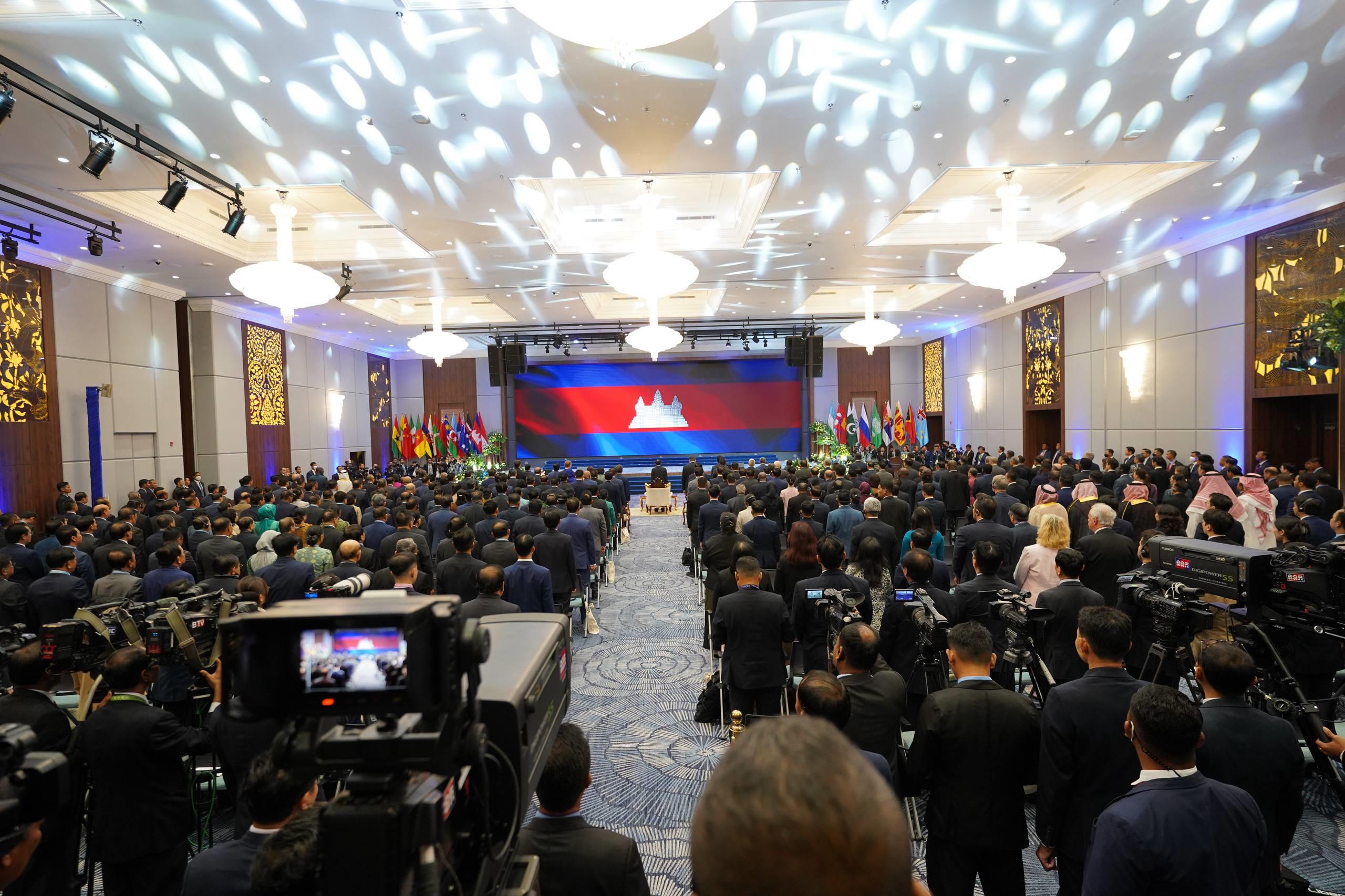
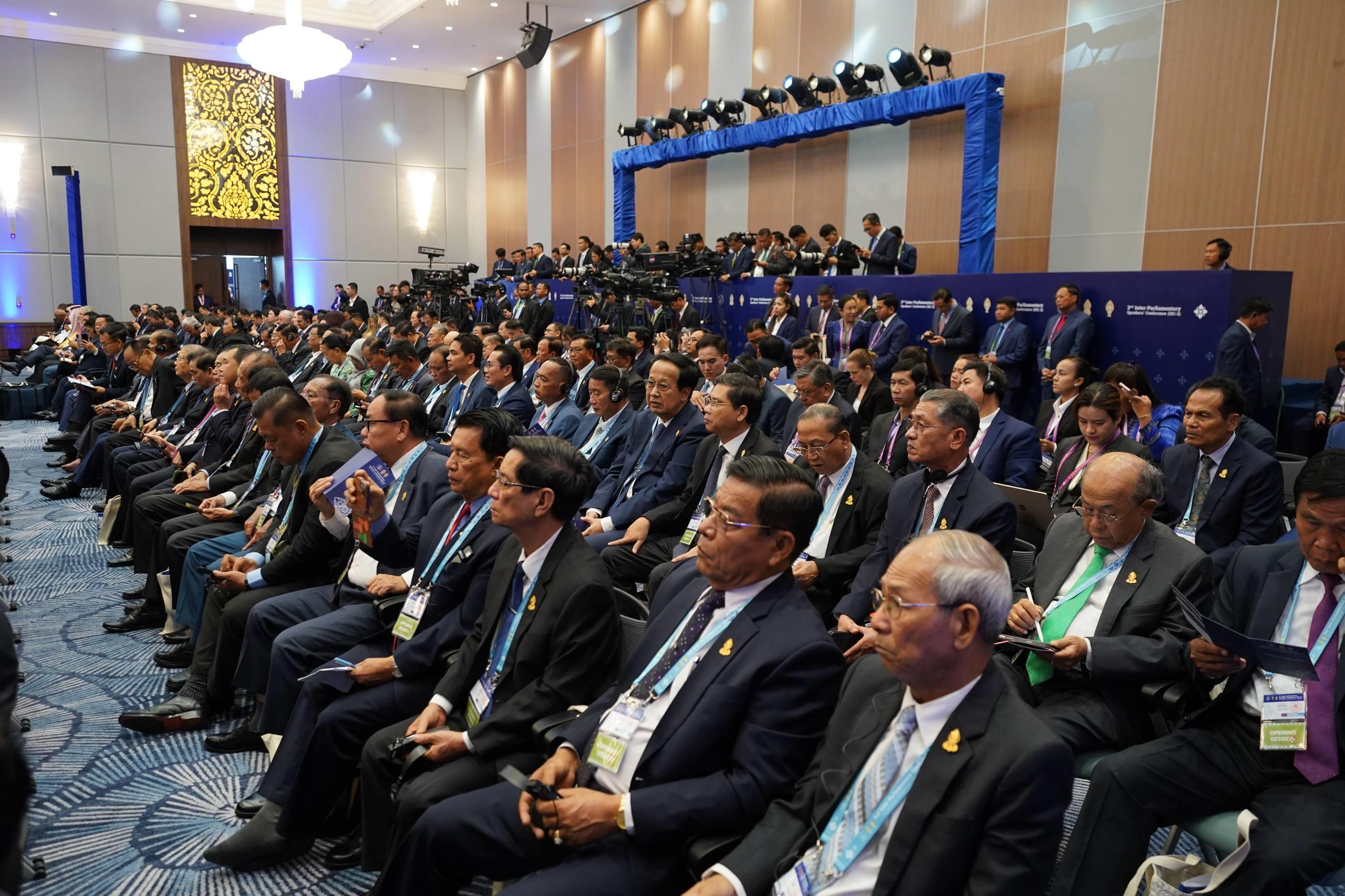
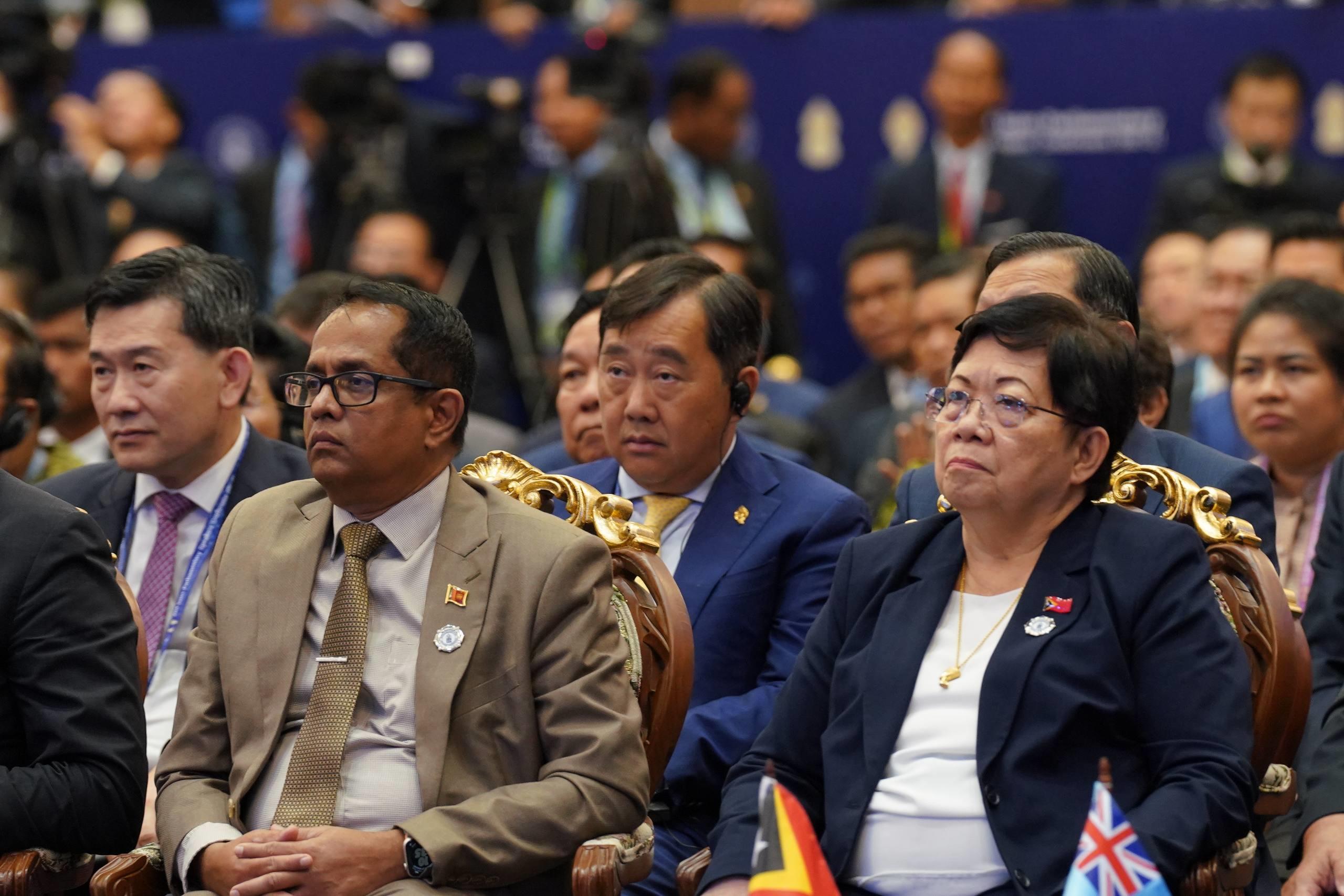
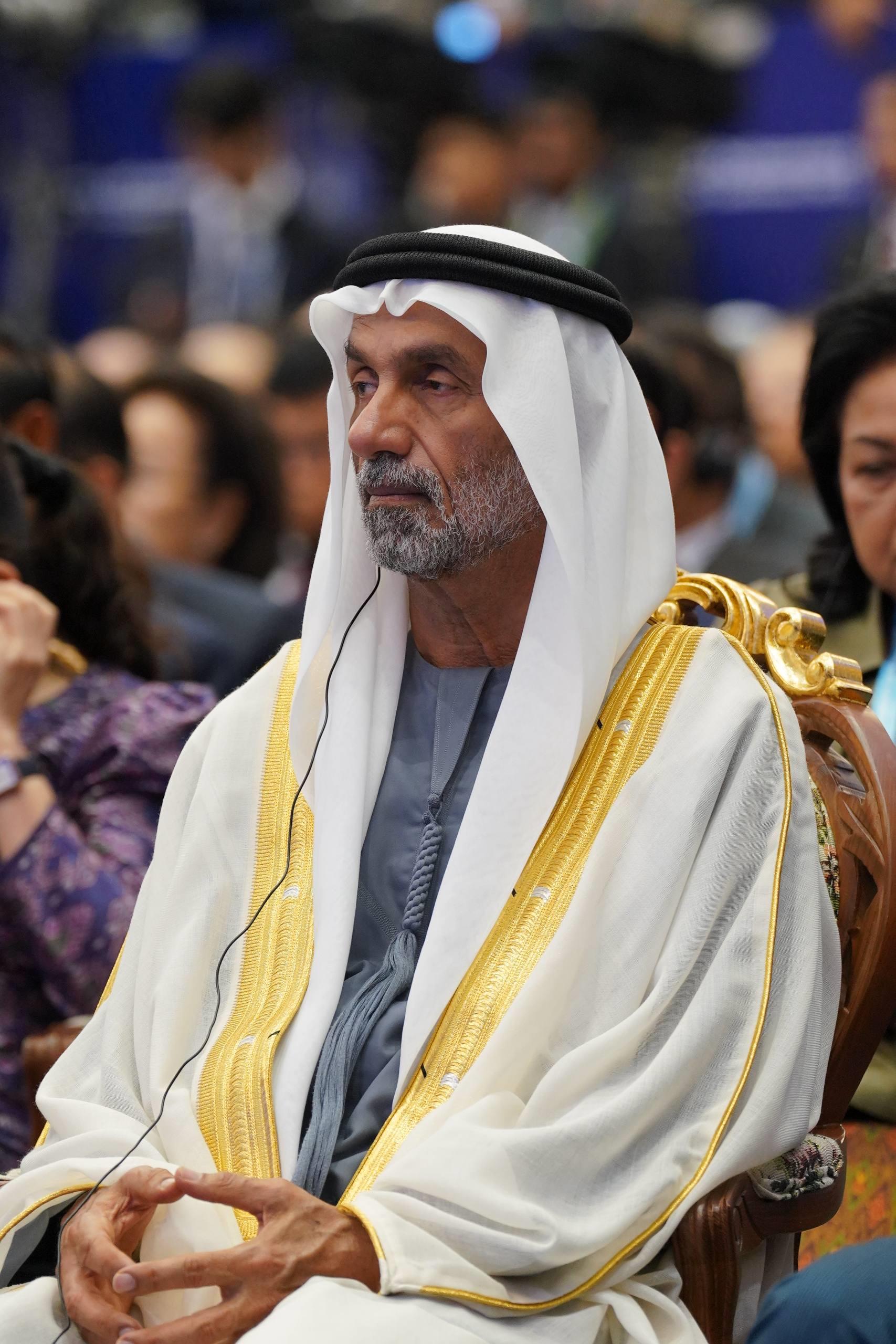
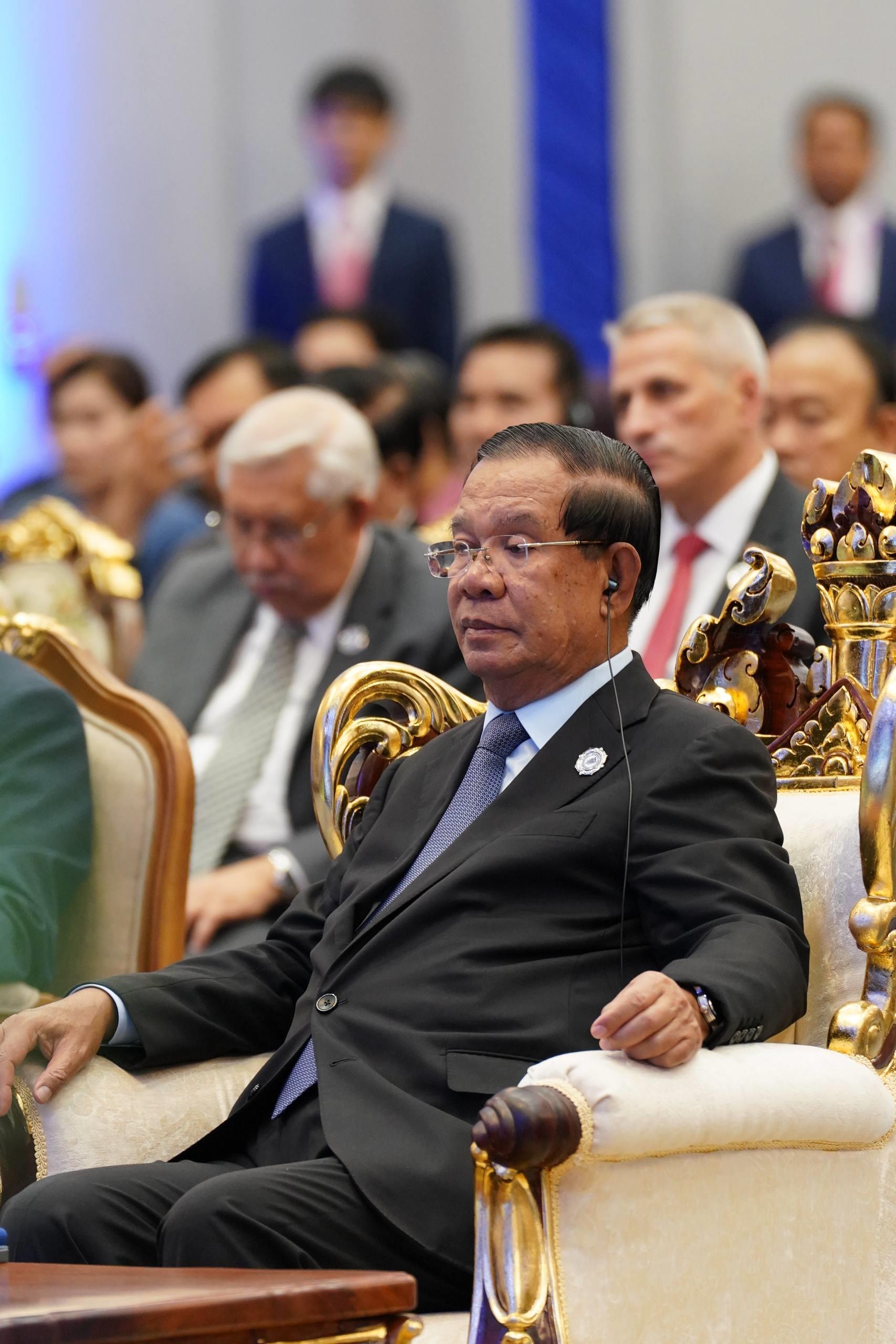
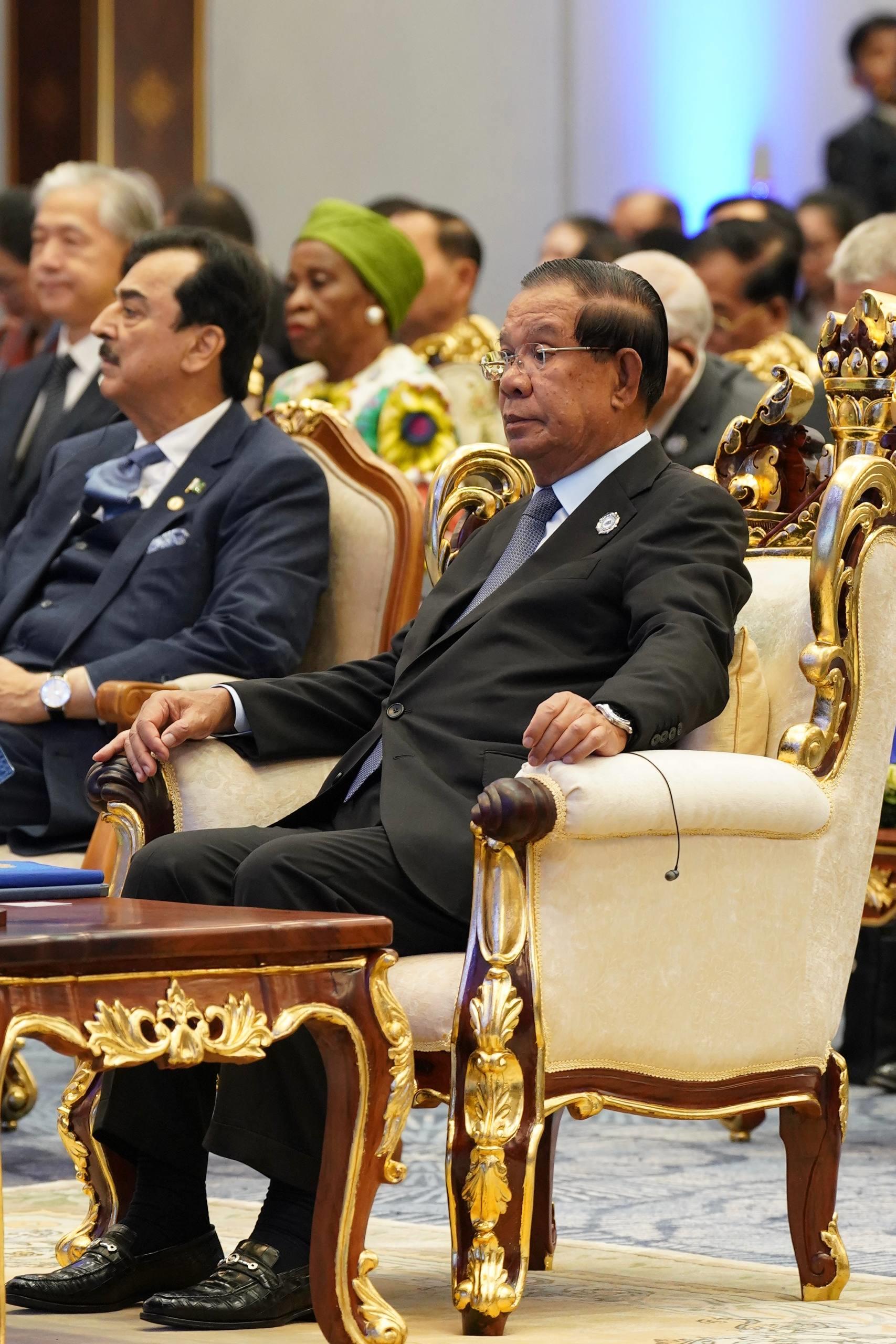
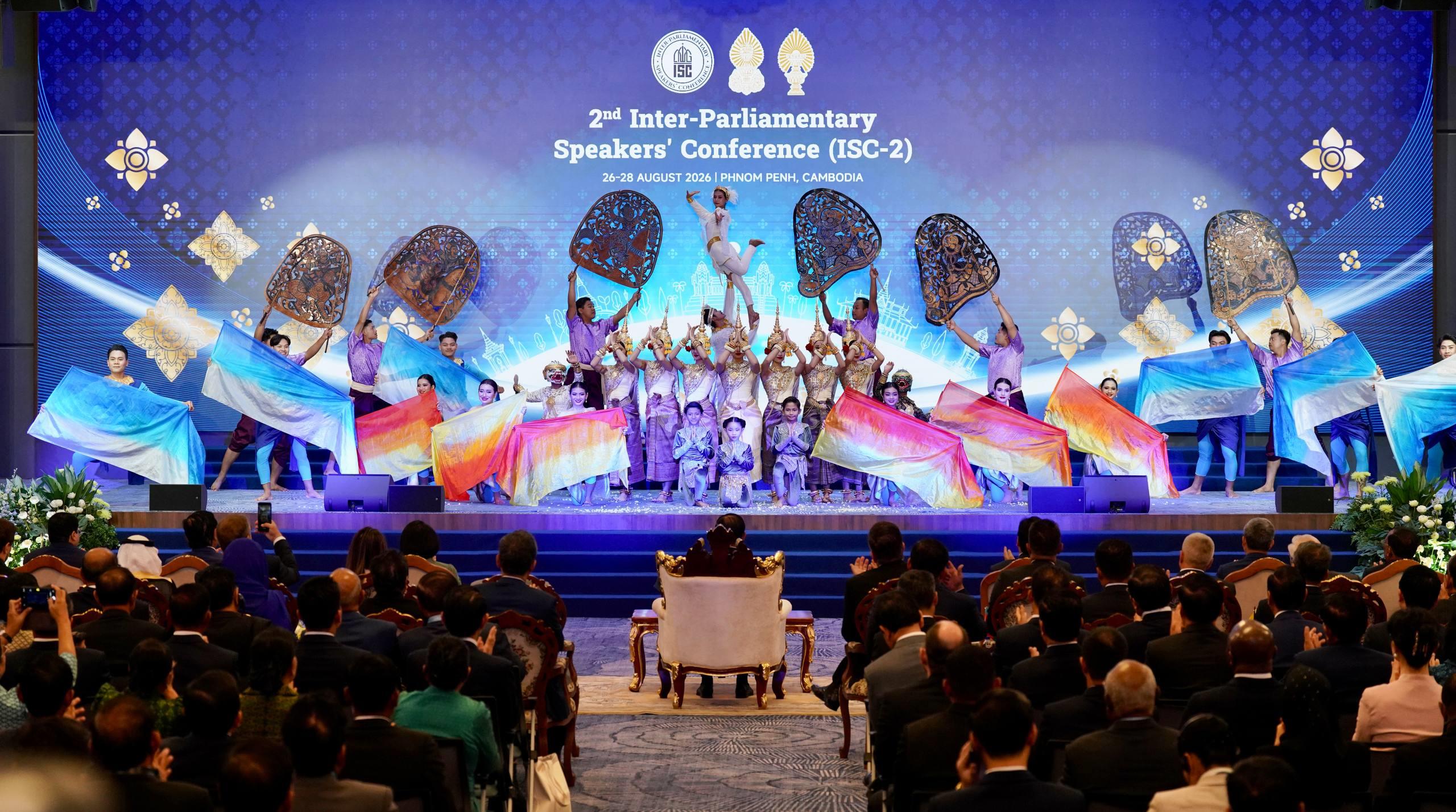
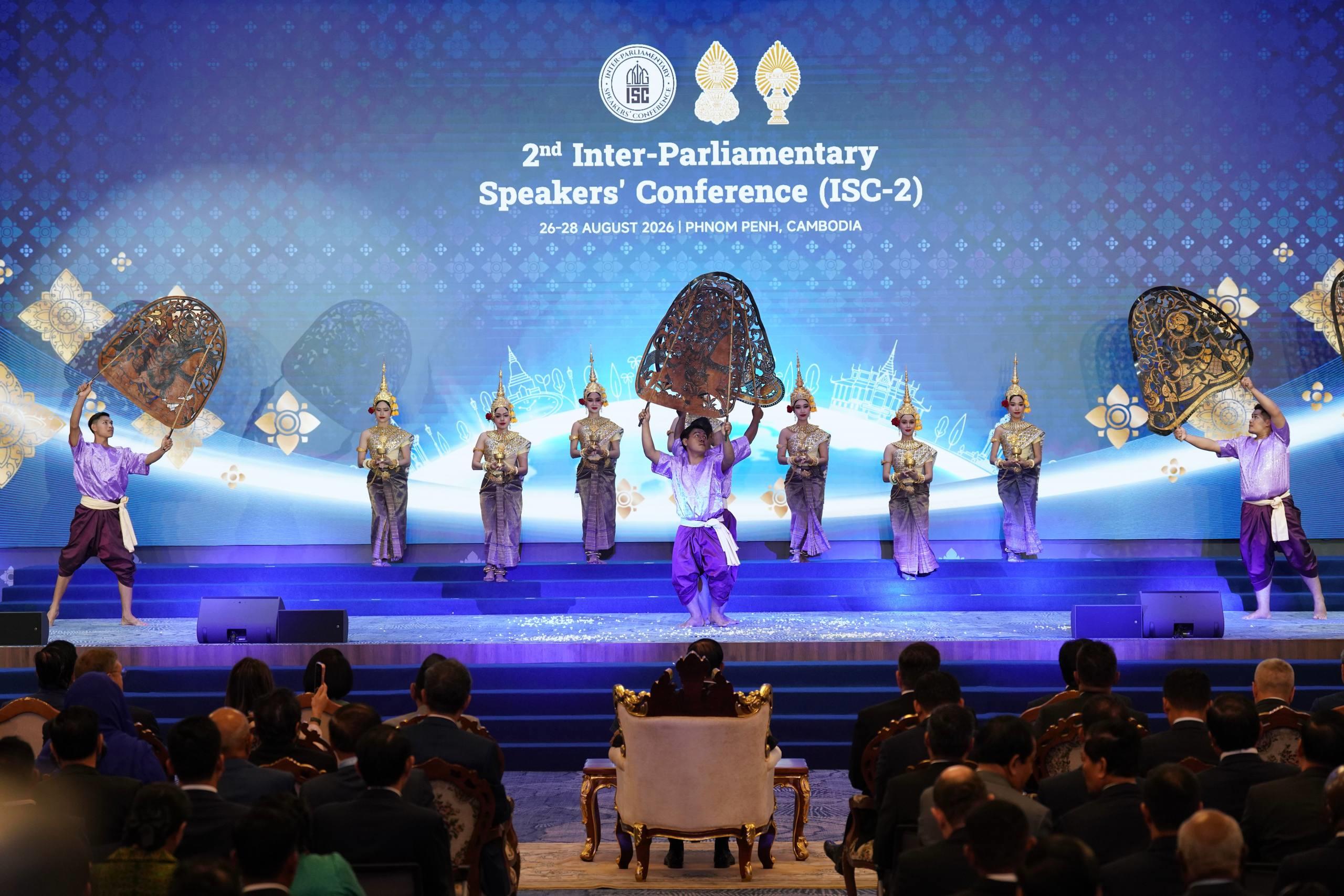
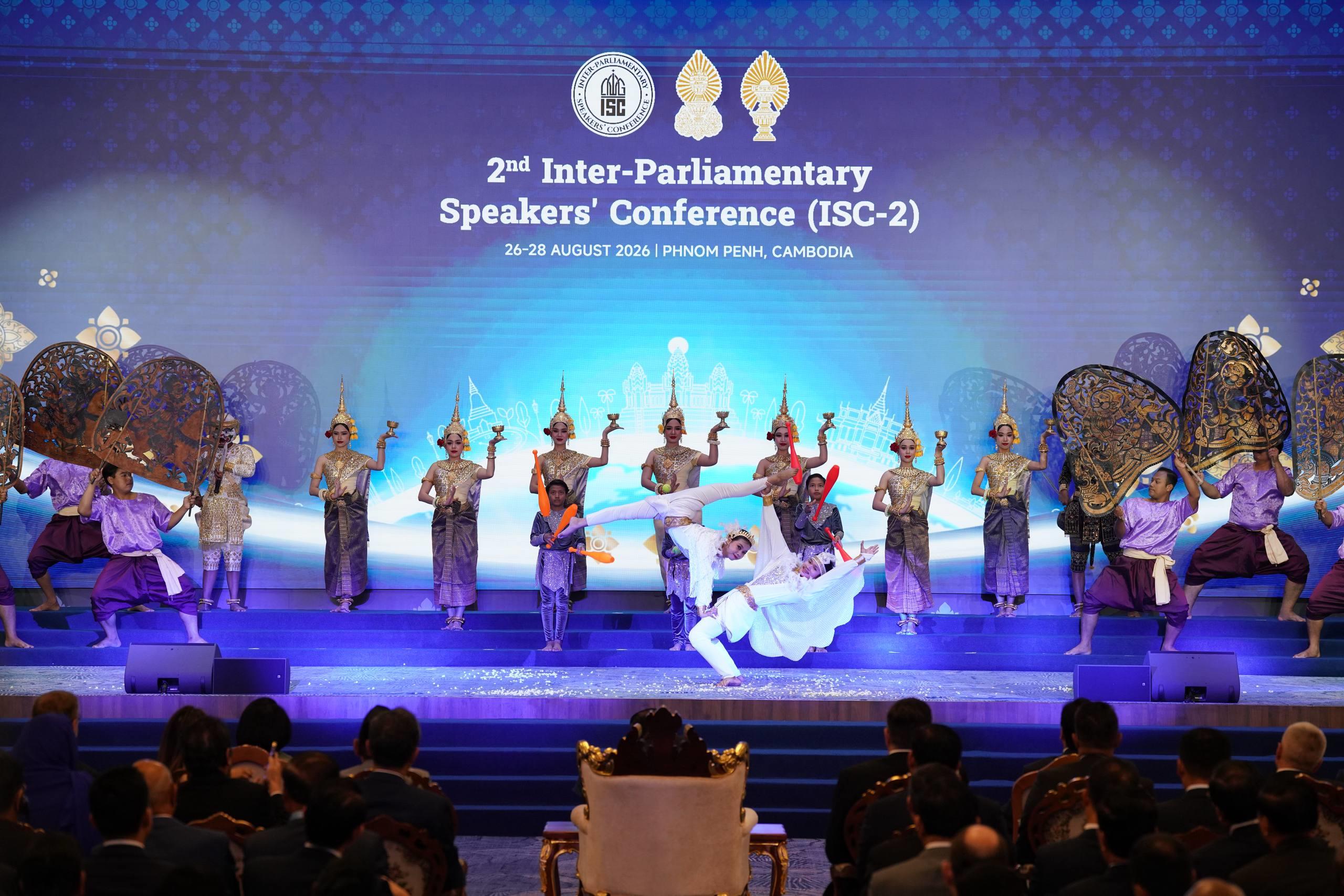
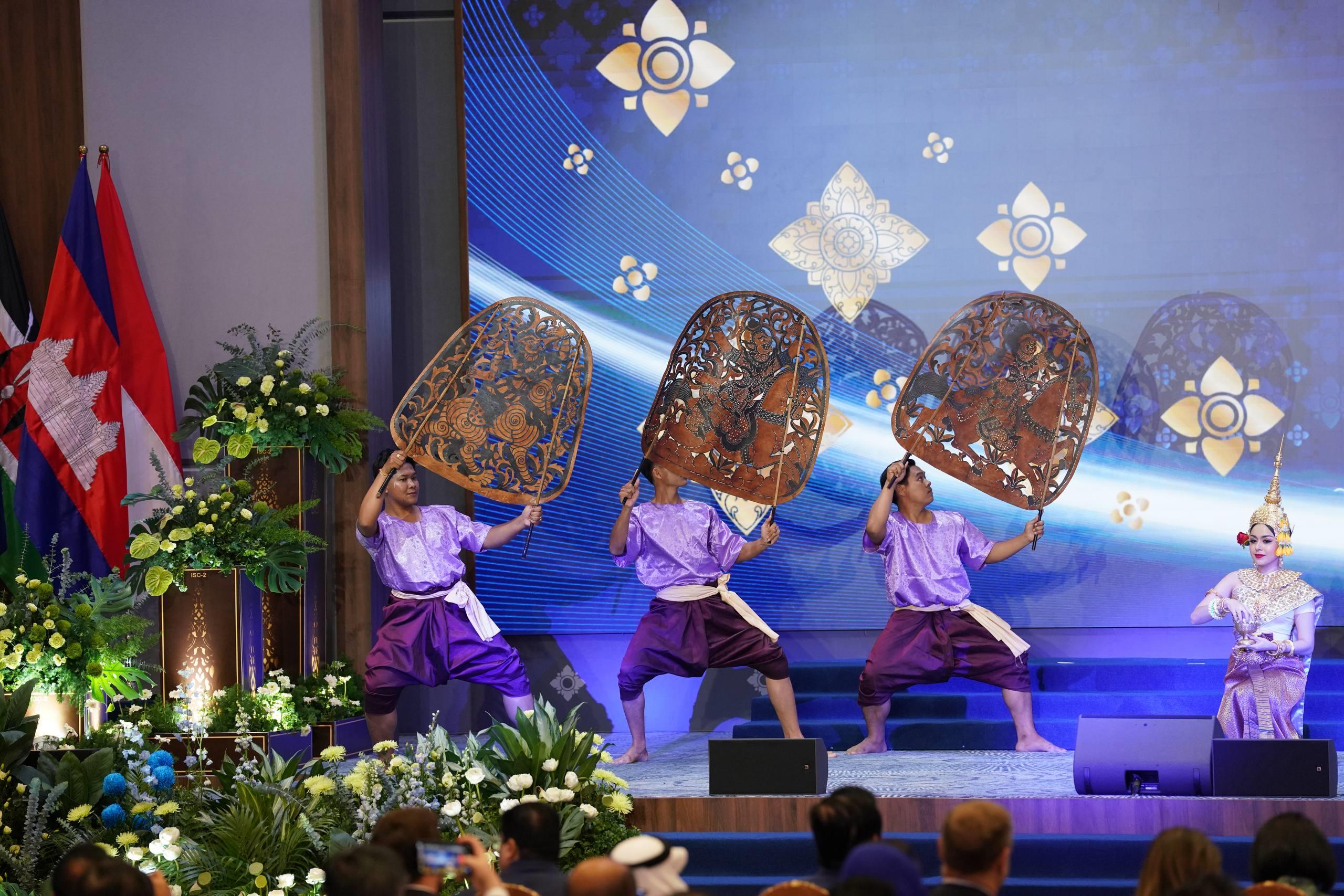
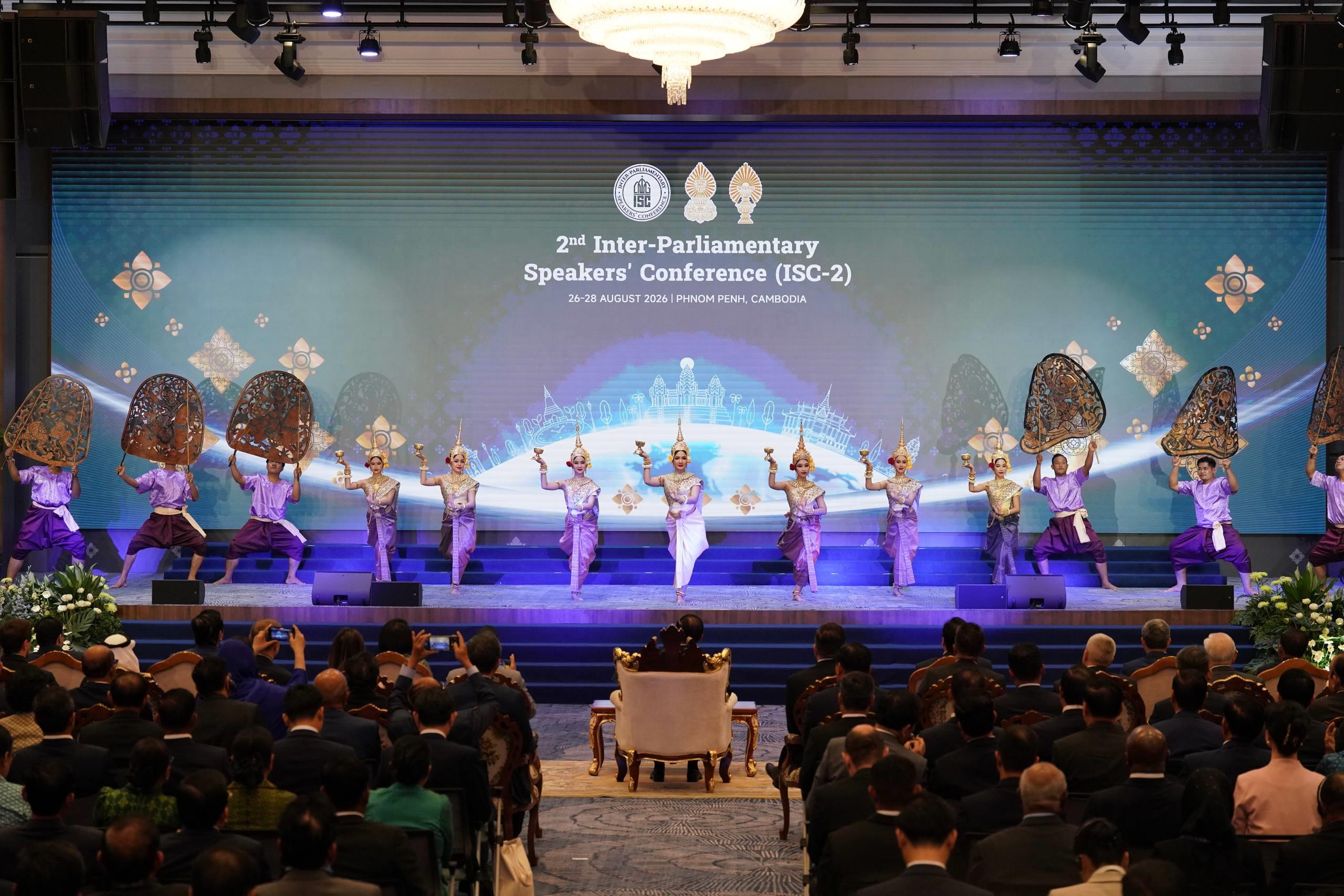
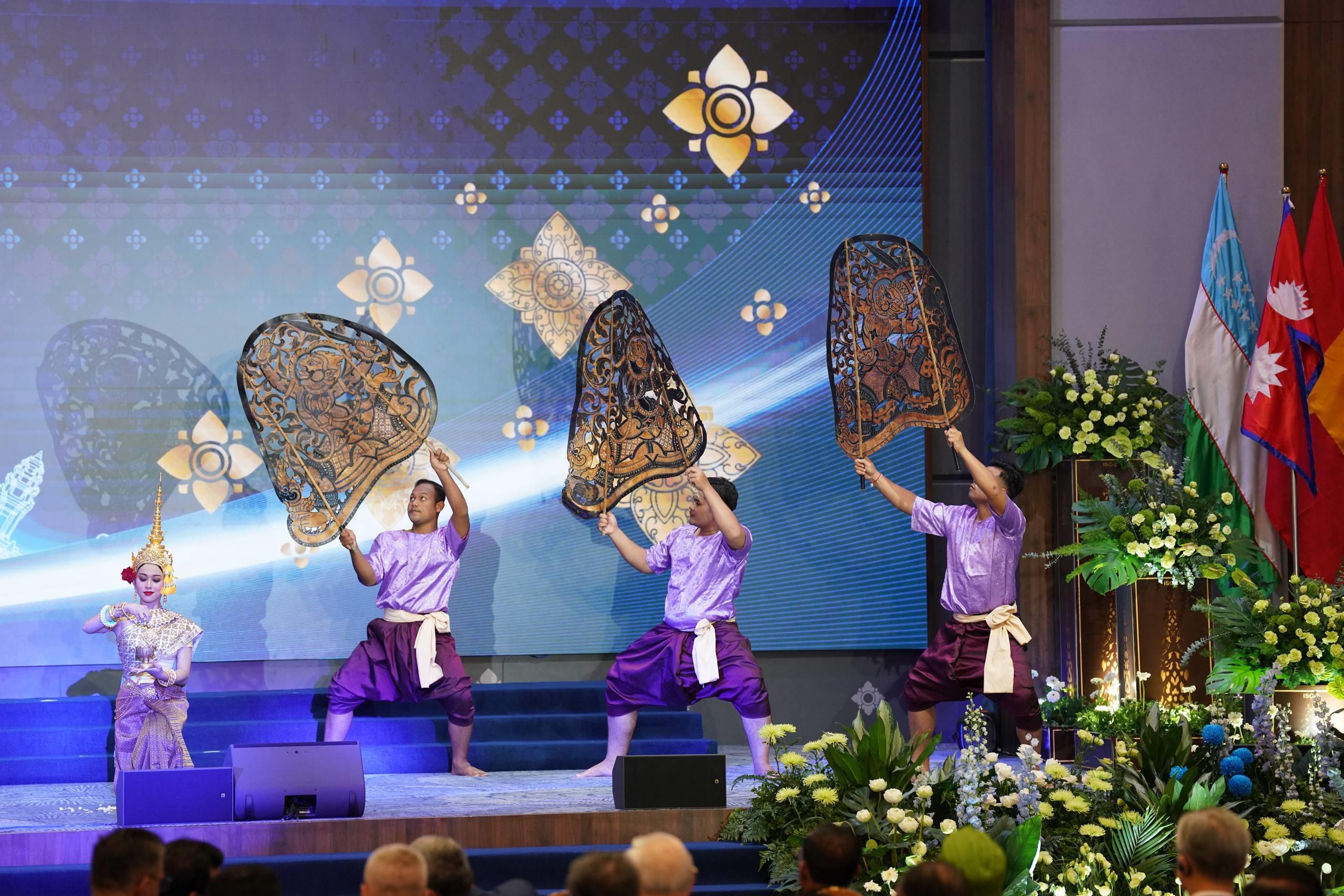
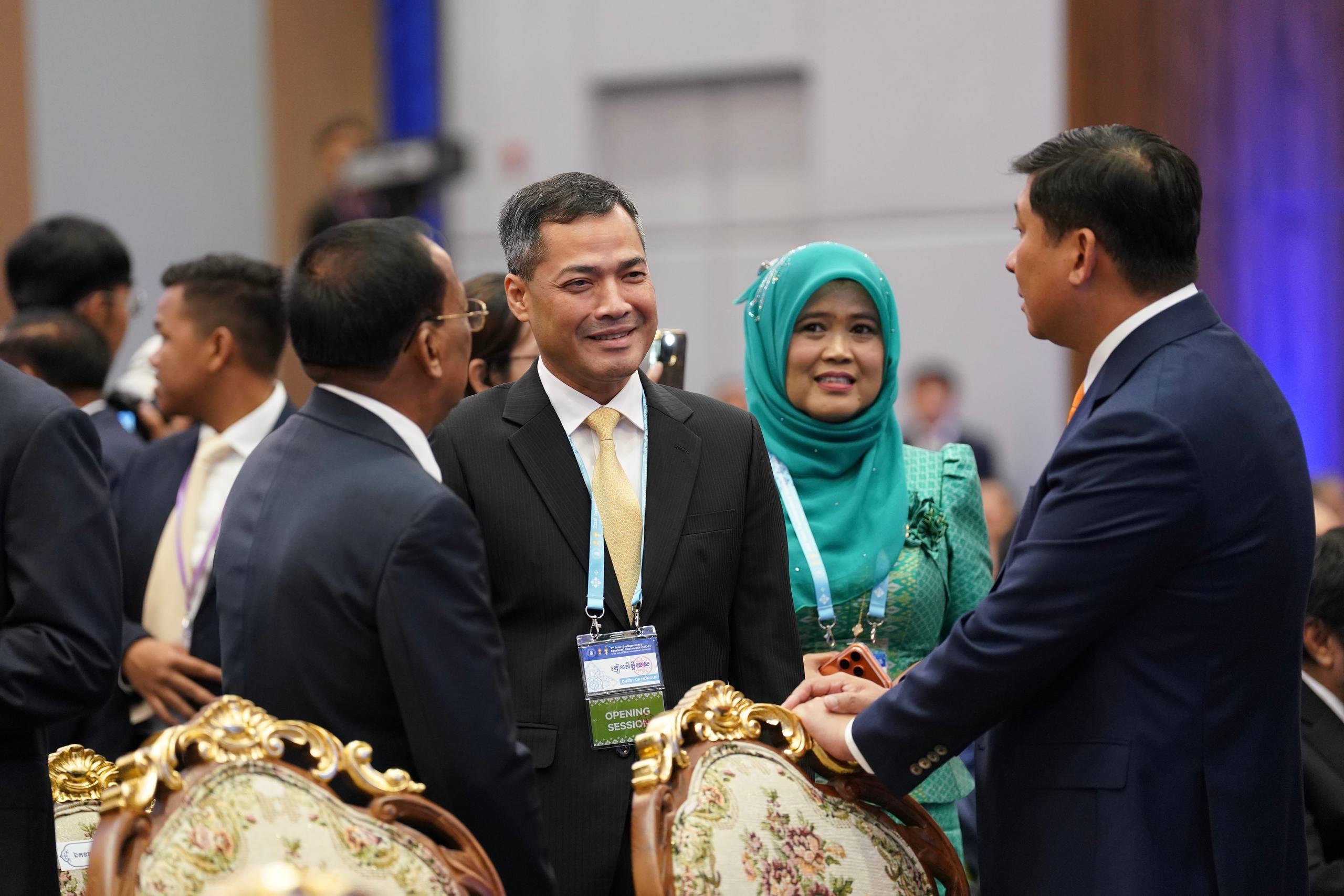
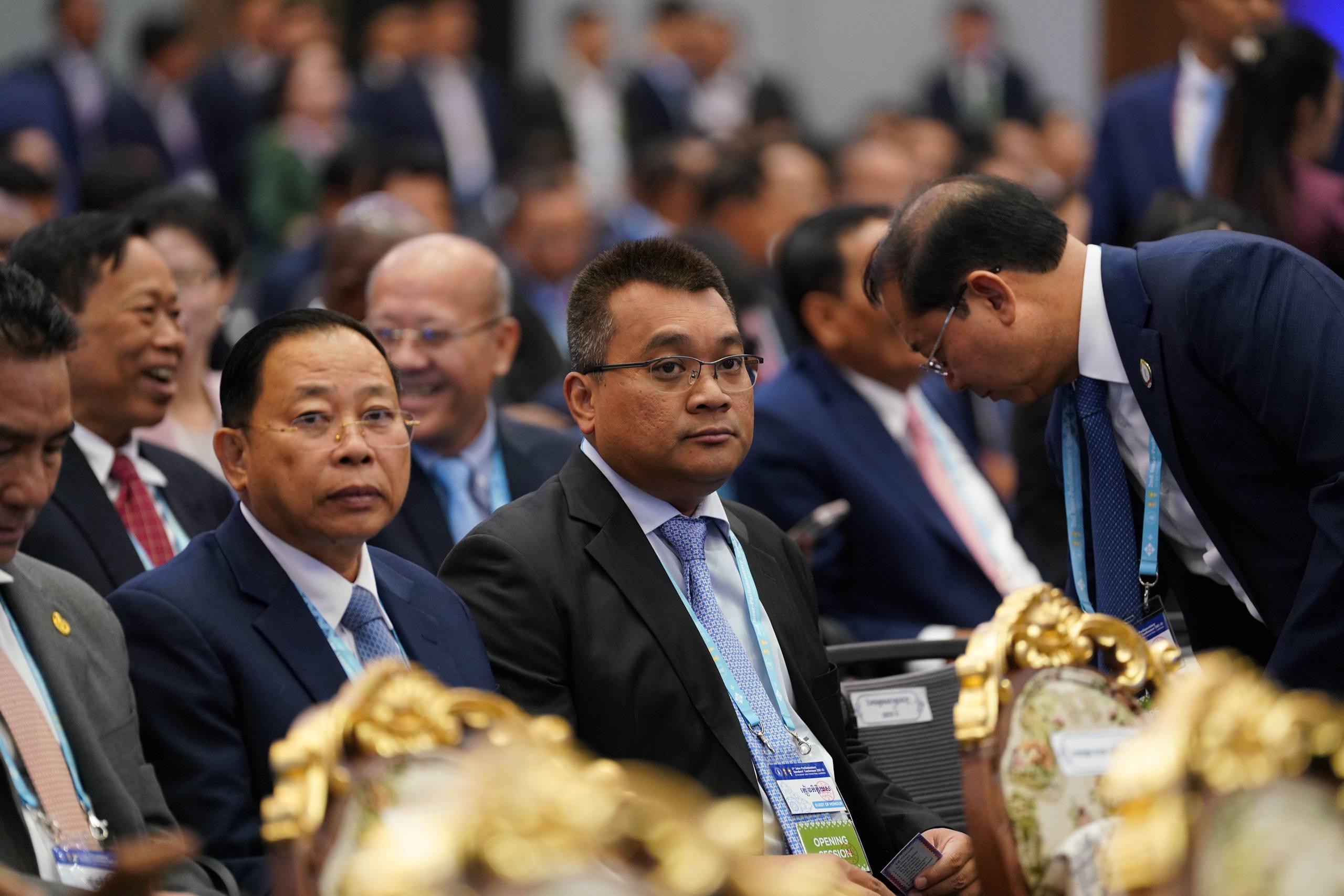
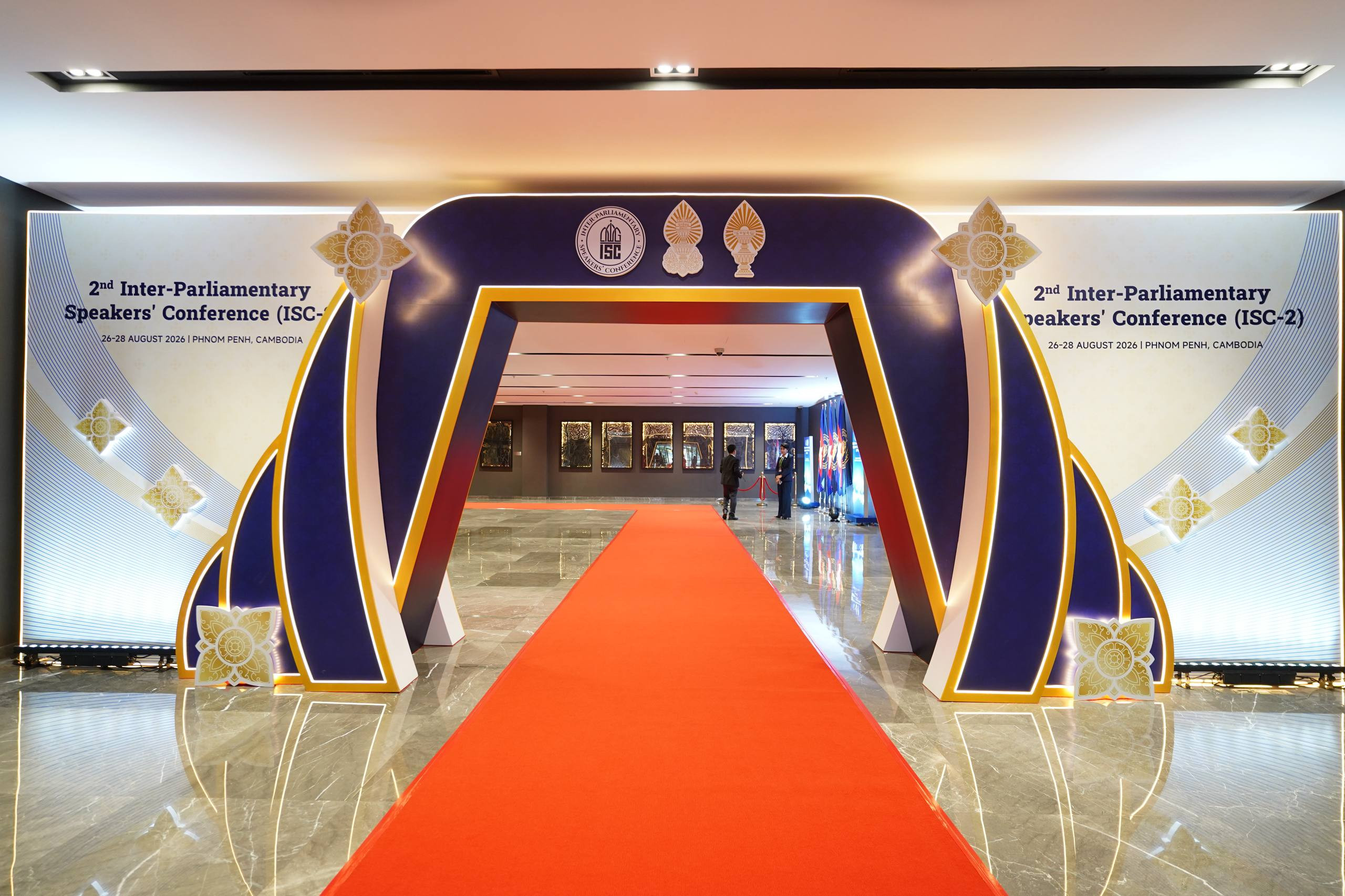
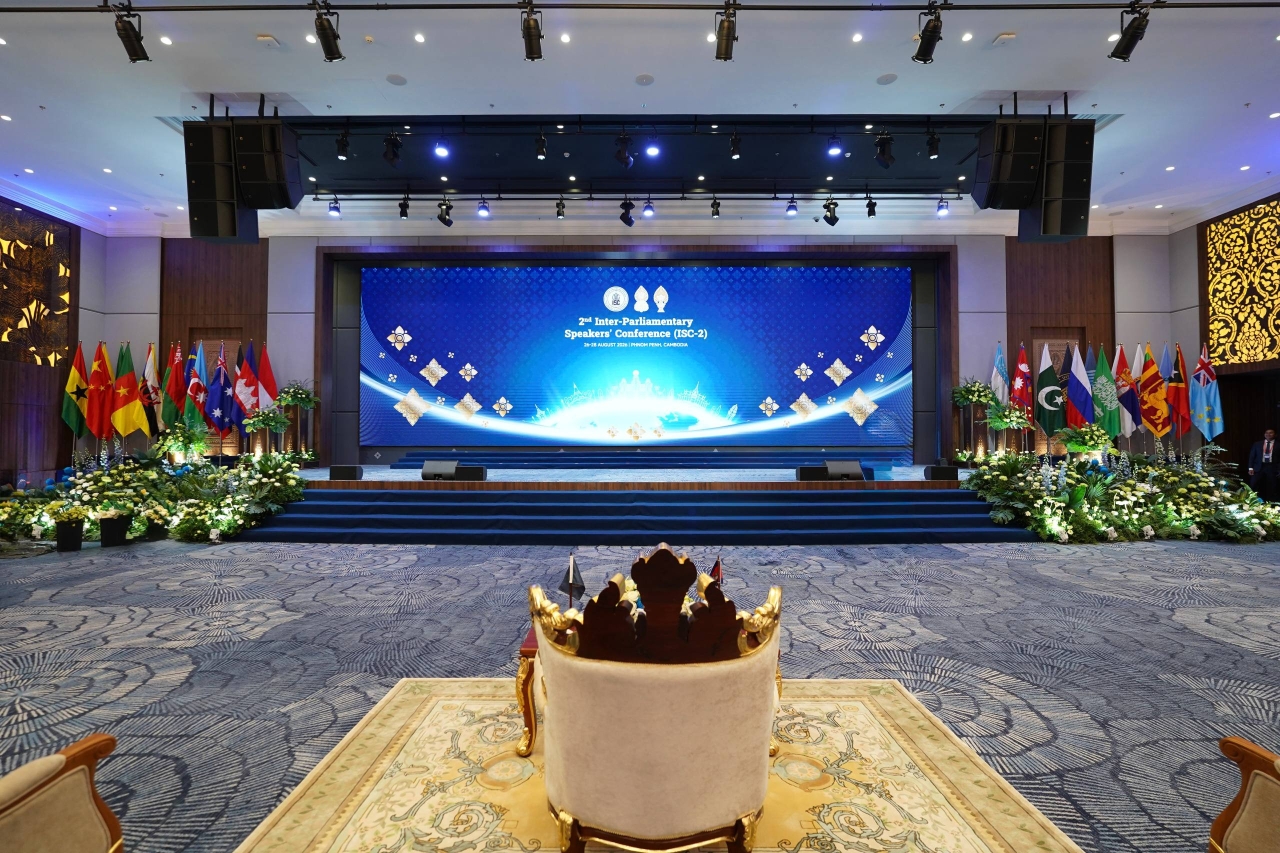
The premier delivered a keynote address at the Opening Session of the Second Inter-Parliamentary Speakers' Conference (ISC-2) on Thursday (Aug. 27).
“In 2025, after twenty-six years of uninterrupted peace, the longest period of peace our nation had known in 500 years, wars returned to our internationally recognised borders with Thailand, threatening Cambodia's sovereignty and territorial integrity. As a result, lives and livelihoods were lost, families displaced, and local development adversely affected,” said the premier.
Although the 27 December 2025 ceasefire continues to hold, the prime minister said the situation on the ground remains fragile, with thousands of troops still stationed face to face along the border and no de-escalation measures implemented. He stressed that the core issues of territorial integrity and sovereignty under international law and existing agreements remain unresolved.
Samdech Thipadei Hun Manet noted that under the Kuala Lumpur Accord of 26 October 2025 and the Joint Statement of 27 December 2025, Cambodia and Thailand agreed to allow the Joint Boundary Commission (JBC) to resume survey and demarcation work at the earliest opportunity based on existing agreements.
However, he said no JBC demarcation work has taken place, while approximately 20,000 displaced Cambodians remain unable to return to their homes in safety and dignity.
On the occasion, Hun Manet raised particular concern over the continued presence and activities of Thai forces in disputed border areas.
“Thai troops still occupy many areas into Cambodian territory, even beyond its unilaterally claimed boundary line,” he said.
“Thai military activities to create faits accomplis on the ground within these controlled territories such as laying barbed wires and containers, building land infrastructure both military and civilian as well as issuing land titles to Thai citizen before demarcation works are completed are of great concern,” he added.
Despite the unresolved issues, Samdech Thipadei Hun Manet reaffirmed Cambodia's commitment to settling disputes peacefully through international law and existing agreements.
Cambodia’s recent decision to initiate Compulsory Conciliation under UNCLOS to settle its maritime border with Thailand demonstrated its sincere desire to seek a fair and lasting solution firmly grounded in international law, the premier underscored.
The prime minister underlined that a peaceful settlement would serve the shared interests of both countries by protecting sovereignty, rebuilding confidence, unlocking energy resources, supporting development, and creating jobs for future generations of Cambodians and Thais.
He added that the Cambodia-Thailand border dispute should not be viewed solely as a bilateral matter, arguing that it also raises broader concerns over respect for international law, the UN Charter, the principle of the inviolability of borders, and the ASEAN Charter.
“Cambodia sincerely appreciates the support of the international community, including ASEAN member countries, for the ceasefire and the peaceful settlement of the dispute between Cambodia and Thailand in accordance with international law and the principles of the UN and ASEAN Charters. Cambodia looks forward to their continued attention and support,” Samdech Thipadei underlined.
=FRESH NEWS