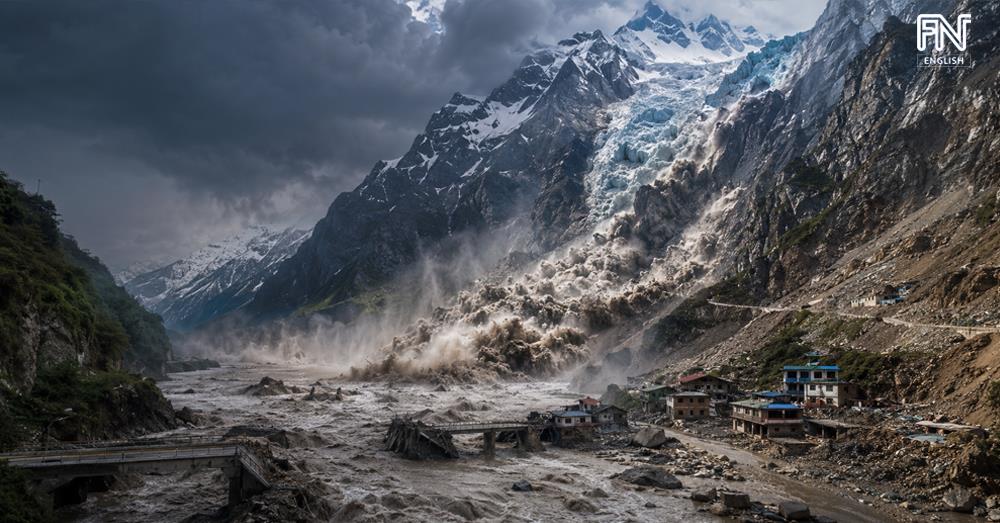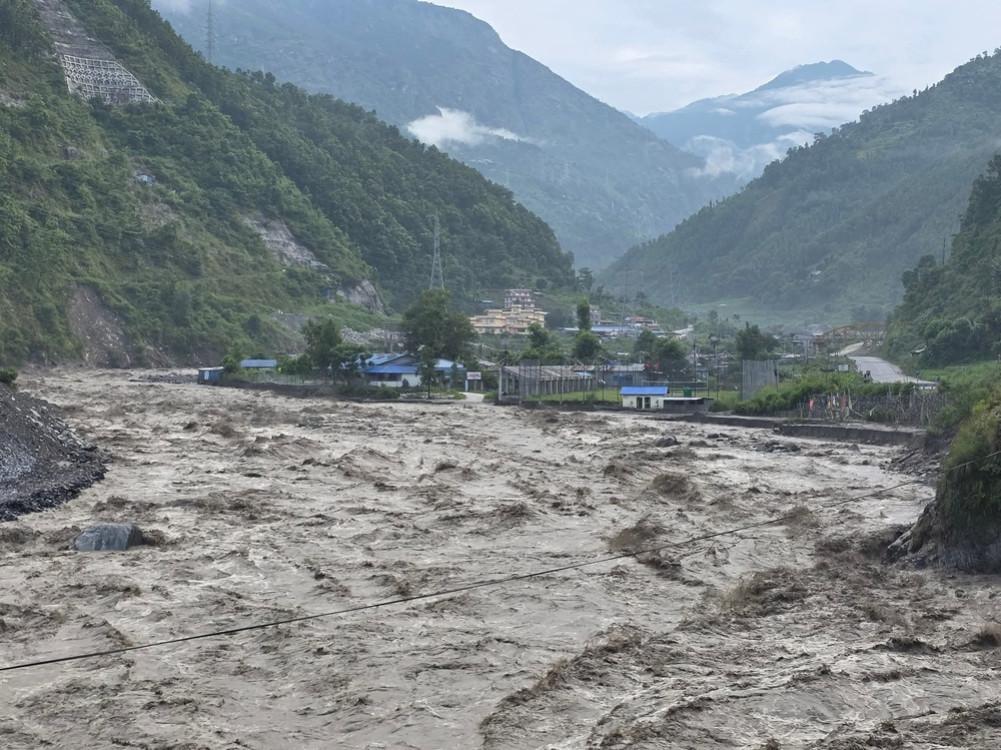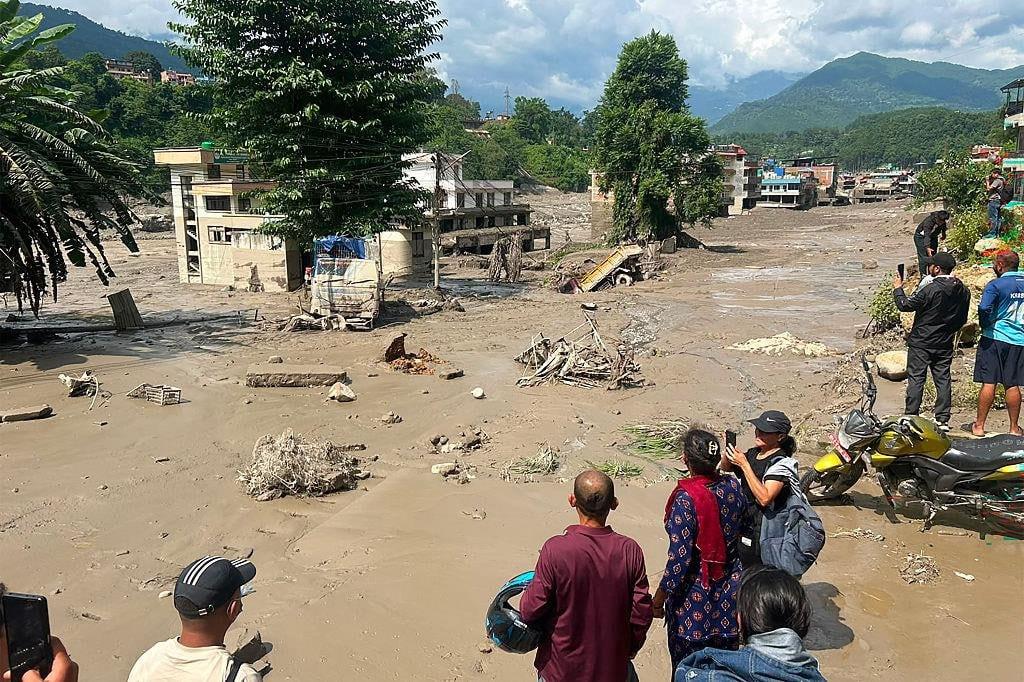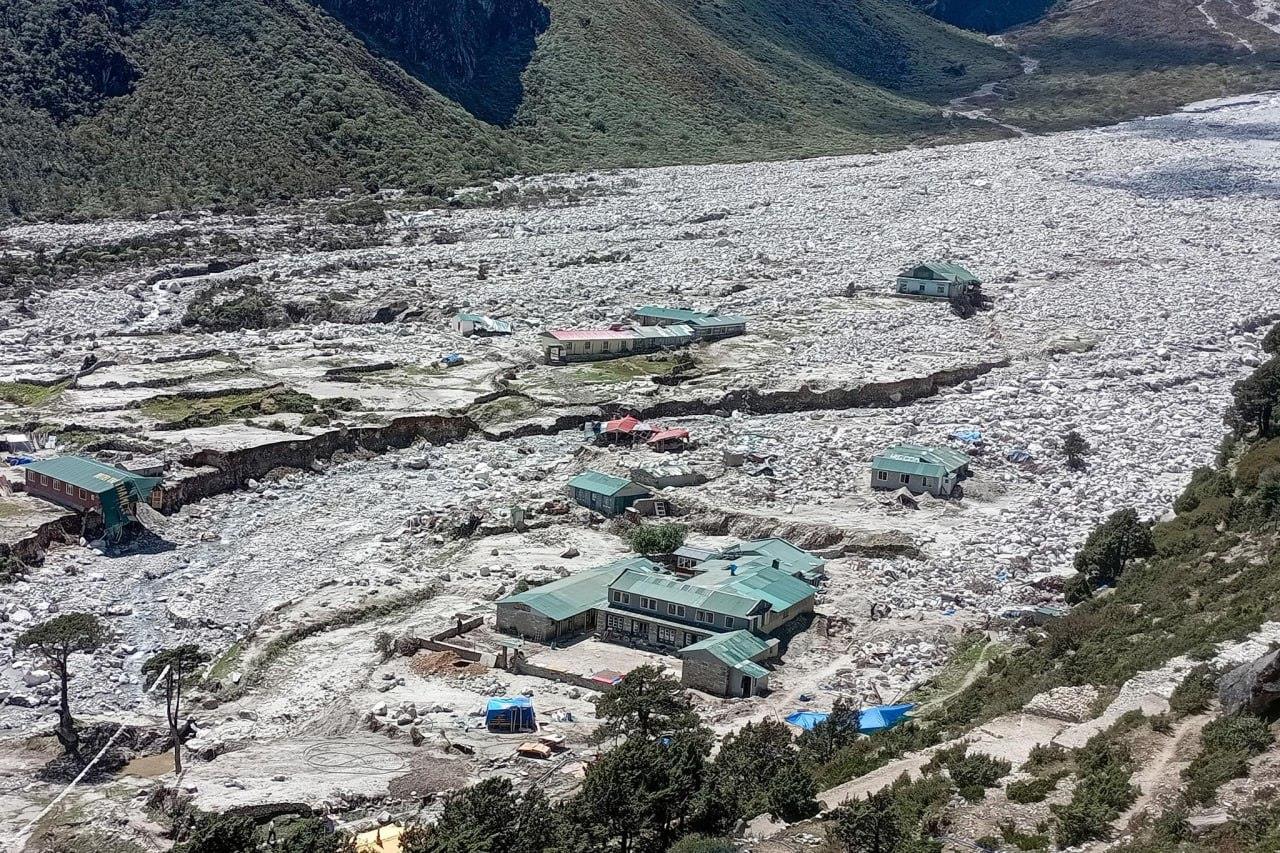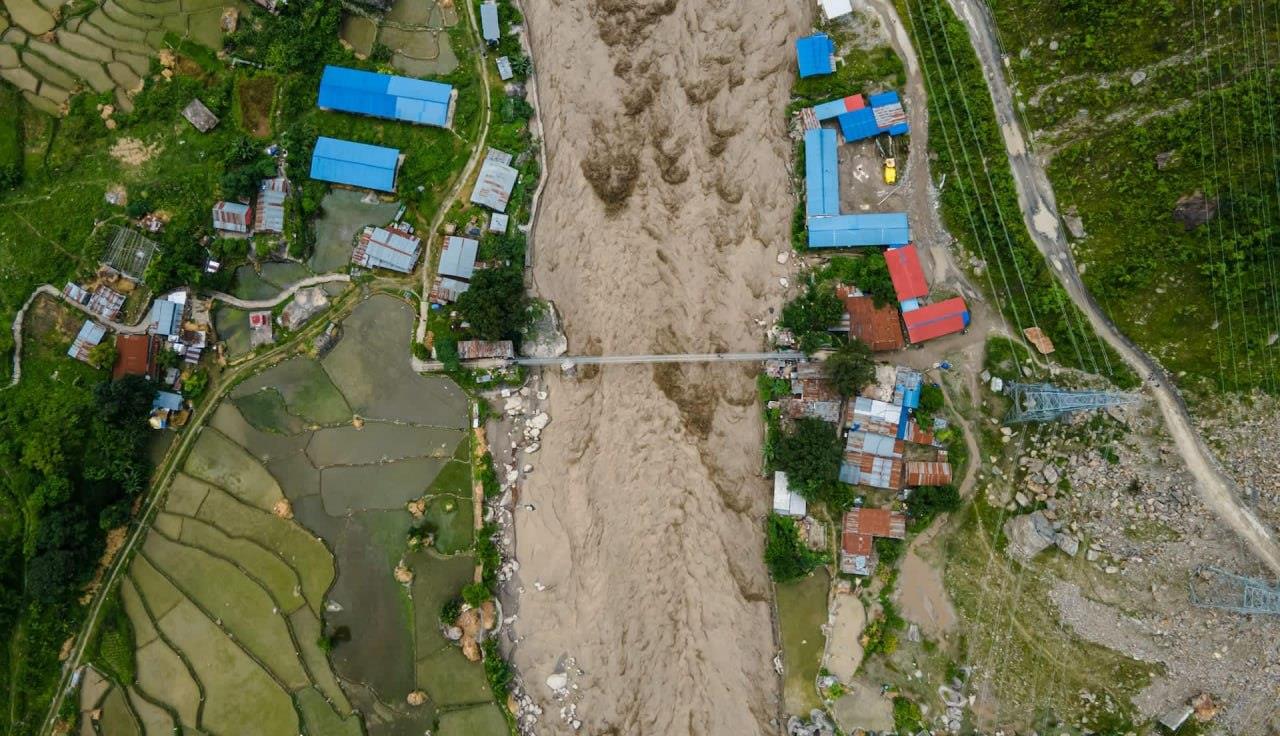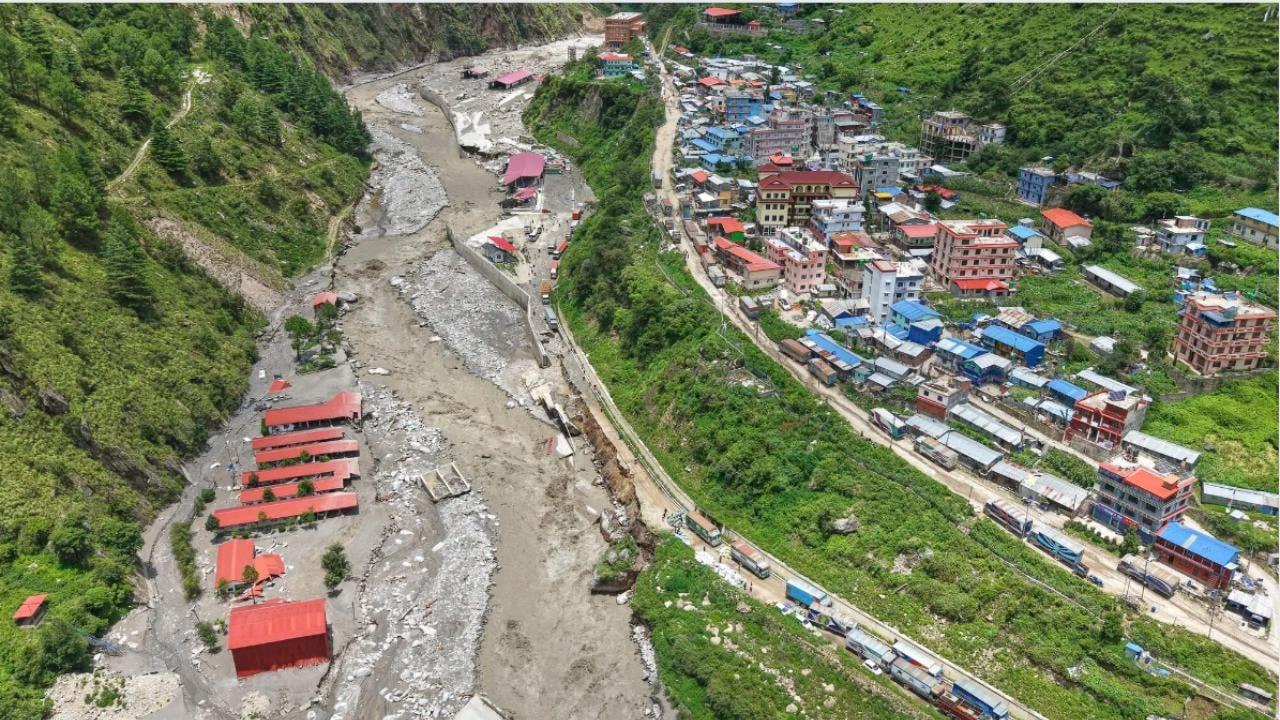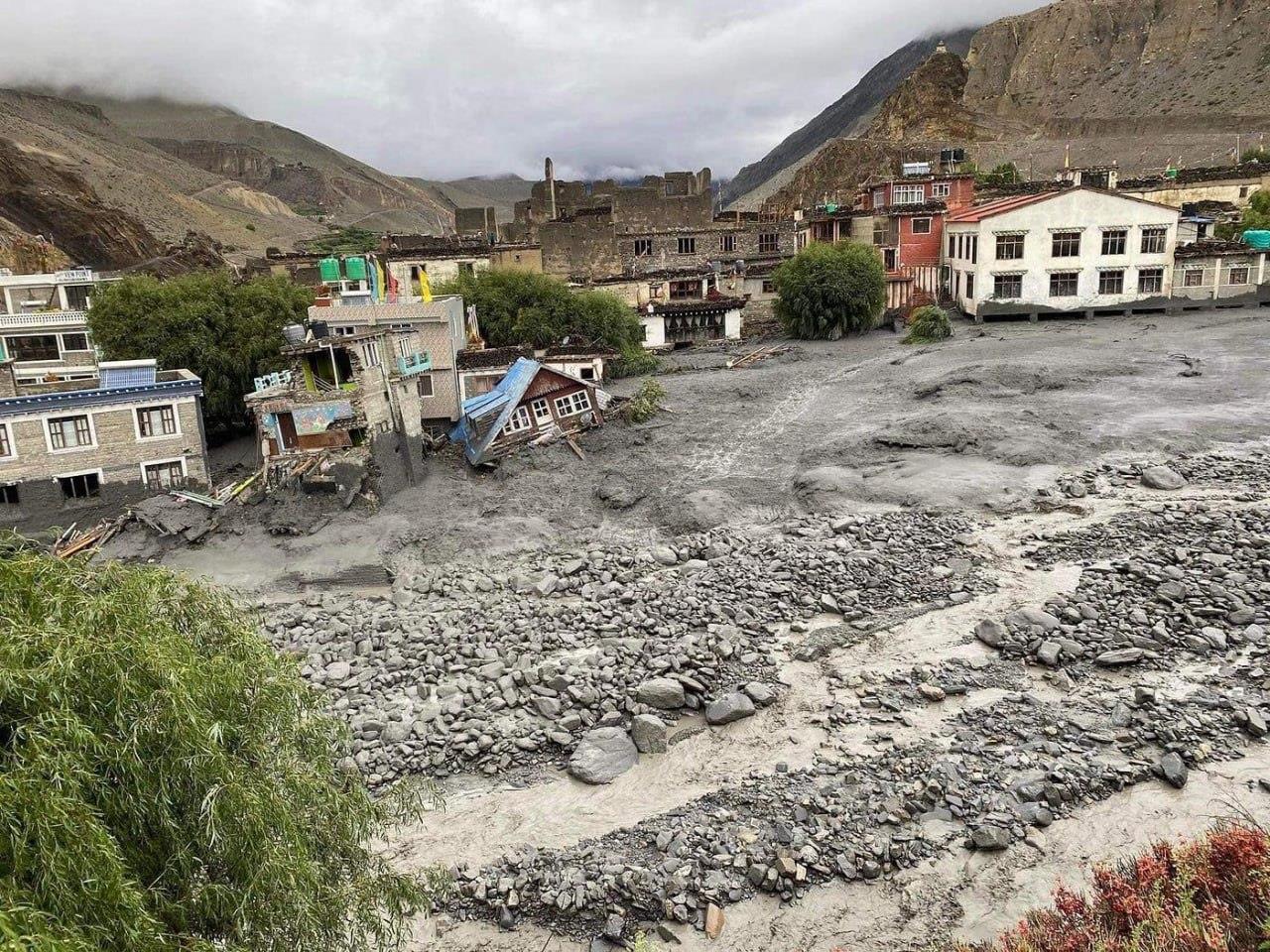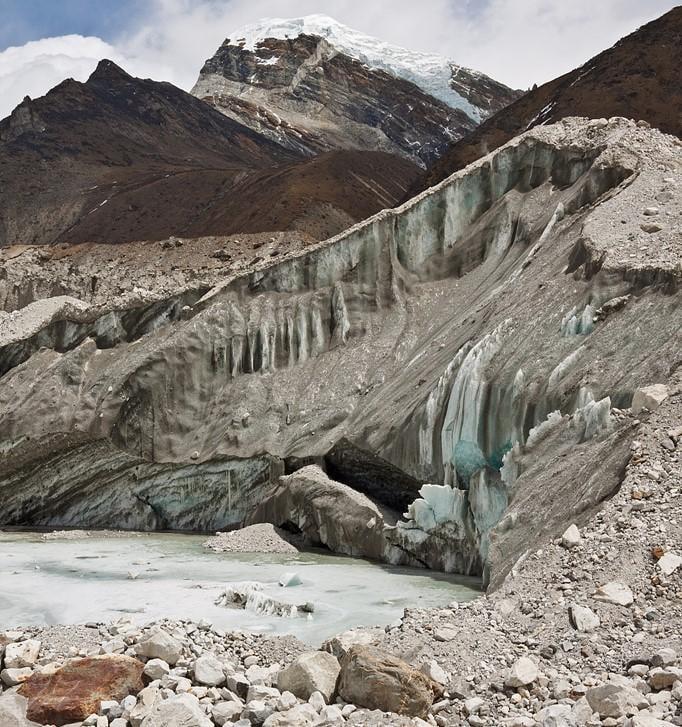

(Phnom Penh): When a massive surge of water, mud and boulders suddenly swept down from the Himalayas into the Nepal–Tibet border region on the morning of August 26, 2026, one question immediately emerged: What happened high in the mountains?
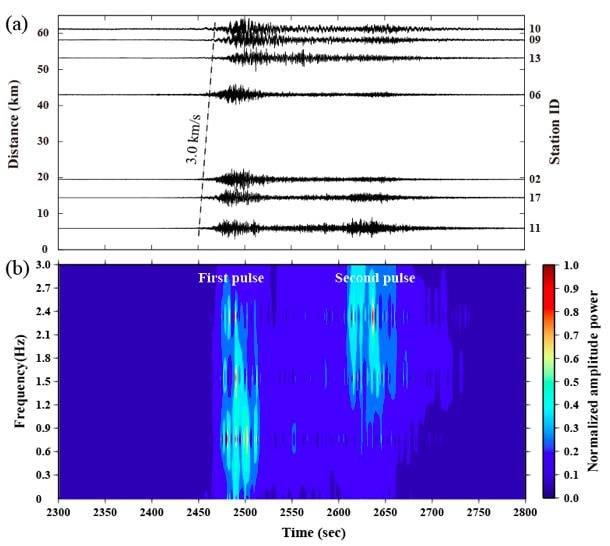
Initial suspicion focused on an earthquake after seismometers detected a signal that was first recorded as a magnitude 4.4 seismic event. Other explanations also circulated, including speculation about volcanic activity, while some suggested that intense monsoon rainfall — a familiar hazard across the Himalayas — might have caused the disaster.
But as scientists examined satellite imagery and seismic data more closely, the picture changed significantly.
The U.S. Geological Survey (USGS) revised its initial assessment, concluding that the signal first interpreted as an earthquake was actually generated by a massive glacial collapse and debris flow.
Put simply: an earthquake did not trigger the glacier collapse. Instead, the collapse of an enormous mass of ice and rock generated seismic waves strong enough to be detected by monitoring instruments and initially mistaken for an earthquake.
The finding makes the Nepal disaster a compelling scientific case study: a catastrophic flood does not necessarily begin with rainfall, and a seismic signal does not necessarily mean that an earthquake caused the disaster.
That raises the next questions: How did such a large mass of glacial ice collapse, and how could an event high in the mountains turn into a devastating flash flood downstream?
From an Earthquake Theory to a Glacier Collapse
The initial confusion has a scientific explanation.
When an enormous mass of ice and rock falls from high elevation, it releases tremendous gravitational energy. As the material crashes against mountain slopes and the valley floor, it generates vibrations that travel through the Earth's crust. Seismometers can detect these waves, making such an event initially resemble an earthquake.
USGS scientists subsequently re-examined the seismic data, particularly the long-period signals, and found that their characteristics did not match those of a conventional tectonic earthquake.
Instead, the evidence indicated that the ground vibrations were produced by the enormous movement of ice, rock and earth cascading down the mountain.
In short: the earthquake did not cause the glacier to collapse; the glacier and rock collapse produced seismic waves that were initially interpreted as an earthquake.
How Large Was the Collapse?
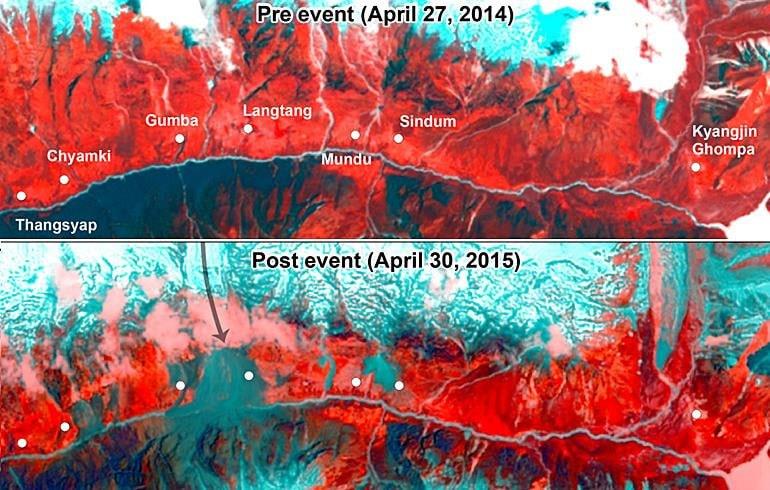
Satellite imagery provided another important clue about the scale and force of the event.
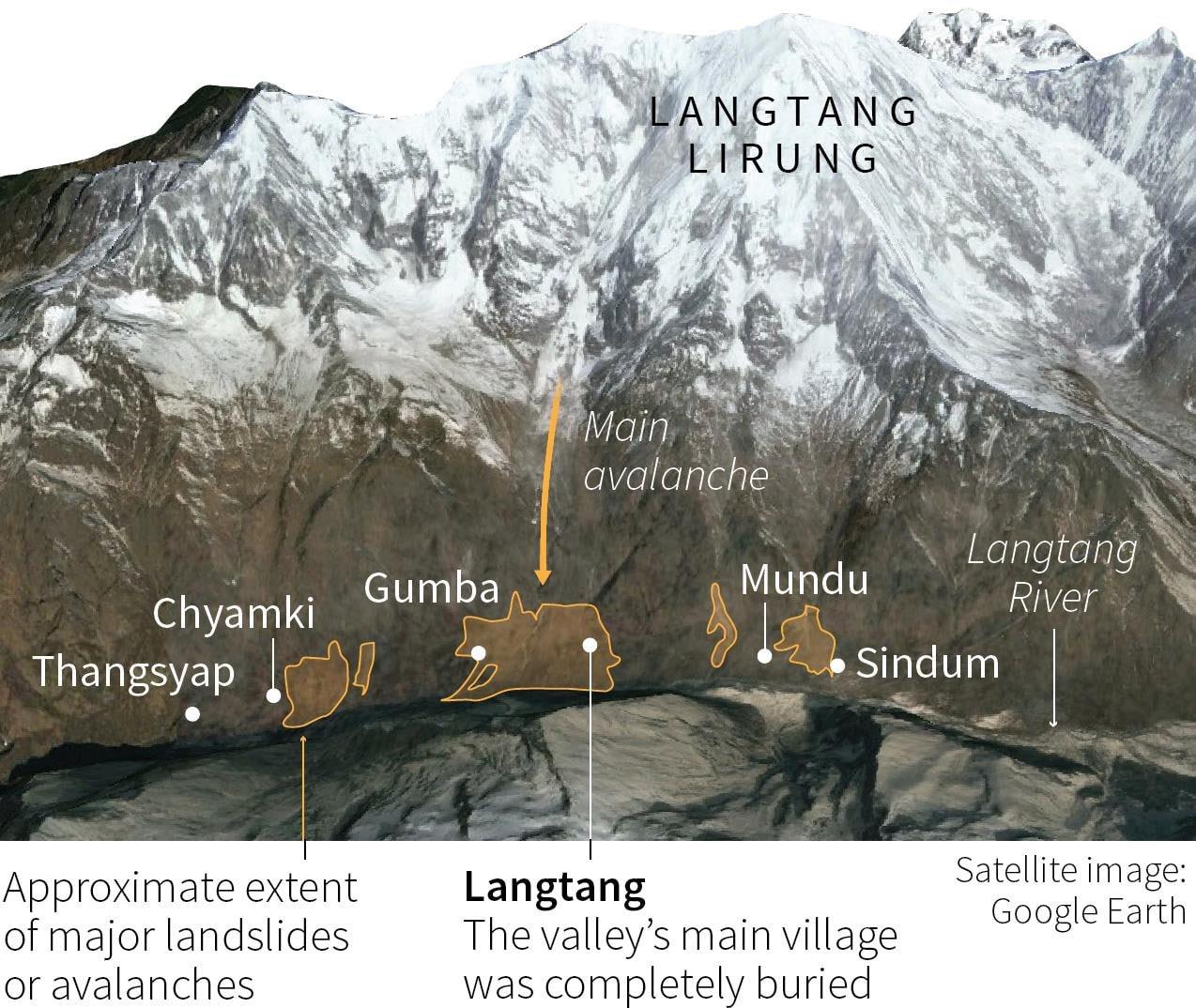
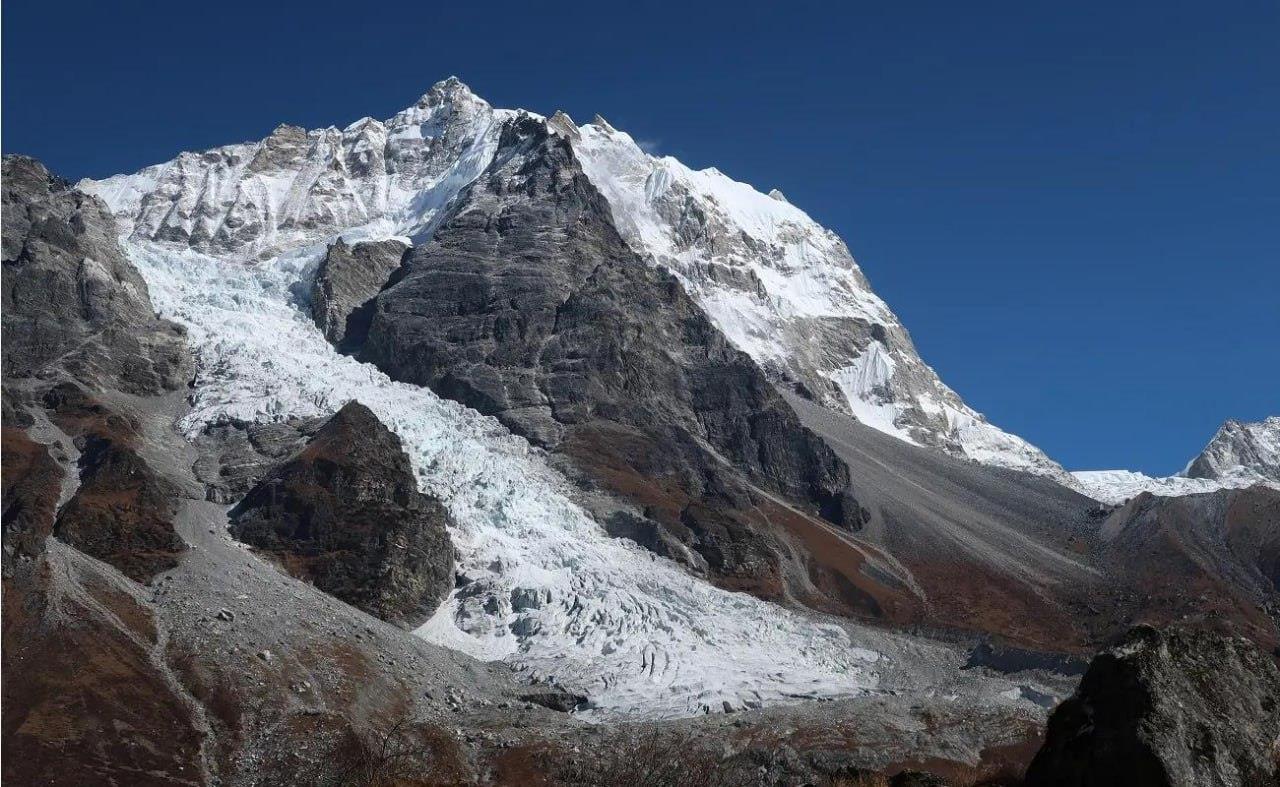
Earth scientist Daniel Shugar of the University of Calgary analyzed satellite images and estimated that the section of ice that broke away was roughly 2,000 feet, or more than 600 meters, wide.
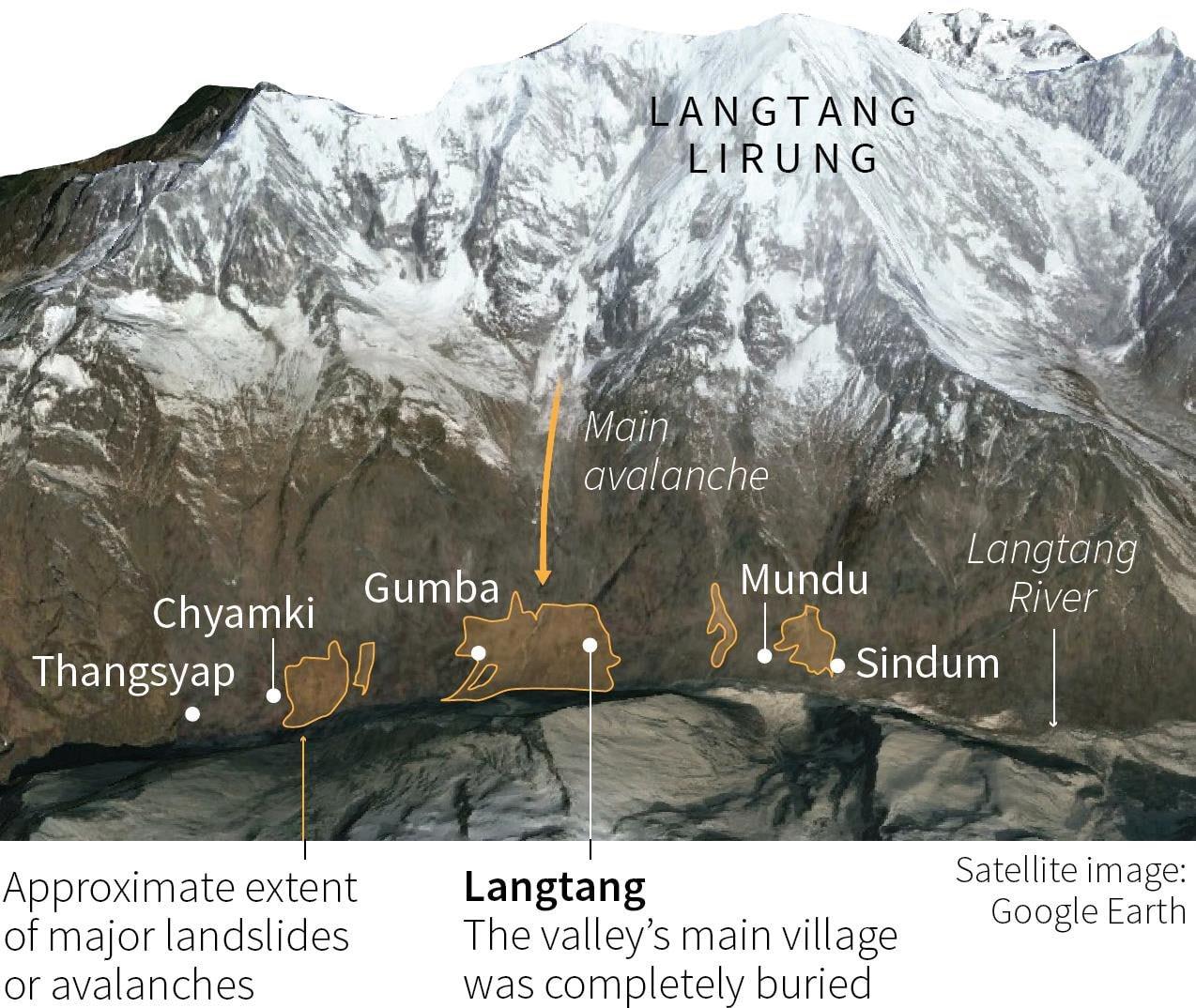
An analysis reported by Reuters indicated that the lower portion of the glacier failed at an elevation of approximately 5,200 meters, plunging into a valley roughly 1,200 meters below.
Imagine an enormous mass of ice, rock and earth falling more than a kilometer.
It did not simply reach the valley floor and stop. The tremendous gravitational energy transformed the collapsing mass into a rapidly moving ice-rock avalanche.
As it raced downhill, the avalanche could entrain additional rock, soil, snow, ice and water, increasing both its volume and destructive power.
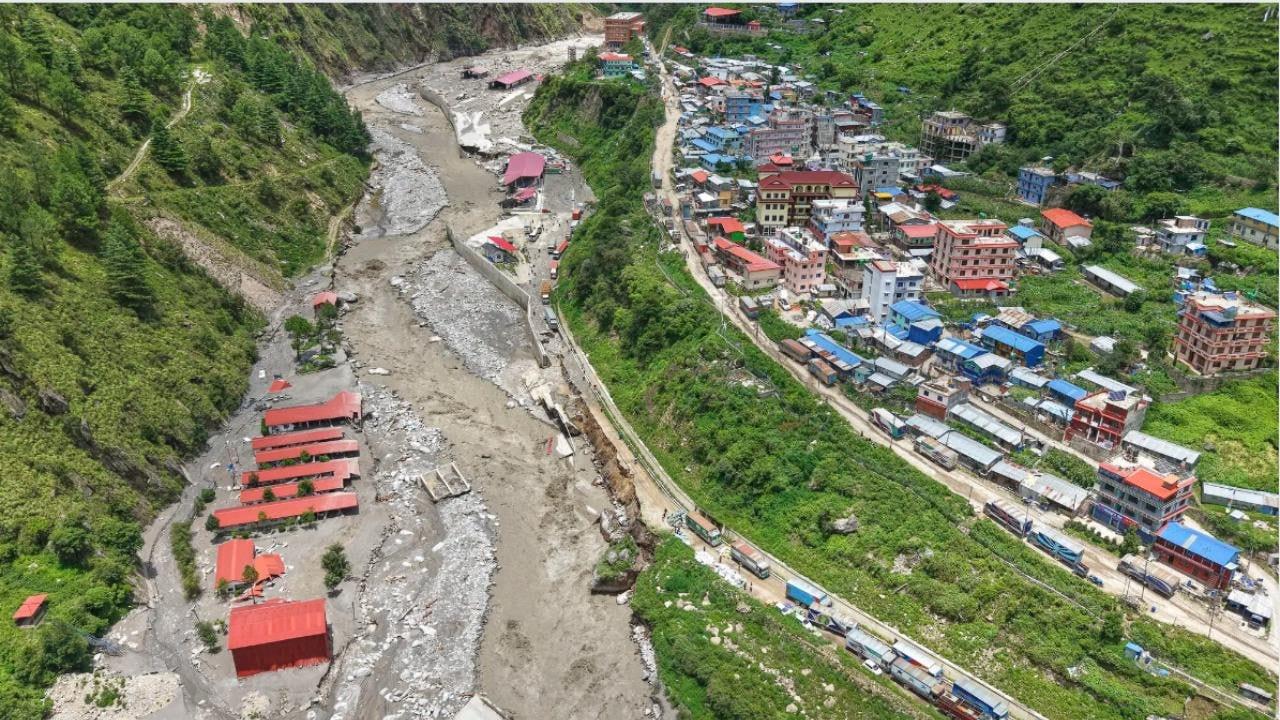
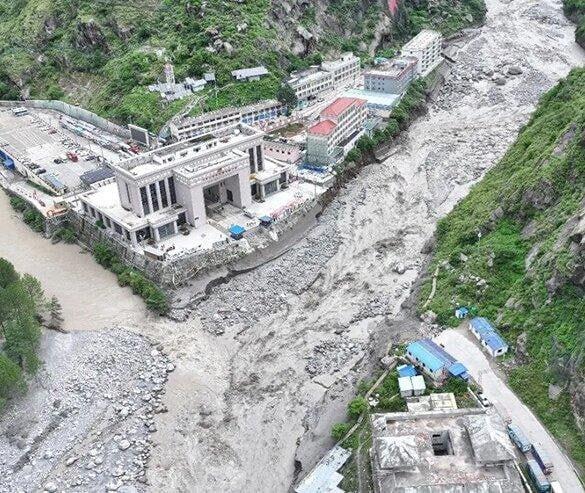
Nepal's disaster-management authorities said an initial analysis of Planet Labs satellite imagery indicated that the ice and rock avalanche generated a debris-laden flood in the Lhende River.
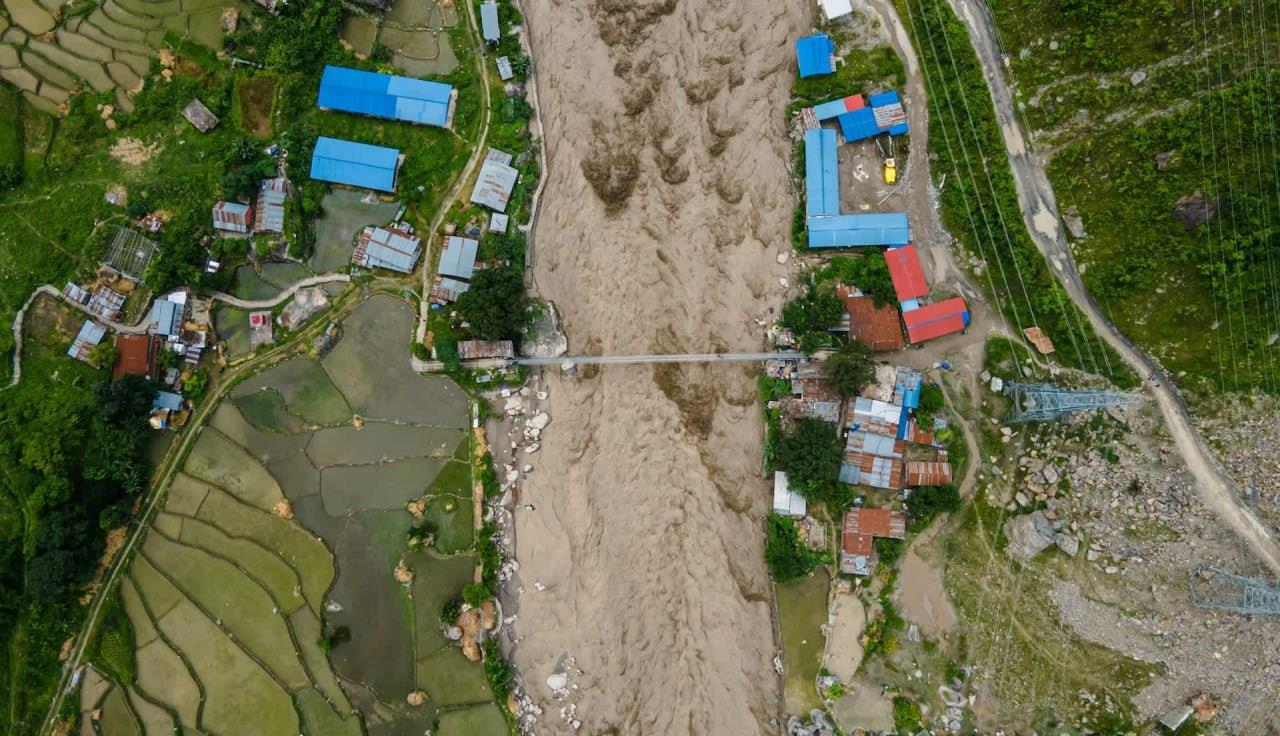
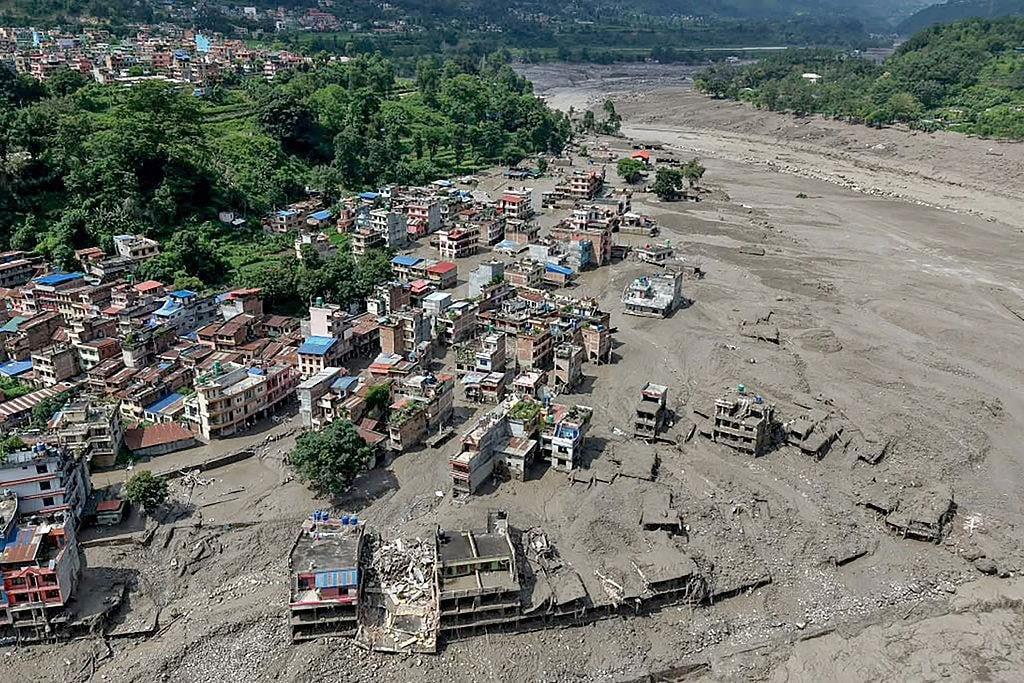
Once such a massive flow enters a valley and river system, it can displace existing river water, pick up more debris and temporarily obstruct the river channel. The resulting mixture of water, mud, boulders and debris can then surge rapidly downstream.
At Galchhi, farther downstream, the water level was reported to have risen by approximately nine meters in only 30 minutes.
If Heavy Rain Was Not the Main Trigger, Where Did All the Water Come From?
This is one of the most intriguing scientific questions surrounding the disaster.
When people see a flood, the natural question is: How much rain fell?
But in a high-mountain glacial environment, rainfall alone does not tell the whole story.
The enormous volume of water could have come from several sources acting together: water already flowing in the river, meltwater from snow and ice, water stored within or beneath the glacier, and water that may have accumulated behind a temporary natural dam formed by collapsed ice, rock and sediment.
When a huge mass of ice and rock falls into a valley, it can temporarily block a river, forming what is known as a debris dam. Water may then accumulate behind the obstruction. If the natural dam fails, the stored water can be released abruptly, producing a powerful surge downstream.
Scientists are still investigating exactly how much water came from each source and whether temporary river blockage played a major role.
It would therefore be premature to conclude that all the floodwater came simply from melting glacial ice.
What is clear is the extraordinary speed at which the flood developed. Water levels in the downstream Trishuli river system reportedly rose by about nine meters in roughly half an hour.
The Nepal disaster therefore illustrates an important point: a major flash flood can strike even without intense rainfall occurring at the place being inundated.
What About the Volcanic Activity Theory?
In the immediate aftermath of major disasters, competing explanations often spread on social media before scientists have had enough time to examine the evidence.
One theory raised online was that volcanic activity might somehow have been involved.
So far, however, there is no credible scientific evidence showing that a volcanic eruption or volcanic activity triggered the Nepal flood.
The geology of the Himalayas is also fundamentally different from that of major volcanic belts such as the Pacific Ring of Fire.
The Himalayas were formed primarily through the collision of the Indian Plate and the Eurasian Plate, a process that compressed, folded and uplifted rock over millions of years to create the world's highest mountain range.
This continuing tectonic collision makes the Himalayas highly prone to earthquakes. But the geological setting differs from many volcanically active regions in Japan and Indonesia, where one tectonic plate descends beneath another in a subduction zone, generating magma and extensive volcanic activity.
For now, therefore, linking the Nepal disaster to volcanic activity has no established scientific basis.
The strongest available evidence instead points to the collapse of ice and rock, which generated a massive debris flow and flash flood.
What Role Did Heat Play?
Heat is another factor scientists are examining.
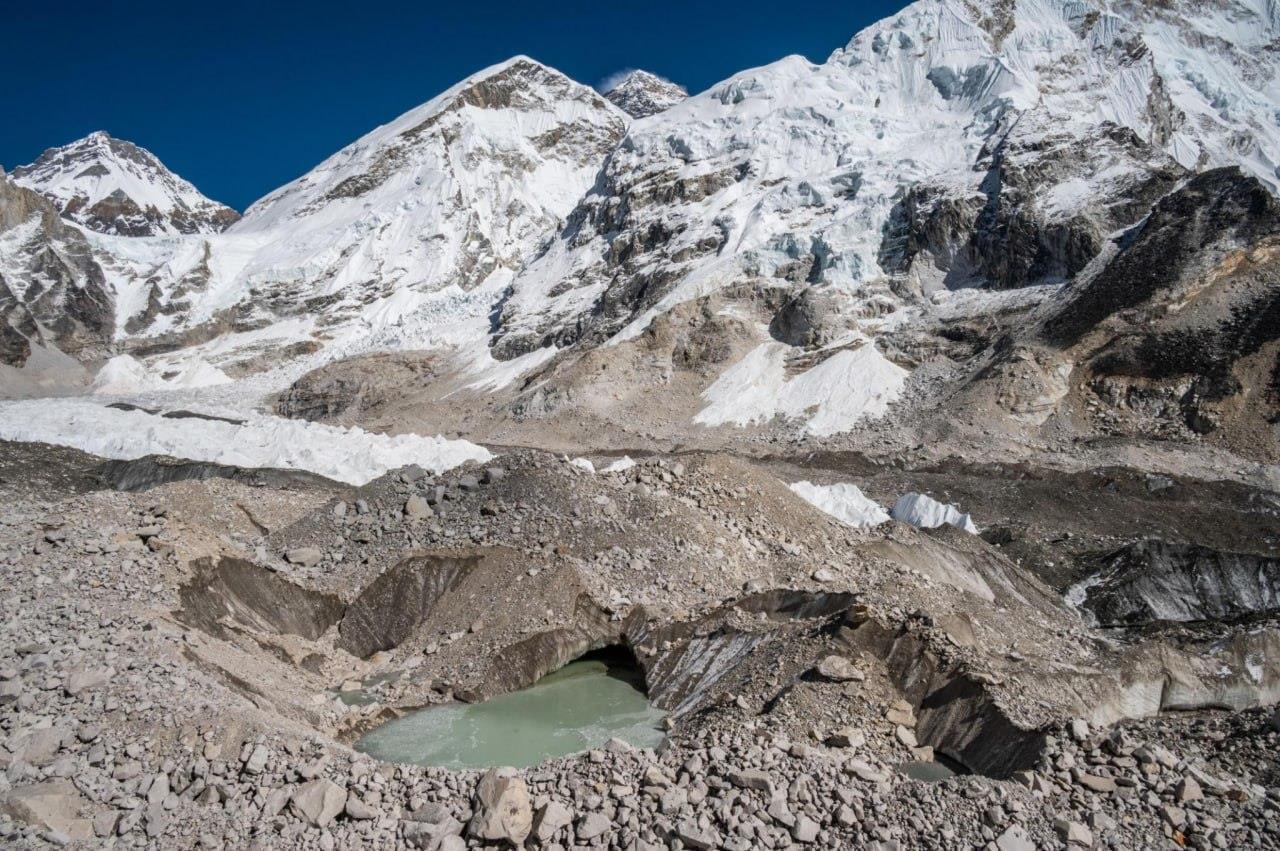
Satellite imagery indicated substantial snowmelt on the glacier during the roughly 24 hours preceding the disaster, suggesting that the area had experienced warm conditions.
But scientists have not yet established that this warmth directly caused the glacier to collapse.
This distinction is crucial. Scientists must separate a trigger from a risk amplifier.
Current evidence points to the collapse of ice and rock as the direct trigger of the flood. Heat, by contrast, could have acted as a risk amplifier by accelerating snow and ice melt and potentially making parts of the glacial environment less stable.
Reuters, citing United Nations data, reported that Nepal's glaciers have lost nearly one-third of their ice in just over three decades because of global warming. The rate of ice loss during the most recent decade was reported to be about 65% faster than in the preceding decade.
That broader trend matters.
But it still does not provide sufficient evidence to conclude that climate change directly caused this particular glacier to collapse on August 26.
Determining the precise role of heat and long-term climate change will require further scientific investigation.
And What About the Strengthening El Niño?
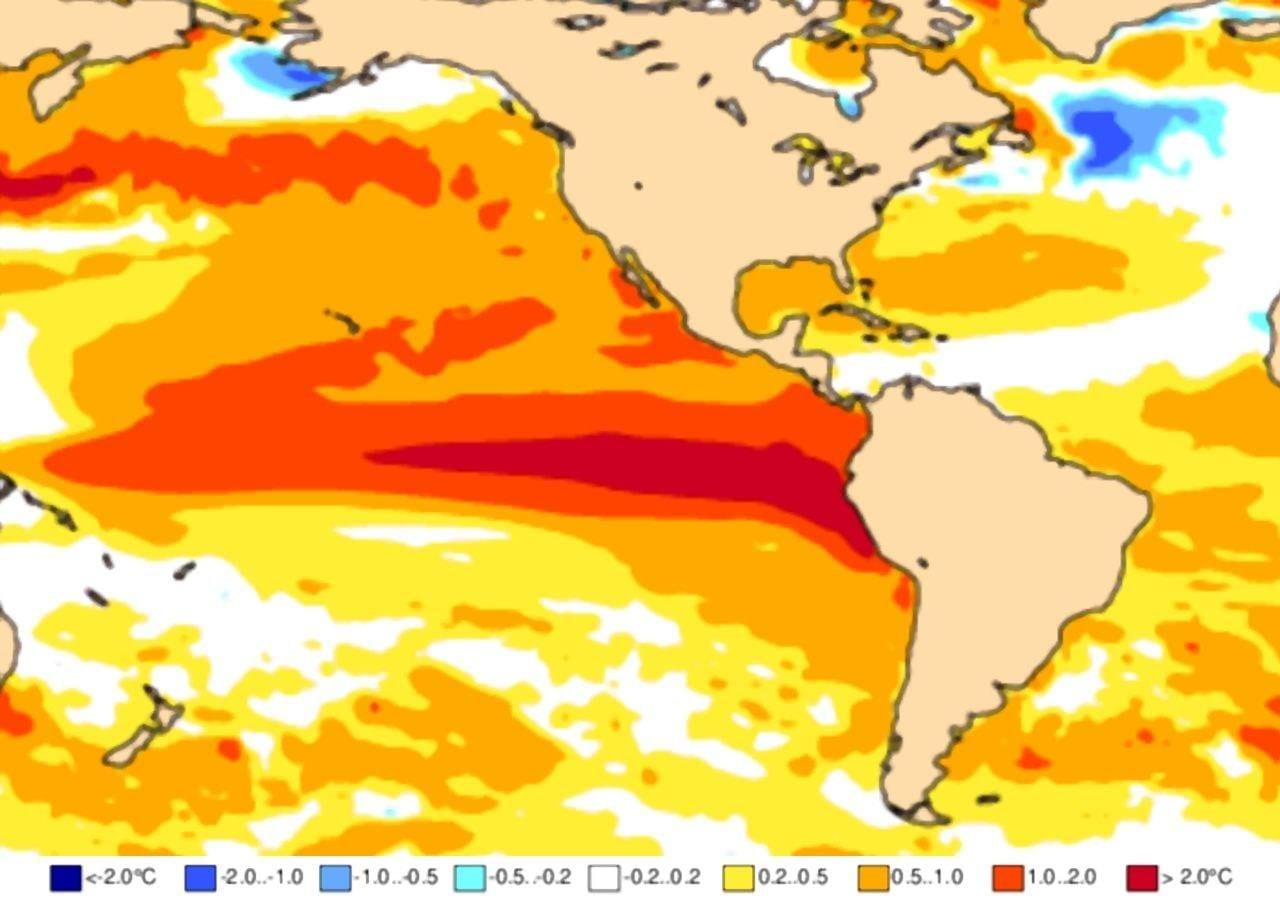
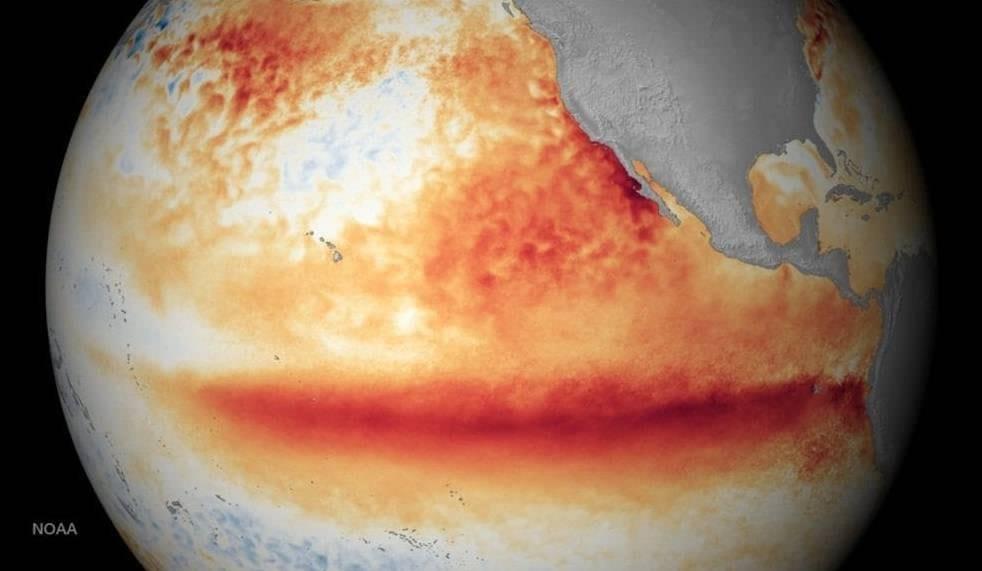
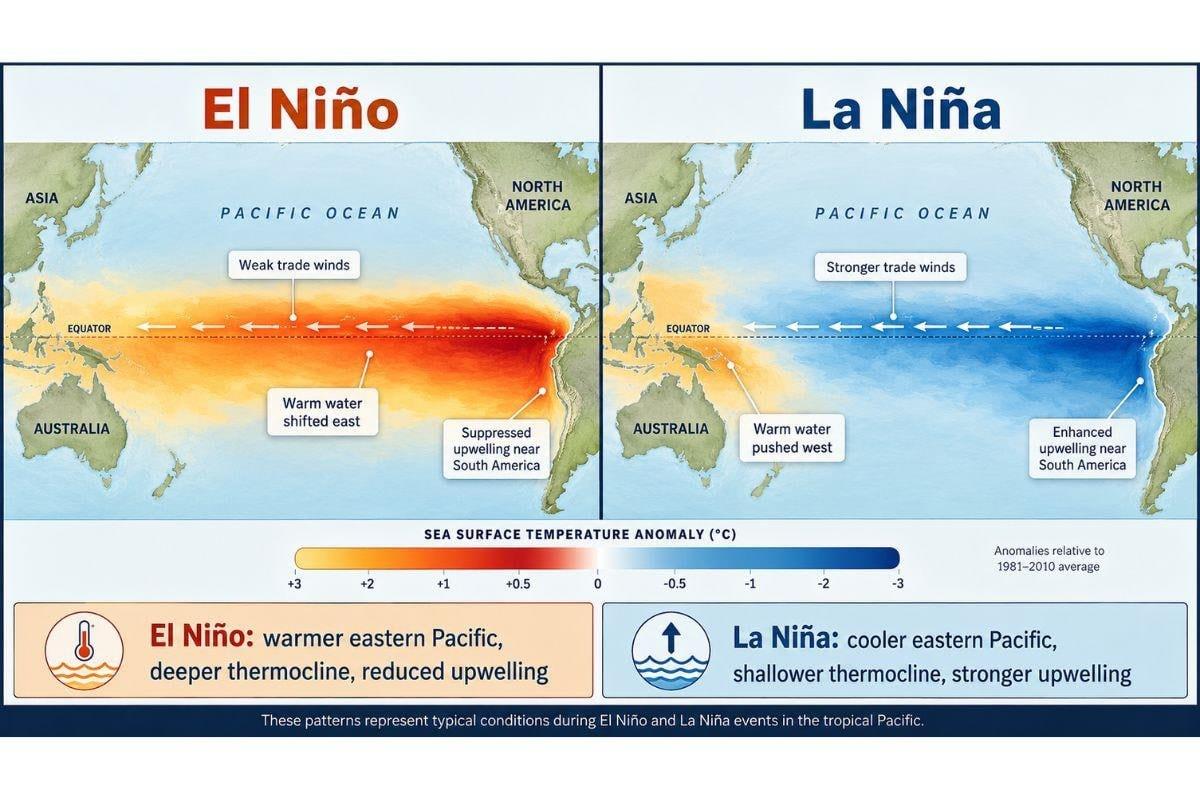
El Niño is characterized by unusually warm surface waters across the central and eastern equatorial Pacific Ocean. It can alter atmospheric circulation, rainfall patterns and temperatures across many parts of the world.
When El Niño develops against an already warmer global climate driven by rising greenhouse-gas concentrations, it can provide an additional temporary boost to global temperatures and influence regional weather patterns.
But in the case of the Nepal disaster, there is currently no scientific evidence establishing a direct causal link between El Niño and either the glacier collapse or the resulting flash flood.
El Niño can therefore be viewed as a broader climate factor capable of adding warmth to the global climate system, but it has not been established as the direct trigger of this disaster.
Conclusion
Scientific understanding of the Nepal flash flood changed rapidly as new evidence became available.
Initially, a signal detected by seismic instruments led to reports of a magnitude 4.4 earthquake. Other explanations subsequently emerged, including monsoon rainfall and speculation about other natural phenomena.
But further analysis by the U.S. Geological Survey, combined with seismic observations and satellite imagery, produced a clearer picture: the signal initially interpreted as an earthquake was generated by a massive collapse of glacial ice and rock and the resulting debris flow. USGS concluded that no earthquake had occurred.
Based on the best evidence currently available, the collapse of ice and rock was the immediate physical event that set in motion the debris flow and devastating flash flood downstream.
Heat, long-term climate change and El Niño may belong to the broader environmental context in which the disaster occurred. But there is not yet sufficient evidence to establish any of them as the direct cause of the August 26 glacier collapse.
That distinction is important because science does not treat its first explanation as its final answer.
The central lesson from Nepal is therefore not only about glaciers, earthquakes or floods. It is also about how science works: when new evidence emerges, explanations must change with the evidence.