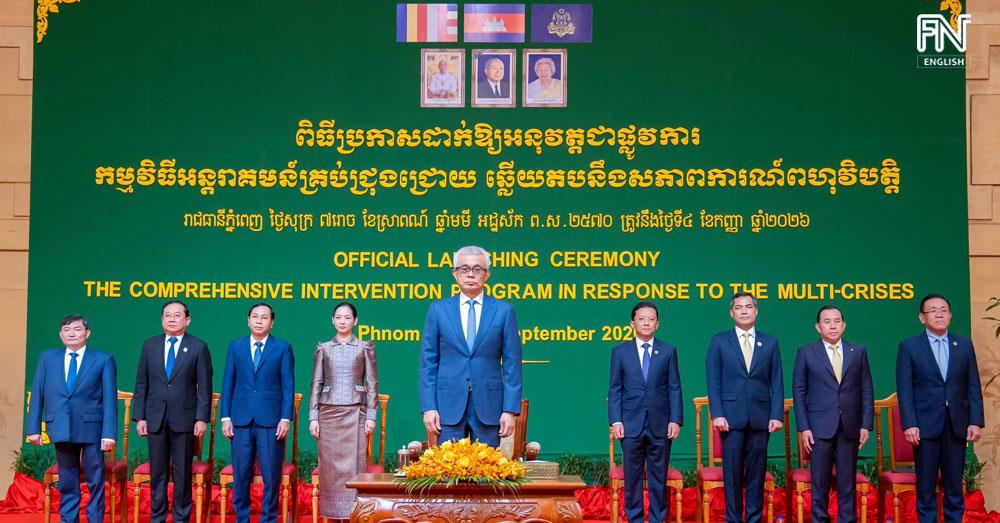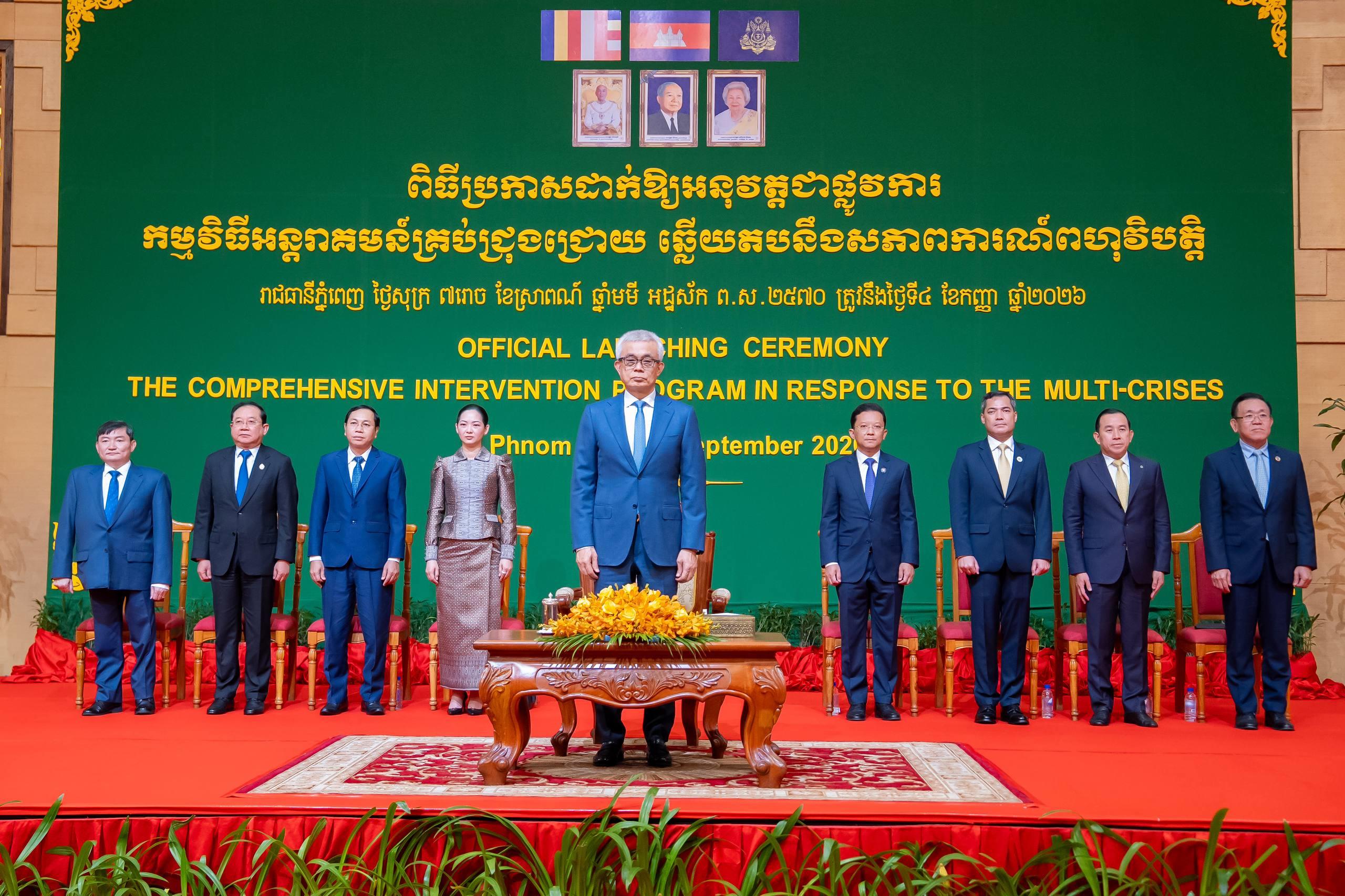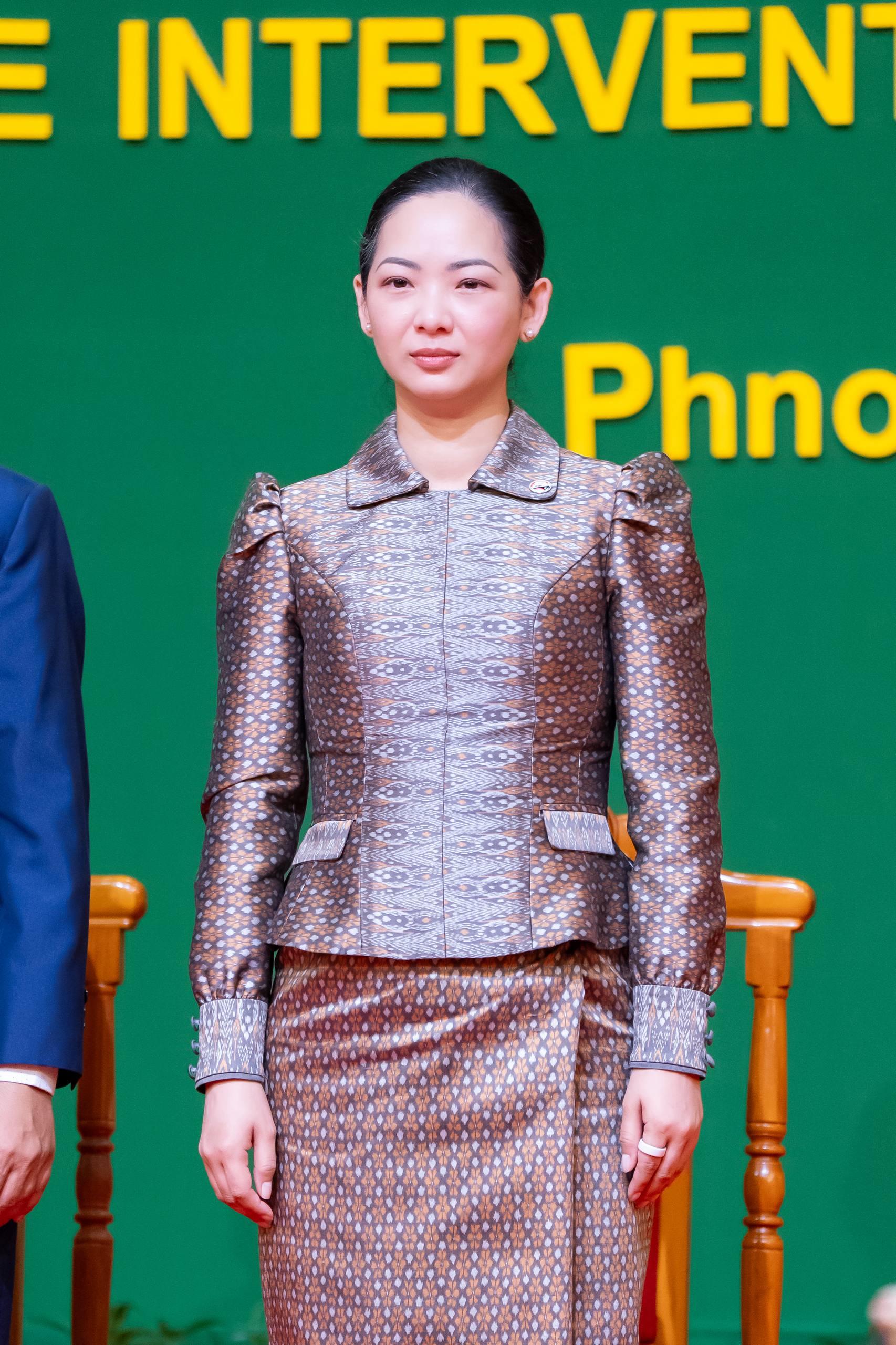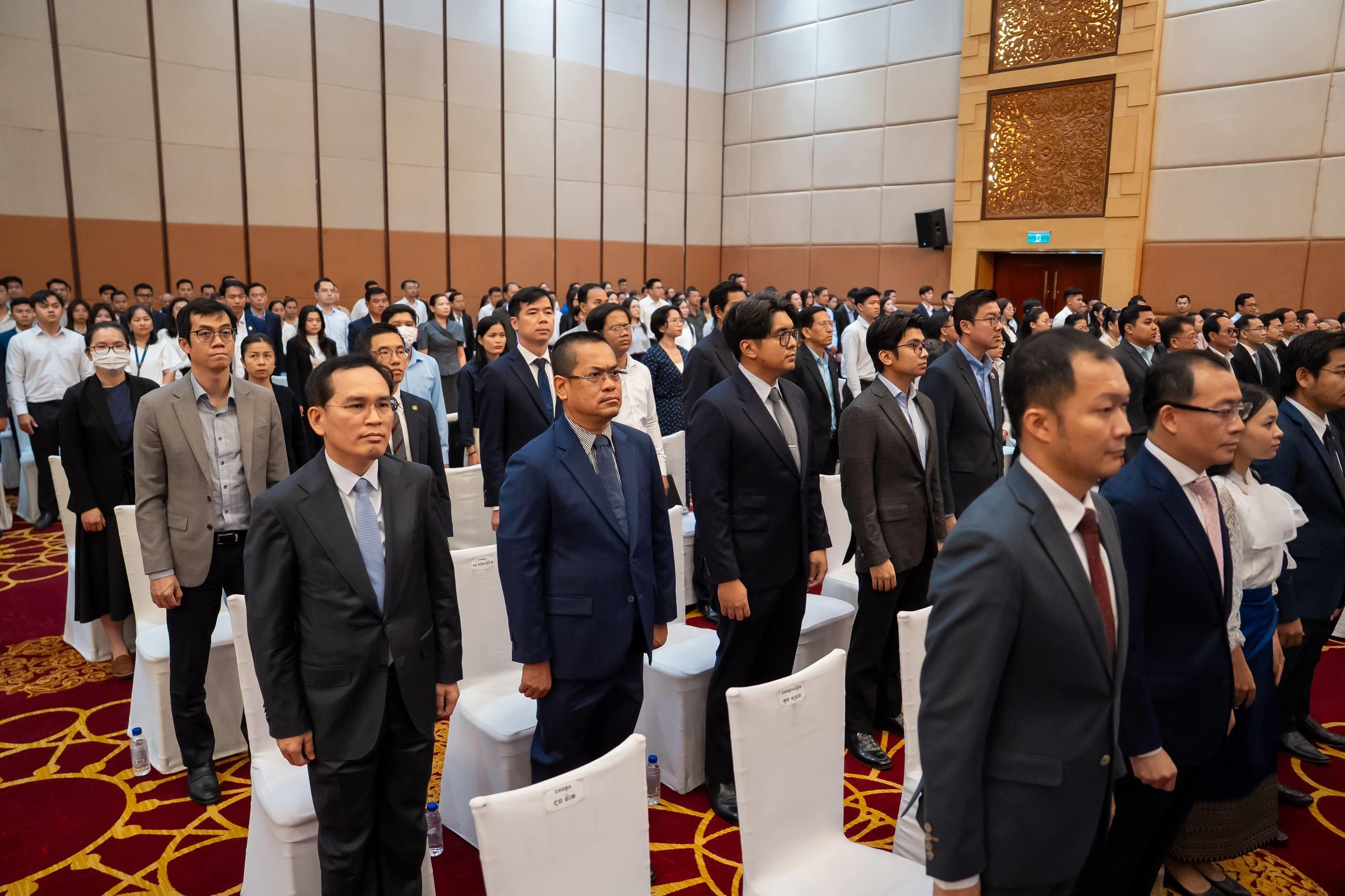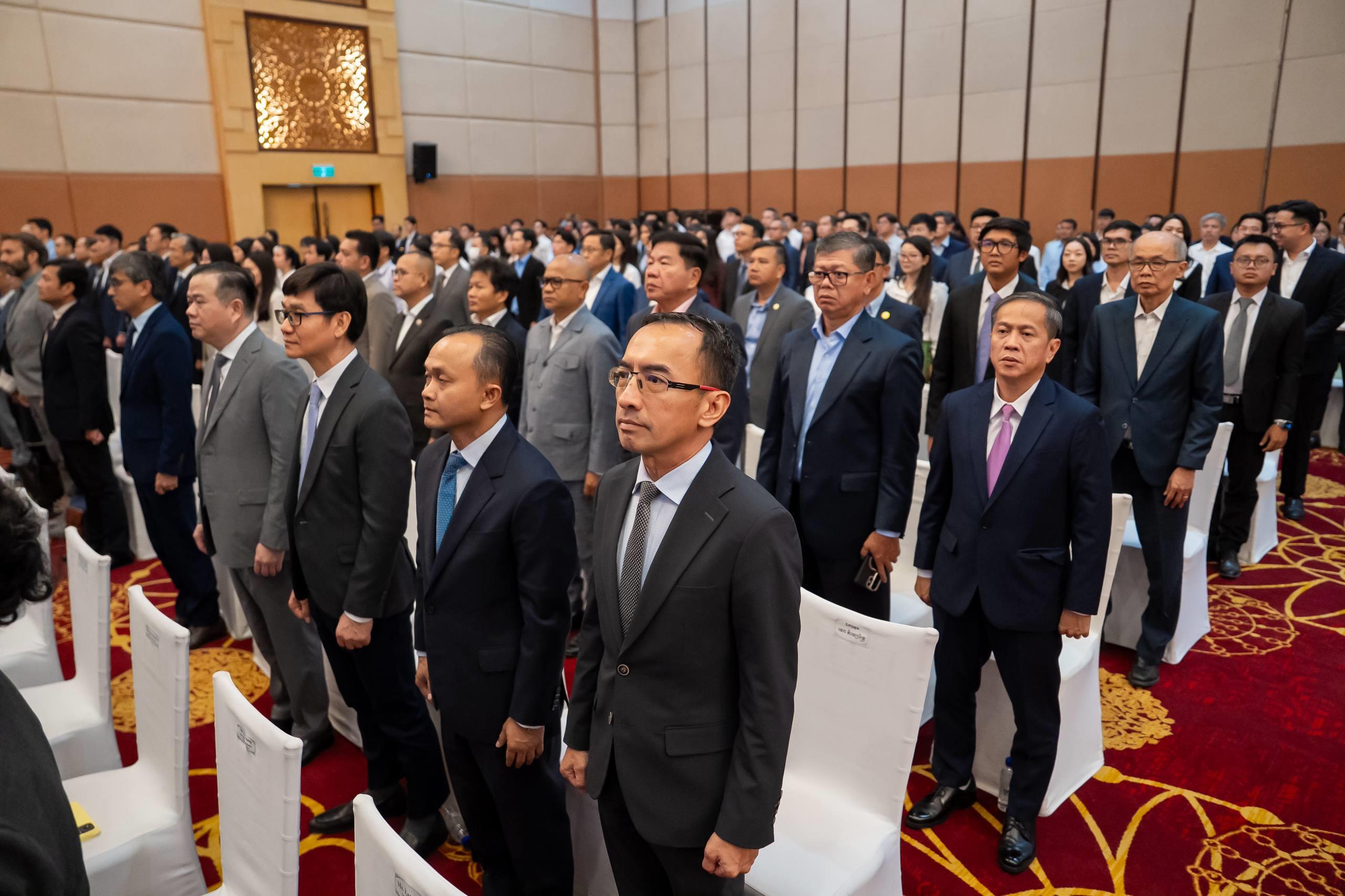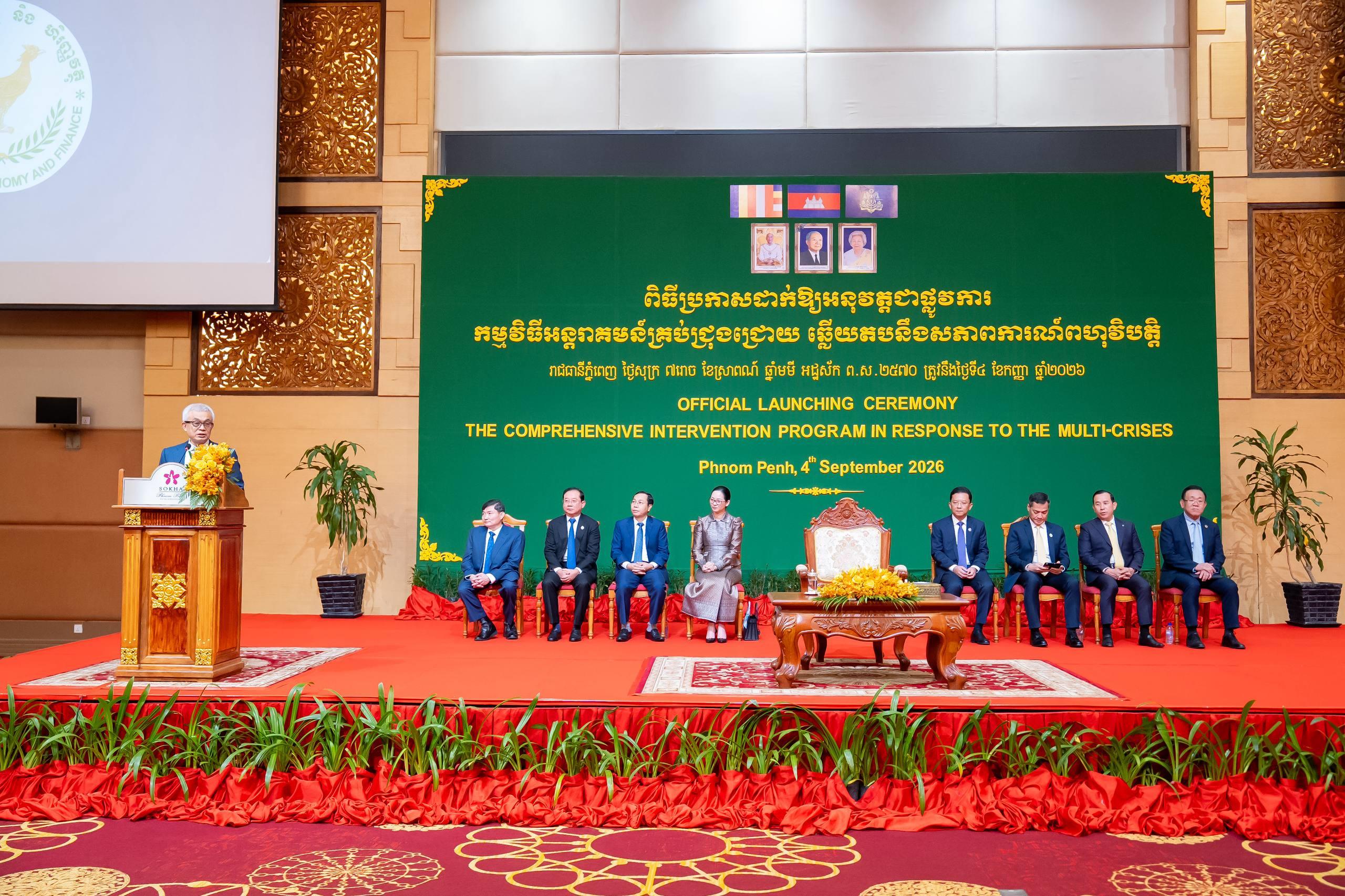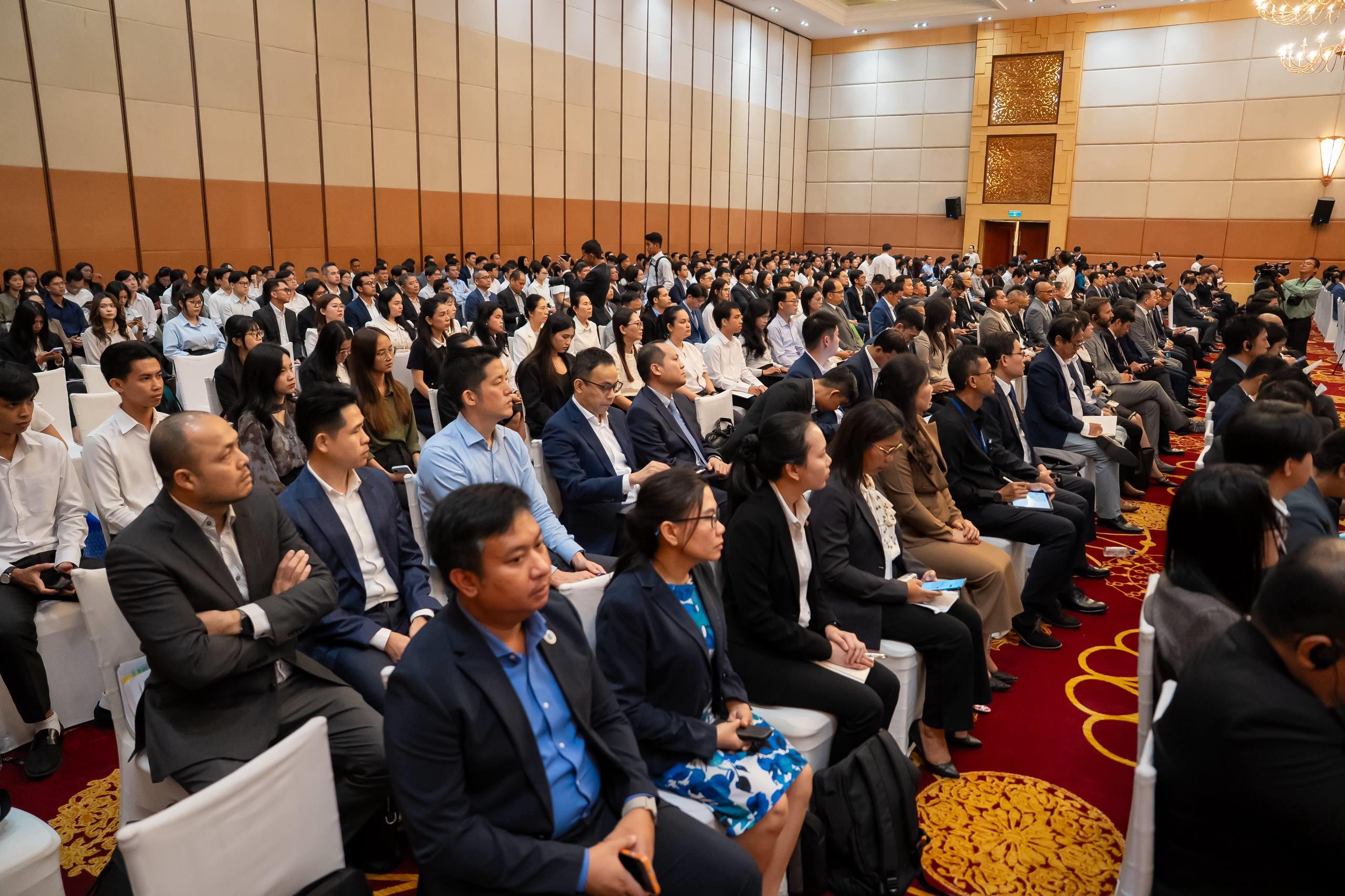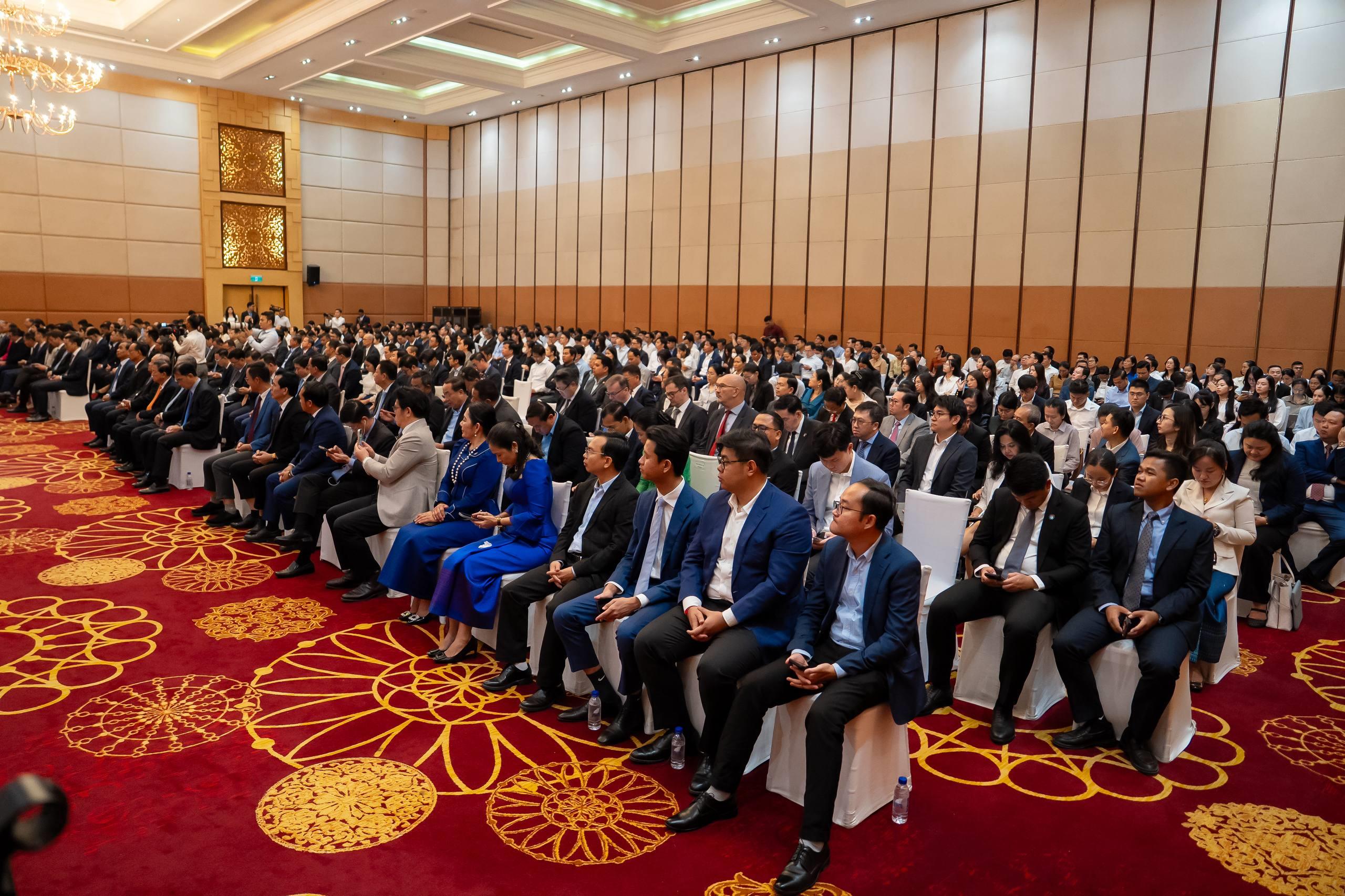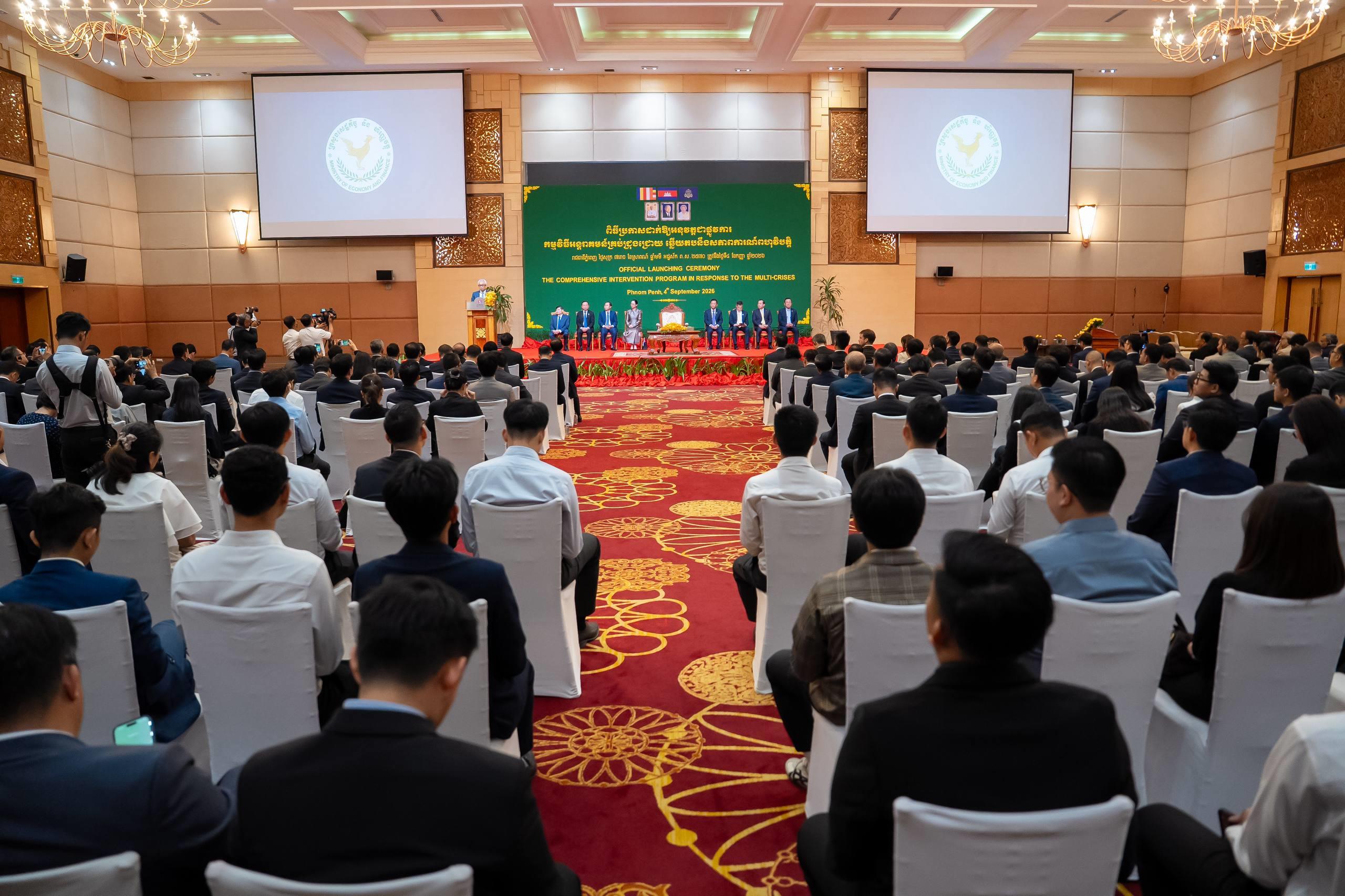

(Phnom Penh): The Royal Government of Cambodia officially launched the “Comprehensive Intervention Program in Response to the Multi-crises Situation,” with a planned expenditure of over $1.2 billion aimed at stabilizing public livelihoods and strengthening the resilience of Cambodia’s economy and society in the short and medium term.
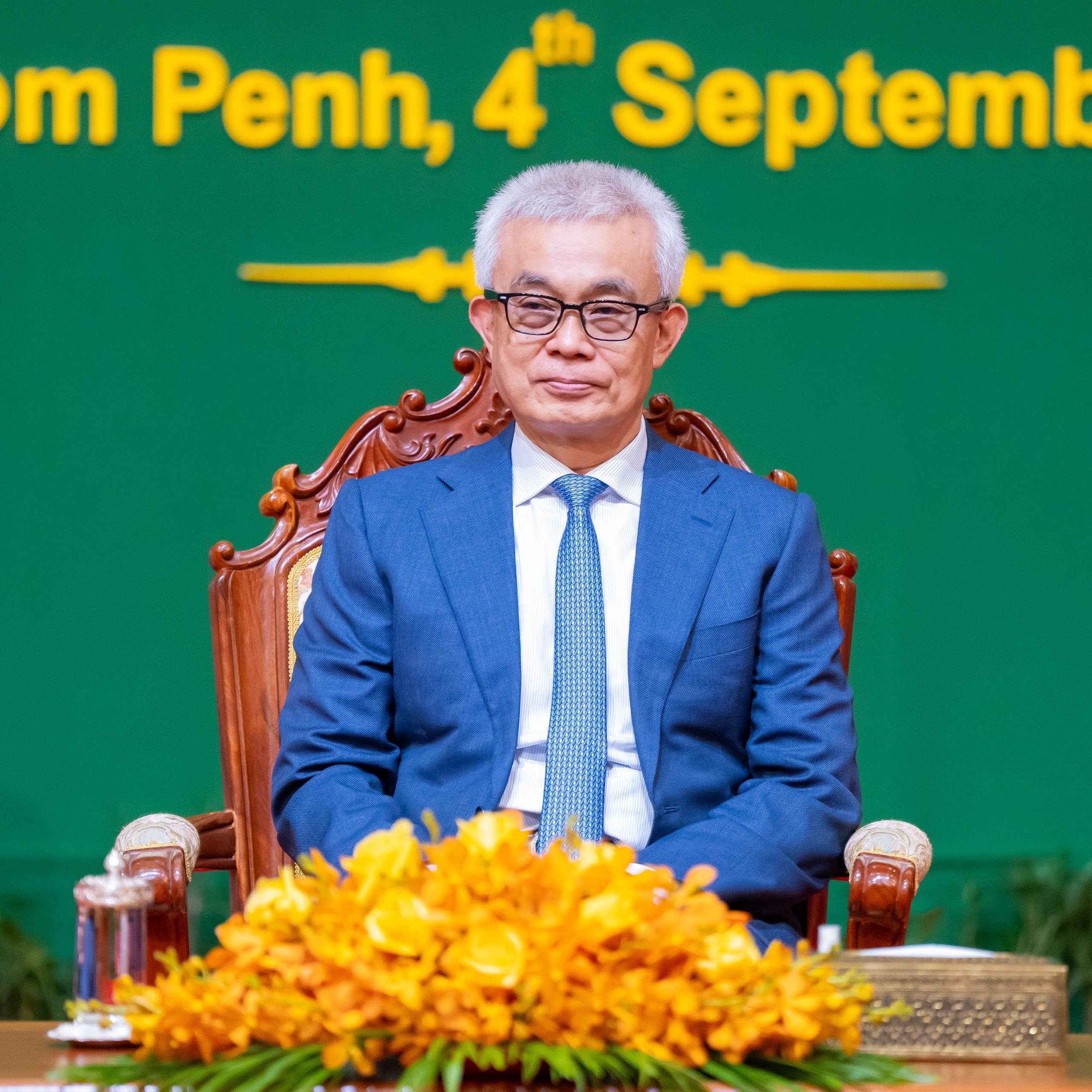
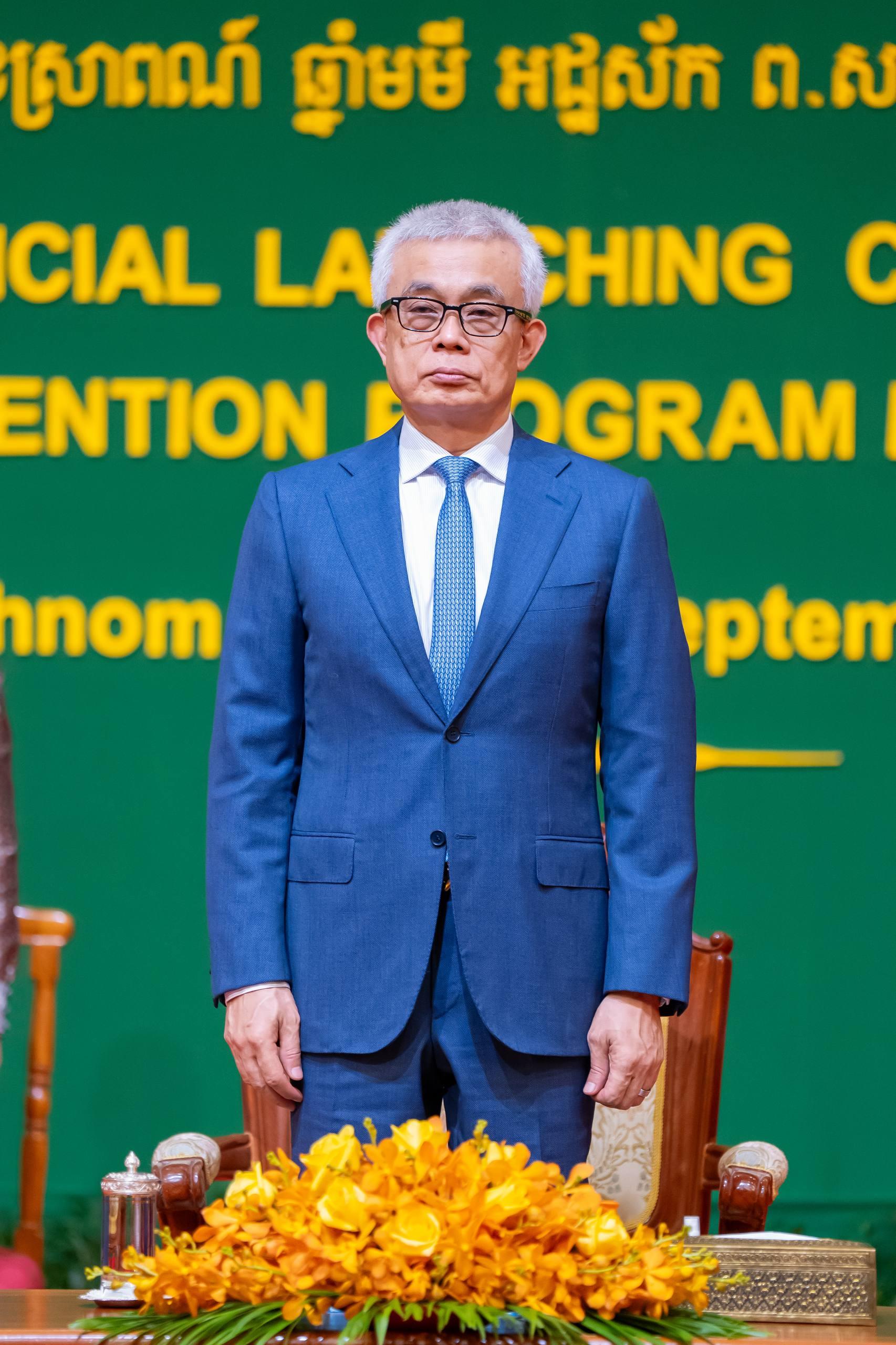
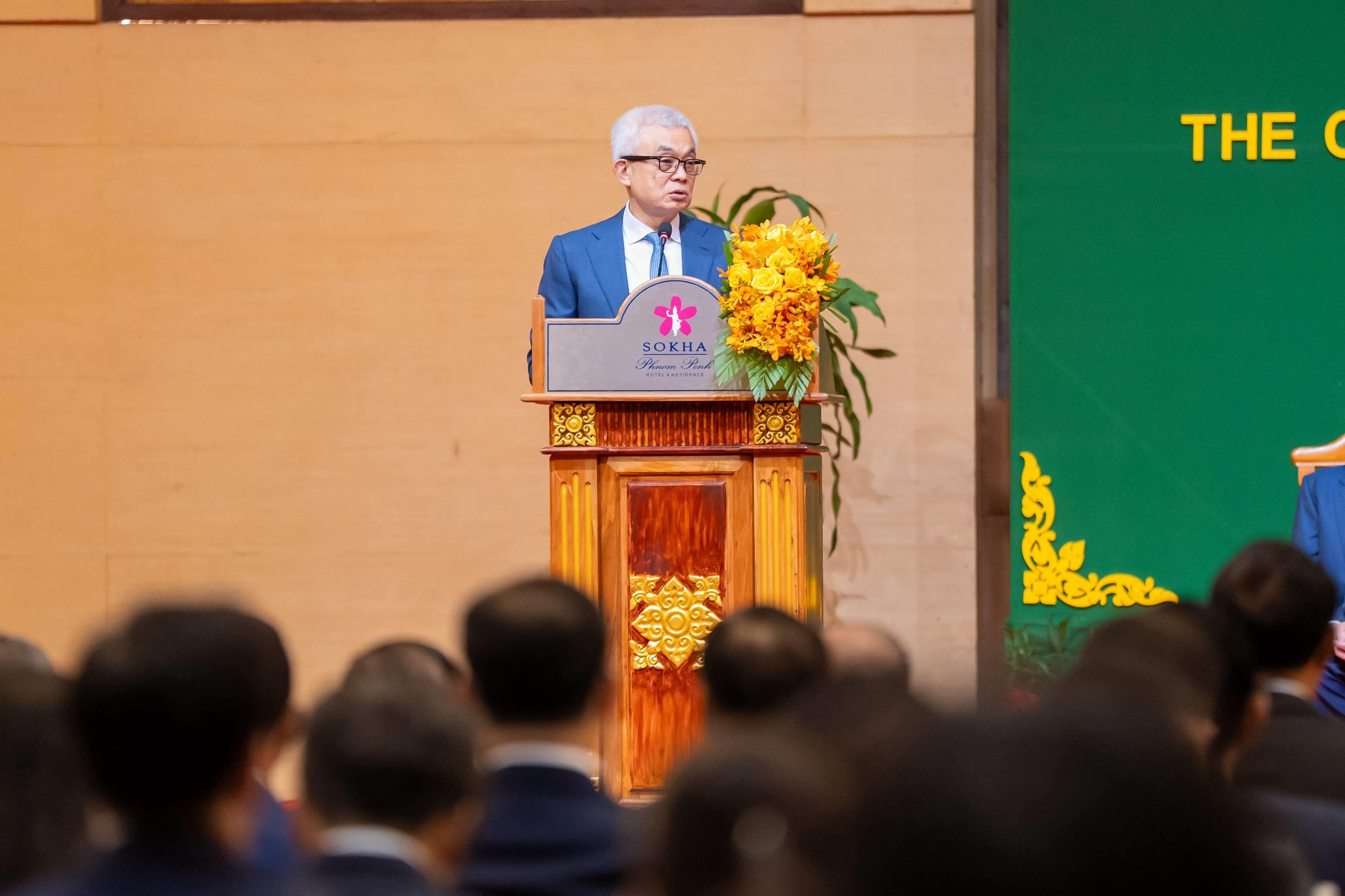
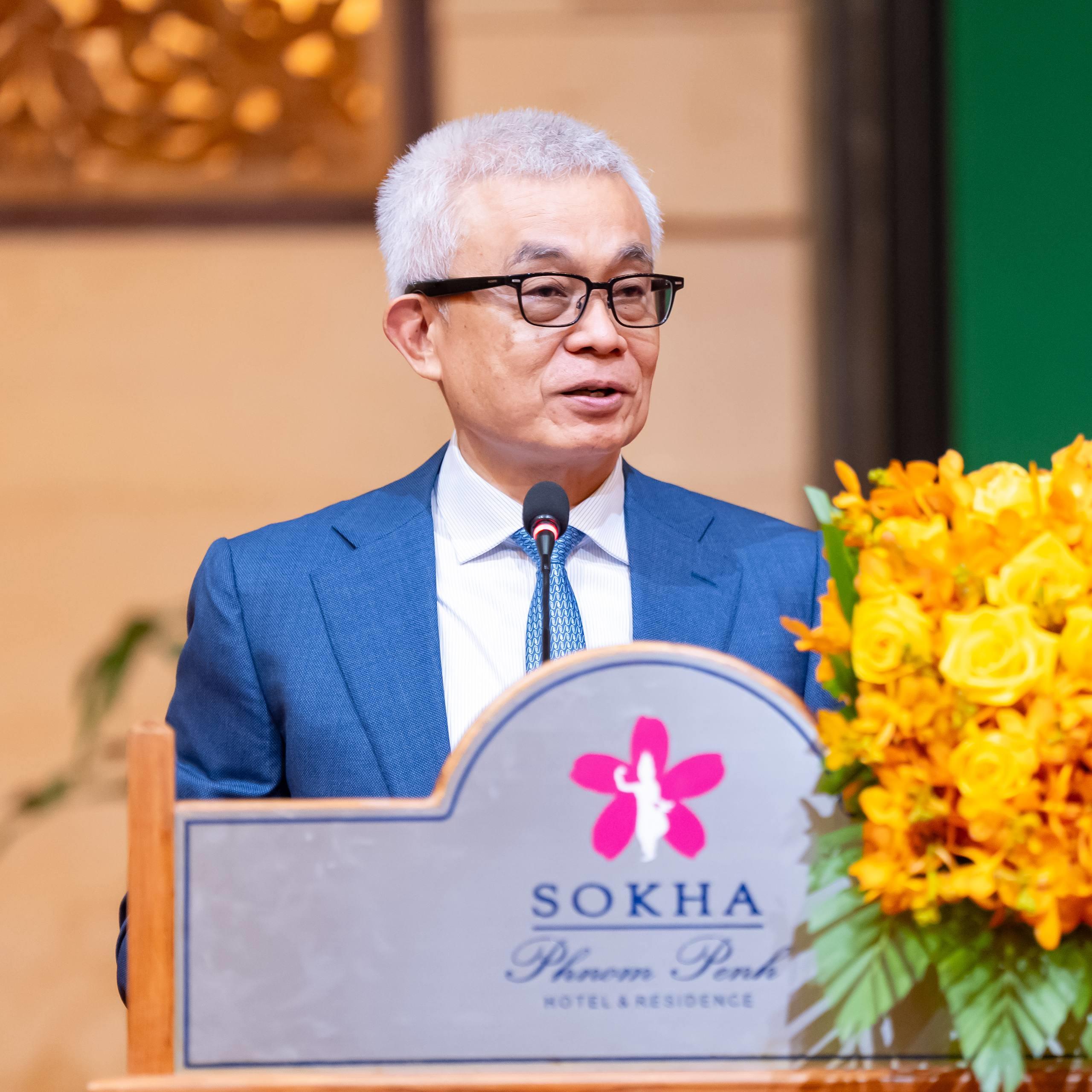
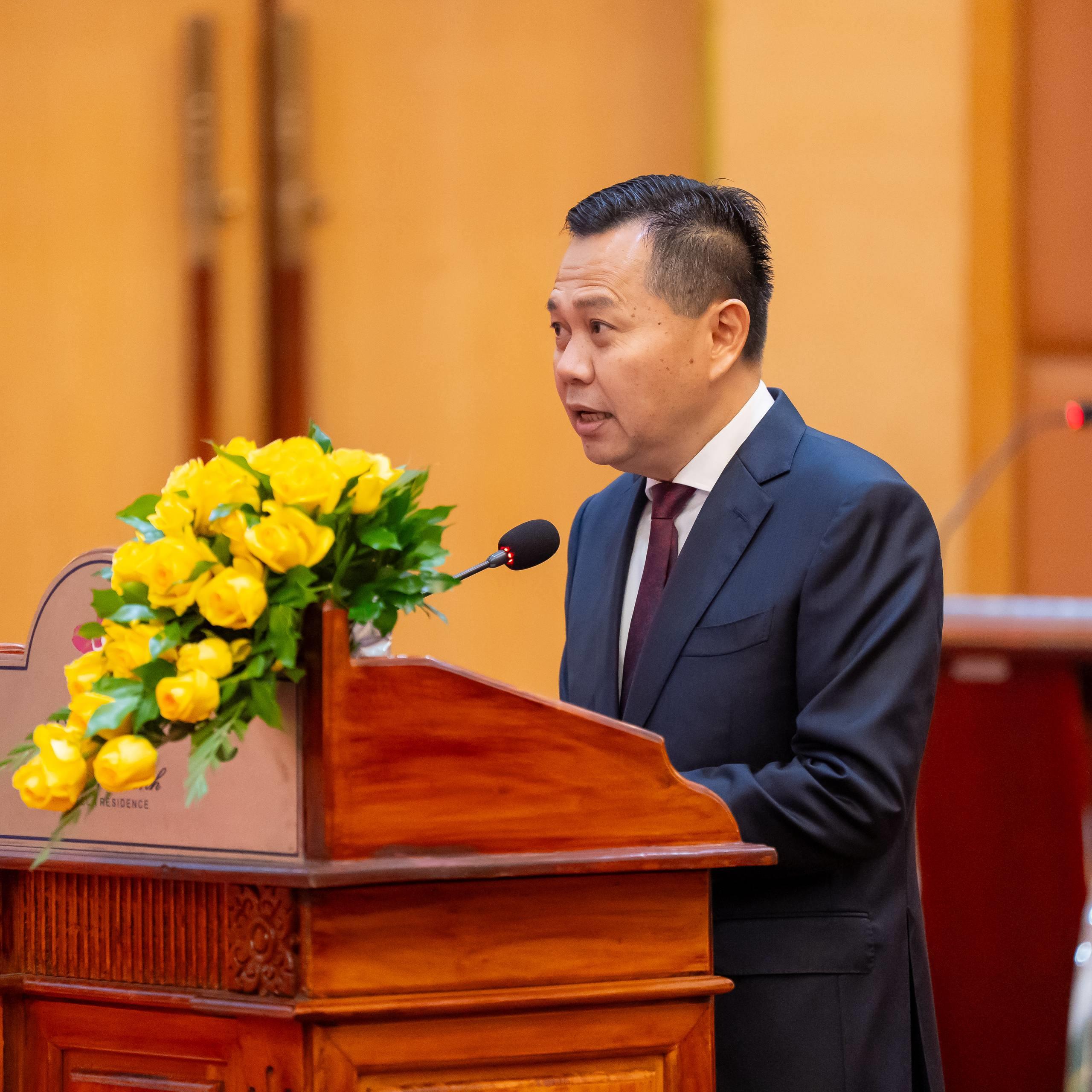
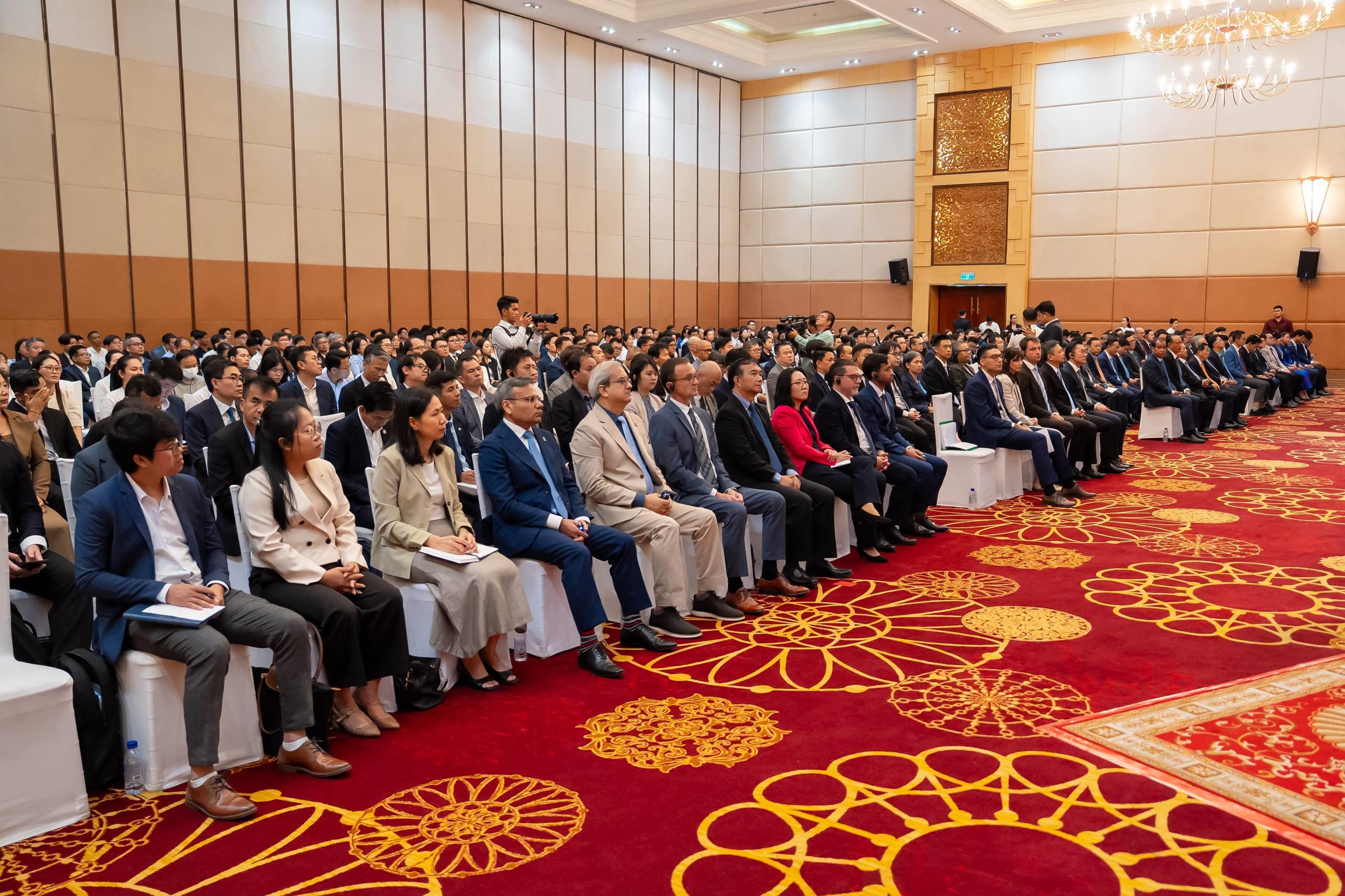
The official launch ceremony was presided over by Deputy Prime Minister Aun Pornmoniroth, Minister of Economy and Finance and Chairman of the Economic and Financial Policy Committee.
Aun Pornmoniroth underscored that following the COVID19 crisis, Cambodia continues to face transitional multi-crises. These challenges include shifts in the global trade regime, nationwide crackdowns on online scams, Cambodia-Thailand border issues, and particularly the Middle East crisis, which has triggered sharp increases in oil and gas prices as well as inflationary pressures.
Despite being a small nation, the Royal Government maintains a clear vision and proactive approach in executing strategic interventions. Consequently, Cambodia achieved an economic growth rate of 5.3% in 2025, though growth is projected to moderate to 4.1% in 2026 due to the spillover effects of the Middle East conflict.
The “Comprehensive Intervention Program” was formulated under thr guidance of Cambodian Prime Minister Hun Manet. The initiative integrates supply-side and demand-side measures to boost growth and enhance socio-economic resilience. It places special emphasis on public welfare, particularly poor and vulnerable households while safeguarding economic activities and businesses, especially micro, small, and medium enterprises (MSMEs).
The intervention program is structured into three packages comprising 27 total measures, with an estimated allocation of USD 1,224.2 million:
Intervention Package 1: Livelihood Stabilization Linked to Job Creation. This intervention focuses on poor and vulnerable populations as well as micro, small, and medium-scale vendors. Key measures include continued relief on petroleum products through November 2026; cash transfer programs for poor households, vulnerable families, and auto-rickshaw (tuk-tuk) drivers (with the initial payout scheduled for September); and local infrastructure development initiatives capable of generating approximately 220,000 jobs. This package also addresses the livelihoods of migrant workers and displaced persons while supporting startups and MSMEs.
Intervention Package 2: Technical and Vocational Skills Training Linked to Employment Generation. This intervention focuses on backing existing skills development programs and establishing new training curricula aligned with market demands. Core initiatives include expanding the "My Skills, My Job" program, advancing the National Strategy on Informal Economic Development, offering short-term university training courses, and facilitating job placement services.
Intervention Package 3: Energy Management, Interaction, and Transition: Aims to promote electricity and clean energy utilization to reduce dependence on fossil fuels and petroleum products.
The economy minister remarked that this intervention program not only addresses the immediate impacts of the ongoing crisis, but also serves as an investment in human capital, job creation, productivity enhancement, and overall national economic resilience. The program aims to drive economic growth in 2026 and establish a firm foundation to sustain Cambodia's trajectory of sustainable growth in the years ahead.
=FRESH NEWS