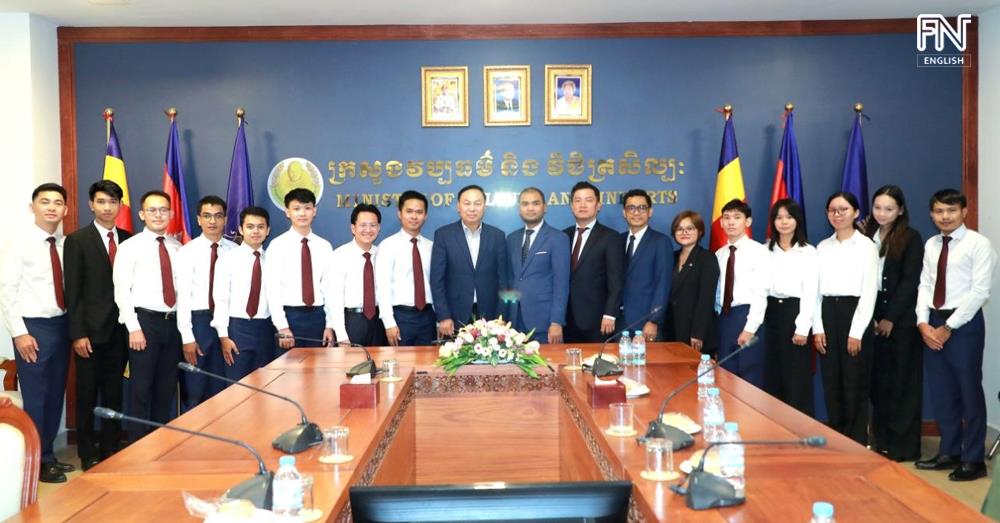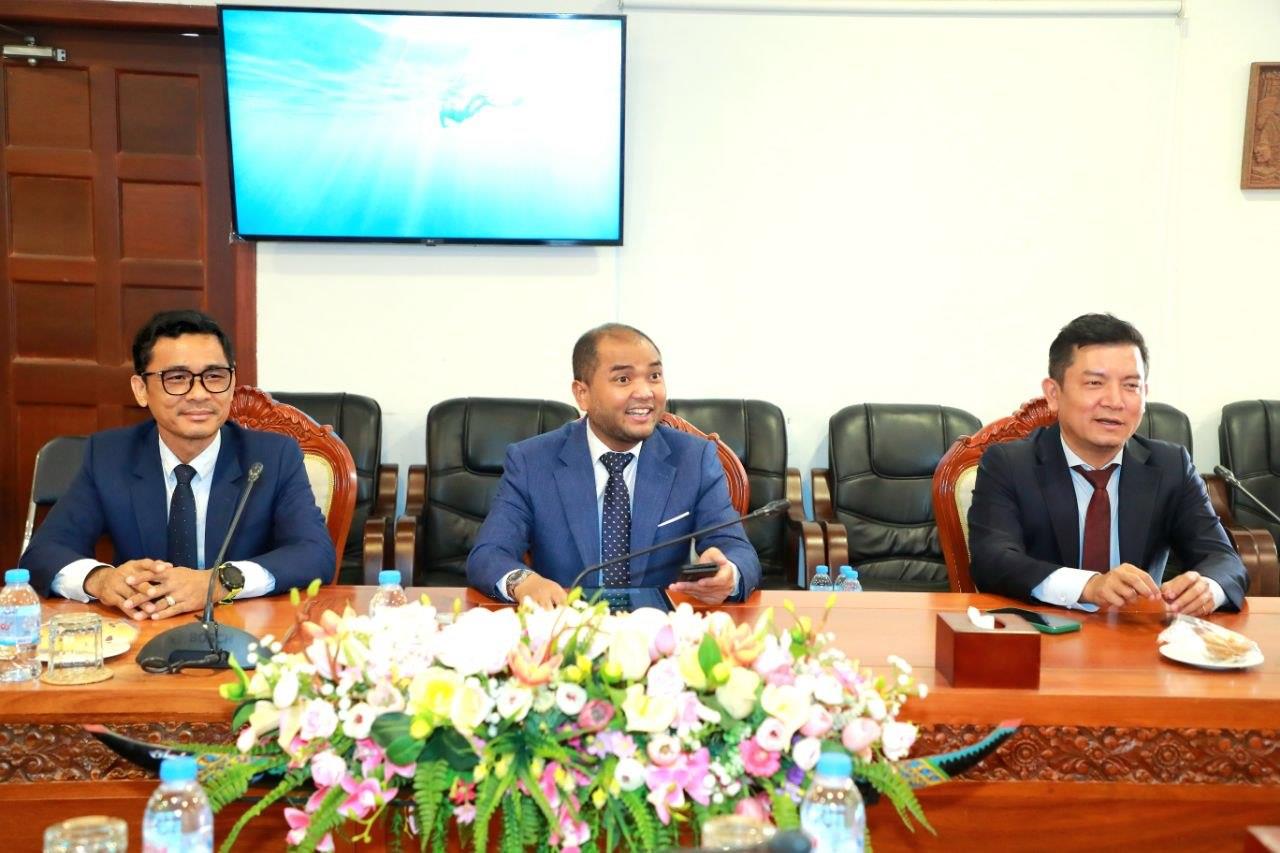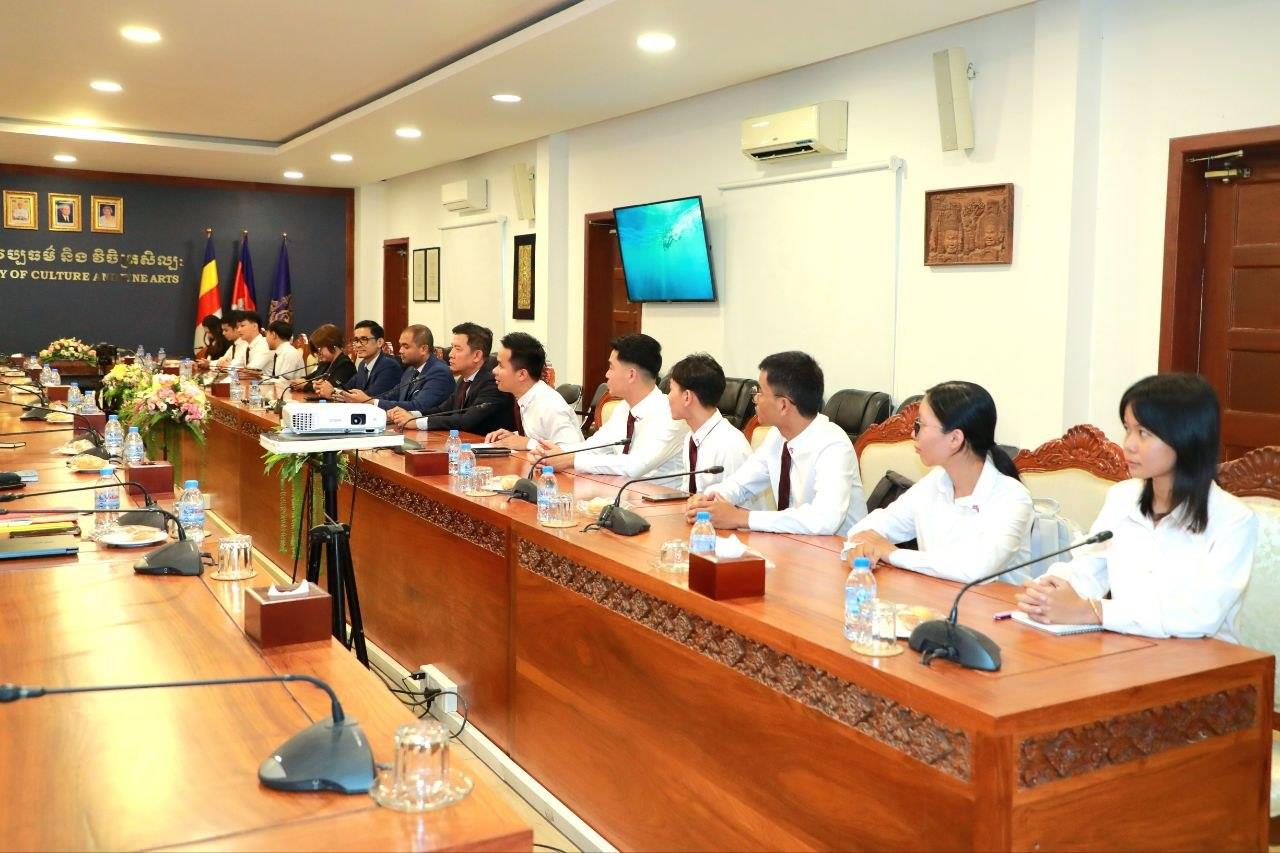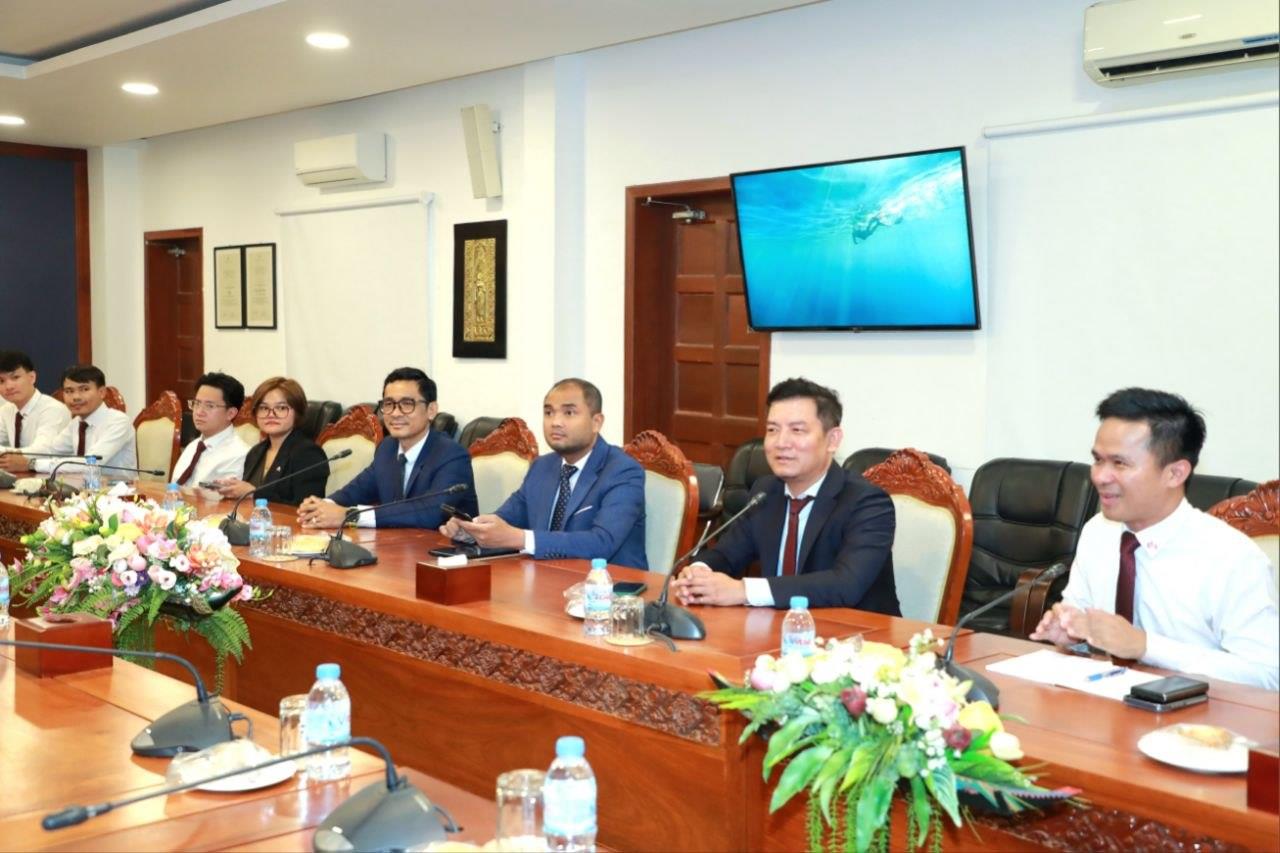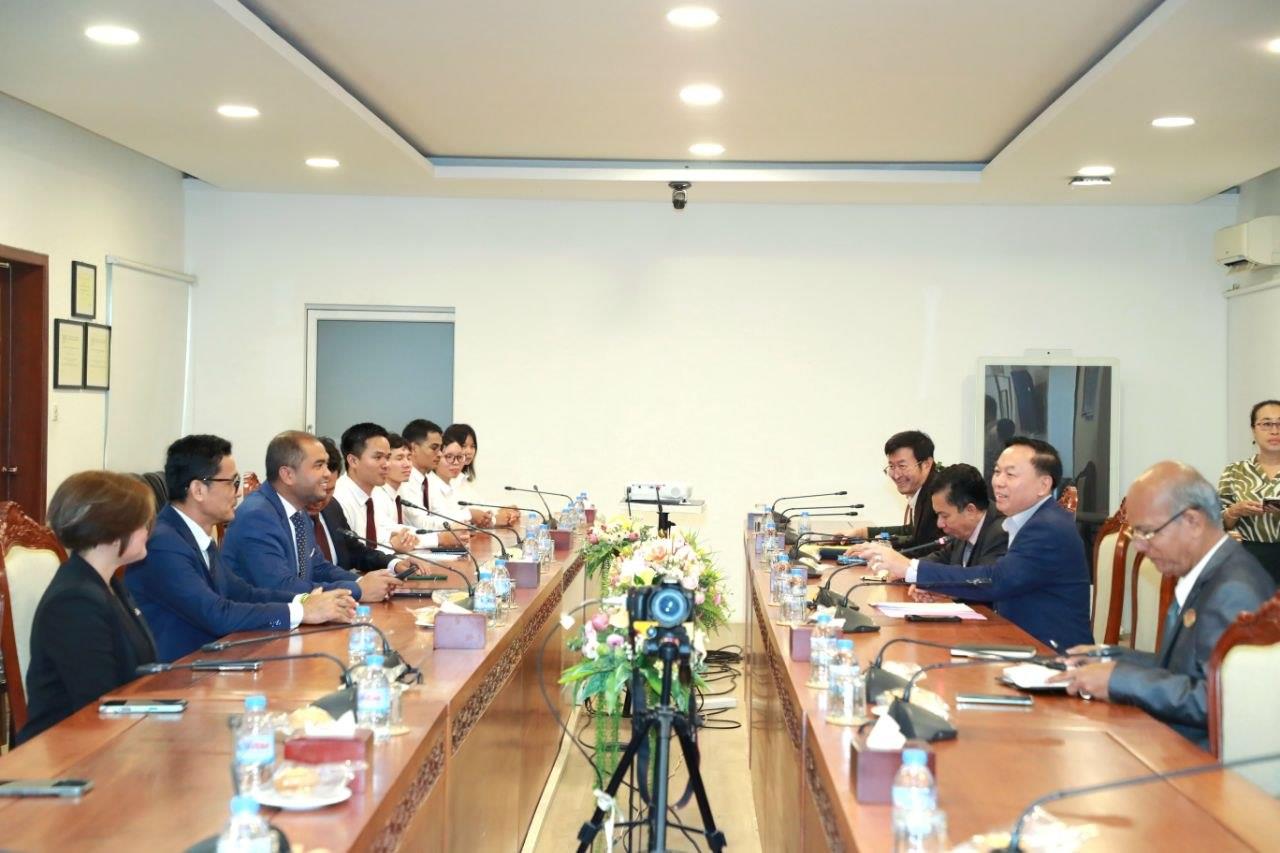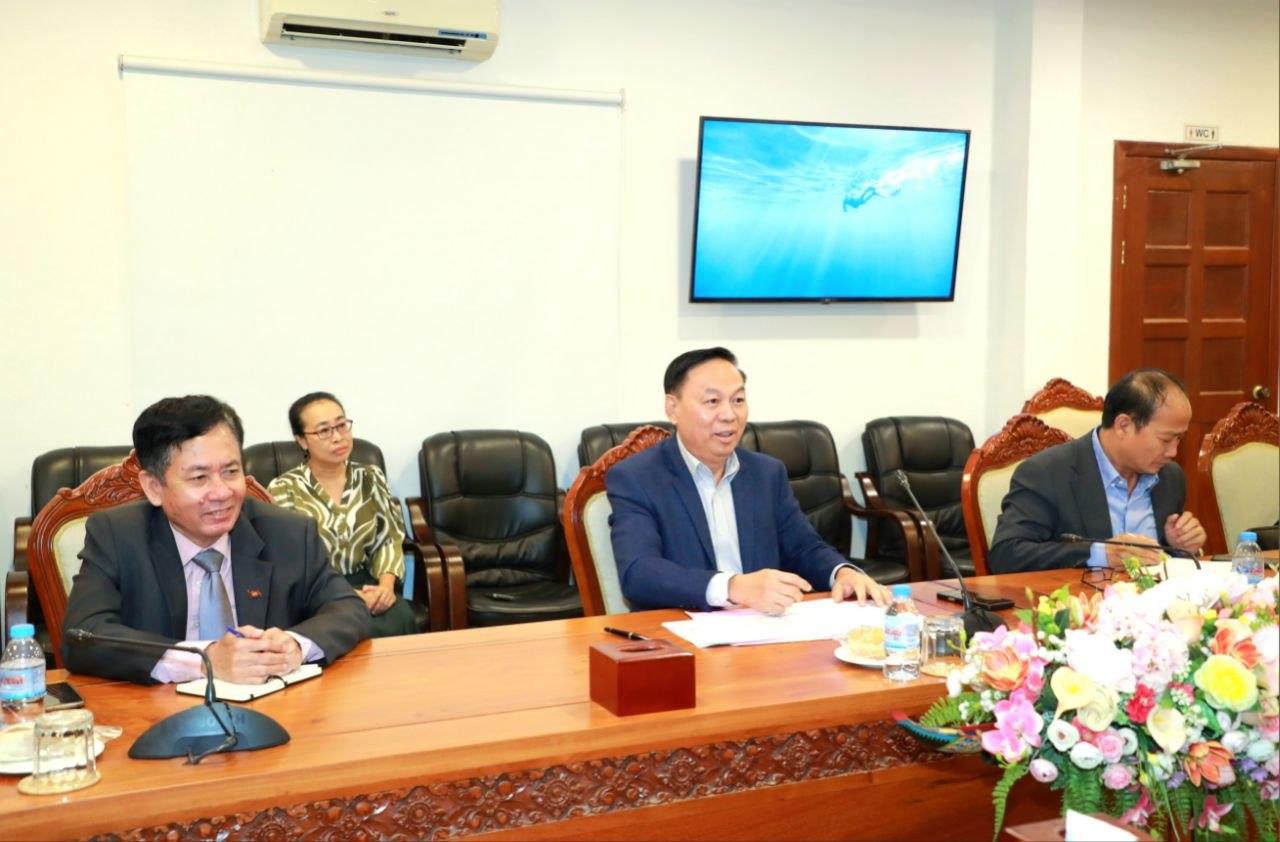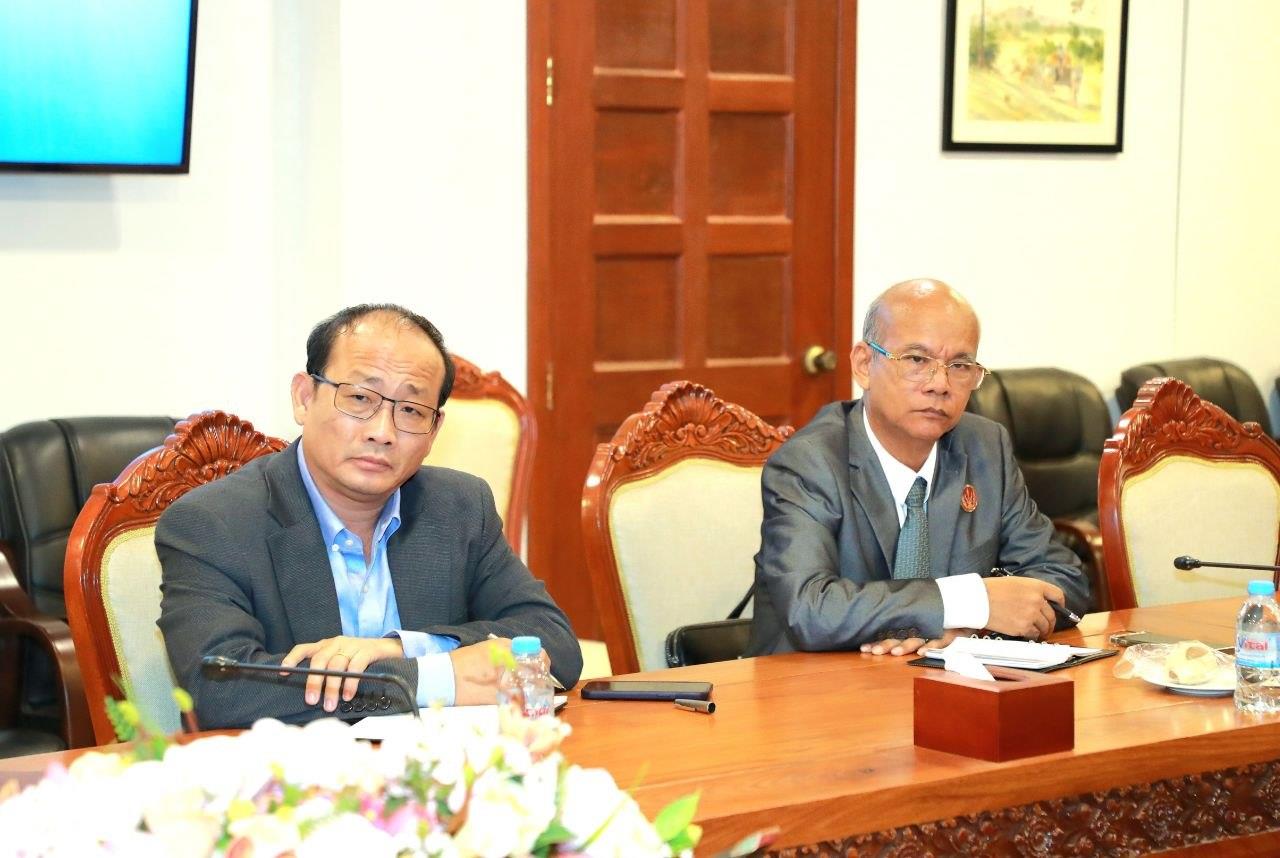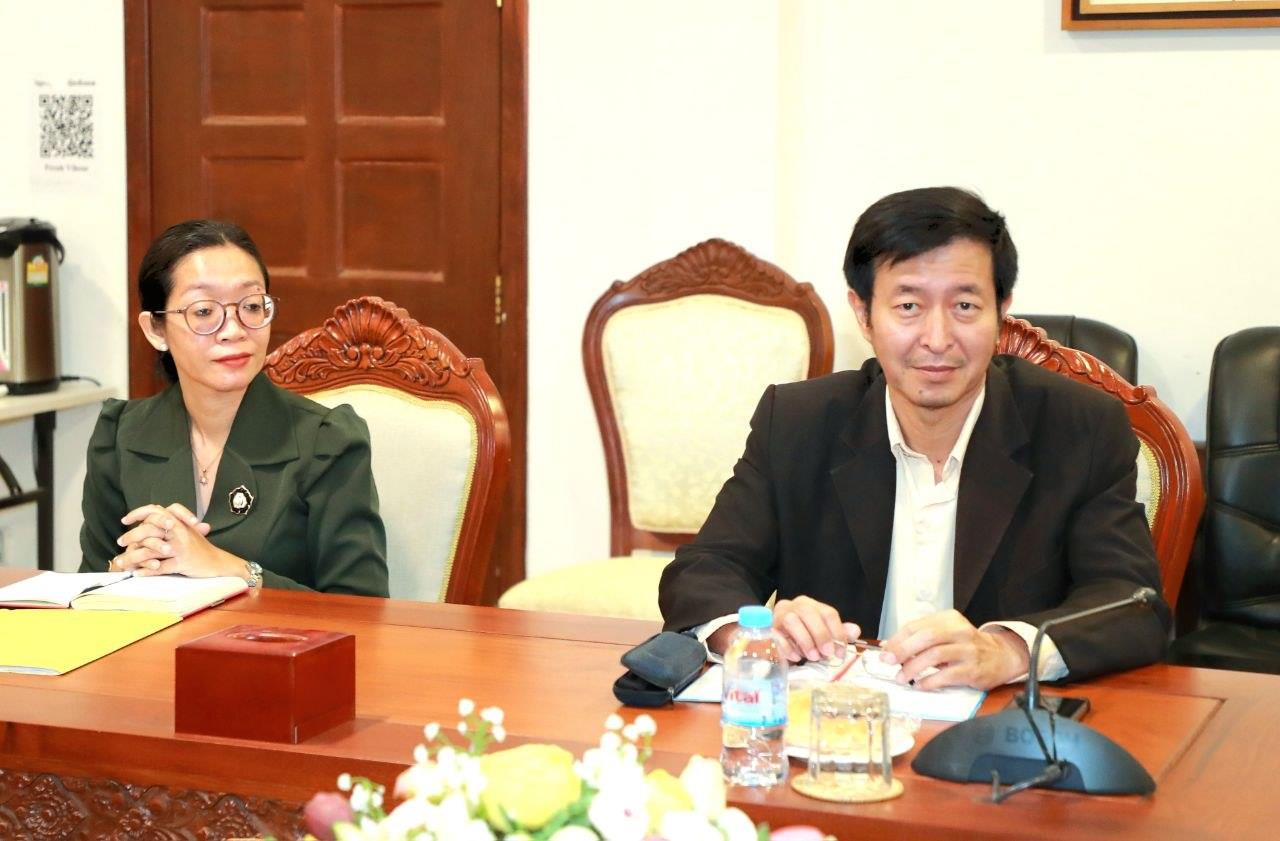

(Phnom Penh): On Monday (Sep. 7), at the Ministry of Culture and Fine Arts, Hab Touch, Permanent Secretary of State, representing Minister Phoeurng Sackona, presided over a courtesy meeting with the Cambodian Alumni Association from the Soviet Union and Russia, led by Dr Nhel Ratha, and a 12-member Cambodian youth delegation scheduled to attend the International Festival of Youth 2026 in Yekaterinburg, the Russian Federation.
During the meeting, Hab Touch shared the vision, mission, core responsibilities, and operational framework of the Ministry of Culture and Fine Arts. He urged the youth delegation to maximize the opportunity presented by this international festival to serve as cultural ambassadors for Cambodia and to promote the Kingdom's rich civilization, history, traditions, and artistic achievements.
He emphasized that Cambodia possesses an ancient Asian civilization that has bequeathed a vast cultural legacy, spanning both tangible and intangible heritage. Therefore, young delegates participating in international forums must possess comprehensive knowledge and a clear understanding of national history and culture to demonstrate to international peers that Cambodia holds cultural identities and heritage of universal value.
Cambodia and World Heritage Sites
Hab Touch advised the delegates to highlight the Angkor Archaeological Park, inscribed as a UNESCO World Heritage site in 1992. Spanning approximately 400 square kilometers, Angkor encompasses ancient temples, hydraulic systems, reservoirs, dikes, canals, and historical transport networks, reflecting the high sophistication of Khmer civilization in urban planning, architecture, religion, art, and water management. Iconic sites like Angkor Wat, Bayon, Preah Khan, and Ta Prohm form essential components of this world-renowned legacy.
Beyond Angkor, Cambodia boasts the Temple of Preah Vihear, inscribed as a World Heritage site in 2008, and the Sambor Prei Kuk Temple Zone, listed in 2017. Sambor Prei Kuk, the former capital of Isanapura during the Chenla Empire, features 186 brick temples, demonstrating the advancement of pre-Angkorian architecture and art.
The Koh Ker Archaeological Site stands as another inscribed World Heritage site, recognized by UNESCO in 2023. Koh Ker, historically known as Lingapura, served as the capital of the Khmer Empire in the 10th century. It represents an exceptional ancient urban space marked by unique architectural designs and construction techniques, notably the utilization of massive megalithic stone blocks.
Intangible Cultural Heritage of Cambodia
Hab Touch further instructed the delegation to showcase Cambodia’s Intangible Cultural Heritage of Humanity recognized by UNESCO. As of 2026, Cambodia holds seven elements inscribed on UNESCO's Intangible Cultural Heritage lists:
1. Royal Ballet of Cambodia (inscribed in 2008): A classical performing art closely tied to royal ceremonies and court ritual traditions, characterized by delicate choreography, ornate costuming, traditional music, and performance knowledge transmitted through generations.
2. Sbek Thom (Khmer Shadow Theatre) (inscribed in 2008): a performance art using large leather puppets intricately carved with figures and scenes, accompanied by traditional ensembles and poetic recitations to depict epic sagas, notably the Reamker.
3. Tugging Rituals and Games (inscribed in 2015): a multi-national heritage shared among Cambodia, the Philippines, the Republic of Korea, and Viet Nam. In Cambodia, tugging extends beyond recreation to embody traditional beliefs, seasonal rituals, social cohesion, and community engagement.
4. Chapei Dang Veng (inscribed in 2016 on the Urgent Safeguarding List): a traditional Khmer musical tradition featuring a long-necked lute, combining vocal music, poetry, oral storytelling, and moral instruction.
5. Lkhon Khol Wat Svay Andet (inscribed in 2018 on the Urgent Safeguarding List): a masked theatre tradition performed by male community members, integrating ritual performance, traditional music, and dramatic narration.
6. Kun Lbokator (inscribed in 2022): an ancient Cambodian martial art incorporating combat techniques, martial forms, discipline, and cultural practices passed down across generations.
7. Cultural Practices and Expressions Linked to Krama (inscribed in 2024): The Krama is not merely a woven textile used in daily life, but a symbol of Khmer cultural identity encompassing traditional weaving knowledge, distinctive patterns, colors, and functional applications across daily living and formal ceremonies.
Be informed that Traditional Khmer Marriage Customs are currently undergoing the formal nomination process for 2026 and are not yet officially listed as a UNESCO-inscribed element. Similarly, "Maha Sangkranta" (Khmer New Year) remains under preparation for future nomination.
UNESCO Memory of the World Register
In addition to tangible and intangible heritage, Cambodia maintains two key documentary collections on the UNESCO Memory of the World International Register:
1. Tuol Sleng Genocide Museum Archives (inscribed in 2009): comprising photographs, biographical records, prisoner rosters, execution lists, notebooks, and primary administrative documents, this collection offers crucial evidence for analyzing the history of the Khmer Rouge regime. UNESCO recognizes these archives as documentary heritage of global significance.
2. Panji Tales Manuscripts (inscribed in 2017): a joint international inscription shared between Cambodia, Indonesia, Malaysia, the Netherlands, and the United Kingdom.
The Cambodian delegates can leverage these assets to convey to international peers that Cambodia possesses far more than magnificent stone temples, offering deep living traditions, performing arts, musical heritage, traditional crafts, martial disciplines, social identities, and global documentary heritage.
Youth as Custodians of Cultural Heritage
Hab Touch urged the delegates to present Krama scarves as commemorative gifts to international counterparts to foster understanding of this core Cambodian cultural symbol. Presenting the Krama offers an accessible yet meaningful gesture reflecting Cambodian hospitality and identity.
He also urged the youth to prepare traditional folk dance performances, such as the Coconut Shell Dance (Robam Kuos Tralaok), as well as popular social dances including Ramvong, Ramkbach, Saravan, and Lamleav, to facilitate rich cultural exchanges with delegates from around the globe.
Such active engagement goes beyond artistic presentation; it represents the strategic application of Cambodia's "Soft Power" to enhance national awareness, cultivate international friendships, and open avenues for future cooperation in culture, tourism, education, arts, and creative industries.
On this occasion, the Ministry of Culture and Fine Arts provided the delegation with educational materials and publications detailing ancestral legacies, culture, traditions, tourist destinations, and Cambodia's potential as a film production destination. These resources offer essential baseline knowledge for accurate and compelling international outreach.
This engagement underscores the Royal Government’s strategic commitment to investing in Human Capital—specifically in empowering youth with the knowledge, expertise, confidence, and capacity to represent Cambodia on global platforms. Youth remain the core force for preserving national heritage and the pillar for building Cambodia's future.
For the 12 young delegates, participating in the International Festival of Youth 2026 represents a major platform to exchange knowledge, culture, and experience with international peers while displaying the richness of Khmer culture and Cambodia's progress to the world.
International Festival of Youth 2026
International Festival of Youth 2026 in Yekaterinburg, Russian Federation, will convene approximately 10,000 young leaders, including 5,000 international participants representing around 195 countries. The event serves as a platform for global youth to connect, exchange perspectives, share cultural insights, and strengthen international understanding and cooperation.
For Cambodia, sending a youth delegation extends beyond participating in an international gathering; it offers a direct opportunity for young Cambodians to act as cultural diplomats, sharing the narrative of Khmer civilization, peace, cultural traditions, and national potential with the world while building lasting global partnerships for the future.
Learn more at: http://en.fna.asia/21d36 and https://wyffest.com/en/news
=FRESH NEWS