
(Phnom Penh): World War I did not begin with countries around the world declaring war on one another on the same day. It began with a crisis in the Balkans, before a system of alliances and successive escalations drew one major power into the conflict after another.
World War II followed a different path, but it, too, did not become a “world war” overnight. The conflict expanded from one theater to another until major powers were fighting each other directly across Europe, Asia, the Pacific and beyond.
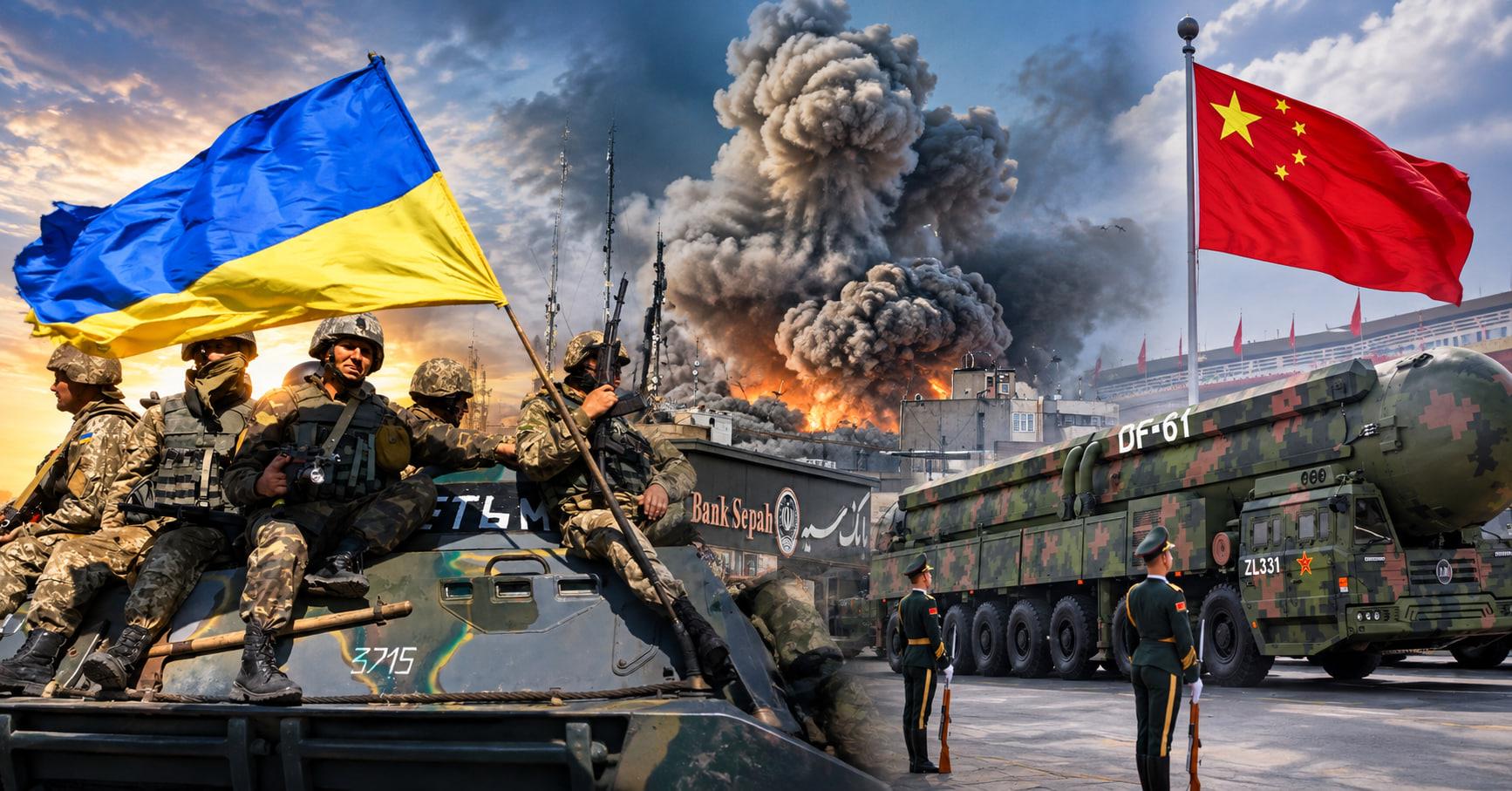
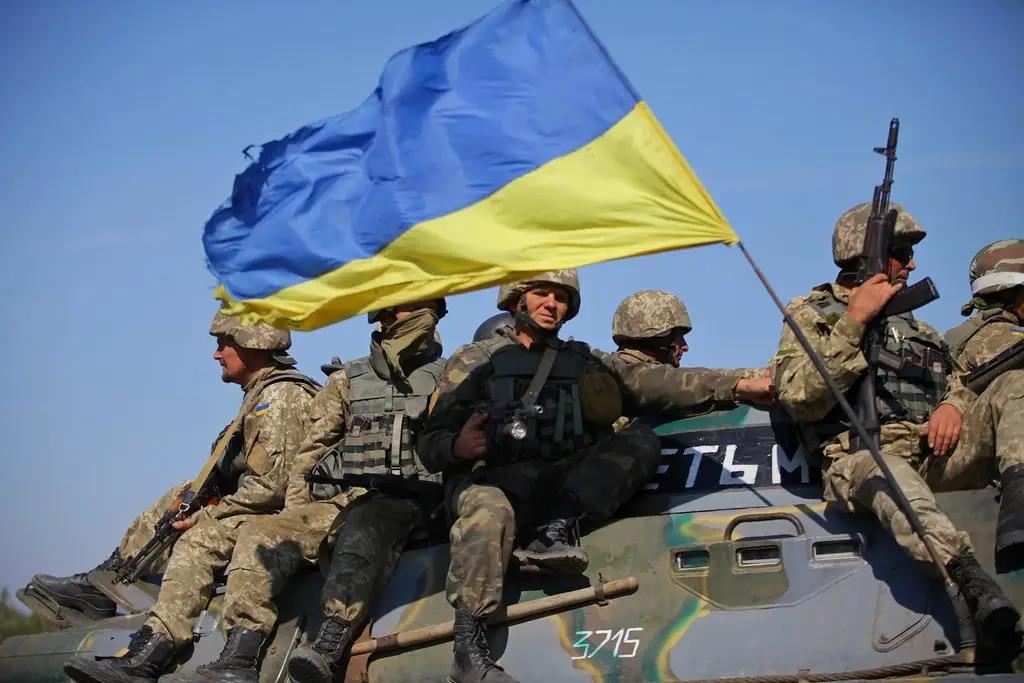
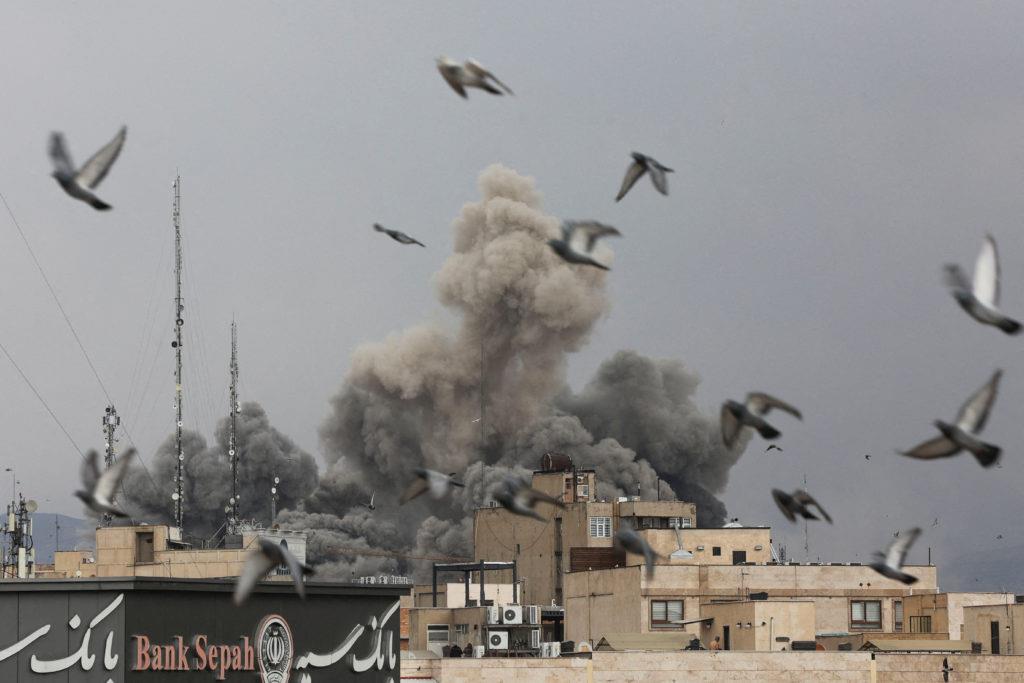
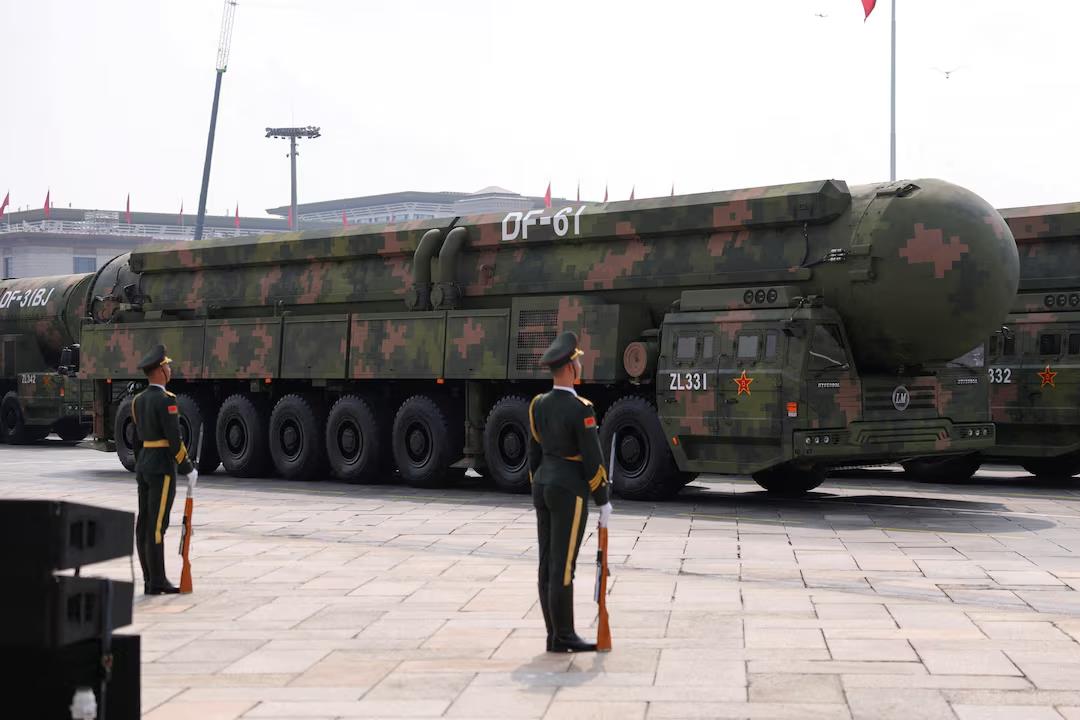
Today, the world is confronting Russia’s war in Ukraine, persistent tensions across the Taiwan Strait, and the U.S.–Iran war, which is making the Strait of Hormuz and the surrounding Gulf increasingly dangerous.
The question, therefore, is not simply: Has World War III already begun?
The more consequential question is: What lines would have to be crossed for the war in the Middle East to draw major powers into direct confrontation and potentially evolve into another world war?
As of September 9, 2026, there is not sufficient evidence to conclude that World War III has begun.
The U.S.–Iran war has continued for months, disrupting energy shipments through the Strait of Hormuz. Brent crude has risen close to $100 a barrel as Middle Eastern energy exports face continued disruption.
But one critical threshold has not been crossed: Russia and China have not entered direct combat with the United States in defense of Iran.
That distinction remains crucial.
A regional war can have global economic and political consequences without becoming a world war. The danger increases when regional conflicts begin drawing major powers into direct military confrontation.
From a Bilateral War to a Regional Conflict
The current crisis can no longer be viewed solely as a confrontation between the United States and Iran.
The Strait of Hormuz has become a central strategic theater because of its importance to global energy supplies. Data from Kpler cited by Reuters showed that only seven energy cargo vessels passed through the strait on Monday, as Iranian threats of retaliation heightened concerns over commercial shipping.
South Korea has also sent a team to the United Arab Emirates to assess the security situation around Hormuz as Seoul considers options for supporting freedom of navigation. No decision has been made to deploy South Korean troops.
This illustrates an important development: the conflict is increasingly forcing third countries to reassess their own security roles and interests.
That, however, remains a long way from World War III.
Red Line One: Russia Enters Direct Combat
Russia is one of the most important variables in determining how far the conflict could escalate.
Moscow and Tehran have developed a strategic relationship, and Russia has provided political support to Iran. At a recent meeting of the Shanghai Cooperation Organisation, China, Russia, India and Iran stood together as the organization condemned attacks on Iranian territory.
But there is a fundamental difference between supporting Iran and going to war for Iran.
Russia may provide weapons, technology or political backing without becoming a direct belligerent against the United States.
The equation would change dramatically, however, if Russian aircraft were to engage U.S. aircraft, or Russian warships were to fire on U.S. naval forces while defending Iran.
At that point, the conflict would no longer be simply a U.S.–Iran war. It would become a direct military confrontation between the United States and Russia — two of the world’s largest nuclear powers.
That is the first major red line to watch.
Red Line Two: China Uses Military Force to Protect Its Interests
China may be an even more consequential variable in determining whether a Middle Eastern war could eventually develop into a wider global conflict.
Beijing has major interests in the stability of Middle Eastern energy supplies and trade routes. Yet China has so far not entered the war militarily on Iran’s behalf.
Diplomatic support for Tehran, or continued purchases of Iranian oil, does not amount to entering the war.
The situation would become fundamentally different if instability around Hormuz prompted China to deploy military forces to protect its ships or commercial interests — and Chinese and U.S. forces then exchanged fire.
Such an incident would introduce direct combat between two global military powers into a conflict that began in the Middle East.
Red Line Three: A Taiwan Crisis Erupts at the Same Time
This may be one of the most dangerous scenarios.
On September 9, a senior U.S. official in Taiwan warned that conflict across the Taiwan Strait would have devastating consequences for the global economy, while stressing the need to prevent misunderstanding and miscalculation between Washington and Beijing.
But why does Taiwan matter to the war with Iran?
If the United States is already committing warships, aircraft, missile interceptors and other military resources to the Middle East when a Taiwan crisis turns into armed conflict, Washington could find itself confronting two major strategic theaters simultaneously.
Add Russia’s war in Ukraine, and the world would be facing three major theaters:
Europe — Russia and Ukraine
Middle East — United States and Iran
Indo-Pacific — China, Taiwan and the United States
As long as those theaters remain strategically and militarily separate, their simultaneous existence does not automatically constitute a world war.The danger rises sharply when those theaters begin to connect.
Five Warning Signs That Could Change the Assessment
A Middle Eastern war does not become a world war merely because the United States and Iran intensify their attacks against each other.
What could fundamentally change the nature of the conflict is the entry of other major powers into direct combat and the merging of previously separate theaters.
There are five critical warning signs to watch.
First, Russia enters direct combat with the United States.
This would mean more than providing Iran with weapons, technology or intelligence. Russian forces would be directly fighting U.S. forces in defense of Iran, transforming the conflict into a confrontation between two nuclear powers.
Second, China conducts military operations around Hormuz and clashes directly with U.S. forces.
Deploying Chinese naval vessels to protect Chinese commercial interests would not by itself mean that China had entered the war. But an exchange of fire between Chinese and American forces would represent a profound escalation.
Third, a Taiwan crisis becomes an armed conflict while the United States remains heavily engaged in the Middle East.
Washington could then face major simultaneous military demands in the Middle East and the Indo-Pacific, potentially linking conflicts that had previously remained separate.
Fourth, Russia and NATO enter direct combat in Europe.
If the Ukraine war expanded into direct fighting between Russian and NATO forces, the world would face a major-power confrontation in Europe while another war was already underway in the Middle East.
Fifth, nuclear weapons are used, or nuclear powers sharply raise their nuclear readiness in direct connection with these conflicts.
The use of even a single nuclear weapon would fundamentally alter the character of the crisis. A significant increase in nuclear alert levels by major powers would also be a warning sign requiring close attention.
Crossing any one of these lines would not automatically mean that World War III had begun.
The greatest danger would emerge if several were crossed at roughly the same time — and if conflicts that had previously remained separate across the Middle East, Europe and the Indo-Pacific began to merge, drawing major powers into direct combat against one another.
At that point, the central question would no longer be simply, “How far will this regional war spread?”
It would become: “Can the world stop the escalation chain before it turns into a global war?”
Conclusion: Has World War III Begun?
As of September 9, 2026, the answer is: Not yet.
What the world is witnessing is a U.S.–Iran war with increasingly serious consequences for the Middle East, the Strait of Hormuz and the global economy. At the same time, Russia’s war in Ukraine continues in Europe, while U.S.–China tensions over Taiwan remain a major strategic risk in the Indo-Pacific.
But the existence of several major wars and crises at the same time does not, by itself, mean that the world has entered another world war.
The most important threshold has not yet been crossed: the major powers have not been drawn into direct combat with one another across interconnected theaters of war.
The Middle East could nevertheless become a flashpoint for a much wider crisis.
For the conflict there to evolve into World War III, it would likely have to move through a dangerous chain of escalation:
U.S.–Iran war → broader regional war → direct confrontation between major powers → interconnected conflicts across the Middle East, Europe and the Indo-Pacific.
World War III has not begun. But the danger of a wider war spreading outward from the Middle East is becoming increasingly difficult to dismiss.
The greatest risk is not necessarily that any major power deliberately decides to start a world war. It is that one strike produces retaliation, retaliation triggers another escalation, allies are drawn in, and countries that never intended to fight one another eventually find themselves in direct conflict.
That is the central lesson history offers.
Preventing that escalation chain from crossing a point of no return is therefore more urgent than asking whether World War III has already begun.