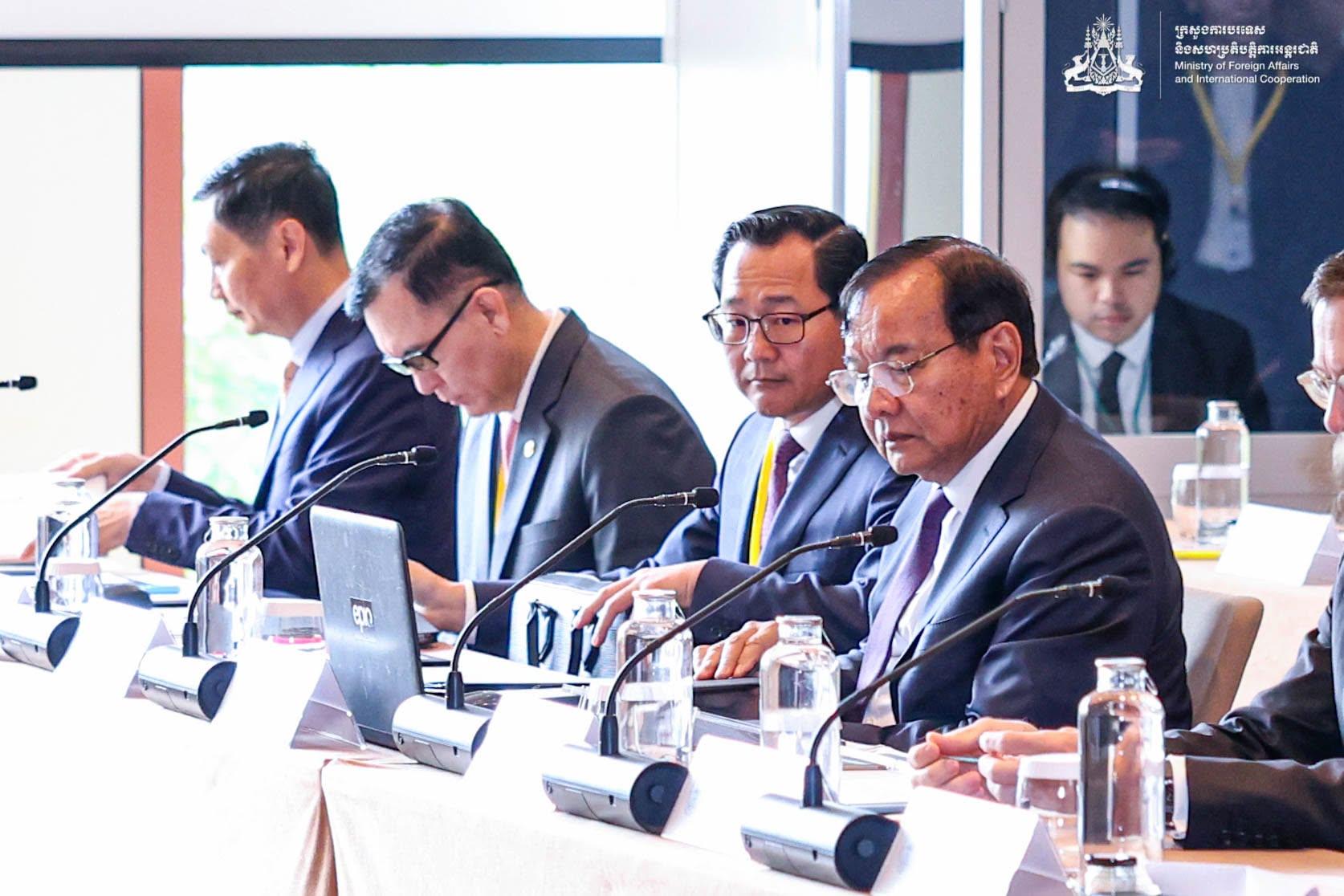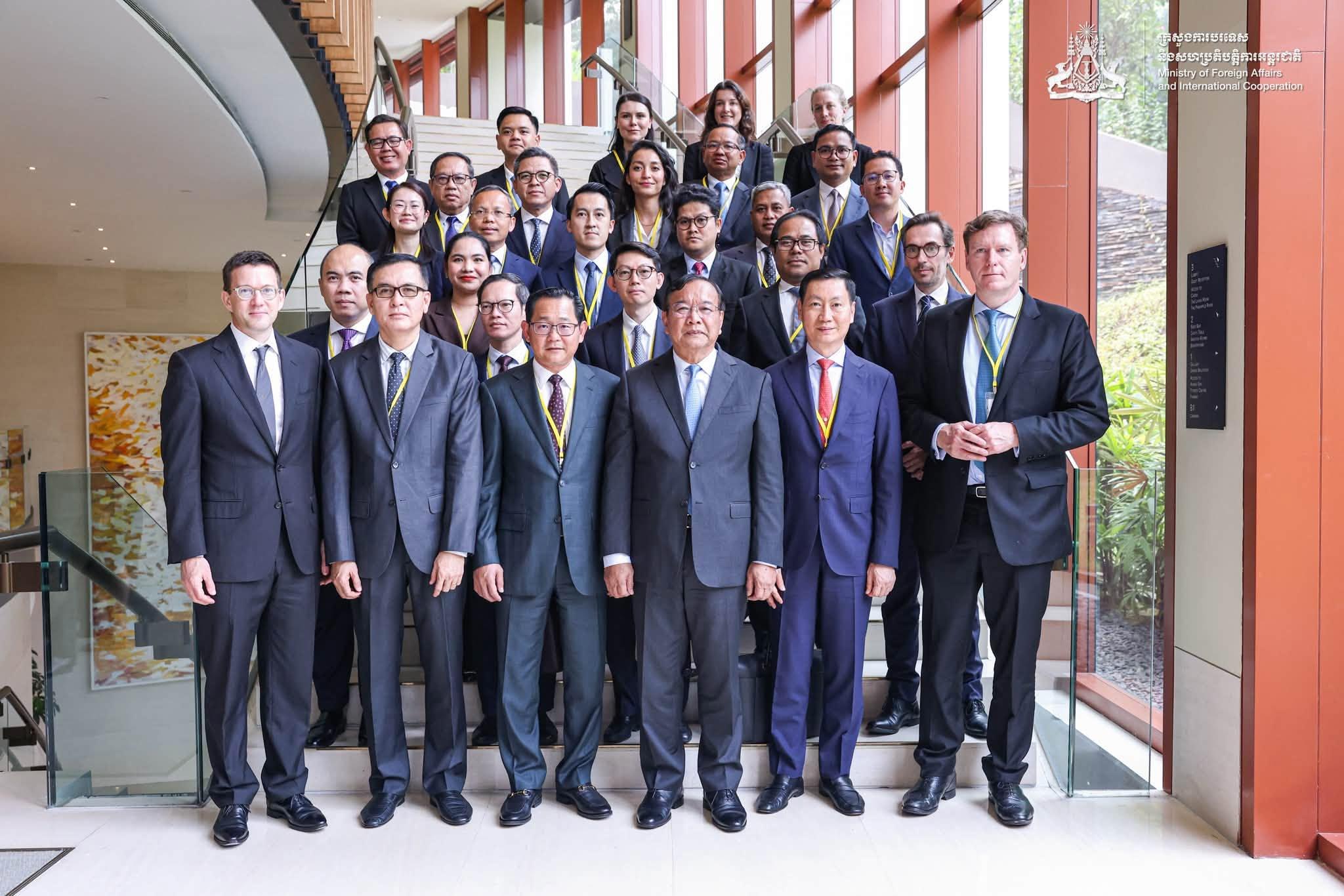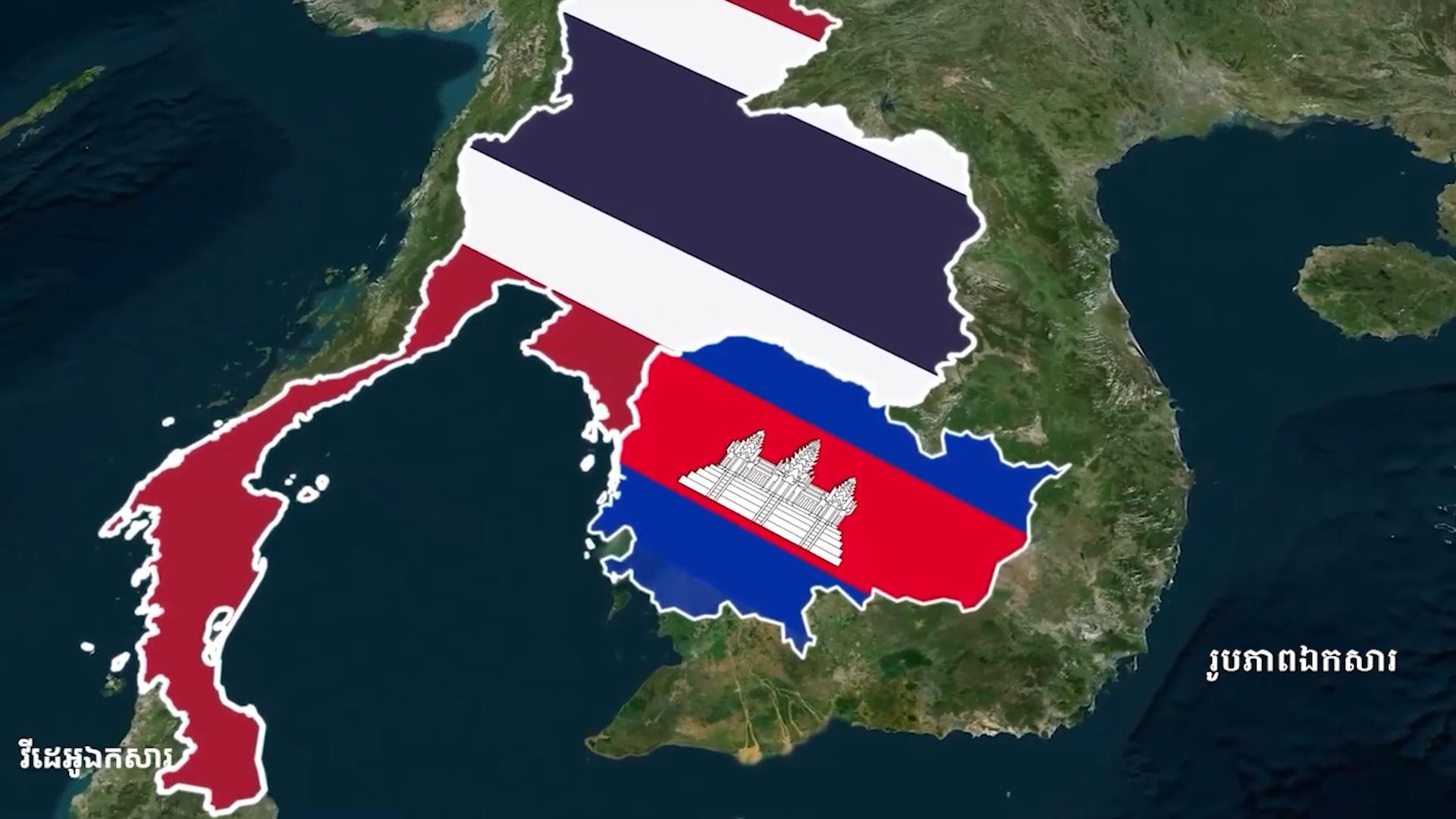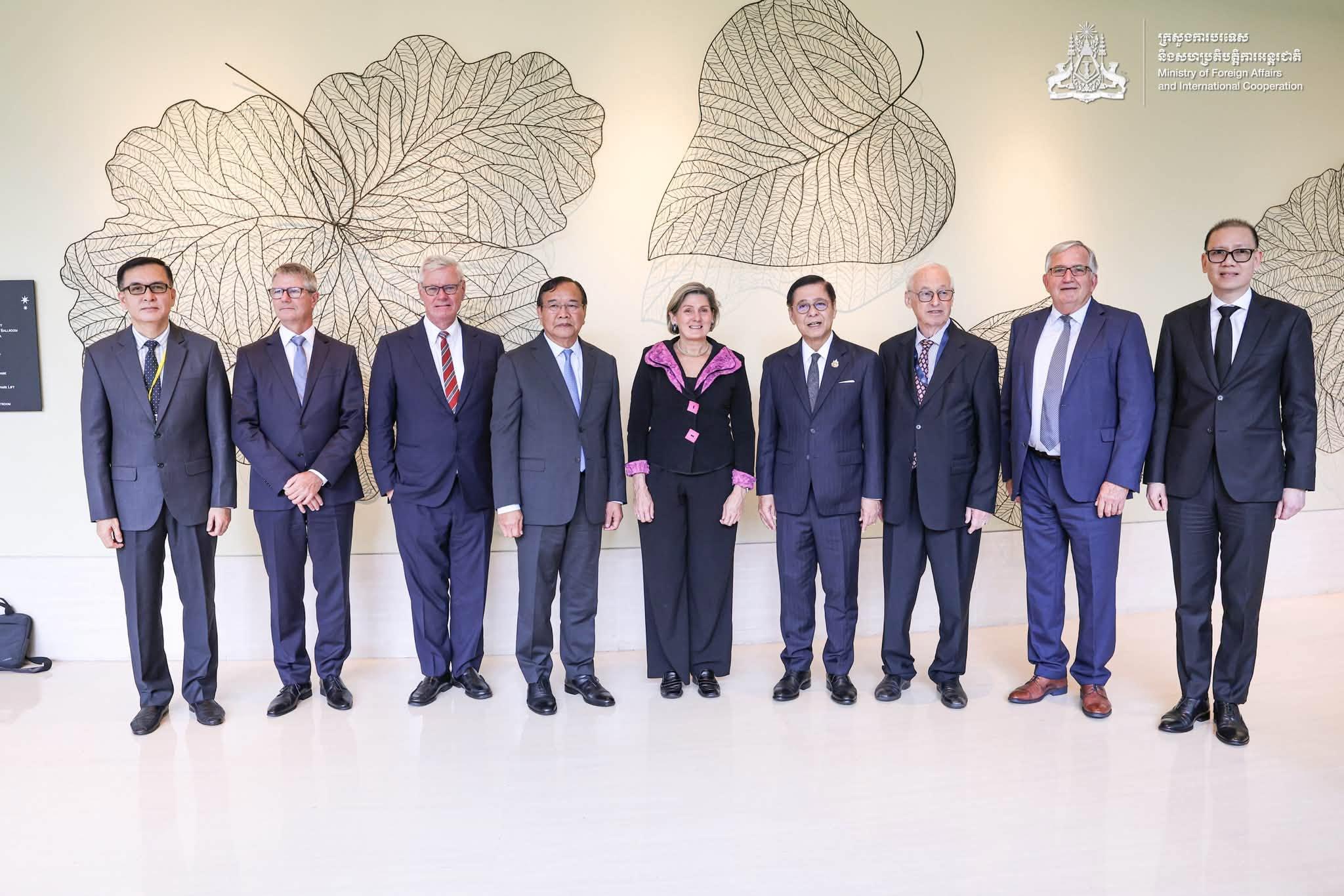

(Phnom Penh): After three days of meetings in Singapore, Cambodia and Thailand have yet to reach an agreement on the delimitation of their maritime boundary, and the Conciliation Commission has not issued any recommendation on how the dispute should be resolved.
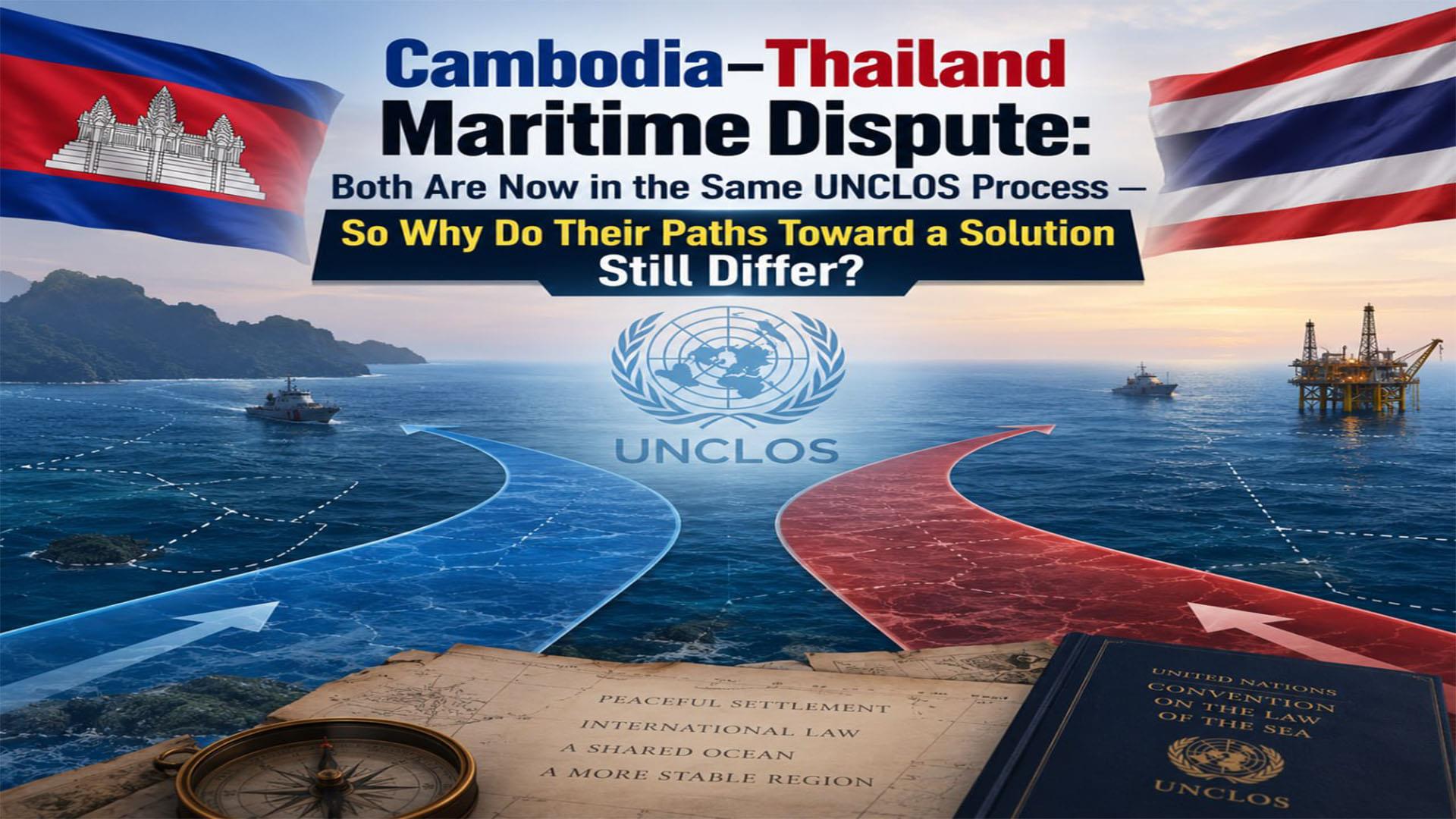
But the first meeting, held from September 14 to 16, 2026, moved the dispute-resolution process under the United Nations Convention on the Law of the Sea, or UNCLOS, into a new phase.
The two sides established the procedural framework, presented their respective positions, and began substantive discussions with the Conciliation Commission.
The central question now is: Can the Commission help Cambodia and Thailand narrow the gap between their positions and move toward a solution acceptable to both sides?
From Procedural Rules to Substantive Discussions
Cambodia initiated the compulsory conciliation process on June 2, 2026, under Article 298 and Annex V of UNCLOS, in connection with a dispute with Thailand concerning the interpretation and application of Articles 15, 74 and 83, which relate to maritime delimitation.
The Permanent Court of Arbitration, or PCA, lists Case No. 2026-35 as an Inter-State Conciliation proceeding. The case remains pending, meaning the proceedings are ongoing and have not yet concluded.
The September 14 session focused primarily on procedure.
According to Cambodian Deputy Prime Minister and Foreign Minister Prak Sokhonn, the two parties and the Commission discussed and agreed on the Terms of Appointment and the procedural rules governing the conciliation. The PCA also published the case-specific Rules of Procedure on September 16.
Put simply, the first day was about establishing the “rules of the process” — how the conciliation would operate before the parties moved deeper into the substance of the dispute.
On September 15, however, the process shifted from procedure to substance.
Following the opening statements, the proceedings continued behind closed doors, allowing each party to present its objectives and positions concerning the maritime dispute.
The Commission subsequently met separately with each side. According to Prak Sokhonn, Cambodia's session lasted about three hours, during which the Cambodian team elaborated on the history of the dispute, its legal dimensions, Cambodia's position, and the objectives it hopes to achieve through conciliation. The Commission also raised a number of questions, which were addressed by Cambodian officials and international legal counsel.
The PCA similarly confirmed that both parties made substantive presentations and engaged separately with the Commission in confidential sessions, addressing the background of the dispute and the issues to be considered during the conciliation.
This is significant because the Singapore meeting did not stop at setting procedural rules. The process has already moved into substantive discussions — although this does not mean that the Commission has reached any conclusion or taken a position on either side's legal arguments.
What Do Cambodia and Thailand Want From the Conciliation?
Although Cambodia and Thailand do not hold identical positions on the maritime dispute, their opening statements revealed an important area of common ground: both expressed an intention to use the conciliation process to help find a negotiated way forward.
Prak Sokhonn said Cambodia views conciliation as a means of rebuilding trust rather than escalating tensions. Cambodia's stated objective is to pursue a settlement that benefits both countries while contributing to peace, stability, cooperation and shared prosperity in the region.
He also said a peaceful settlement could help protect sovereignty, strengthen mutual confidence, open opportunities to benefit from energy resources, support development and create jobs for people in both countries.
For Thailand, Deputy Prime Minister and Foreign Minister Sihasak Phuangketkeow said the conciliation could help the two sides identify common ground, narrow their divergent legal positions and negotiate a way forward. Thailand has also expressed its willingness to work with the Commission toward a negotiated and equitable solution.
The common ground, therefore, is that both countries have entered the process and expressed a willingness to use conciliation in search of a negotiated solution.
But that does not mean Cambodia and Thailand have agreed on where the maritime boundary should lie, nor does it mean that either side has accepted the other's legal arguments.
That is likely to become the central task of the next phase: determining whether the Commission can help the two sides identify areas of possible agreement and narrow the gaps that remain between their positions.
Cambodia's Three-Tiered Approach
Prak Sokhonn has outlined three objectives, in sequence, that Cambodia hopes to pursue through the conciliation process.
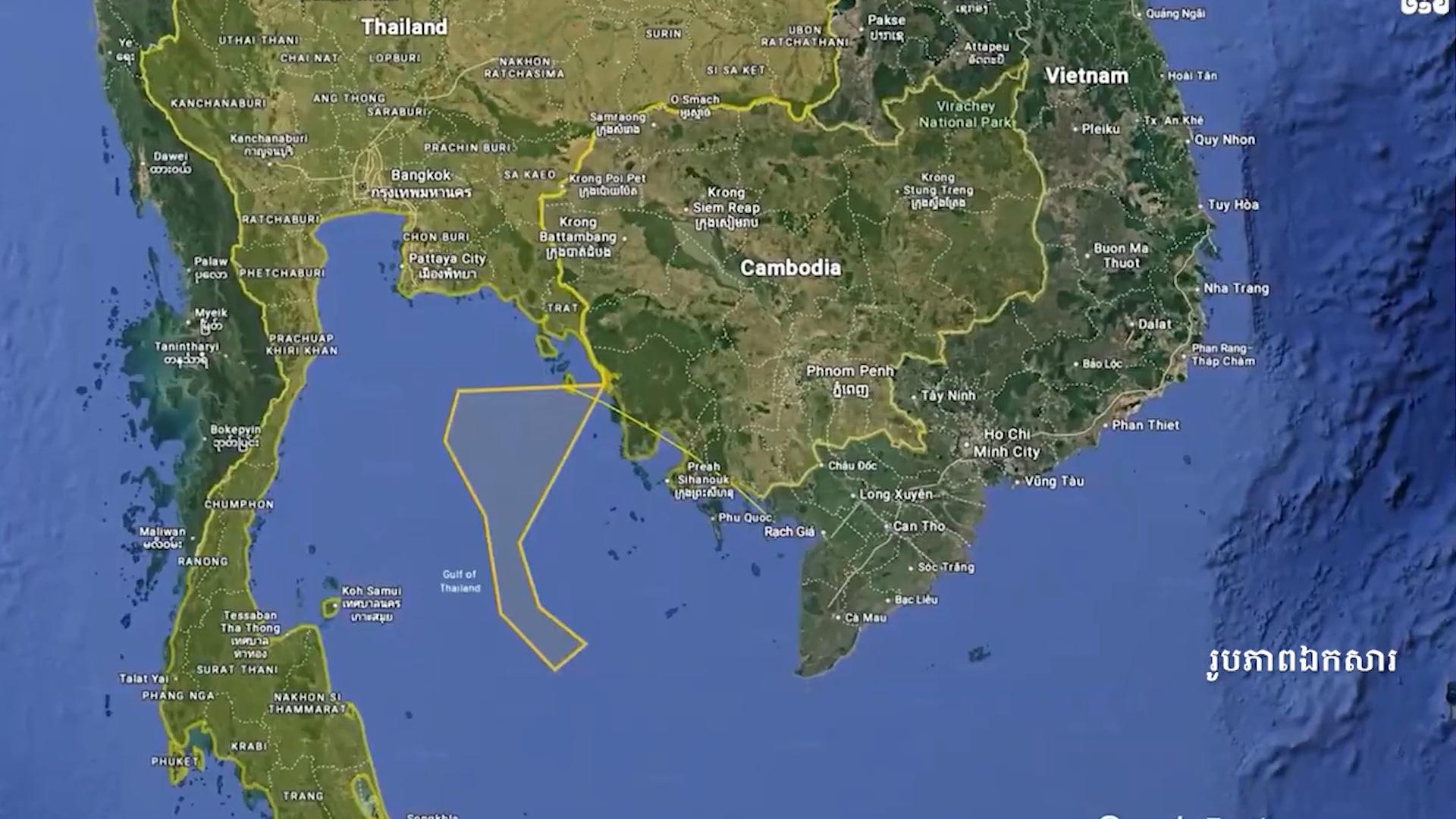
First, Cambodia seeks an agreement or treaty establishing a single and comprehensive maritime boundary between Cambodia and Thailand, with the assistance of the Commission and on the basis of international law. Prak Sokhonn cited the Timor-Leste–Australia conciliation as a model for such a process.
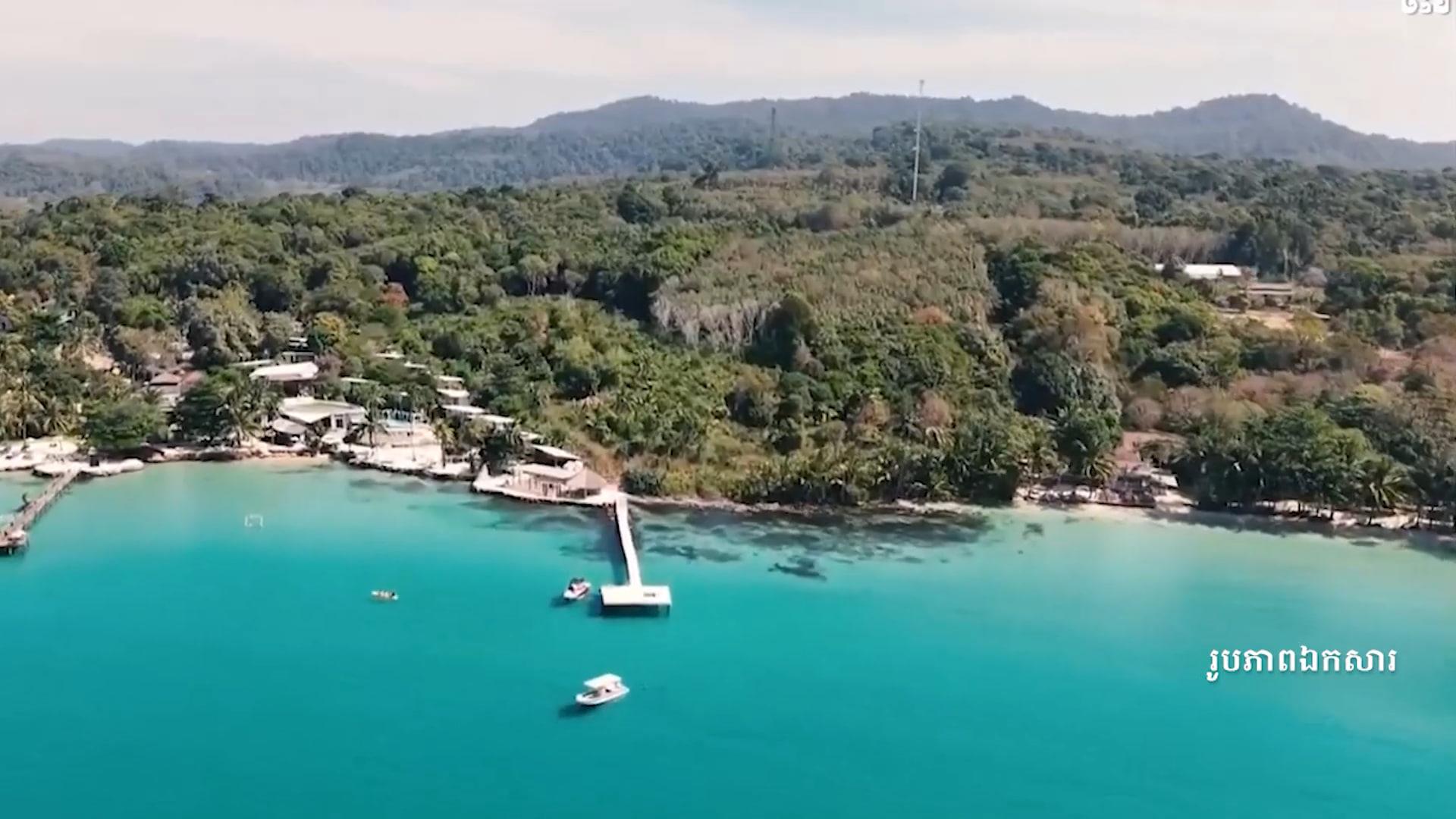
Second, if agreement on maritime delimitation cannot be achieved, Cambodia would seek the Commission's assistance in facilitating an arrangement for joint resource development and the equitable sharing of benefits.
Third, if neither maritime delimitation nor joint development can be agreed, Cambodia would look to the Commission's report and recommendations as a basis for the two countries to continue negotiations toward a settlement.
In short, Cambodia's publicly stated sequence is:
Maritime delimitation → if that fails, joint resource development → if that also fails, use the Commission's recommendations as a basis for further negotiations.
What Does Thailand Want From the Process?
Thailand has not publicly presented a comparable “three-tiered” approach, but its official statements highlight several key principles.
First, Thailand has sought to keep the scope of the conciliation focused on maritime boundary delimitation under UNCLOS. In its June 19 response to Cambodia's notification of conciliation, Thailand stated that its objective in the process was limited solely to maritime boundary delimitation.
Second, Thailand says it seeks an equitable solution consistent with international law, while fully safeguarding its sovereignty and maritime rights.
Third, Thailand continues to emphasize bilateral discussions as the means through which a final and sustainable settlement should ultimately be reached. It has described the conciliation process and the Commission's eventual report as elements that can support further discussions between the two countries.
The difference visible at this stage is therefore one of approach and emphasis.
Cambodia has publicly outlined a sequential three-tiered path that includes the possibility of joint resource development if maritime delimitation cannot be achieved. Thailand, by contrast, has emphasized maritime boundary delimitation under UNCLOS and bilateral discussions toward a final settlement.
In this sense, Thailand accepts UNCLOS as the framework for the conciliation process, but the Commission's eventual conclusions or recommendations would not themselves constitute a legally binding final settlement. Thailand has stressed that the process should support further discussions between the two countries toward an agreed resolution.
When Will the Next Meeting Take Place?
The PCA has said that the Commission and the two parties will continue their engagement on the issues raised during the first meeting, with further meetings expected in the coming months.
Prak Sokhonn has provided more detail, saying that the second meeting is tentatively planned for October 14–18, 2026, in The Hague, the Netherlands, and is expected to last approximately four and a half days.
He also outlined a tentative schedule for a series of subsequent meetings beginning in November 2026 and continuing into 2027, although the precise dates and venues remain subject to formal confirmation.
The Singapore meeting, therefore, was only the beginning of the process.
The meetings ahead will provide the Commission and both parties with opportunities to examine their respective positions, legal arguments and other relevant issues in greater depth — and, crucially, to determine whether common ground can be identified that could narrow the gaps and open a path toward agreement.
Conclusion: The Road to a Settlement Remains Long and Uncertain
After the first three-day meeting, the Cambodia–Thailand maritime dispute has moved from establishing the mechanism and procedural framework to substantive discussion of the dispute itself.
But the process has not yet reached the stage of Commission recommendations, much less an agreement between the two countries.
What is clear so far is that Cambodia and Thailand have both expressed a desire to pursue a peaceful solution. The paths they emphasize, however, are not yet identical.
Cambodia has publicly outlined three possible stages: first, maritime delimitation; second, if delimitation cannot be achieved, joint resource development; and third, if neither option succeeds, using the Commission's report and recommendations as a basis for continued negotiations.
Thailand, meanwhile, has emphasized maritime boundary delimitation under UNCLOS and bilateral discussions as the route toward an eventual settlement.
The real test from the second meeting onward, therefore, will not simply be whether Cambodia and Thailand can sit at the same table. It will be whether the Conciliation Commission can help the two countries narrow the gaps between their positions and identify enough common ground to move toward an agreement.
If those gaps can be narrowed, the process could open a path toward a negotiated settlement. If agreement remains out of reach, the conciliation can ultimately produce a report containing conclusions or recommendations that the two countries may use as a basis for further negotiations.
The first meeting in Singapore, therefore, did not answer the most difficult question: where should the Cambodia–Thailand maritime boundary ultimately be drawn? What it did was bring that unresolved dispute into a structured conciliation process. From this point forward, the central issue will be whether that process can turn differing positions into sufficient common ground for Cambodia and Thailand to negotiate an agreed settlement.