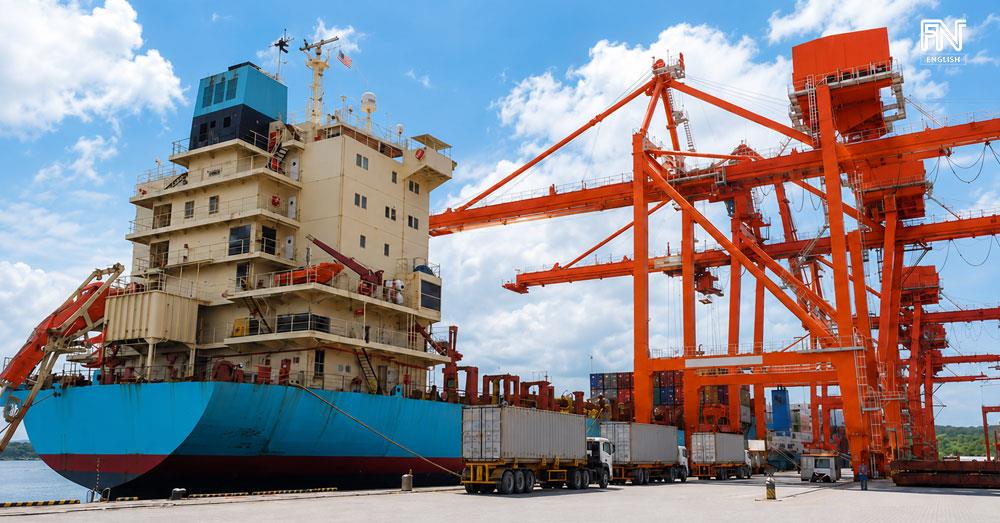

(Phnom Penh): Cambodia’s trade continues to grow on both sides of the transaction. In the first seven months of 2026, exports rose 21.3 per cent to USD 20.81 billion, while imports also increased 21.4 per cent to USD 23.25 billion, according to the General Department of Customs and Excise (GDCE).
For businesses involved in international trade, similar orders can still lead to very different financing decisions. One exporter may use pre-shipment finance to support an order, while another may fund the order itself and consider post-shipment finance while waiting for buyer payment.
Neither approach is necessarily better. The difference is where financing fits into the trade cycle and how the business chooses to use its working capital.
Before Shipment, Financing Supports the Order
Pre-shipment financing applies before goods are shipped. At this stage, an exporter may already have a confirmed order but still needs to purchase materials or goods, prepare production and fulfil the order before receiving payment from the buyer.
The value is not simply having funds available. It gives the business a choice in how it funds the order. Instead of committing its own working capital to the full transaction, the business can use financing for eligible requirements and keep its own funds available for other orders or priorities.
The decision can become more relevant when several orders overlap or the size of an order change. A regular order may be comfortably funded from the company’s own cashflow, while a larger export order may change how much working capital the business wants to commit before shipment.
Using export finance in this situation does not necessarily indicate a cash flow problem. It can simply give the business another way to allocate funds while taking on a larger or additional order.
After Shipment, Financing Supports the Payment Period
Post-shipment financing applies after goods have been shipped but before buyer payment is completed. The goods have already been shipped, but the funds from the sale may not be received until the agreed payment date.
At this stage, financing provides a choice in how the business manages outstanding trade invoices or accounts receivable. Rather than waiting for payment, eligible invoices or receivables can provide a basis for financing.
Payment terms can influence that decision. The longer the period between shipment and the agreed payment date, the longer the value of the sale remains in accounts receivable. For one transaction, waiting for payment may make commercial sense. For another, the business may prefer financing against eligible receivables.
At Wing Bank, Trade Loans can provide eligible businesses with financing against outstanding receivables before payment is received from buyers. We can also assess wider account receivables solutions where the financing requirement is connected with reputable anchor buyers, locally and internationally.
Several Orders Can Require Both Approaches
The distinction becomes more relevant when an exporter is managing several trade transactions at the same time. One confirmed order may still be in production, with funds being committed before shipment. Another may already have been delivered, with buyer payment still outstanding.
A business can therefore have pre-shipment and post-shipment financing requirements at the same time. The approach does not have to define the business permanently. it can change from one transaction to another.
A company may fund a regular order entirely from its own cashflow but take a different approach for a larger order. It may also fund production independently but consider post-shipment financing when a buyer agrees to longer payment terms.
“As Cambodian businesses become increasingly connected to regional and global supply chains, financing decisions should mainly strengthen the current trade environment,” said Phyrun Heng, Deputy Chief Corporate Banking Officer at Wing Bank. “Whether the requirement is funding procurement, supporting inventory and production, or cashflow to support receivables, the objective remains the same: ensuring that working capital moves efficiently to right section in their trade cycle so that our customer can focus more on their growth and expansion.”
Match Trade Finance to How the Business Trades
Pre-shipment finance and post-shipment finance support different stages of the trade cycle, but businesses do not necessarily have to choose one approach for every transaction.
The decision can change with order size, payment terms, buyer payment timing and how much working capital the business wants to commit at each stage. For importers and exporters involved in cross-border trade, those factors can vary from one transaction to the next.
The starting point is therefore not simply how much financing is available. It is where Trade Finance fits into the transaction and how the business wants to use its own funds during that period.
Wing Bank’s Trade Finance Solutions provide eligible importers and exporters with flexible financing arrangement and payment options to support different stages of international trade.
We welcome discussion, providing supports for your trade finance requirements with a meeting with our Trade Finance specialist: https://bit.ly/4zqE7is
For more information about Wing Bank’s Trade Finance Solutions, visit any Wing Bank branch, call 023 999 989, or visit https://www.wingbank.com.kh/en/form/trade-finance.
=FRESH NEWS