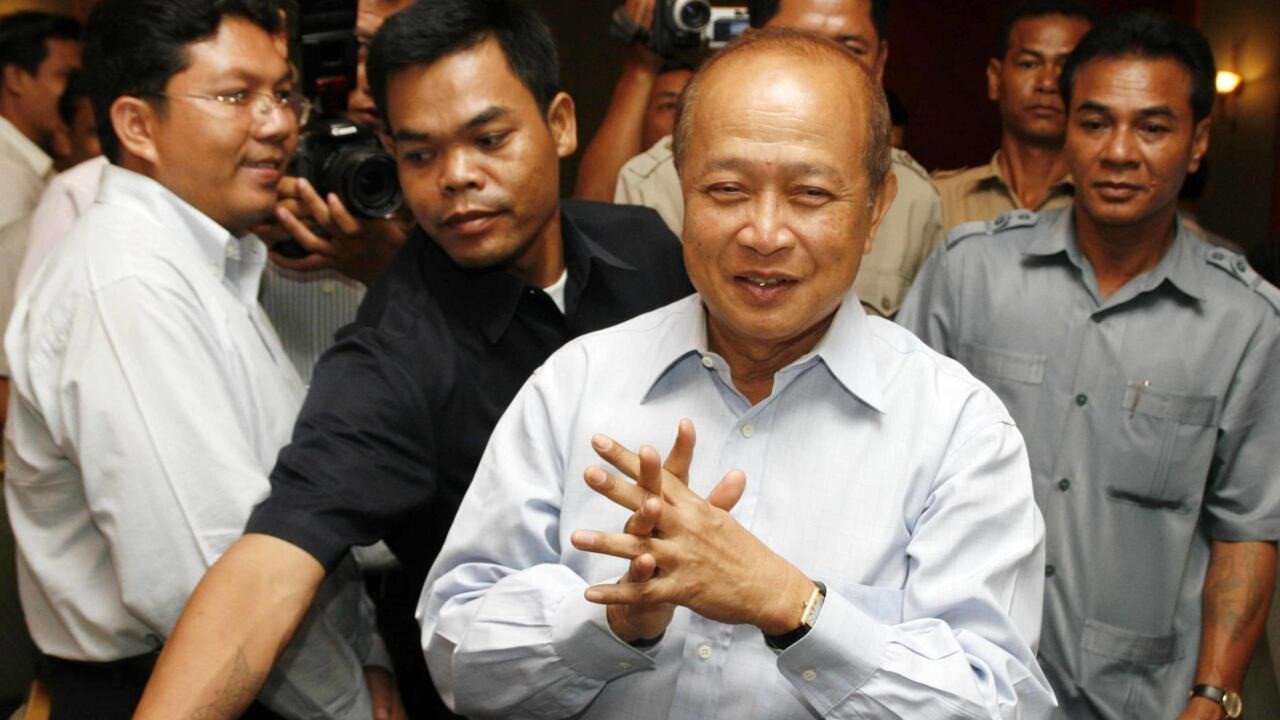

(Phnom Penh): A political leader may plan to leave power. But an event lasting only seconds can change that decision for decades.
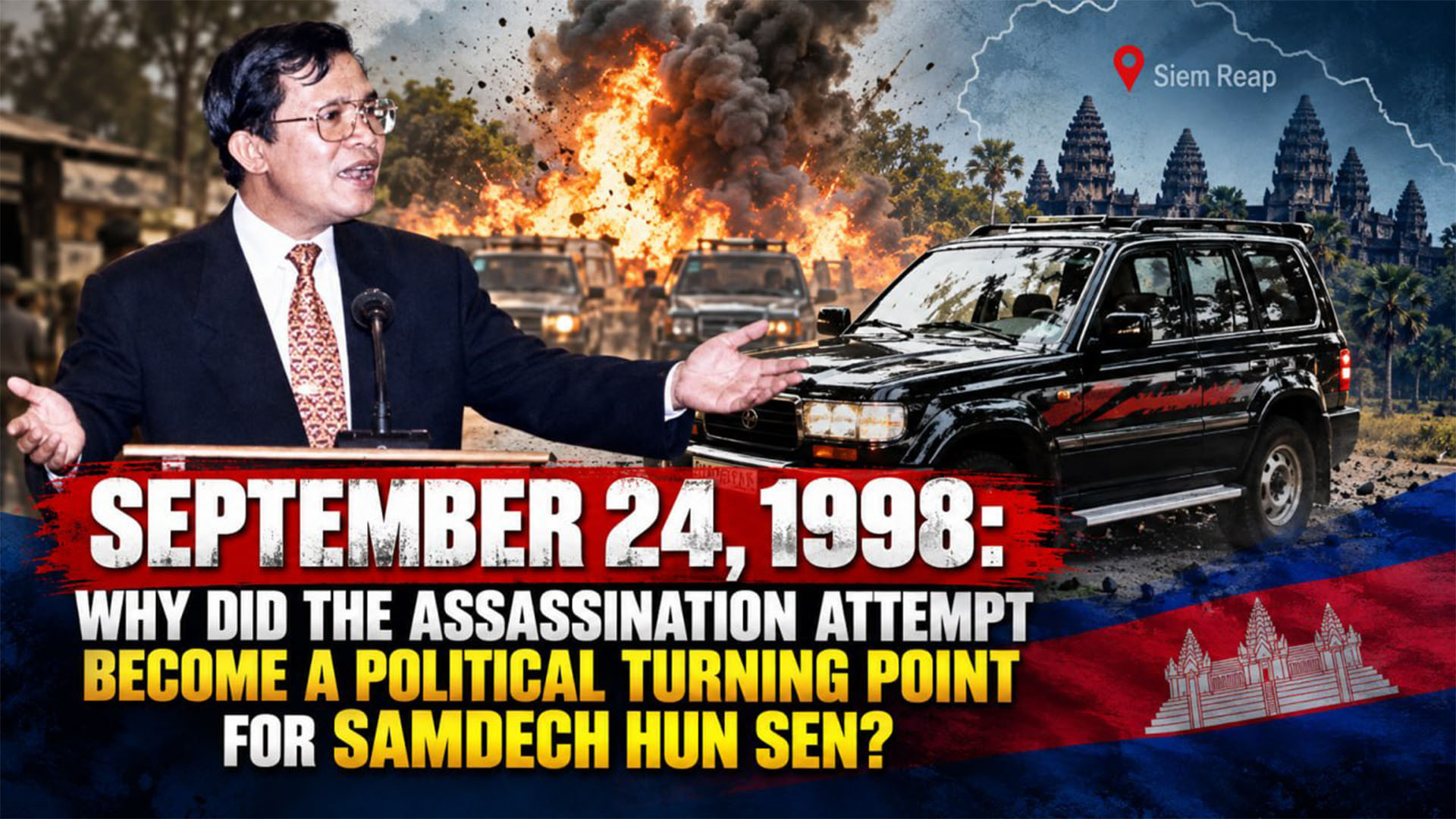
For Samdech Hun Sen, such a moment, by his own account, came on the morning of September 24, 1998, in Siem Reap.
Twenty-eight years later, on September 24, 2026, Hun Sen recalled that after surviving what he described as an assassination attempt, he put his hand on his head and told himself: “I must strengthen power, and I must end the war at all costs.”
That short statement carries significance beyond the story of surviving an attack. It reveals how Hun Sen himself connects three issues: personal security, political power and the ending of Cambodia’s long-running armed conflict.
It also raises a larger question: Was September 24, 1998 simply the day Hun Sen survived an assassination attempt, or did it become a turning point that changed his view of political power and influenced Cambodia’s political trajectory for years afterward?
*From Plans to Step Down to a Decision to Stay
Perhaps the most revealing part of Hun Sen’s 2026 account is not the attack itself, which has been discussed for years, but what he says about his thinking before and after it.
Hun Sen wrote that after the 1998 election he had proposed stepping down as prime minister and had initially expected to remain in office only until 2003. The assassination attempt, he said, changed that calculation. He decided instead to “strengthen power,” “end the war,” and remain prime minister until he himself chose to leave.
Read analytically, therefore, September 24 was not merely a security incident involving the life of a political leader. In Hun Sen’s own account, it became a major turning point in his approach to remaining in power, which he linked to the objective of ending the war and securing peace for Cambodia.
*Why Did the Morning of September 24 Matter So Much?
To understand the significance of that morning, it is necessary to return to Cambodia’s political environment in 1998.
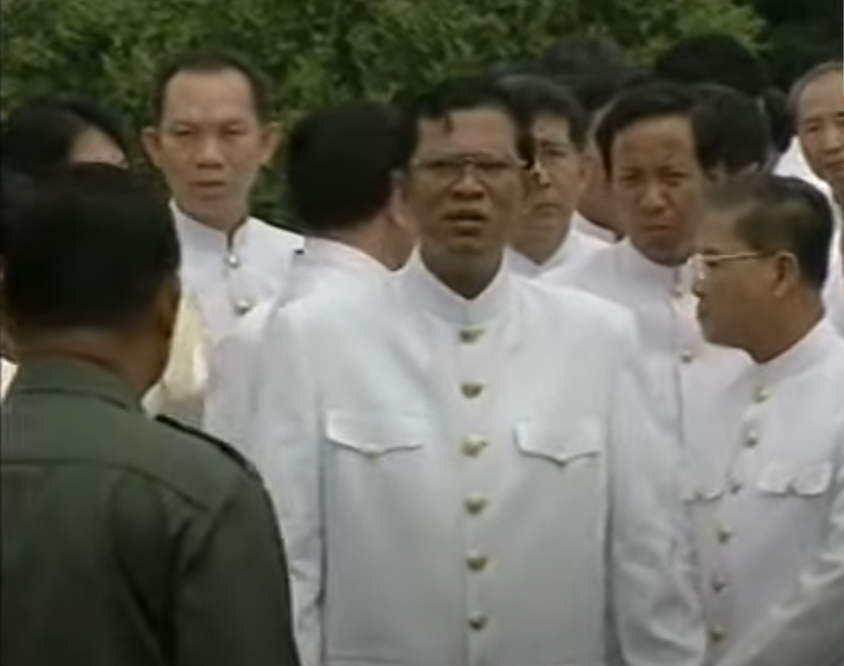
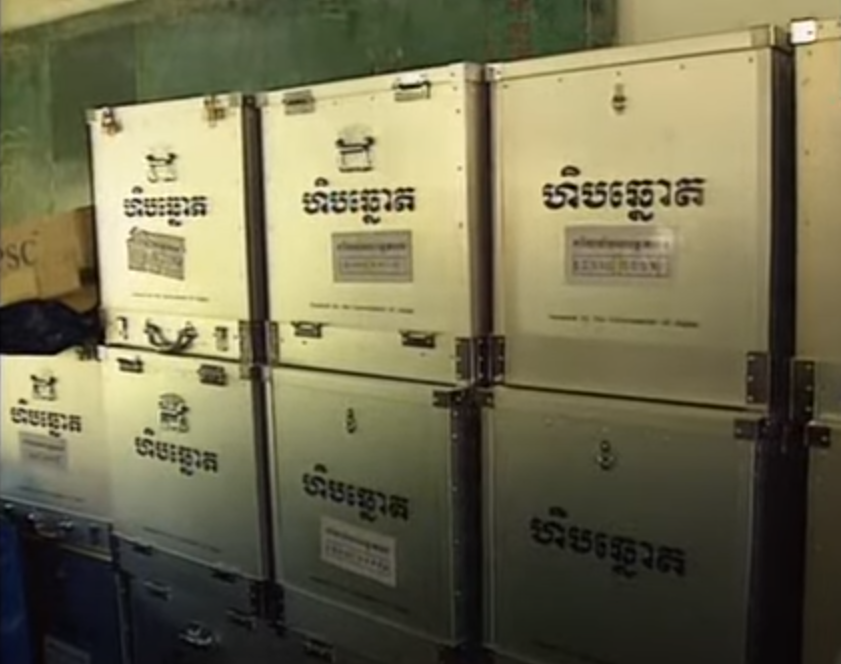
The National Assembly election was held on July 26. The Cambodian People’s Party won 64 seats, FUNCINPEC 43 and the Sam Rainsy Party 15, making the CPP the largest party in the National Assembly. The post-election political environment, however, remained tense.
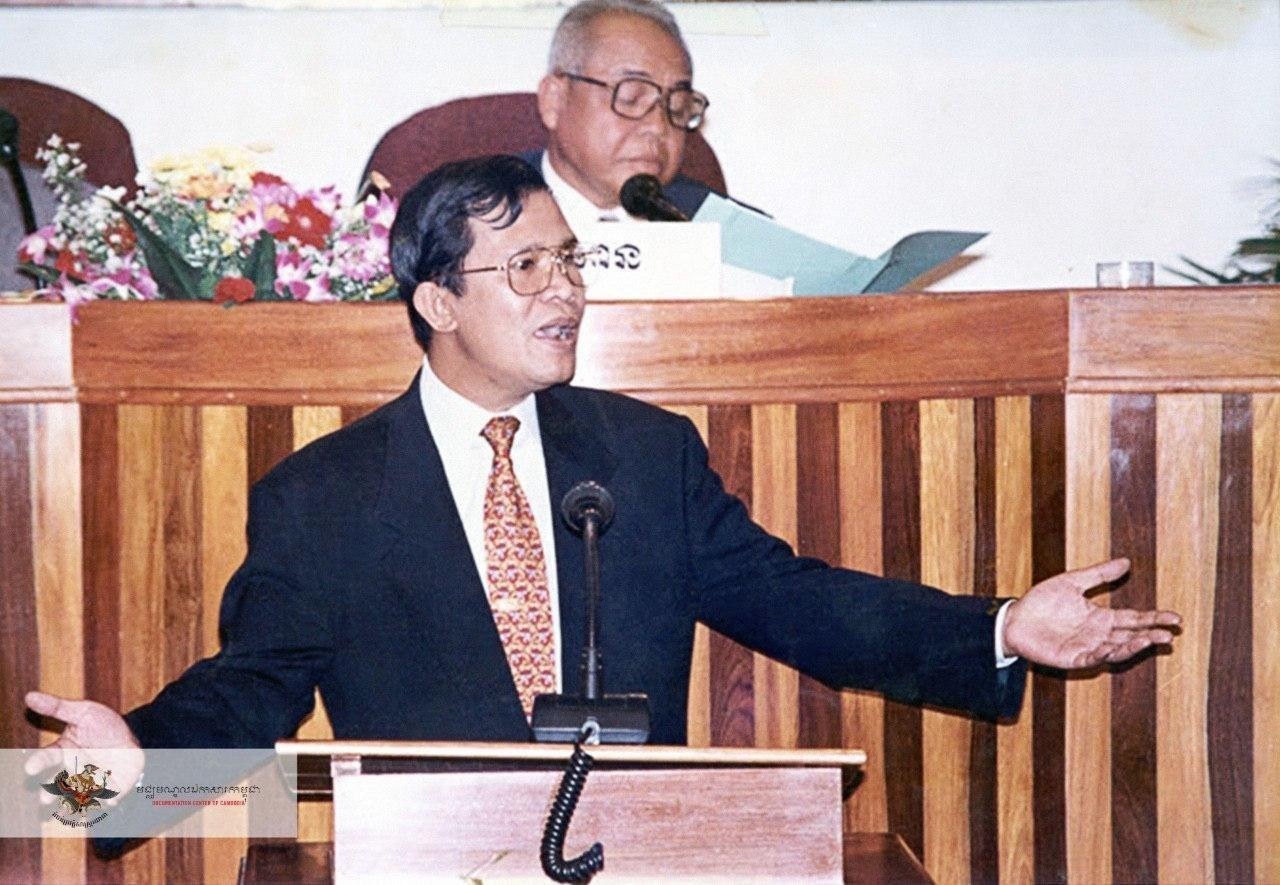
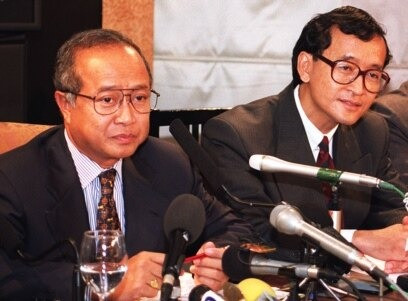
September 24 was the day set for the new National Assembly to convene in Siem Reap. The gathering followed political negotiations involving the major parties amid continuing post-election tensions. Human Rights Watch recorded that King Norodom Sihanouk hosted Hun Sen, Prince Norodom Ranariddh and Sam Rainsy in Siem Reap on September 22, helping facilitate the swearing-in of the new Assembly two days later.
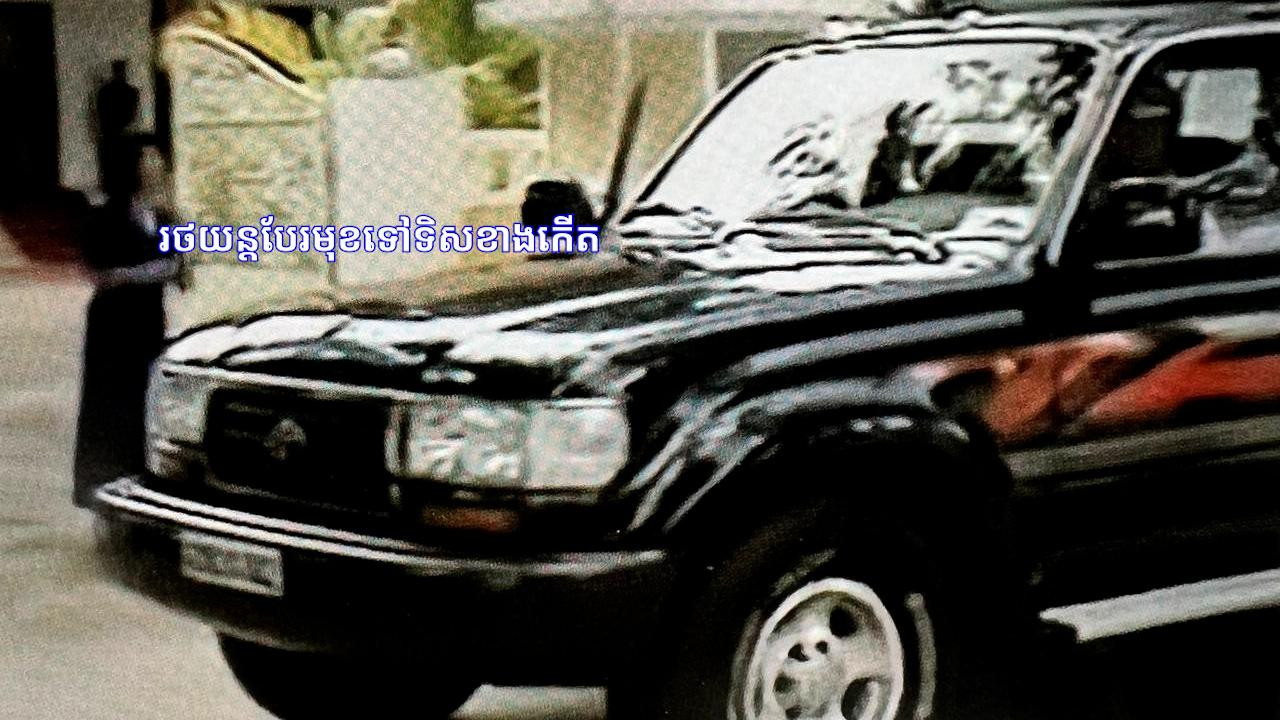
On the morning of September 24, an explosion occurred as Hun Sen’s motorcade was travelling through Siem Reap. Hun Sen described the incident as an attempt on his life.
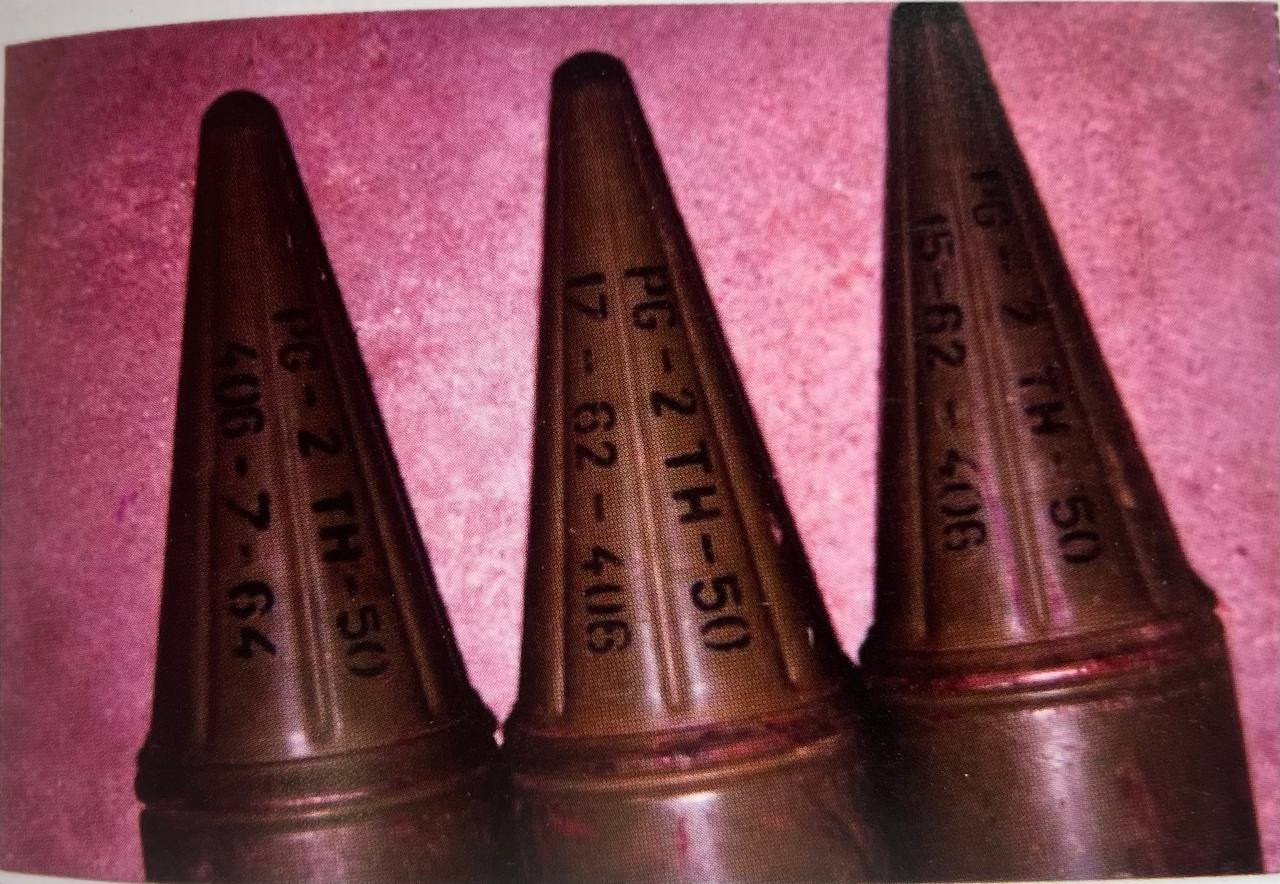
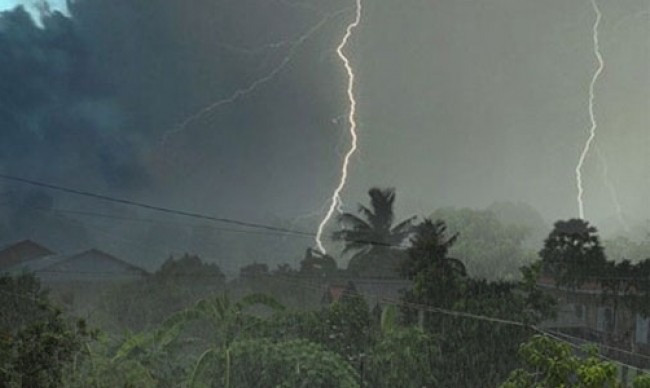
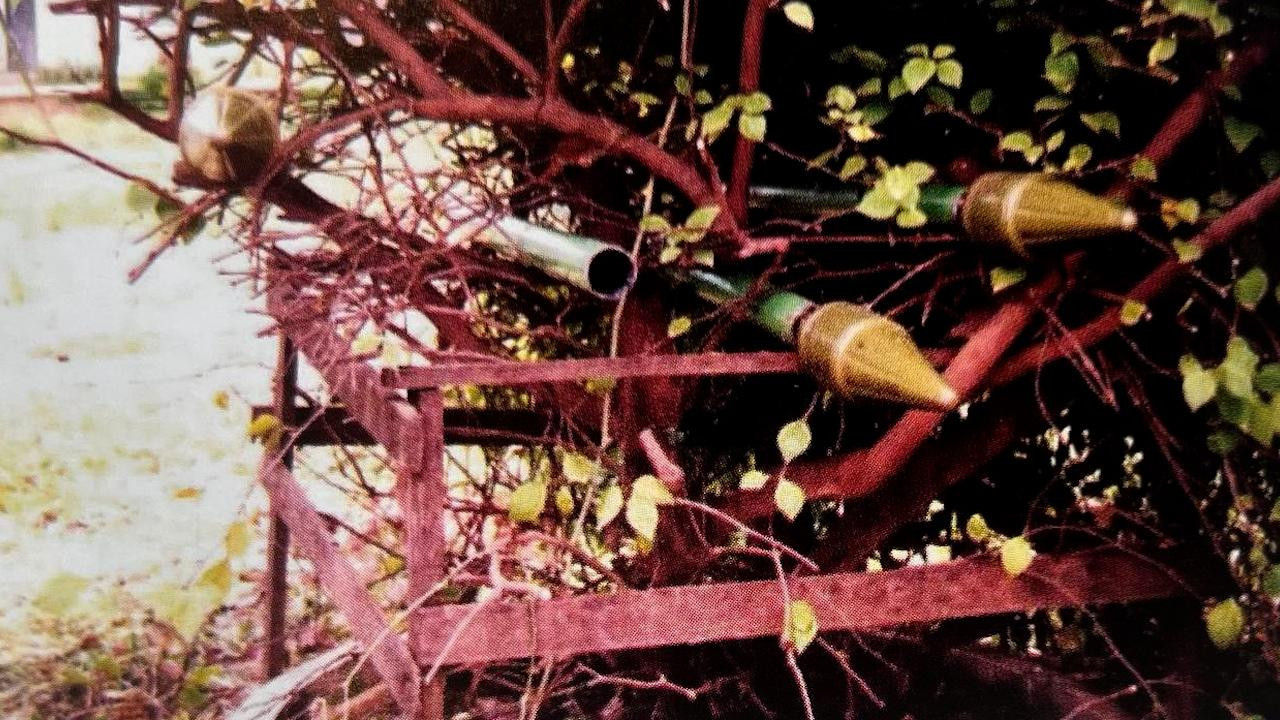
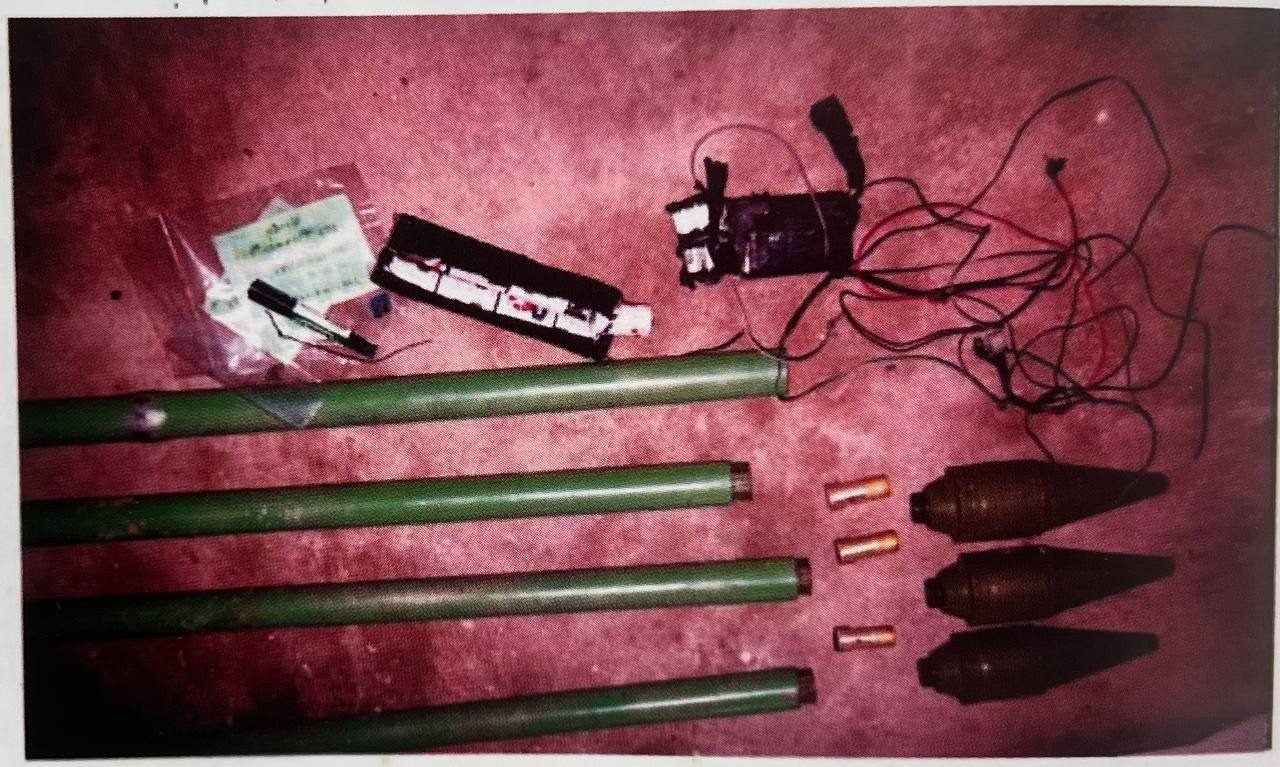
Accounts and testimony cited in the research underlying this article say four B-40 rockets had been positioned along the route and prepared for remote detonation. According to those accounts, only one exploded, while three failed to fire. The testimony cited in the research attributed the failure to rainwater entering the detonation system after heavy rainfall overnight.
These technical details should be distinguished from what can be independently established about responsibility for the attack. Human Rights Watch later reported that Cambodian authorities accused several individuals of involvement, while also raising concerns about aspects of the arrests and investigation.
The importance of that morning, therefore, extends beyond Hun Sen’s survival. The attack occurred during an exceptionally sensitive post-election period. According to Hun Sen’s later account, it also helped turn his thinking from leaving office toward remaining in power, strengthening the state and pursuing the end of armed conflict.
*“Strengthen Power” and “End the War” — Why Did Hun Sen Link the Two?
One of the most important sentences in Hun Sen’s account is: “I must strengthen power, and I must end the war at all costs.”
The two ideas appear in the same sentence.
In Hun Sen’s telling, strengthening power was not presented as an isolated objective. Rather, he saw it as a means necessary to achieve a larger objective: ending the war.
Cambodia in 1998 had not yet completely put decades of armed conflict behind it. In that context, Hun Sen placed stronger state power and the ending of the conflict within the same political logic: If the state lacked sufficient power, could it possess the capacity needed to end armed conflict and secure peace?
But that logic also raises a second analytical question. If stronger state power is justified as necessary during conflict, how should that power subsequently operate through laws and institutions once the conflict is over?
These are related but distinct questions: How can strong state authority contribute to ending armed conflict? And once war has ended, how should that authority operate within the institutions and laws of a state at peace?
*What If the Assassination Attempt Had Succeeded?
This is a counterfactual question — a question about something that could have happened but did not.
Hun Sen himself has raised a version of it: If he had died that day, what would have happened to Cambodia’s path toward ending the war?
There can be no definitive answer. History cannot be rerun under different conditions.
But the risks can be examined.
The killing of a senior government leader in a politically motivated attack amid severe post-election tensions could have increased the risk of violence, retaliation and uncertainty over political authority. It could also have disrupted or altered the process then underway to integrate the remaining Khmer Rouge forces and end armed conflict.
What actually happened is clearer. By December 1998, senior Khmer Rouge leaders Nuon Chea and Khieu Samphan had surrendered, as the movement’s remaining political and military structure continued to collapse. A United Nations report records their surrender in December 1998 and the subsequent incorporation of the last Khmer Rouge remnants into the Royal Cambodian Armed Forces in early 1999.
Hun Sen has designated December 29, 1998 as the date Cambodia’s war was finally brought to an end through what his government calls the Win-Win Policy.
It would therefore go beyond the evidence to say with certainty that Cambodia would not have achieved peace had Hun Sen been killed. What can reasonably be said is that his death at such a fragile political moment could have introduced profound uncertainty into both the political settlement and the process of ending the remaining armed conflict.
*“Hun Sen’s Power Is Not Over”
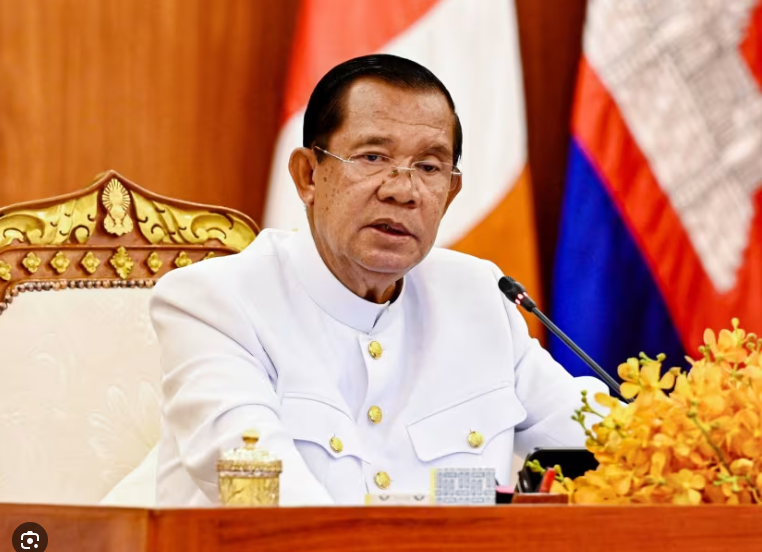
Near the end of his 2026 message, Hun Sen wrote: “Hun Sen’s power is not over.” He pointed to his roles as president of the ruling Cambodian People’s Party and president of the Senate.
He then connected that declaration to people he described as seeking to “eliminate the Hun family,” writing that he would continue confronting them.
The juxtaposition gives the 2026 message a meaning that extends beyond remembering the 1998 attack. It also reveals how Hun Sen describes his present political role. Although he has left the premiership, he portrays himself as continuing to play a role in confronting political opponents whom he characterizes as seeking to remove the Hun family from power.
The context, however, is very different.
In 1998, Hun Sen linked his decision to “strengthen power” with ending armed conflict. In 2026, Cambodia is no longer in the civil-war environment of the late 1990s. Hun Sen is no longer prime minister, but remains president of the ruling CPP and president of the Senate.
His statement can therefore be read as drawing a distinction between transferring an office and ending a political role. He transferred the premiership to Hun Manet in 2023, but in his own description, that transfer did not mean withdrawing from politics or ending his engagement with political opponents.
*Conclusion: The Rockets That Failed to Fire — and a Decision That Lasted 25 Years
The significance of September 24, 1998 lies not only in an assassination attempt that failed, but also in the decision Hun Sen says he made afterward.
A leader who says he had contemplated leaving office instead decided to remain, linking that choice to two objectives: “strengthening power” and “ending the war.” He ultimately remained prime minister until 2023 — 25 years after the attack.
Twenty-eight years later, September 24 can therefore be examined not only as the anniversary of an unsuccessful assassination attempt, but also as a moment that Hun Sen himself identifies as having changed his political decision-making.
That leaves a question for history: How did surviving the morning of September 24, 1998 change Hun Sen’s view of power — and how did that change shape Cambodia’s political trajectory over the next 25 years?
For Hun Sen’s supporters, calls to end the political influence of the “Hun family” may be seen as more than an ordinary contest over who holds power. They associate Hun Sen’s political role — and, increasingly, the political continuity of his family — with the peace and stability Cambodia experienced after decades of war. That is a political interpretation held by supporters, rather than proof that a change in leadership would itself cause renewed conflict.
Hun Sen’s 2026 message, however, makes his own position unmistakable: in his view, the political struggle over the future role of the Hun family is not over. As he put it, “Hun Sen’s power is not over.”