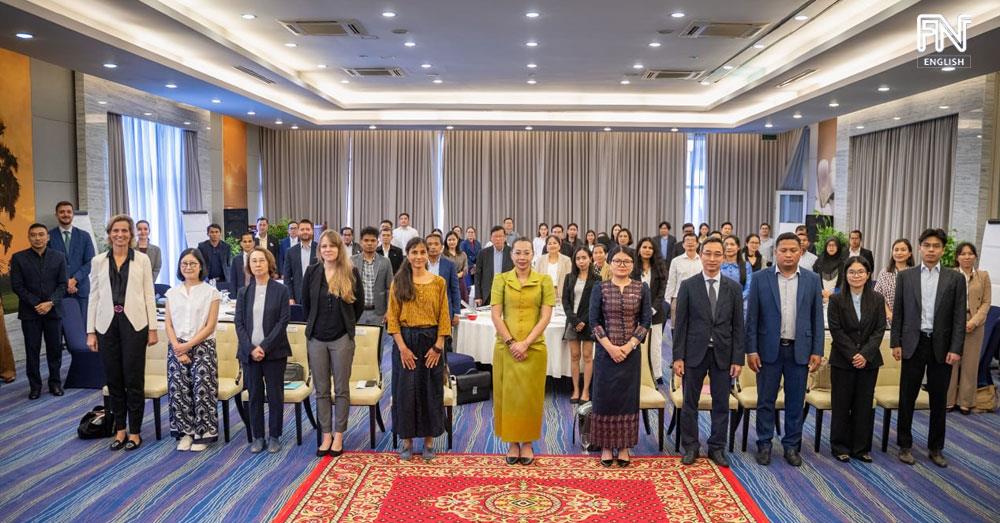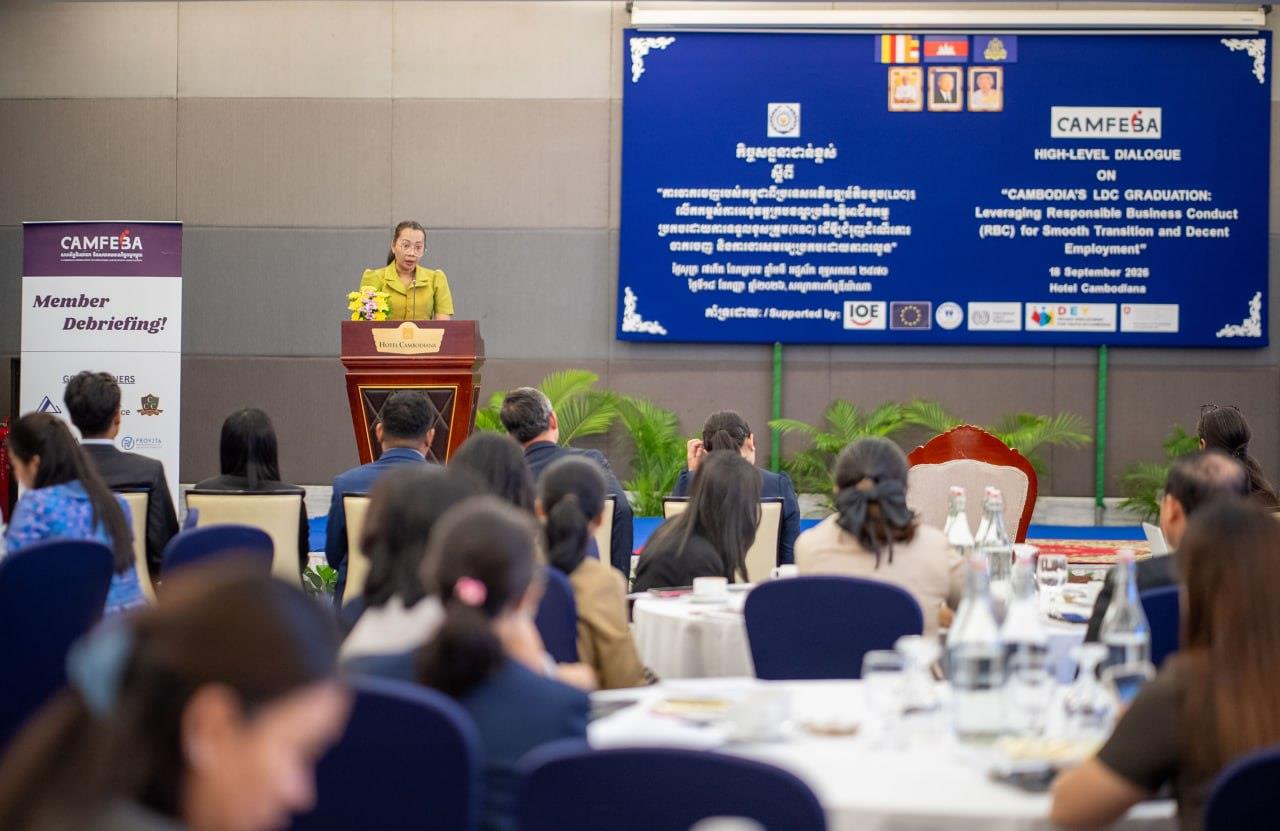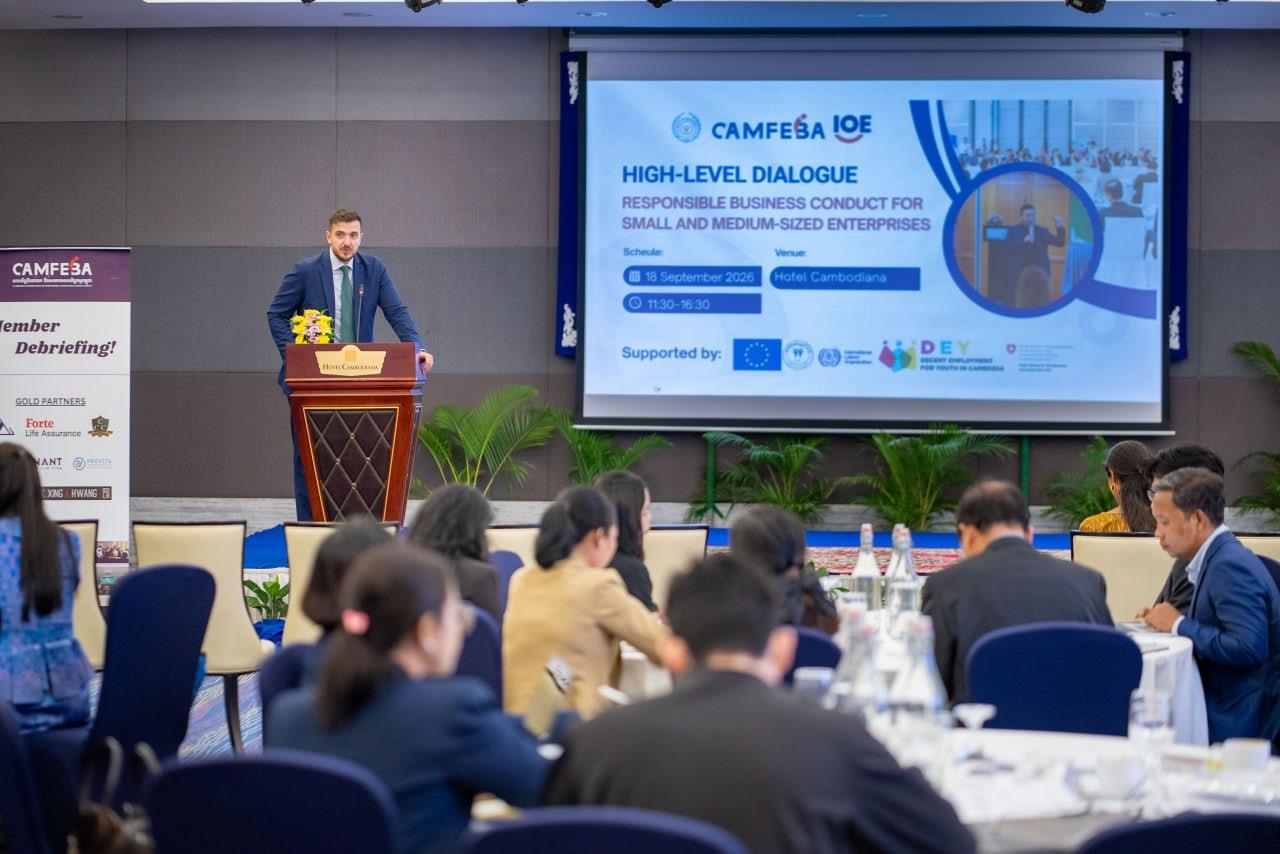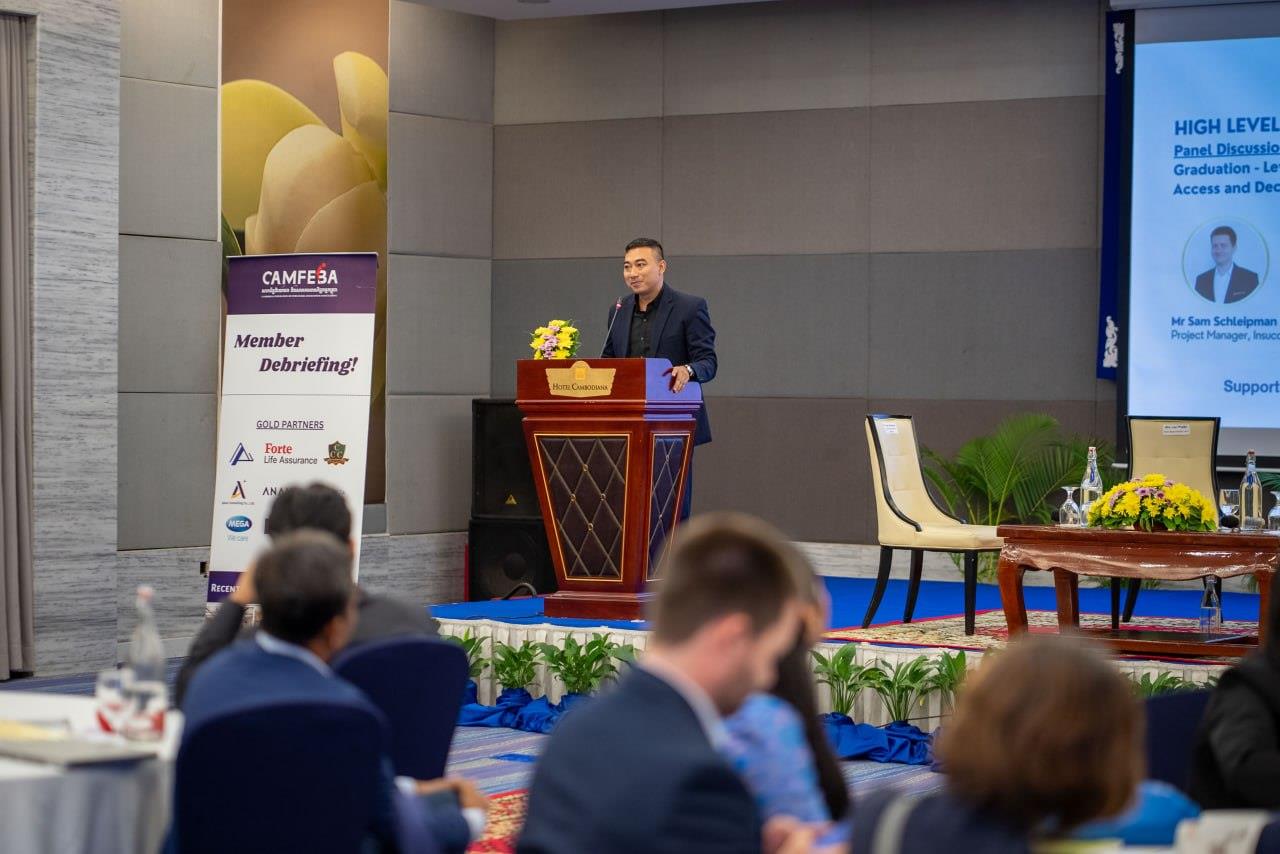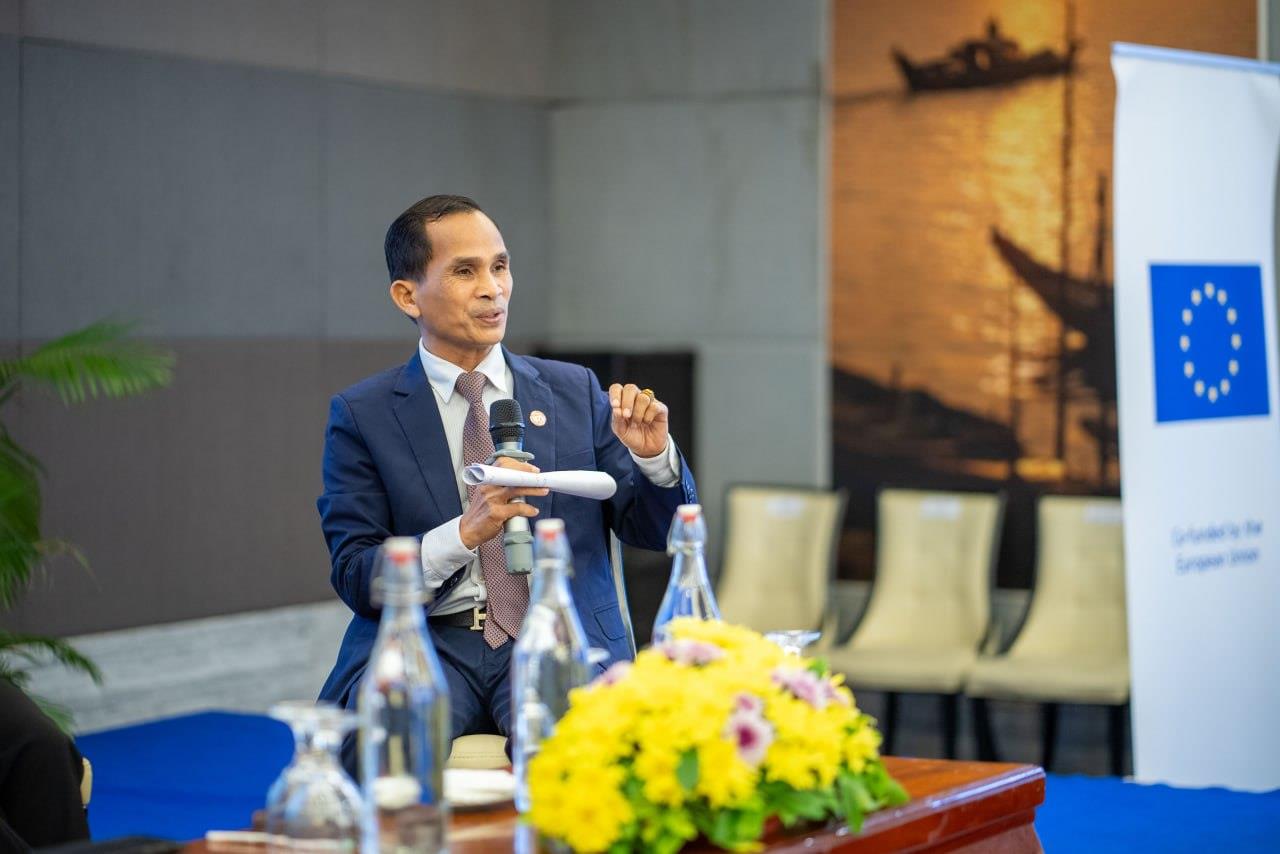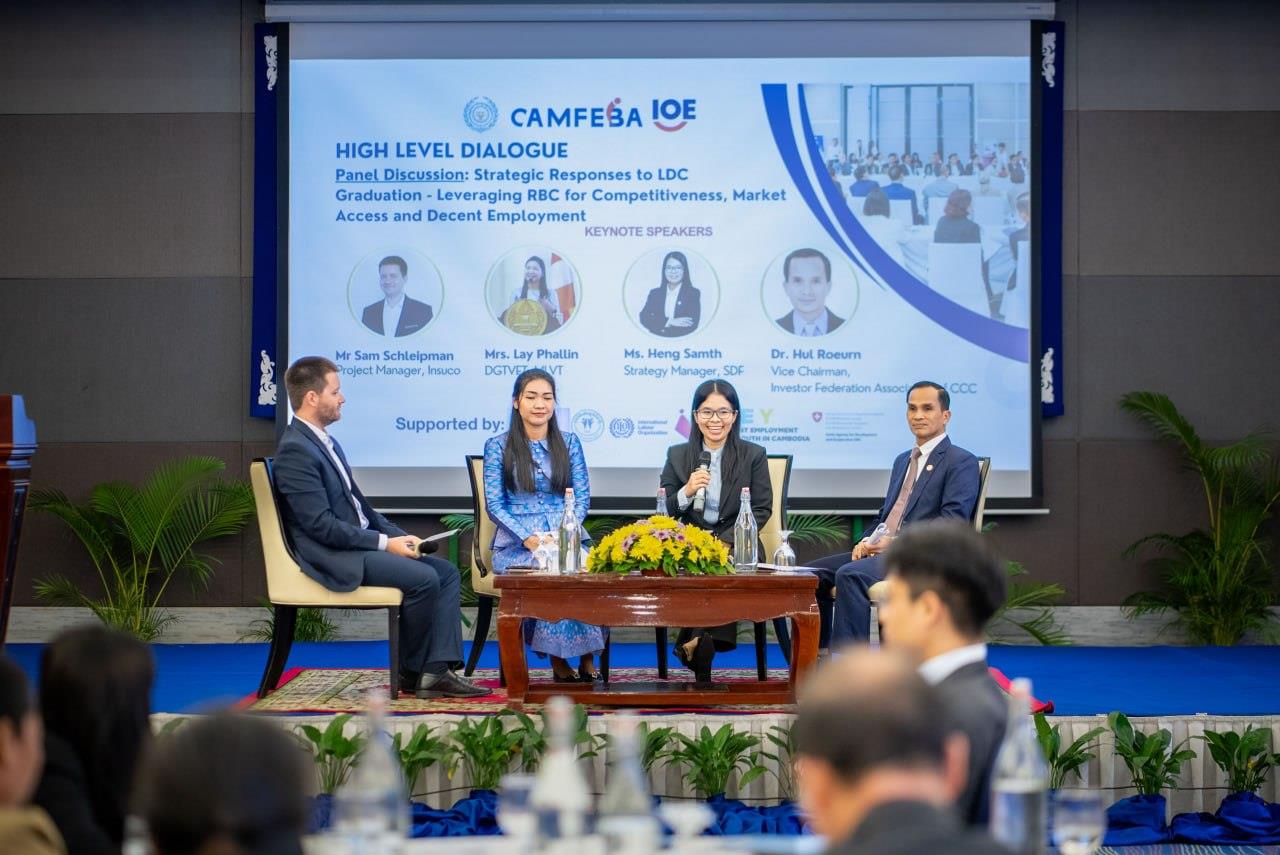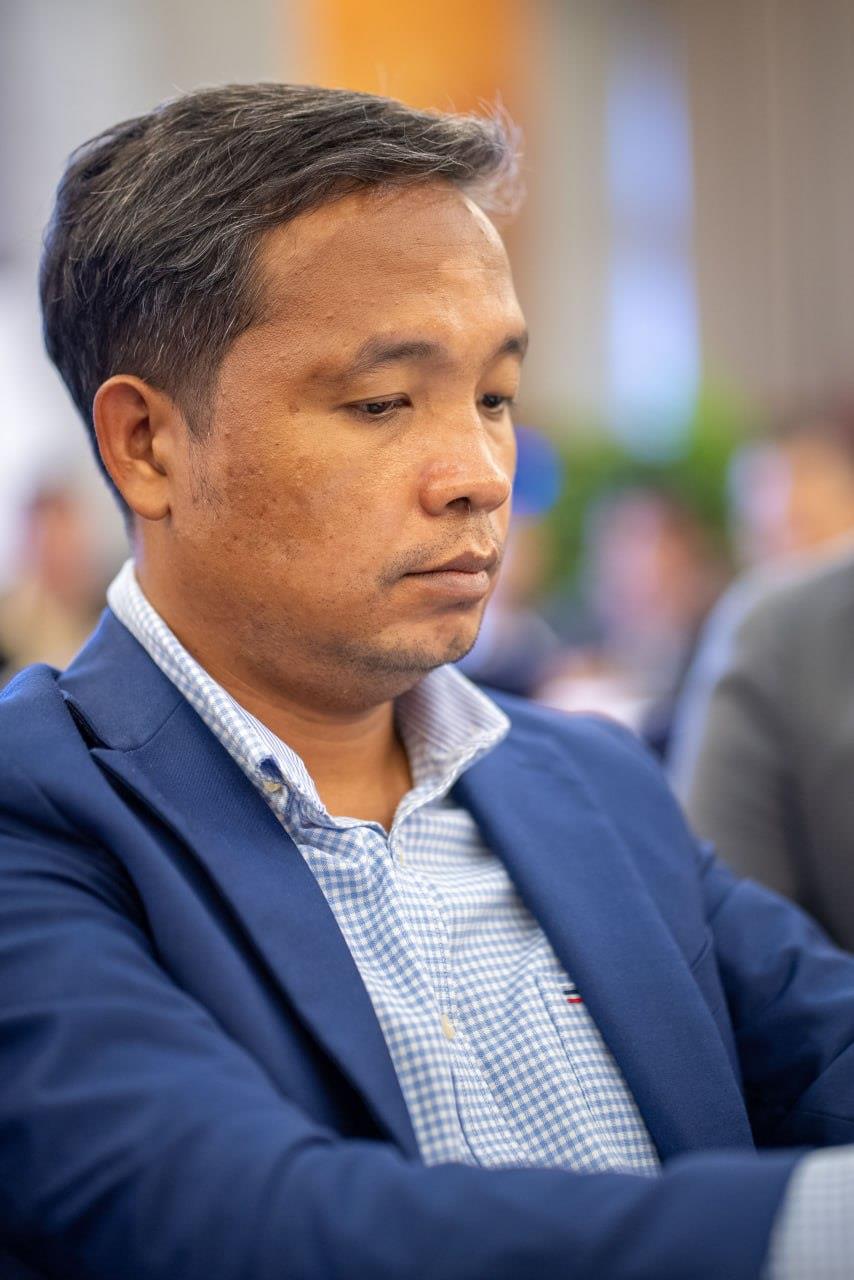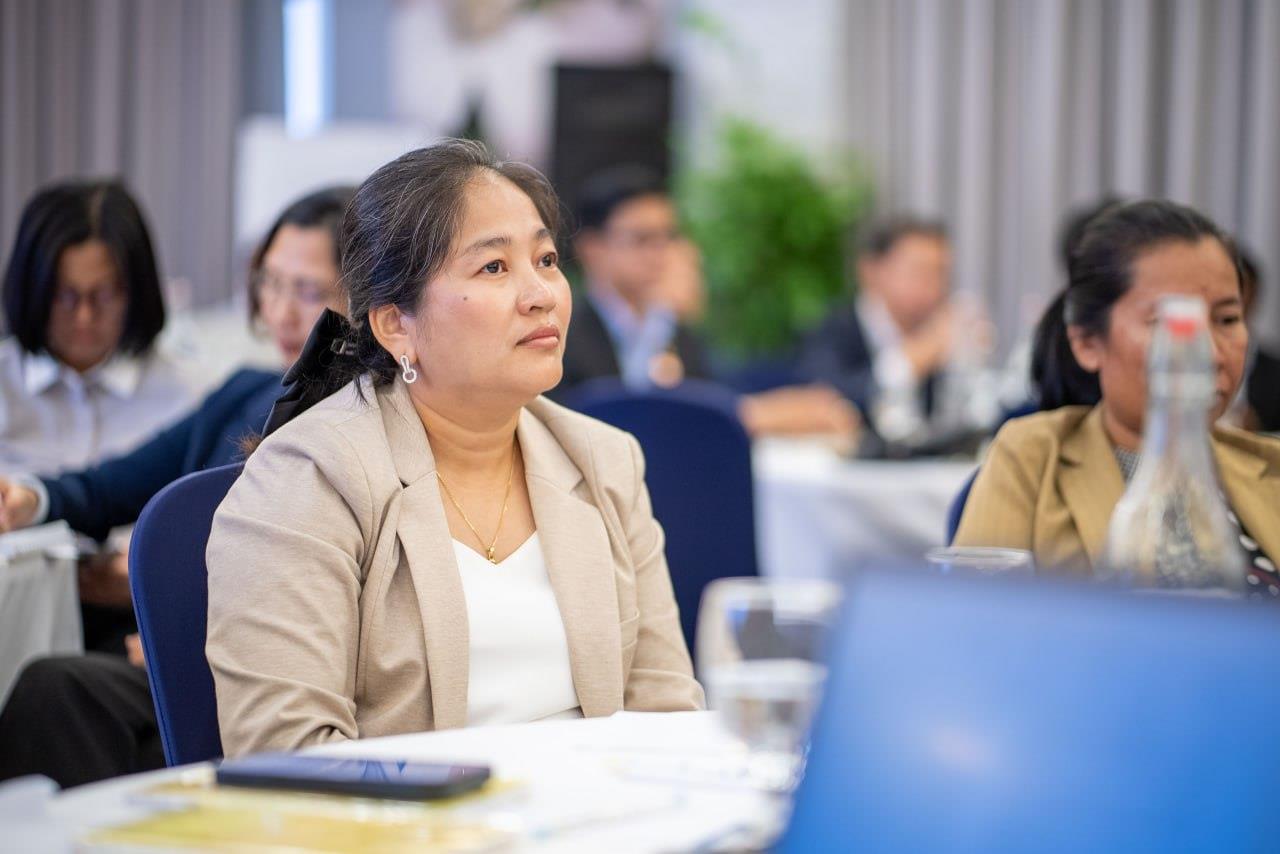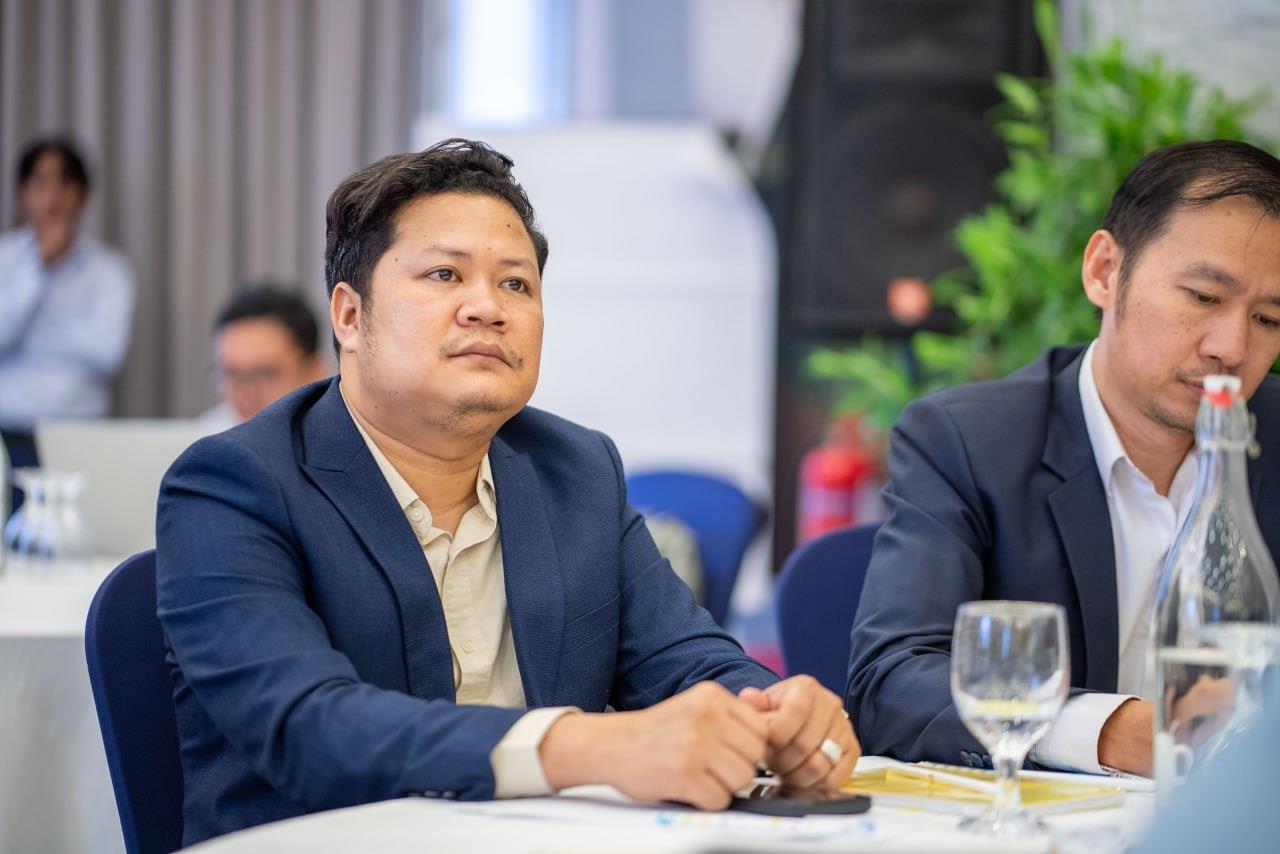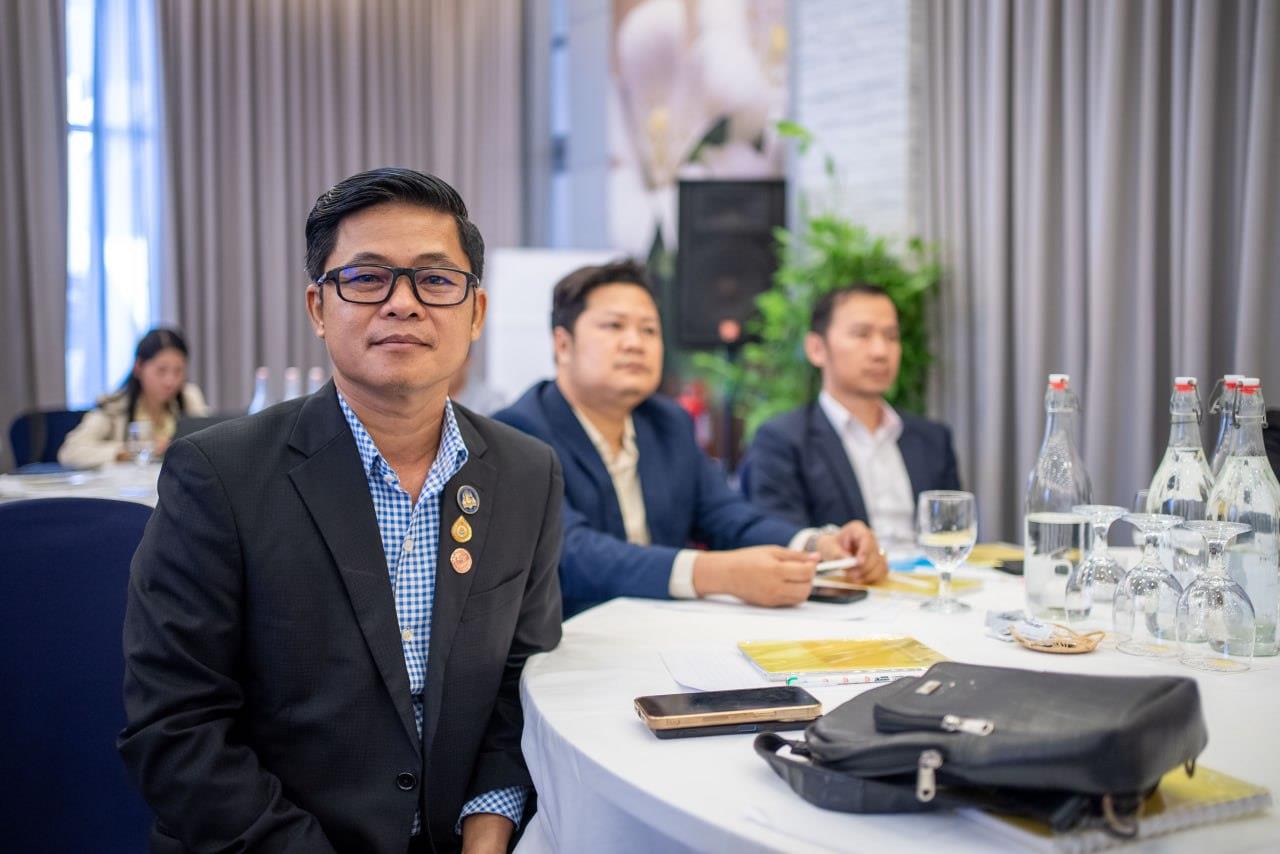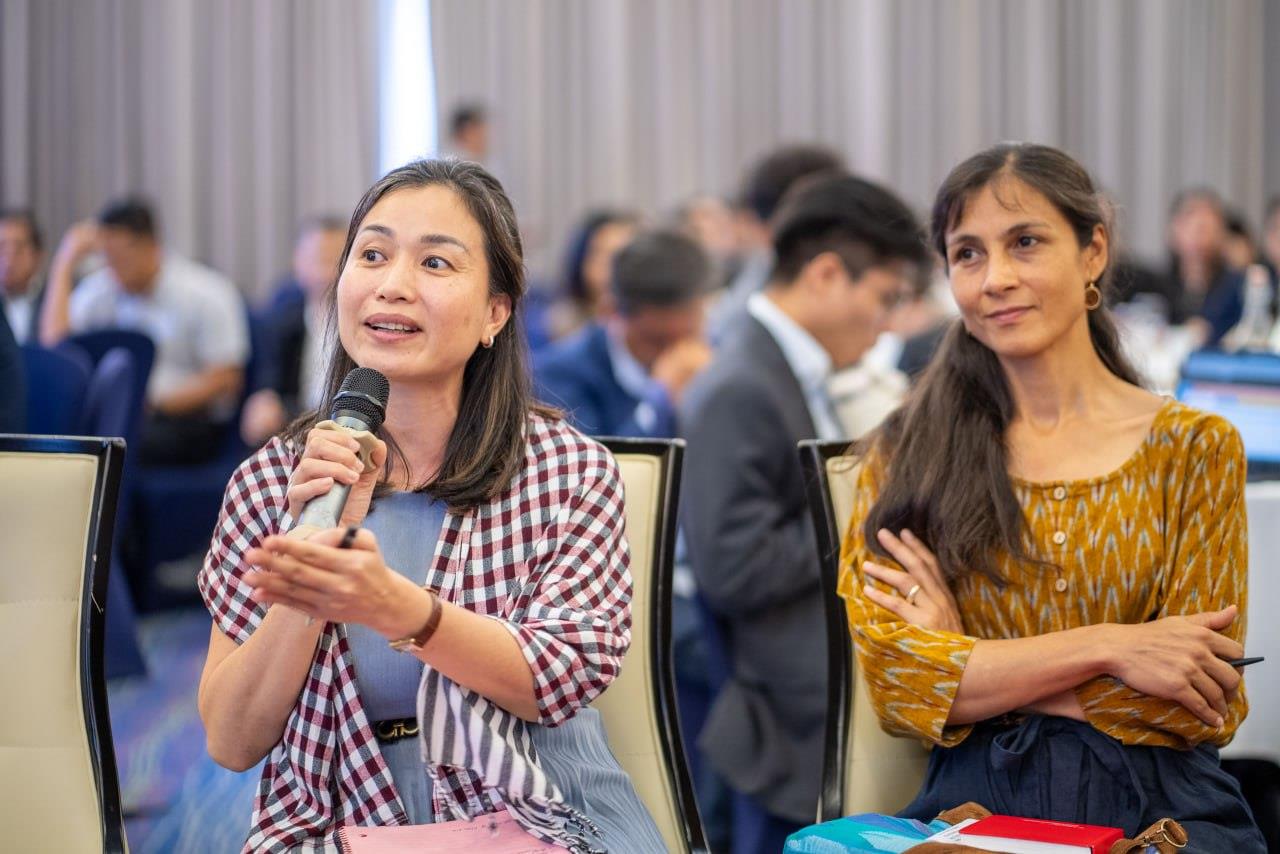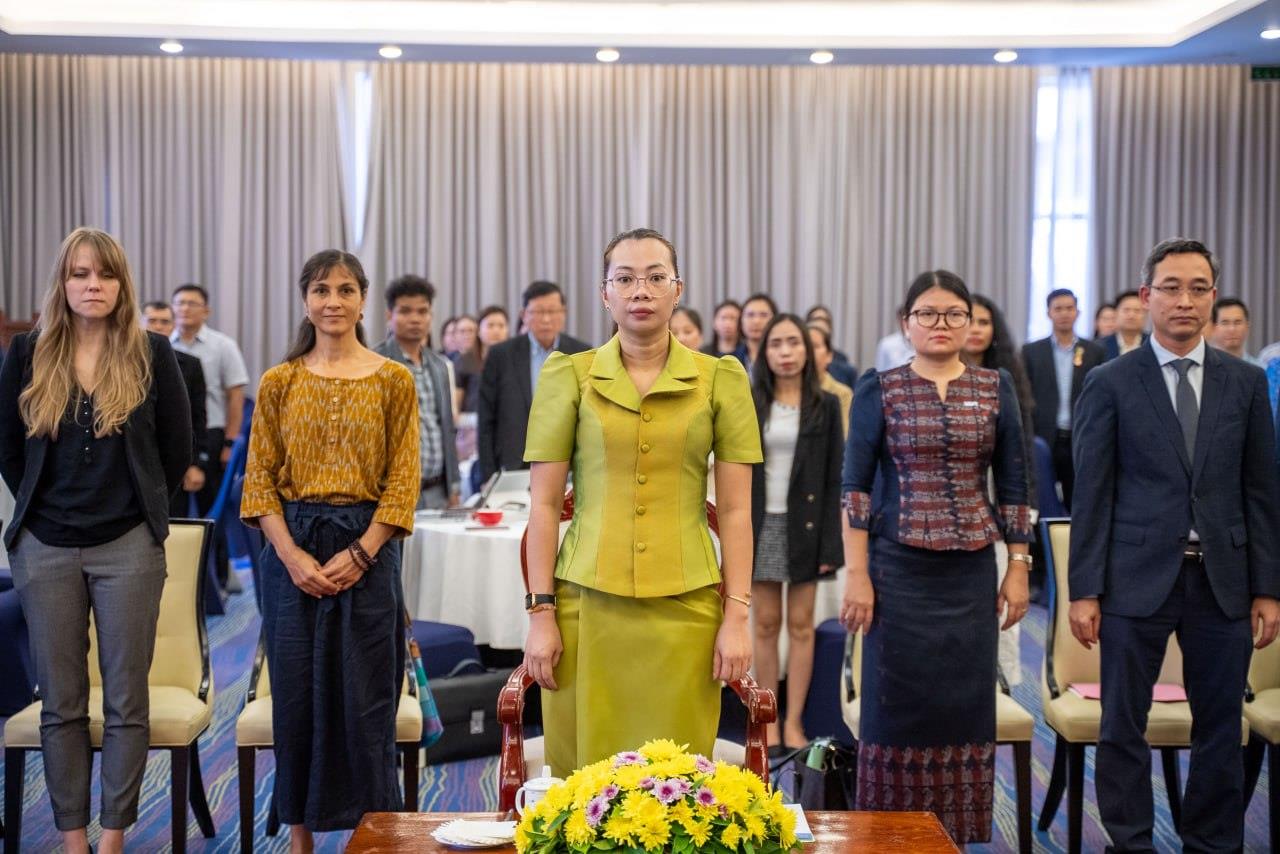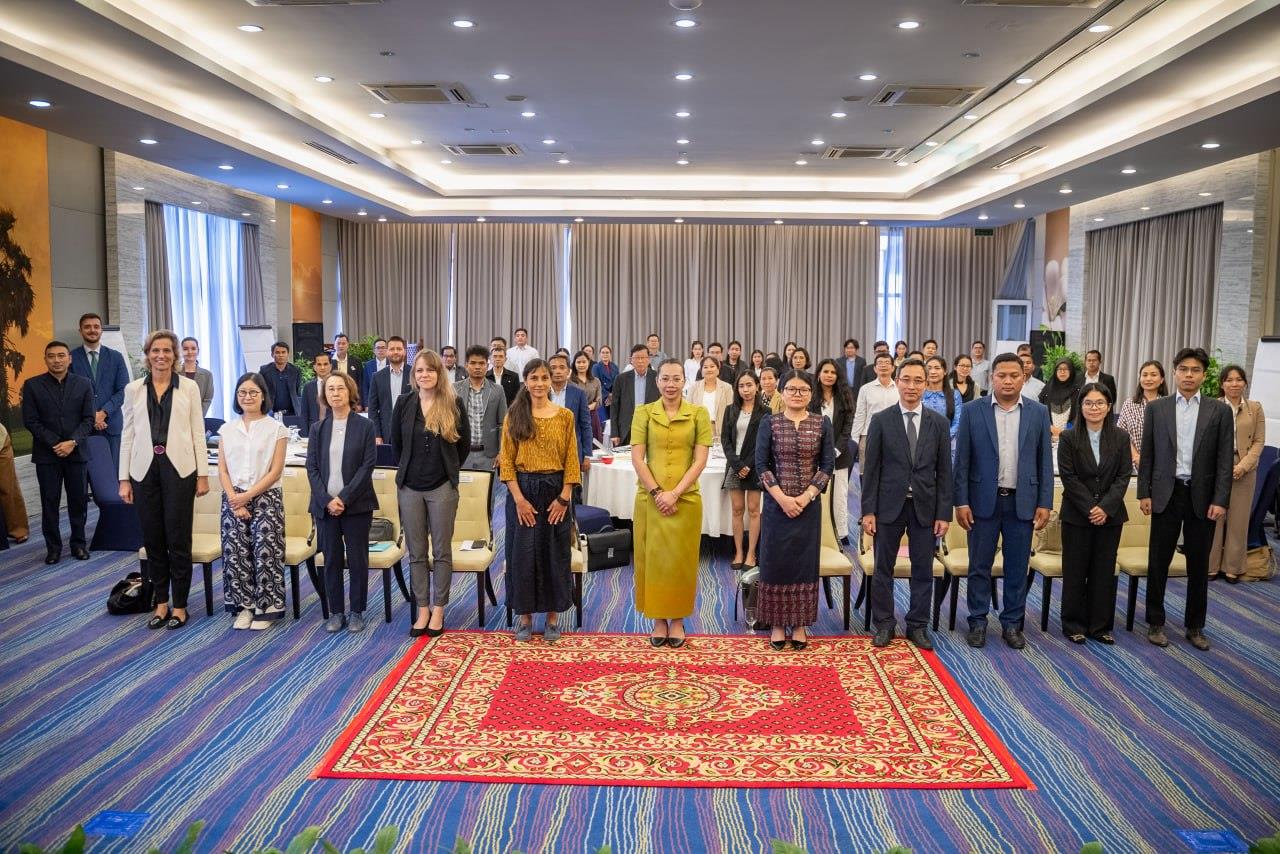

(Phnom Penh): The Cambodian Federation of Employers and Business Associations (CAMFEBA), in partnership with the Ministry of Labour and Vocational Training (MLVT), the International Labour Organization (ILO), and the International Organisation of Employers (IOE), convened a High-Level Dialogue on Cambodia's LDC Graduation under the theme, "Leveraging Responsible Business Conduct (RBC) for Smooth Transition and Decent Employment."
The event brought together over 80 participants, including senior government officials, employer representatives, development partners, trade unions, and SME leaders, to discuss the strategic challenges and opportunities arising from Cambodia’s graduation from Least Developed Country (LDC) status in 2029.
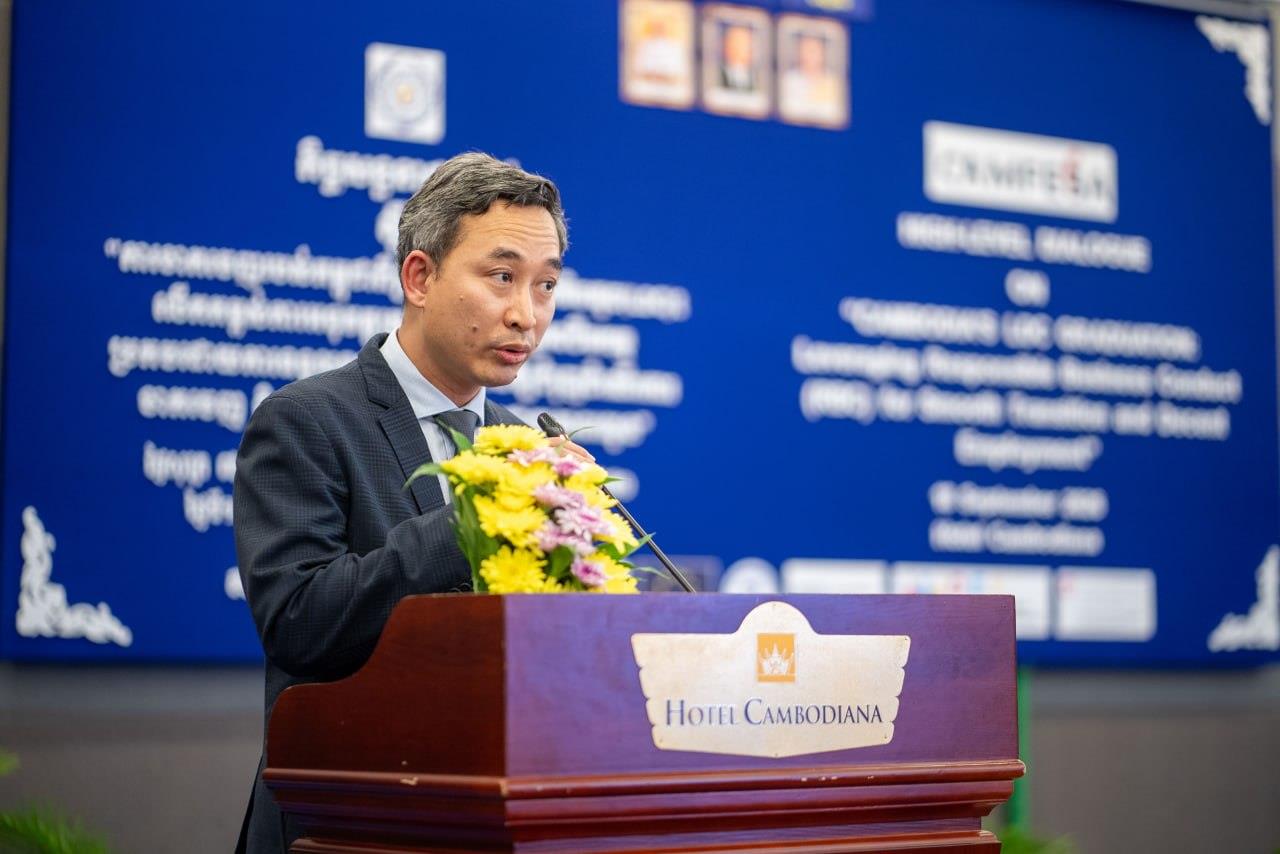
Opening the dialogue, Sovann Vannaroth, Permanent Secretary of State of the Ministry of Labour and Vocational Training, emphasized that Cambodia's transition must be accompanied by stronger competitiveness and continued protection of workers' rights.
"One principle must remain clear throughout this transition: Cambodia must become more competitive by raising productivity, increasing value addition, and advancing decent work, but never at the cost of labour protection or workers' rights. Competitiveness that comes at such a cost is neither sustainable nor resilient."
As Cambodia prepares for graduation, the country faces the gradual withdrawal of preferential trade arrangements, including the European Union's Everything But Arms (EBA) initiative.
At the same time, growing international expectations around sustainability, human rights, labour standards, and environmental governance are reshaping global value chains. Regulatory developments such as the EU Corporate Sustainability Due Diligence Directive (CSDDD) are making Responsible Business Conduct (RBC) increasingly essential for maintaining access to international markets and attracting quality investment.
From the employers' perspective, Sar Kinal, Vice President of CAMFEBA, stressed that Responsible Business Conduct is rapidly becoming a business necessity rather than a voluntary initiative.
"Responsible Business Conduct is therefore no longer an option or a 'nice-to-have.' It is becoming a business imperative and a key requirement for sustainable market access."
Representing the International Labour Organization, Helen Kirsch, Officer-in-Charge of the ILO Office in Cambodia, highlighted the importance of collective action to ensure that economic progress translates into decent work and sustainable development.
"From the ILO's perspective, Responsible Business Conduct and Decent Work go hand in hand. Businesses that respect workers' rights, invest in skills, promote safe and healthy working conditions, embrace diversity and inclusion, and engage constructively with workers and their representatives are often better positioned to enhance productivity, attract investment, strengthen resilience, and access higher-value markets."
The dialogue reaffirmed a shared understanding that Responsible Business Conduct is now essential, not merely an option, bolstering business resilience, opening doors to higher-value markets, and attract sustainable investment. Participants further agreed that Cambodian SMEs, which account for more than 70 per cent of employment, require targeted support through enabling policies, technical assistance, financing mechanisms, and practical compliance tools to adapt to evolving international requirements.
The dialogue also underscored the importance of a whole-of-society approach involving government, employers, workers, development partners, and international buyers to support a smooth, sustainable, and inclusive transition from LDC status. Particular emphasis was placed on upskilling and reskilling Cambodia's workforce as a cornerstone of future competitiveness.
Reflecting on the outcomes of the dialogue, Sonya Elmer Dettelbacher, Deputy Director of the Swiss Cooperation Office and Consular Agency, welcomed the strong consensus reached among stakeholders.
"Today's dialogue reinforced a shared commitment among government, employers, workers, and development partners to work together to support Cambodian enterprises, especially SMEs, in navigating the opportunities and challenges of LDC graduation. Responsible Business Conduct, skills development, and social dialogue will be critical foundations for a resilient and inclusive transition."
Closing the event, Tep Sophoan, Executive Director of CAMFEBA, outlined CAMFEBA’s commitments to sustain momentum beyond the dialogue.
"CAMFEBA remains committed to translating today's discussions into concrete actions. We will document and disseminate the key outcomes and recommendations from this dialogue, particularly those related to skills development and SME competitiveness. We will continue to advocate for expanded upskilling, reskilling, and practical support mechanisms for SMEs, and we will work closely with MLVT, ILO, IOE, SDF, development partners, and all stakeholders to sustain policy dialogue and collaboration on skills development, responsible business conduct, decent employment, and Cambodia’s successful transition beyond LDC status."
CAMFEBA expressed its sincere appreciation to the Ministry of Labour and Vocational Training, the International Labour Organization (ILO), the International Organisation of Employers (IOE), the Swiss Agency for Development and Cooperation (SDC), the European Union (EU), the Skills Development Fund (SDF), the Cambodia Chamber of Commerce, INSUCO, representatives of employers' and workers' organizations, and all partners for their technical expertise, support, and collaboration in making the dialogue a success.
=FRESH NEWS