
(Phnom Penh): A border conflict can close trade crossings and disrupt supply chains. Floods can destroy homes, crops and infrastructure. Unverified information can create confusion and undermine public confidence and the morale of troops defending the country.
But crises can also expose vulnerabilities that are less visible in normal times — revealing where a country is most fragile and what must be strengthened before the next shock arrives.
As Cambodia has faced, and continues to face, these different pressures, the question is not simply whether the country can get through them. The more important question is: Can Cambodia turn the lessons of today’s crises into stronger systems, fewer vulnerabilities and greater resilience against the crises of tomorrow?
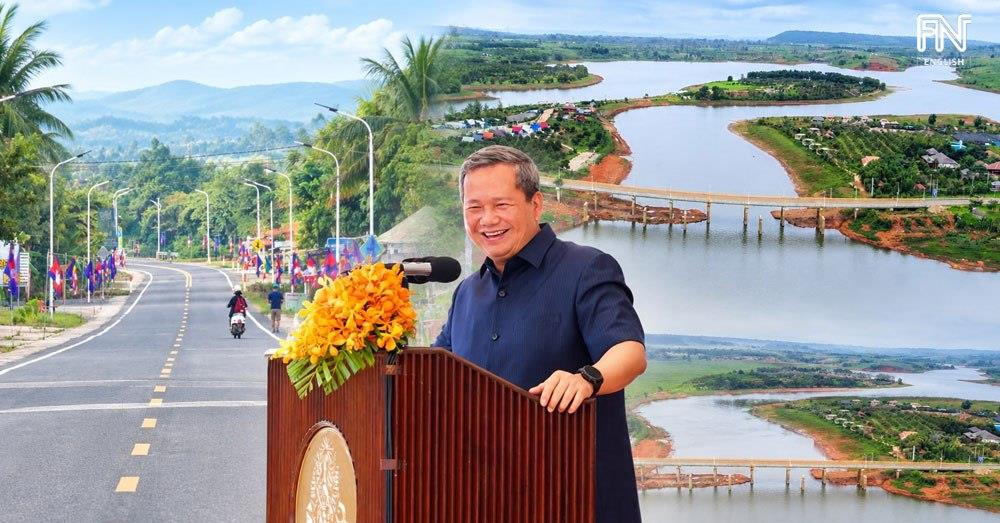
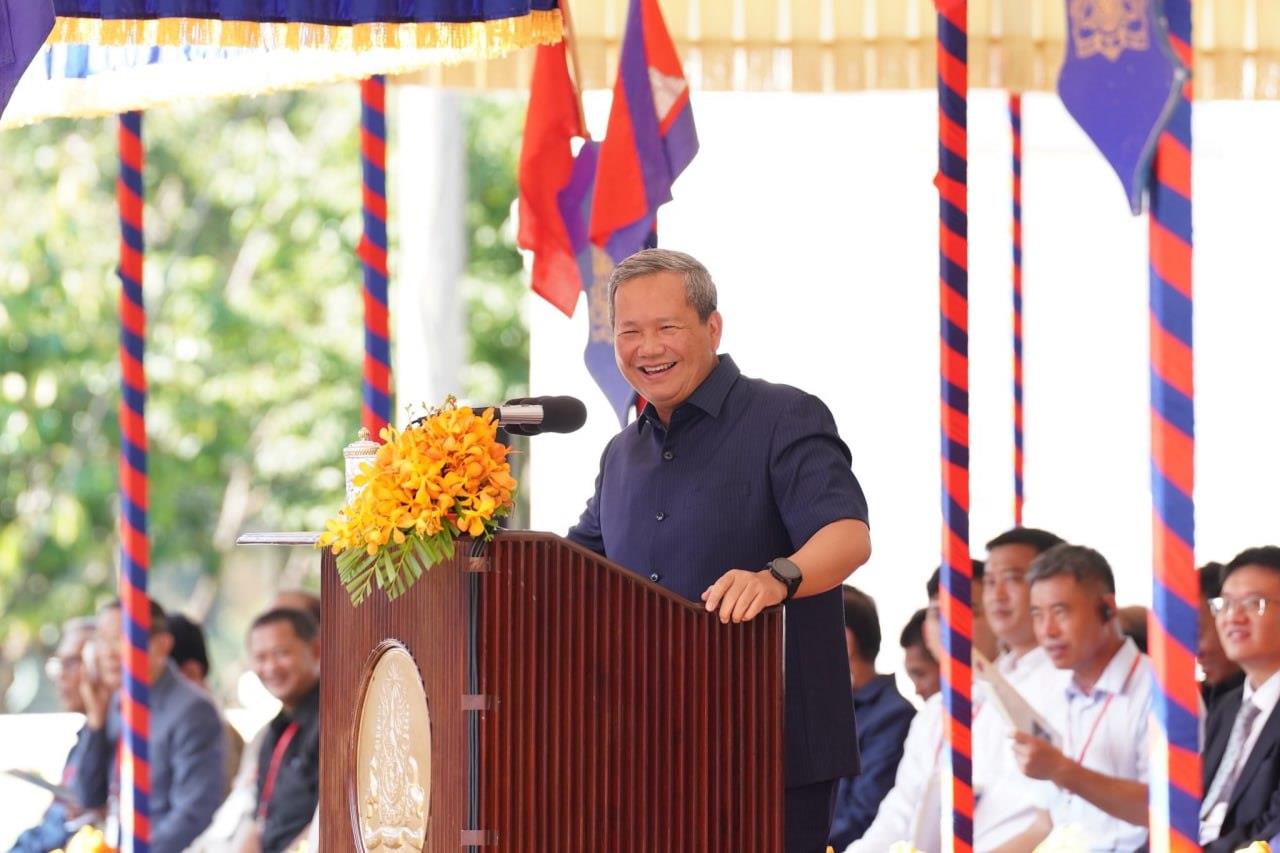
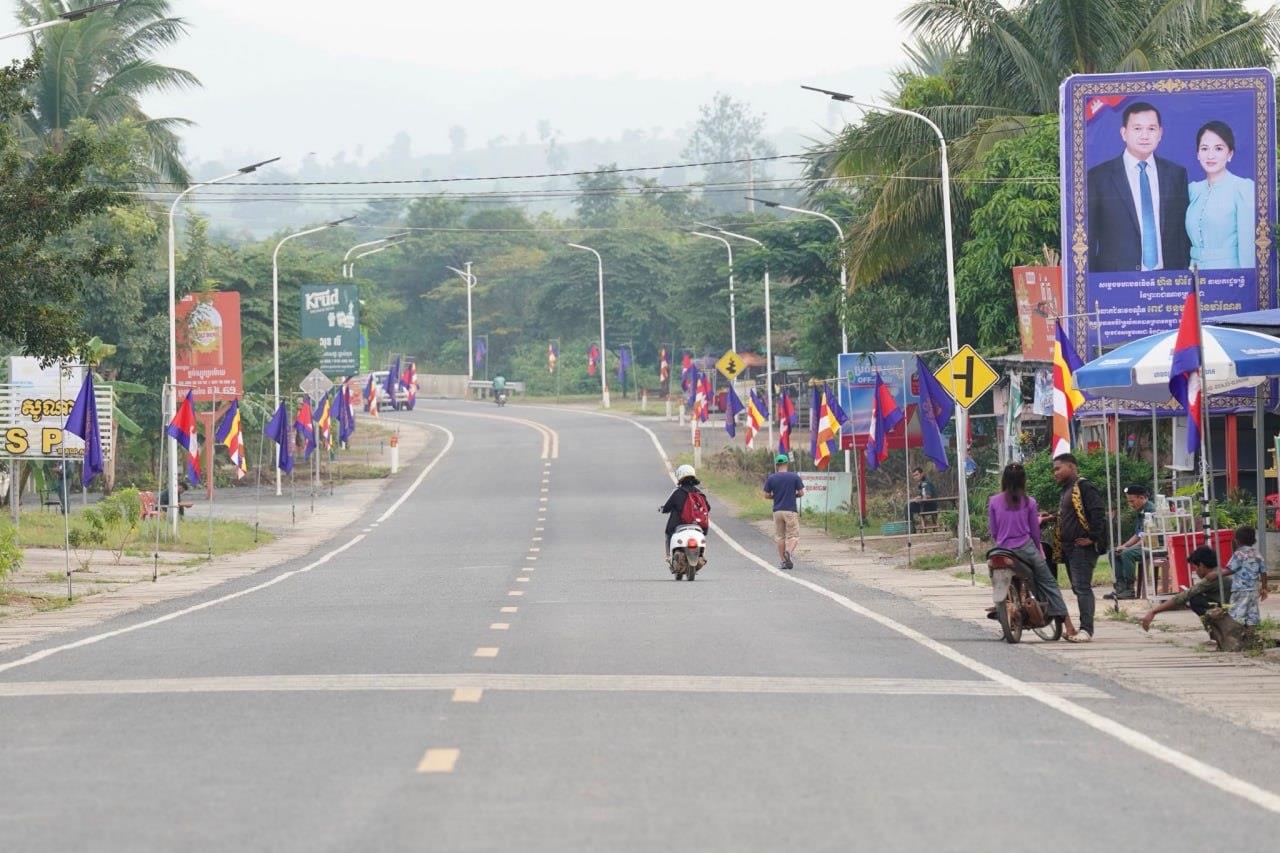
On October 1, 2026, at the official inauguration of National Road No. 10, which connects Battambang, Pursat and Koh Kong provinces, Cambodian Prime Minister Hun Manet addressed three issues that, at first glance, appeared quite different: the border conflict and border closures, flooding and the risks associated with El Niño, and information that could affect military morale.
Yet when these three messages are viewed together, a common thread emerges: crises can expose a country’s vulnerabilities, and the lessons they reveal can be used to strengthen its ability to withstand future shocks.
In risk management, this concept is commonly described as resilience. Resilience does not mean that a country can avoid every crisis. Rather, it refers to its capacity to withstand shocks, adapt, recover and learn — while reducing its vulnerability to future disruptions.
In Cambodia’s context, the prime minister’s three messages can be viewed through three dimensions of national resilience: economic and border resilience, water and climate resilience, and information resilience, including the protection of public confidence and military morale.
From Border Crisis to Economic Resilience
The first message concerned lessons from the border conflict and border closures.
Hun Manet said:
“The problems we have faced — border conflict and border closures — are all opportunities for us to assess ourselves, strengthen our domestic capacity and diversify our economy. ... In the short term, it hurts, but we must learn from this so that the same vulnerability does not confront us again in the future.”
War and border closures are not “opportunities” in the sense that they are positive events. They can cost lives, disrupt trade, damage livelihoods and displace communities.
But a crisis can function as a stress test for a country. It reveals which systems continue to work under pressure and which become vulnerable when a border crossing, trade route or supply chain is disrupted.
This is why the prime minister’s emphasis on economic diversification is significant.
A country that depends heavily on a single market, trade gateway, supplier or transport route can become more vulnerable when that connection is disrupted. By contrast, having multiple markets, transport corridors, supply sources and stronger domestic productive capacity can provide alternatives when a crisis occurs.
The location of the speech is therefore noteworthy. Hun Manet was discussing resilience while inaugurating National Road No. 10, a transport corridor connecting Battambang, Pursat and Koh Kong.
A road is valuable not only because it can shorten travel time. Infrastructure networks that provide alternative routes for moving people and goods can also contribute to economic resilience.
The first lesson, therefore, is straightforward: Do not wait until a border closes to discover what the economy depends on too heavily. A crisis should reveal vulnerabilities that can be reduced before the next crisis occurs.
From Floods to Water Security in the Dry Season
The prime minister’s second message concerned water and preparedness for climate risks.
As parts of Cambodia face flooding, Hun Manet looked beyond the immediate emergency and raised a longer-term question: Can some of the abundant water available today be retained for a time when water may become scarce tomorrow?
The prime minister said:
“Flooding is an opportunity for Cambodia to draw lessons about how to address the problem and how water can be retained for use during periods of drought.”
The idea was raised in the broader context of concerns surrounding El Niño and climate variability in the months ahead. El Niño, however, does not mean that every region will experience drought or that its impacts will be identical everywhere. The more important issue for Cambodia is whether it has the capacity to prepare for climatic uncertainty.
A key distinction here is between floodwater and water resources.
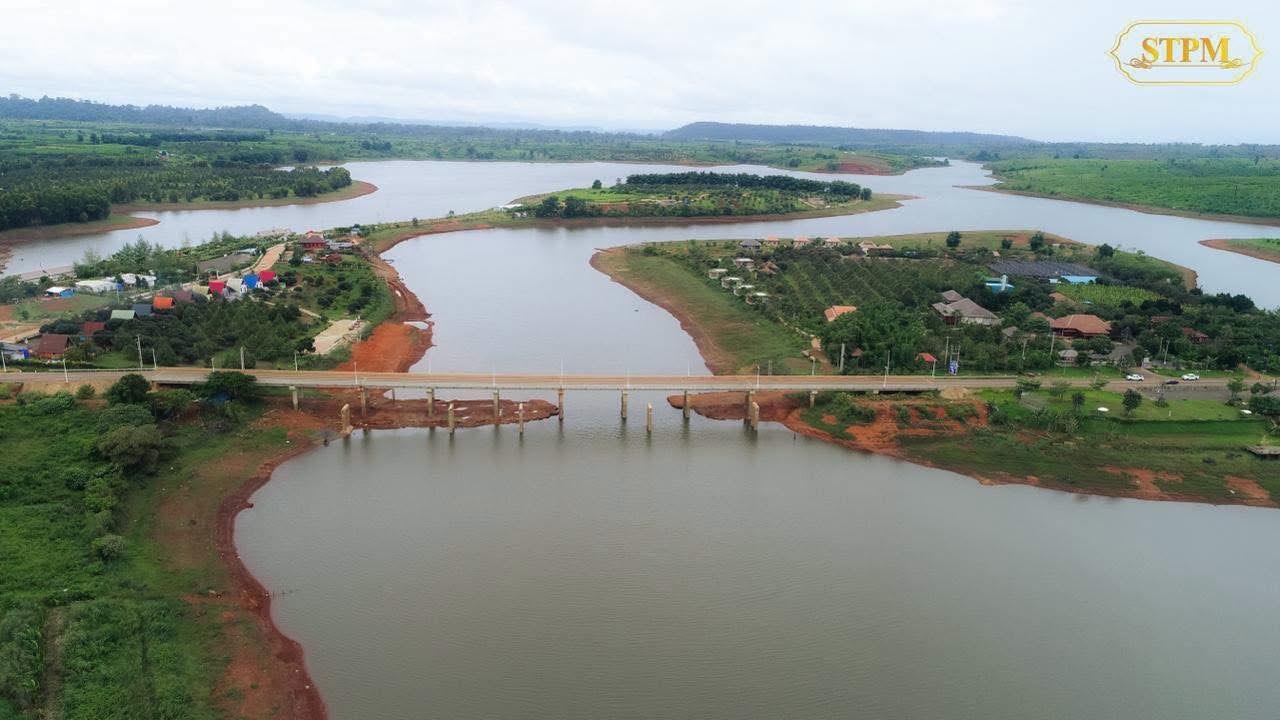
Floods can be disastrous. They can kill people and damage homes, crops, roads and livelihoods. Yet some of the water available during the wet season can become a resource for the dry season if a country has sufficient reservoirs, irrigation systems, canals and effective water-management infrastructure.
In other words, the question is not simply: “How much water do we have?”
It is also: “How much of that water can we retain, manage and deliver to where it is needed, when it is needed?”
The central question, therefore, is not whether floods are “good” or “bad.” It is: How effectively can Cambodia turn excess water today into water security for tomorrow?
This is the second lesson: water and climate resilience. It is not merely the capacity to respond to flooding when it occurs. It is also the ability to learn from periods of excess water and prepare for the risk of scarcity later.
From Unverified Claims to Truth and Military Morale
Hun Manet’s third message shifted from economics and natural resources to something less tangible but equally important during a crisis: public trust and the morale of the forces defending the country.
The prime minister criticized reports alleging that frontline troops lacked sufficient food supplies and had been reduced to eating rice with salt and chili.
Hun Manet rejected the allegation, saying that troops were being supplied and that food reserves were available. He also urged the public to verify information before posting or sharing it.
But another part of his remarks was equally significant: if genuine shortages exist, he said, the information should be reported so that the cases can be investigated and addressed.
This highlights an important line that societies must preserve during a crisis:
Protecting military morale does not mean concealing genuine problems. At the same time, exposing genuine problems does not mean circulating every claim before it has been verified.
For journalists, the principle can be summarized simply: Verify before you amplify.
If an allegation that troops lack food is inaccurate, spreading it can create confusion, undermine public confidence and potentially affect military morale.
But if a shortage is real, verifying it, documenting it with evidence and bringing it to the attention of the responsible authorities can help correct the problem rather than undermine morale.
This distinction becomes even more important during conflict, when claims about battlefield events, casualties, damage and military conduct may differ sharply among the parties involved. Assertions from any side — whether they come from governments, militaries, politicians, news organizations or social media — should therefore be tested against evidence and credible sources.
This is information resilience.
An information-resilient society does not automatically believe everything it wants to hear, nor does it automatically reject information it does not want to hear. Instead, it pauses and asks: Where did this information come from? Who is the source? What evidence supports it? Has it been independently corroborated?
That is the third lesson: protecting military morale and protecting the truth should not be treated as competing choices. Verified information provides a stronger foundation for both public trust and military morale.
From Crisis Response to Crisis Preparedness
When the prime minister’s three messages are placed side by side, a common pattern becomes clear: a crisis does more than create an immediate problem to solve. It can expose vulnerabilities that need to be addressed for the longer term.
A border closure highlights the need to diversify the economy, broaden markets and create alternative transport links so that the country is not excessively dependent on any single gateway or source.
A flood highlights the need not only to manage excess water during an emergency, but also to strengthen the capacity to retain, manage and distribute water when scarcity returns.
And unverified information highlights the need for stronger verification, protection of factual information and preservation of public trust and military morale when the country is under pressure.
The common lesson, therefore, goes beyond asking: “How do we solve the crisis in front of us?”
The next question should be: “What vulnerability has this crisis exposed, and what must we change today so that the same weakness does not cause the same level of damage when the next crisis arrives?”
That represents a shift from reaction to resilience — from responding after a crisis occurs to building stronger systems before the next one arrives.
In this sense, national resilience should not be measured only by whether a country survives a crisis. It should also be measured by what the country learns, what it changes and what new capabilities it builds afterward so that the same shock does not produce the same level of disruption again.
Conclusion — Resilience Means Withstanding, Recovering and Becoming Stronger
National Road No. 10 is physical infrastructure connecting one part of the country to another. But viewed through a broader lens, the messages delivered at its inauguration raise a larger question about Cambodia’s development path:
Can Cambodia build an economy, a water-management system and an information environment that can withstand pressure and function more effectively when the next crisis arrives?
National resilience does not mean that a country will never face war, floods, drought or misinformation. It means that when crises occur, the country has the capacity to withstand them, adapt, recover and learn — reducing its vulnerability to future shocks.
Resilience means that when a country is tested, it can stand. When it falls, it can rise again. And when it rises, it should not simply return to where it was before — it should emerge stronger.
That may be the broader lesson connecting the prime minister’s three messages: a crisis should not end merely with surviving it. It should leave behind lessons, reforms and new capabilities that make the country better prepared for the next one.