
(Phnom Penh): 2027 has not yet arrived, but signs emerging in the final months of 2026 suggest that the world could enter the new year amid heightened tensions and growing uncertainty.
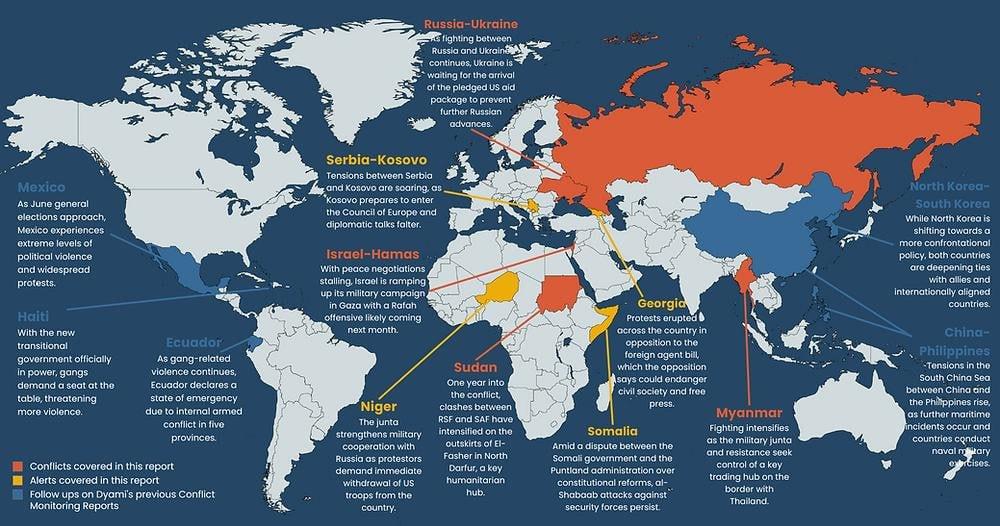
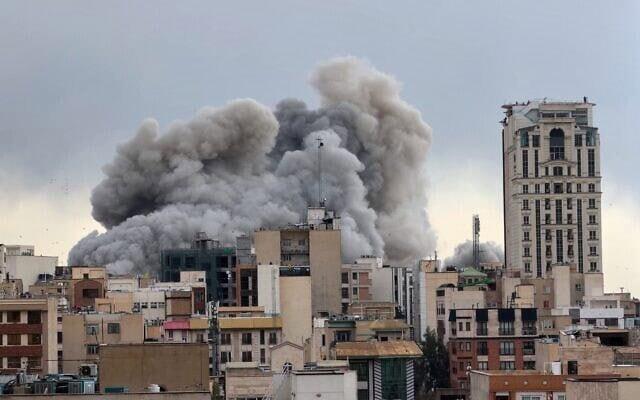
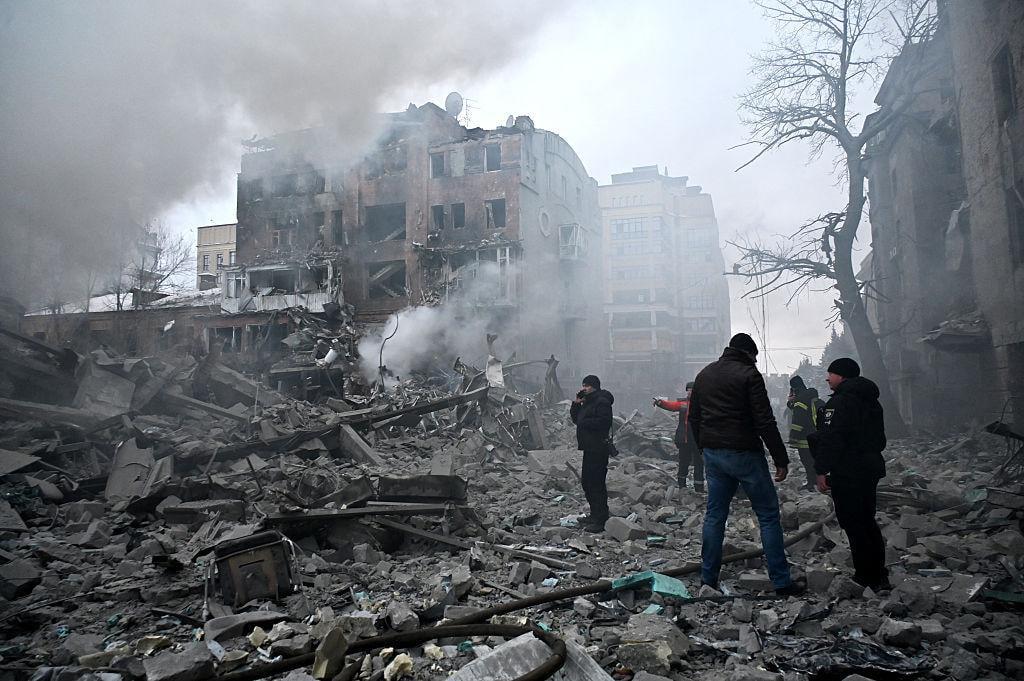
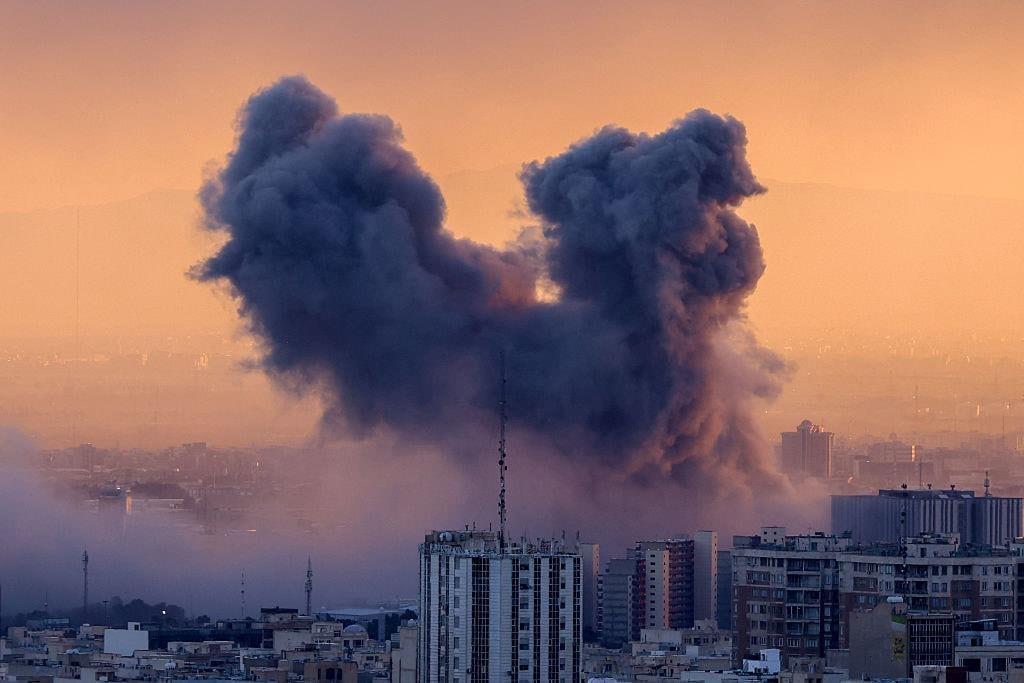
In the Middle East, the conflict involving Iran has disrupted shipping through the Strait of Hormuz, affected global oil markets and put pressure on some U.S. weapons stockpiles. In Europe, the Russia–Ukraine war still has no clear end in sight, while attacks on cities and energy infrastructure continue.
If these two major conflicts extend into 2027, at a time when advanced weapons are being consumed at a high rate and nuclear risks remain in the background, a critical question emerges: Could the world be heading toward an even larger crisis?
There is not enough evidence to conclude that 2027 will bring a third world war. But several warning signs deserve close attention: unresolved conflicts, pressure on some weapons stockpiles, continuing risks to global energy supplies, and the danger of miscalculation among major powers.
None of these factors means that a world war is inevitable. But when several crises unfold simultaneously, a single miscalculation could cause a conflict to expand far beyond its original battlefield.
Middle East: No Clear End to the Conflict
The United States has overwhelming military advantages over Iran. But military superiority does not necessarily translate into an ability to quickly compel an adversary to accept Washington's political objectives.
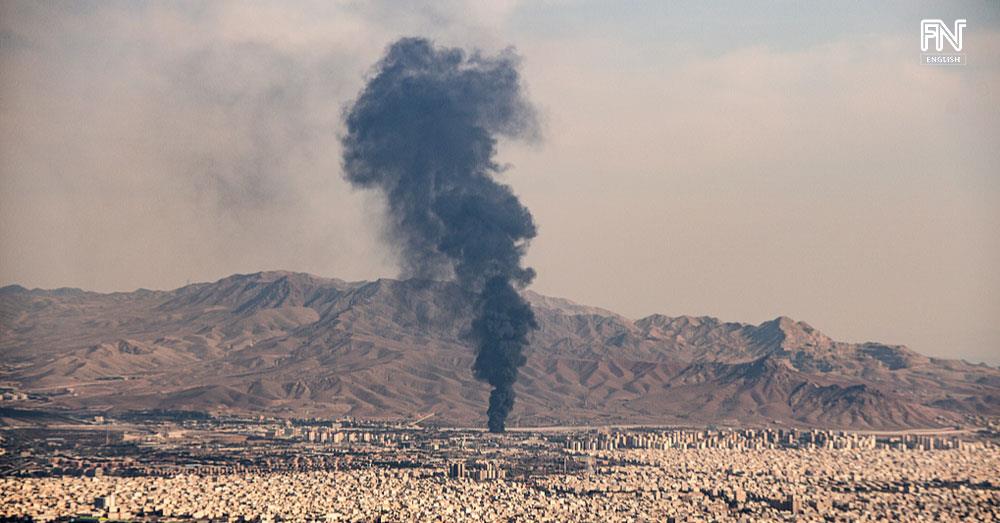
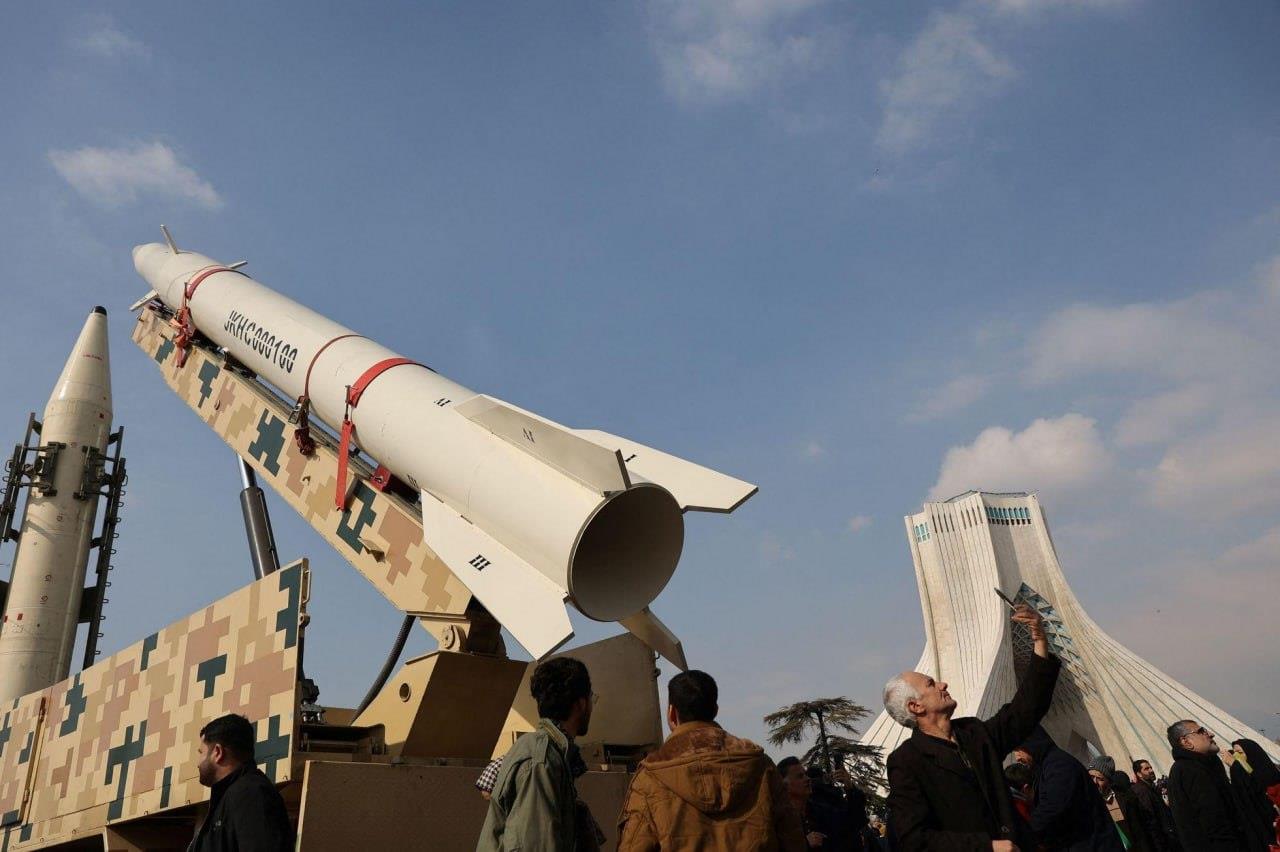
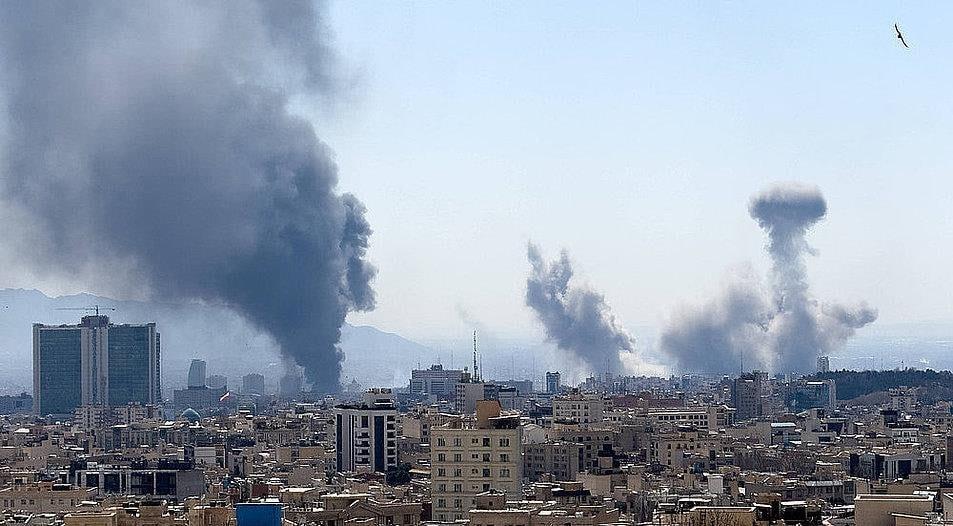
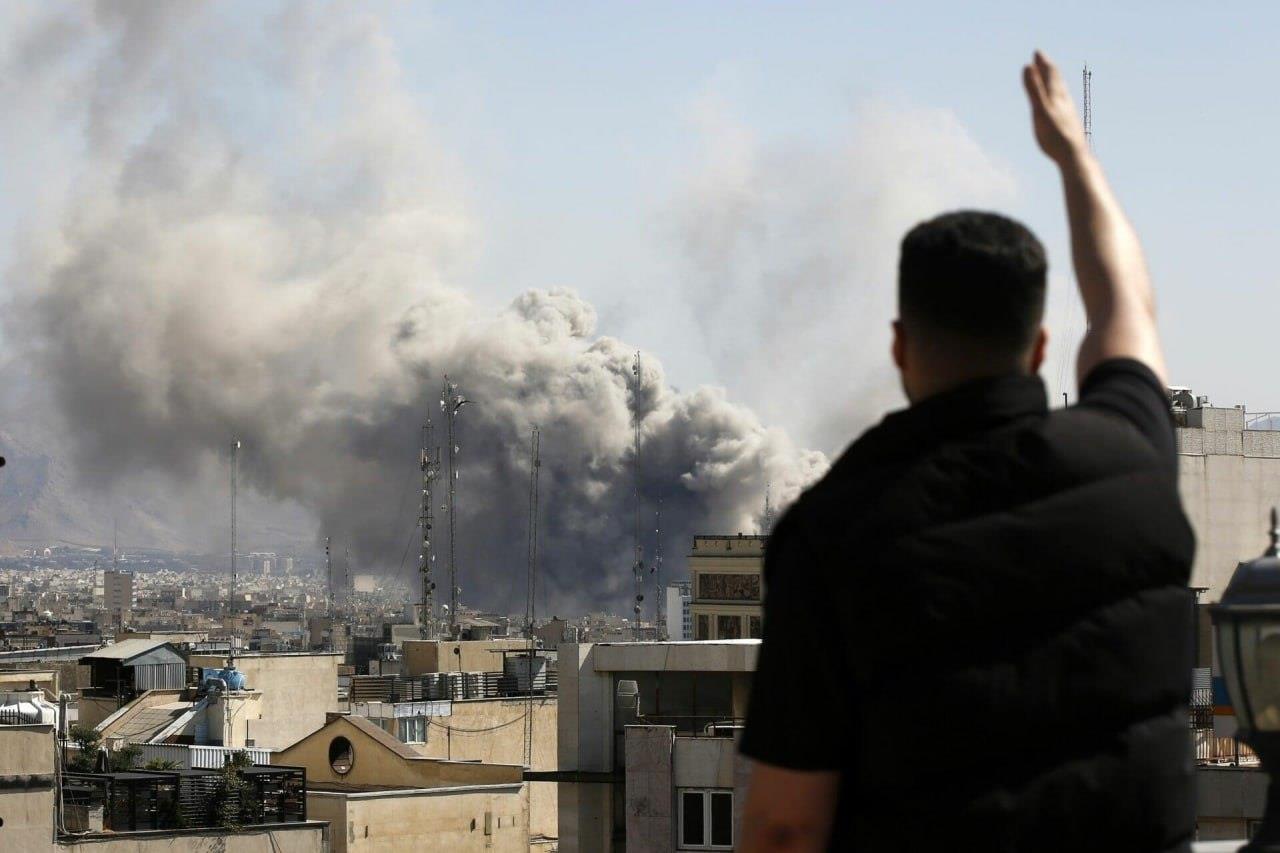
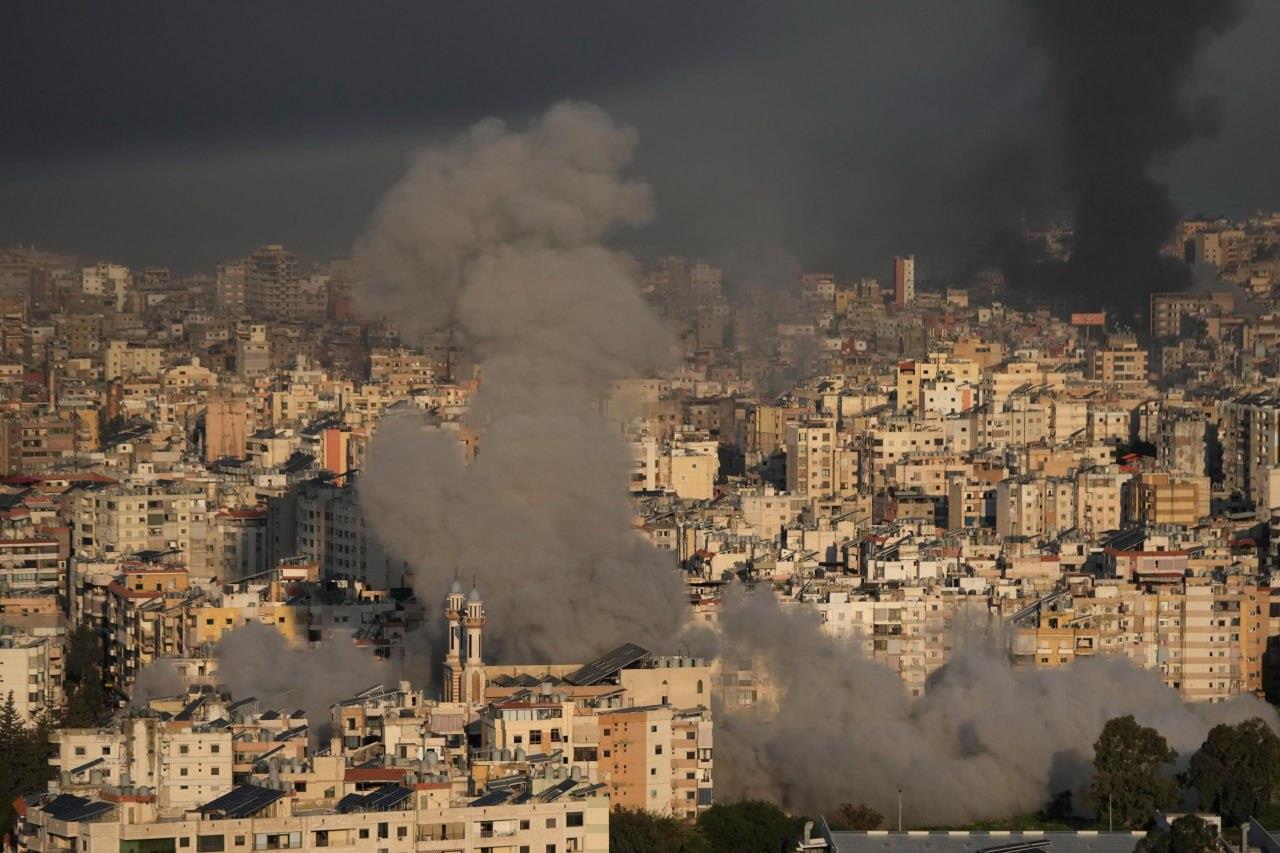
Despite repeated U.S. strikes on Iran, Tehran retains the ability to retaliate. Reuters reported on October 1 that Iran was preparing for a potentially larger and more forceful response if the United States launched another major attack, while Iranian-aligned groups in Lebanon, Iraq and Yemen could also become involved.
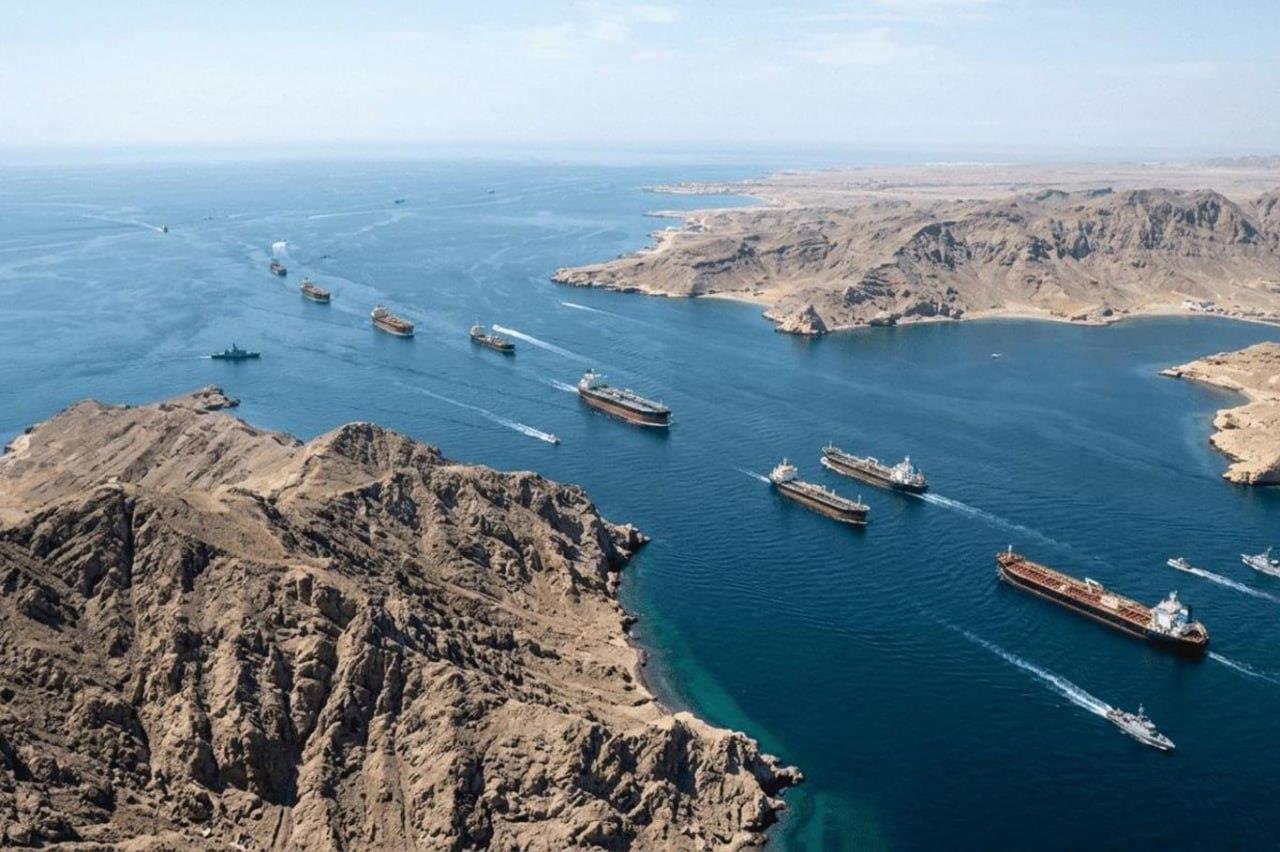
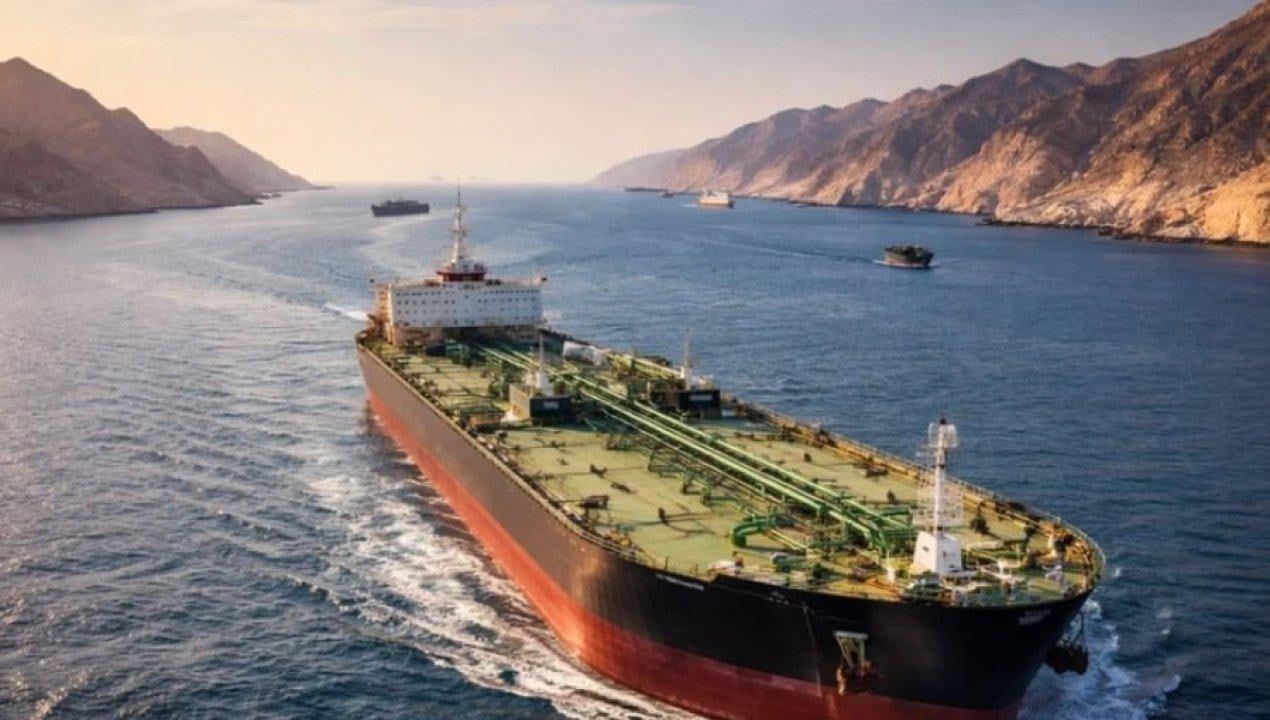
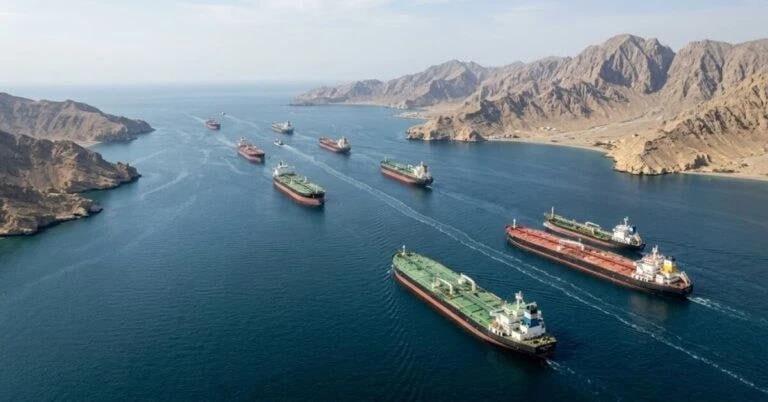
At the same time, the Strait of Hormuz remains a sensitive chokepoint for global energy transportation, while negotiations between Washington and Tehran have yet to break the diplomatic deadlock.
This presents one of the key risks for 2027: greater military force may inflict greater damage on an adversary, but it does not guarantee a faster end to the war. Instead, it could trigger further retaliation and widen the conflict into other countries or regions.
Weapons Stockpiles Under Pressure: Used Quickly, Replenished Slowly
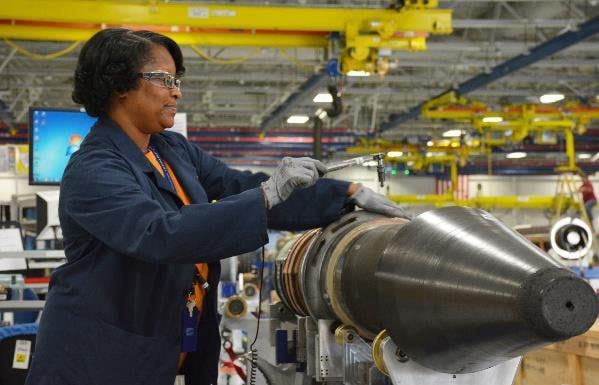
Prolonged wars consume more than money and lives. They can also deplete weapons stockpiles at a high rate, while some sophisticated weapons require considerable time to manufacture and replace.
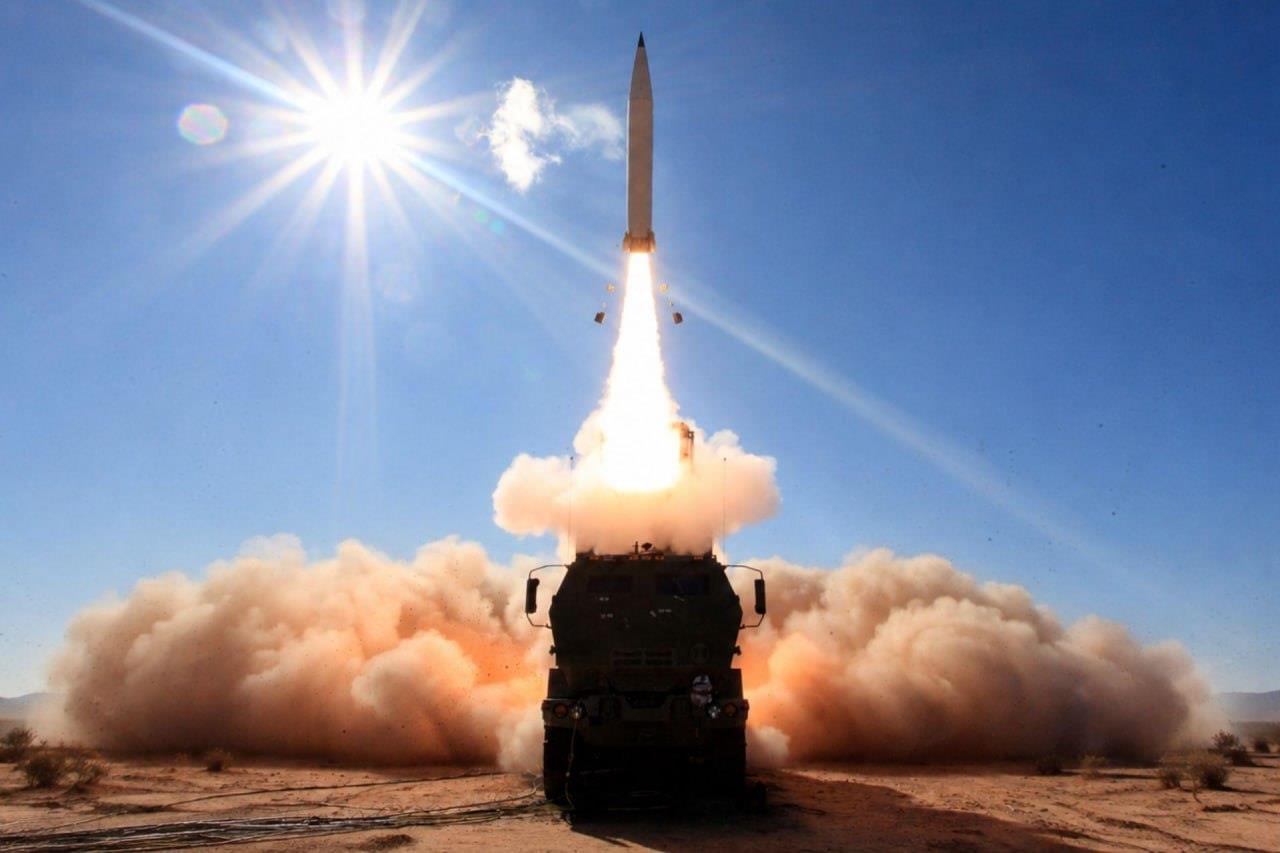
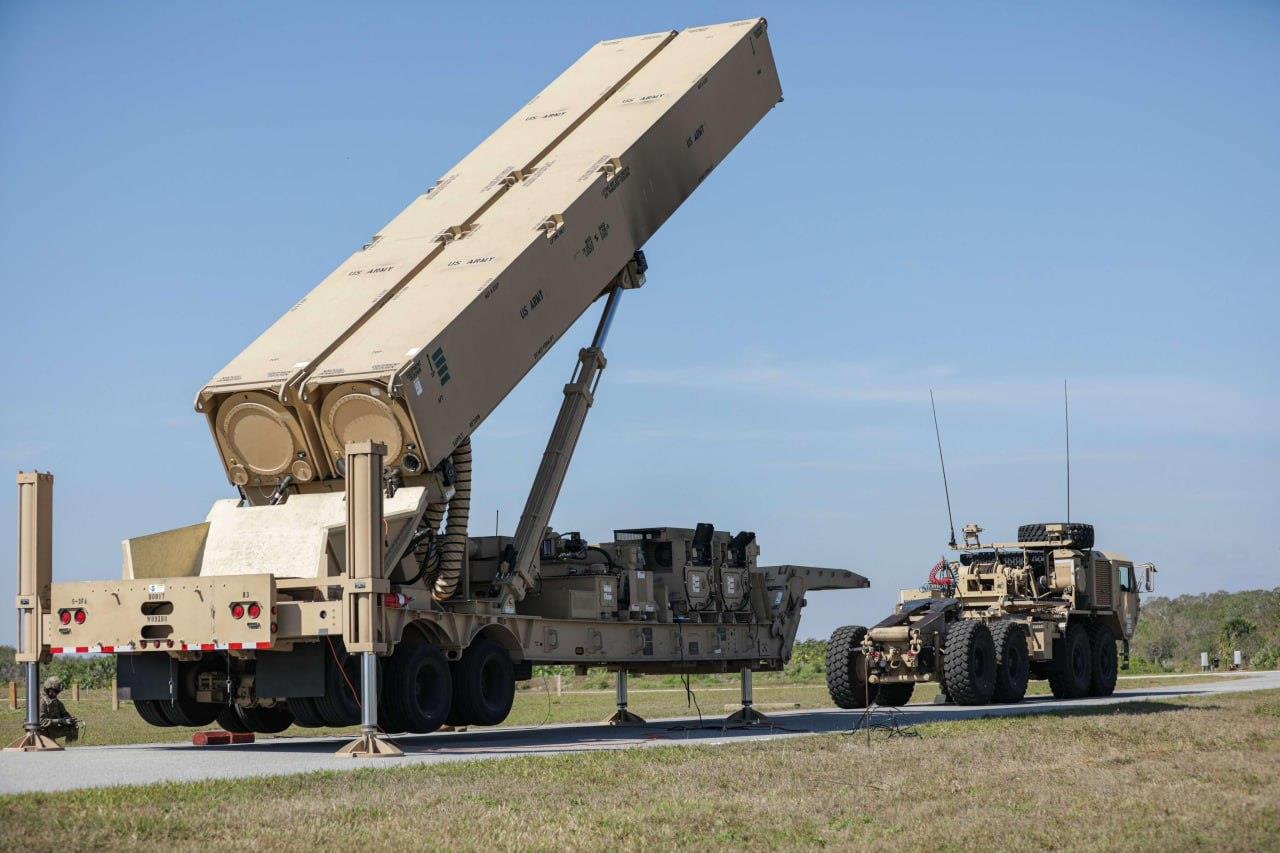
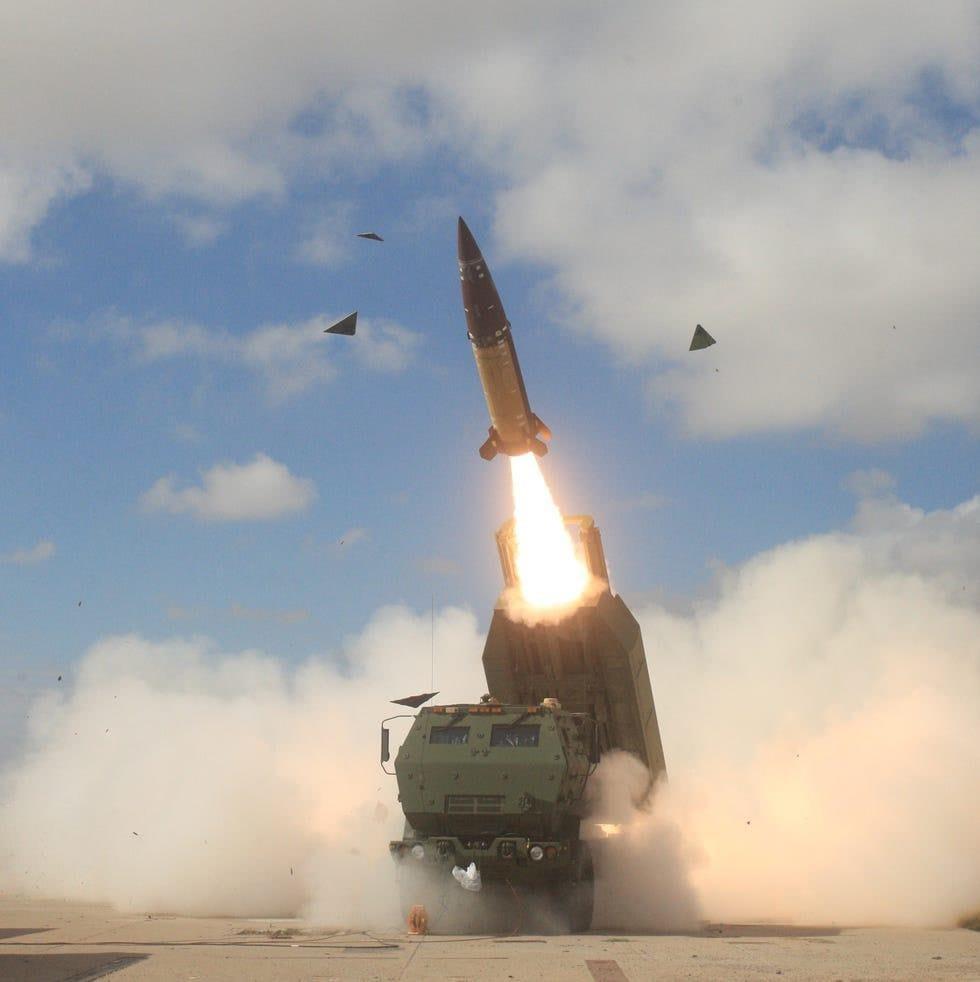
Reuters has reported that during the Iran war, the United States used most of its stockpile of certain long-range precision missiles operated by the U.S. Army.
This does not mean that the United States is running out of weapons. Rather, it highlights a strategic problem: some advanced munitions can be consumed faster than the defense industry can produce and replenish them.
The challenge becomes more significant if Washington must simultaneously maintain military readiness in the Middle East, Europe and the Indo-Pacific. Decisions over which weapons should be retained, where they should be deployed first and which allies should receive priority could become increasingly difficult strategic choices.
The key question for 2027, therefore, is not simply whether the United States has enough weapons. It is this: If several crises erupt at the same time, can weapons production keep pace with the demands of multiple theaters?
Russia–Ukraine: Energy Is Becoming an Increasingly Important Battlefield
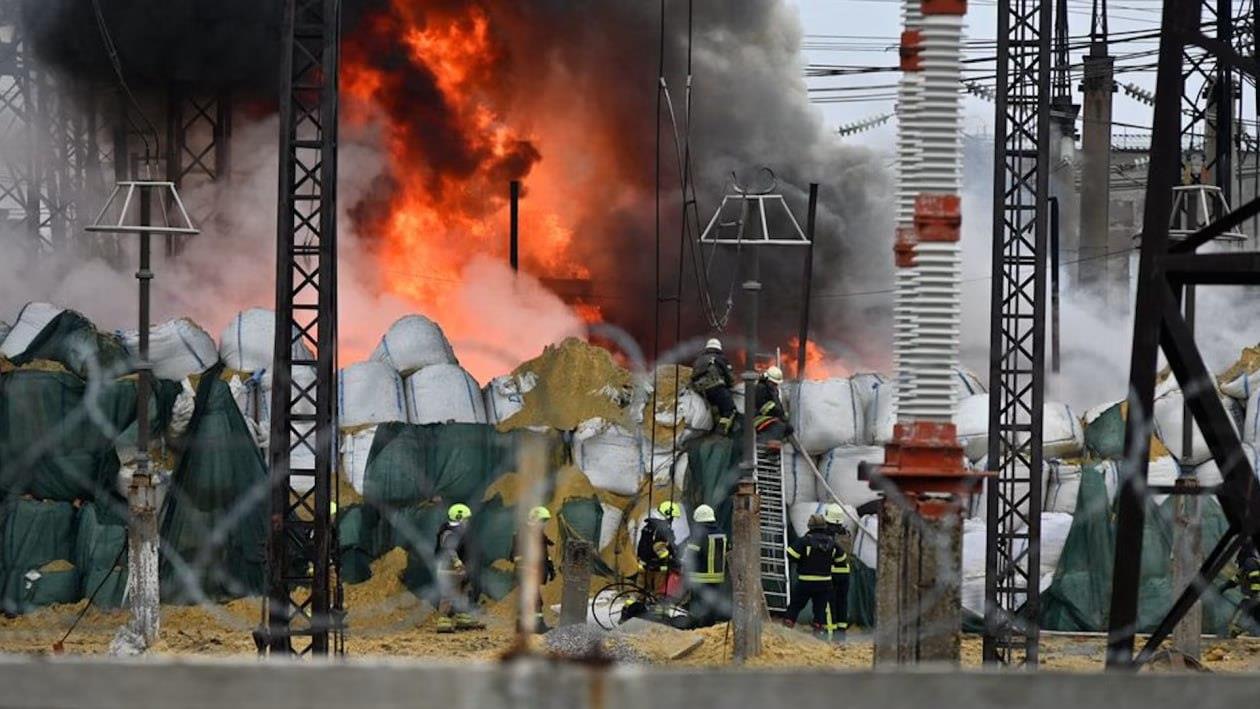
The Russia–Ukraine war also shows no clear path toward resolution, while attacks have extended well beyond conventional military targets. Energy infrastructure is becoming an increasingly important strategic target for both sides.
Russia continues to strike Ukraine's energy system, while Ukraine has stepped up attacks on Russian oil refineries. Ukrainian President Volodymyr Zelenskiy told Reuters that Kyiv would intensify strikes on Russian refineries in response to Moscow's attacks on Ukraine's energy infrastructure.
The significance of such attacks extends beyond the battlefield. Oil, gas and electricity not only sustain national economies; energy revenues and infrastructure also help determine a country's ability to finance and sustain a prolonged war.
If the conflict continues into 2027, attacks on energy infrastructure could place pressure not only on Russia and Ukraine but also on energy prices, markets and economies far beyond the battlefield.
Oil and the Strait of Hormuz: Economic Effects Could Extend Into 2027
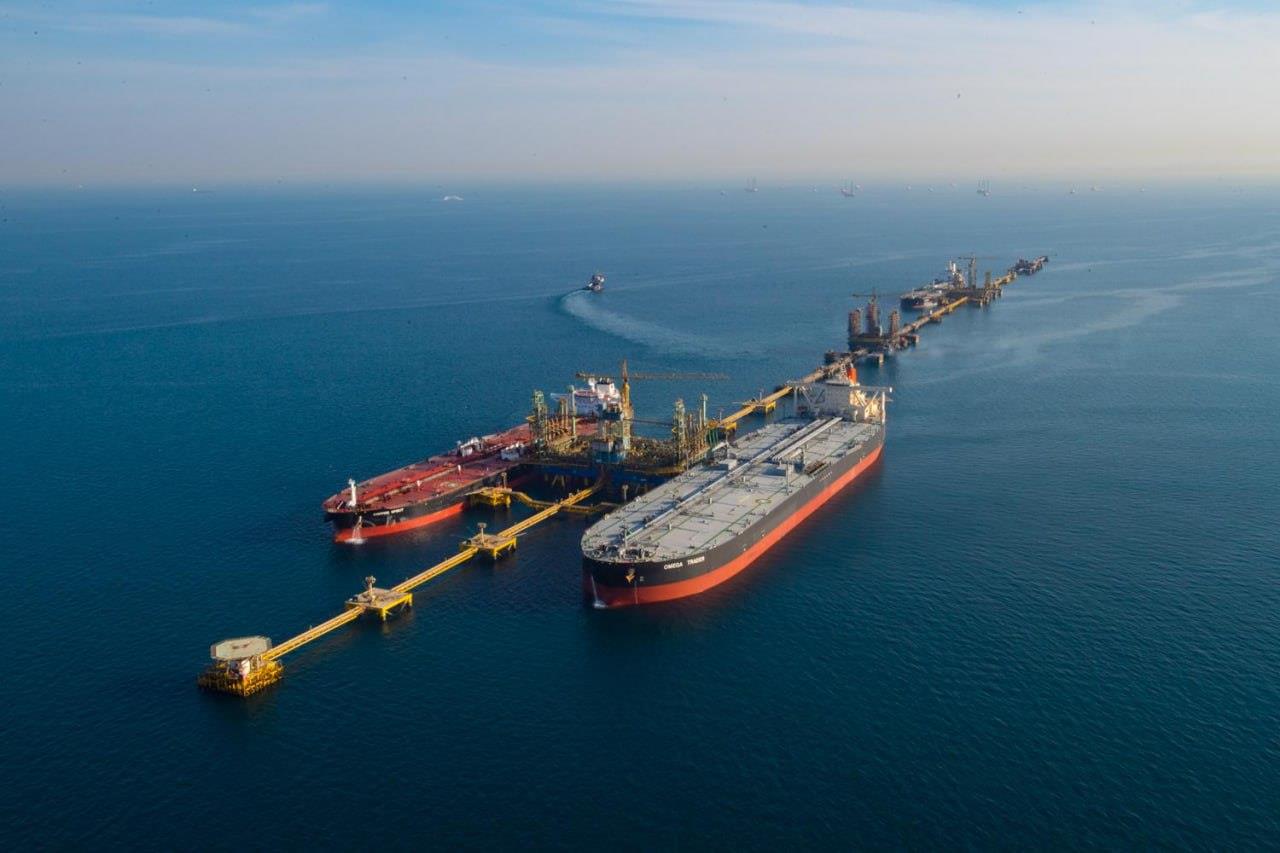
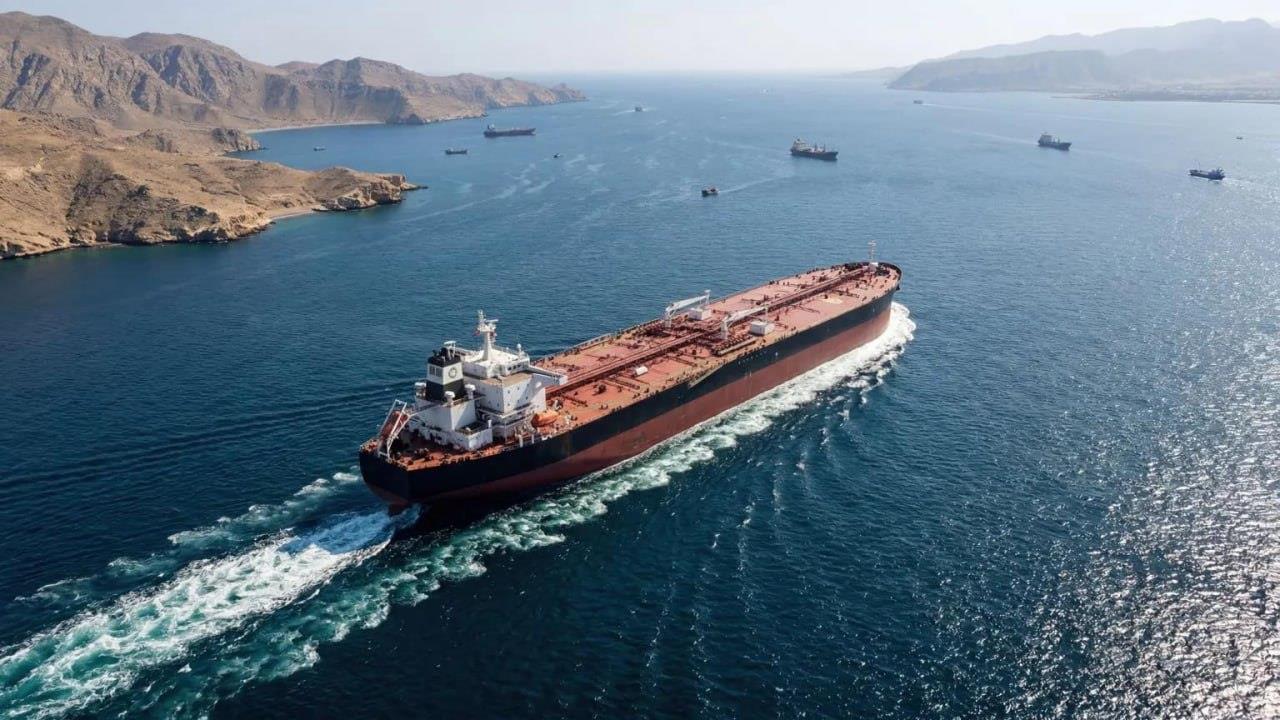
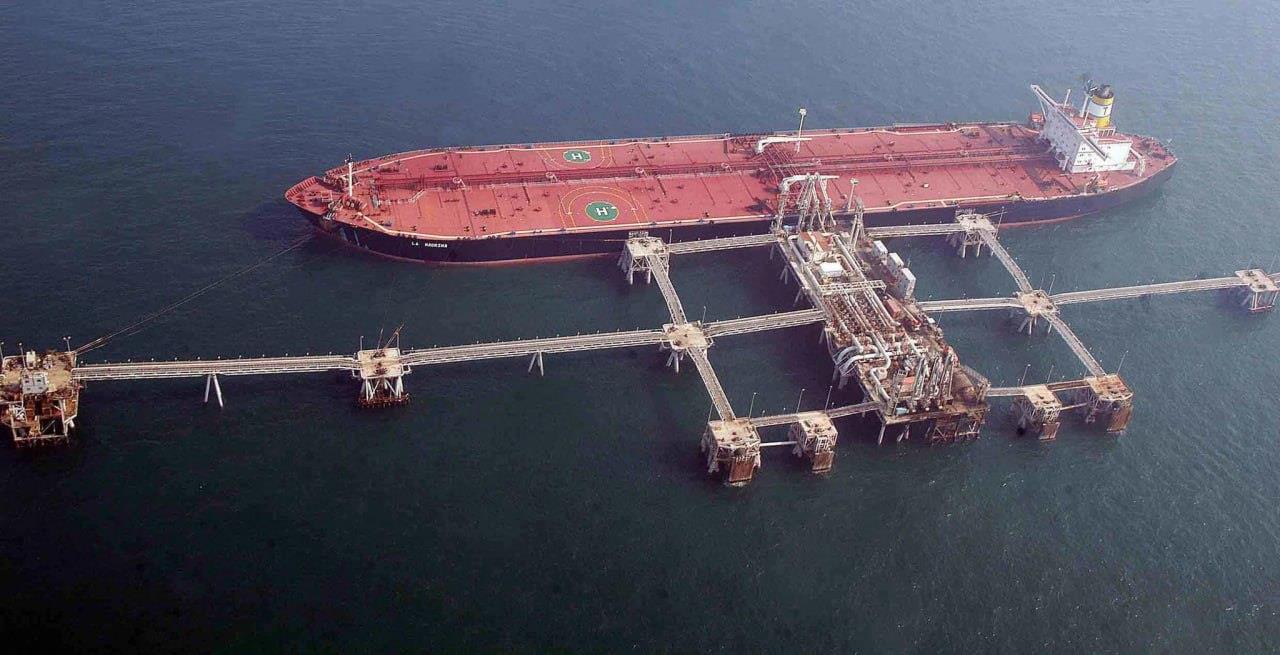
The Middle East conflict has not only caused destruction on the battlefield. It has also disrupted oil shipments through the Strait of Hormuz, one of the world's most important energy chokepoints.
Oil flows have been recovering, but they have not yet fully returned to pre-war levels. Reuters reported on October 6 that total oil flows from Gulf countries excluding Iran recovered in September to about 81% of pre-war levels, while crude oil and condensate flows recovered to around 91%.
Yet recovering oil flows do not mean that the economic consequences disappear immediately. Saudi Aramco's chief executive has said that replenishing oil inventories drawn down during the crisis could take as long as two years.
If tensions surrounding Hormuz persist, the economic consequences of the conflict could extend well into 2027 through oil prices, shipping costs and broader pressure on the global economy — even if the intensity of fighting declines.
Nuclear Risk: The Greatest Danger May Begin With Miscalculation
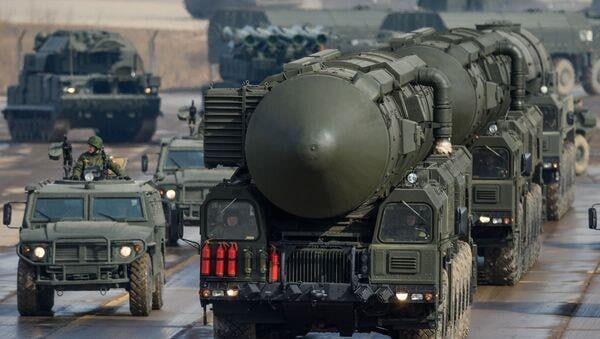
The existence of nuclear weapons does not mean that nuclear war is imminent. But when several major conflicts are unfolding simultaneously, the risks of miscalculation and unintended escalation become more serious.
The Stockholm International Peace Research Institute (SIPRI) says all nine nuclear-armed states are continuing to modernize their nuclear arsenals and delivery systems.
As of January 2026, SIPRI estimated that the world possessed approximately 12,187 nuclear warheads, of which around 2,100–2,200 were maintained on high operational alert, meaning they could potentially be used at short notice.
These figures do not mean that major powers are preparing to launch nuclear war. Nuclear weapons continue to serve primarily as instruments of deterrence.
The danger increases, however, when wars become prolonged, more allies become involved and military strikes move closer to the core strategic interests of major powers. Under such circumstances, misreading an adversary's intentions or responding disproportionately could cause a conflict to escalate unintentionally.
For 2027, therefore, the key question is not: "Who wants to start a nuclear war?" Rather, it is: "Could multiple simultaneous crises produce a miscalculation that pushes a conventional conflict to a far more dangerous level?"
Conclusion: What Could 2027 Bring?
There is not yet sufficient evidence to conclude that a world war will erupt in 2027. But the new year could inherit several serious problems from 2026: unresolved wars in the Middle East and Ukraine, pressure on some advanced weapons stockpiles, continuing risks to the global energy system, and the persistent danger of miscalculation among major powers.
This creates a strategic paradox. As wars become longer and more costly, leaders may choose to escalate military pressure in an attempt to achieve a faster victory. But those same rising costs could also push them toward negotiation.
The central question for 2027, therefore, is not simply whether the wars will continue.
If the two major conflicts remain unresolved, will major powers intensify the use of force in search of victory — or will the rising cost of war push them back to the negotiating table?
For that reason, 2027 may not yet be a year in which the world can confidently expect peace. Instead, it could become a pivotal year — one that determines whether today's crises expand further or begin moving toward negotiation and de-escalation.