
(Phnom Penh): Food can be lost on farms, during storage and transport, in markets, kitchens, restaurants, and homes. Some losses come from pests, weather, damaged roads, lack of refrigeration, strict appearance standards, oversized portions, or forgotten leftovers.
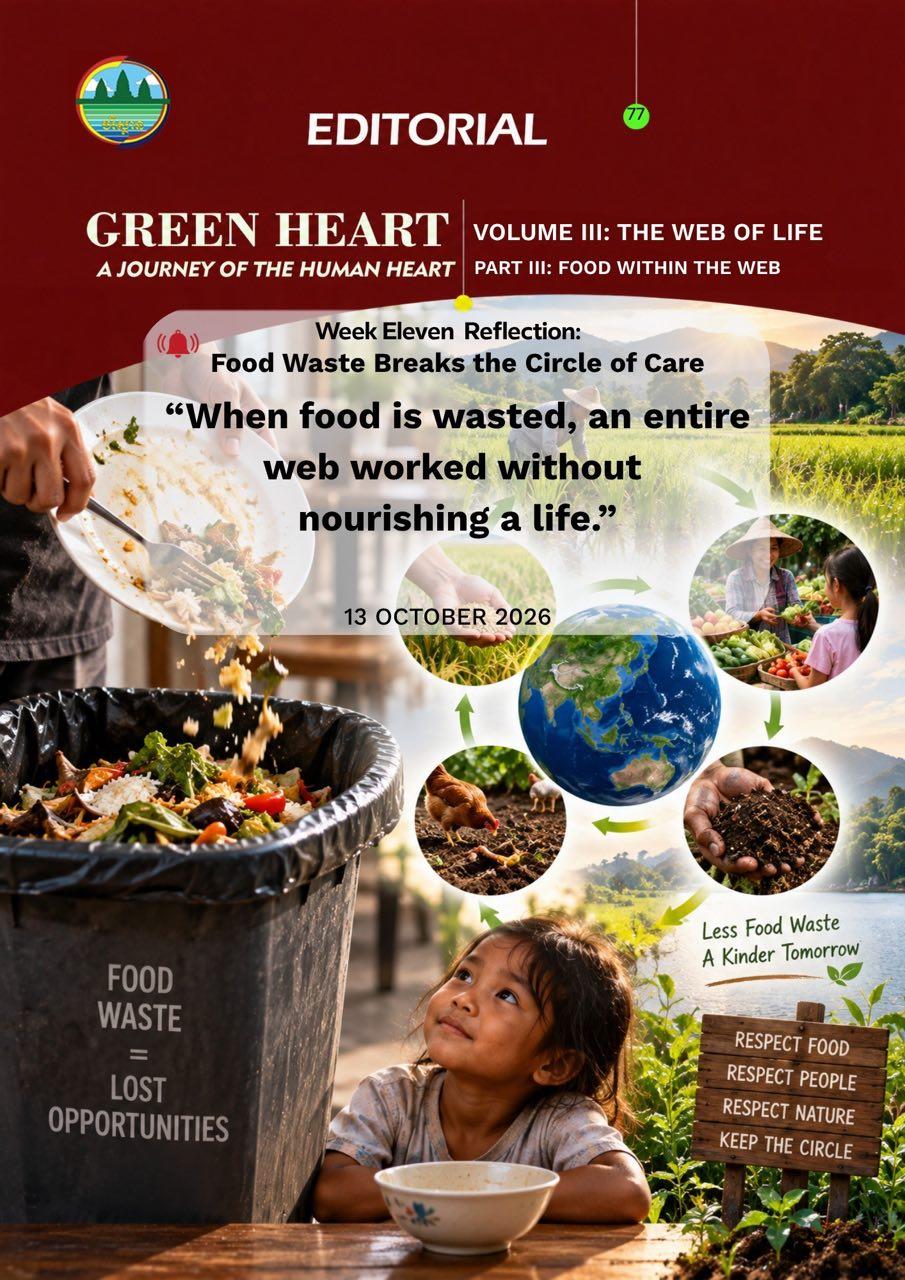
“When food is wasted, an entire web worked without nourishing a life.”
When food is wasted, more than the item is lost. Soil, water, energy, labor, seeds, fertilizer, transport, money, packaging, and ecosystem impacts were used without fulfilling their main purpose.
Food waste can also create environmental problems. In landfills without suitable gas management, decomposing organic waste can produce methane. Poorly managed waste attracts pests, creates odors, and pollutes water.
Prevention is the first priority. Farmers need storage and market access. Businesses can improve forecasting and accept imperfect produce. Households can plan meals, store food safely, understand date labels, serve suitable portions, and use leftovers.
Food safety comes before waste prevention. Unsafe food should not be eaten. Date-label meanings differ, and perishable foods require correct temperature and handling. When uncertain, follow trusted health guidance.
Surplus edible food may be shared through safe, organized systems. Suitable scraps can feed animals where legal and safe, support industrial uses, or be composted. The best path depends on local infrastructure.
Students can keep a food-waste diary without shaming anyone. Record what was left and why. Perhaps the portion was too large, the food was disliked, or plans changed. Understanding causes makes solutions practical.
We should not blame families who lack storage, workers following rules, or farmers facing unavoidable loss. Food systems need investment and cooperation. Personal habits are one part of a larger circle.
This week, farms, soil, diversity, water, and fisheries revealed the web inside every meal. Food waste breaks that circle of care at its final step.
To finish a suitable portion is a small act of gratitude. To prevent loss across a supply chain is a social achievement. Both honor the lives and labor that brought nourishment within reach.
Celebration can help habits last. A school might measure food saved, share creative leftover recipes approved for safety, or thank kitchen workers for better portion planning. Positive recognition makes waste prevention a shared success instead of a source of shame.
The remaining unavoidable scraps still need responsible treatment. Safe animal feed, composting, digestion, or collection systems may recover value according to local rules. Prevention comes first, but thoughtful recovery completes the circle.
Each step honors the resources that could not be saved at the first step.
Buddhist Reflection
Gratitude becomes incomplete when we praise food but discard it carelessly. Mindfulness helps us take enough, store wisely, and receive nourishment with respect while protecting health.
Today’s Reflection
What is the most common reason food is wasted in my home or school?
Today’s Action
Record one day of avoidable food waste and choose one non-blaming prevention for tomorrow.
Today’s Pledge
Today I will honor the whole food web by taking wisely, storing safely, and wasting less.
When we protect nature, we protect all beings, including ourselves.
=FRESH NEWS