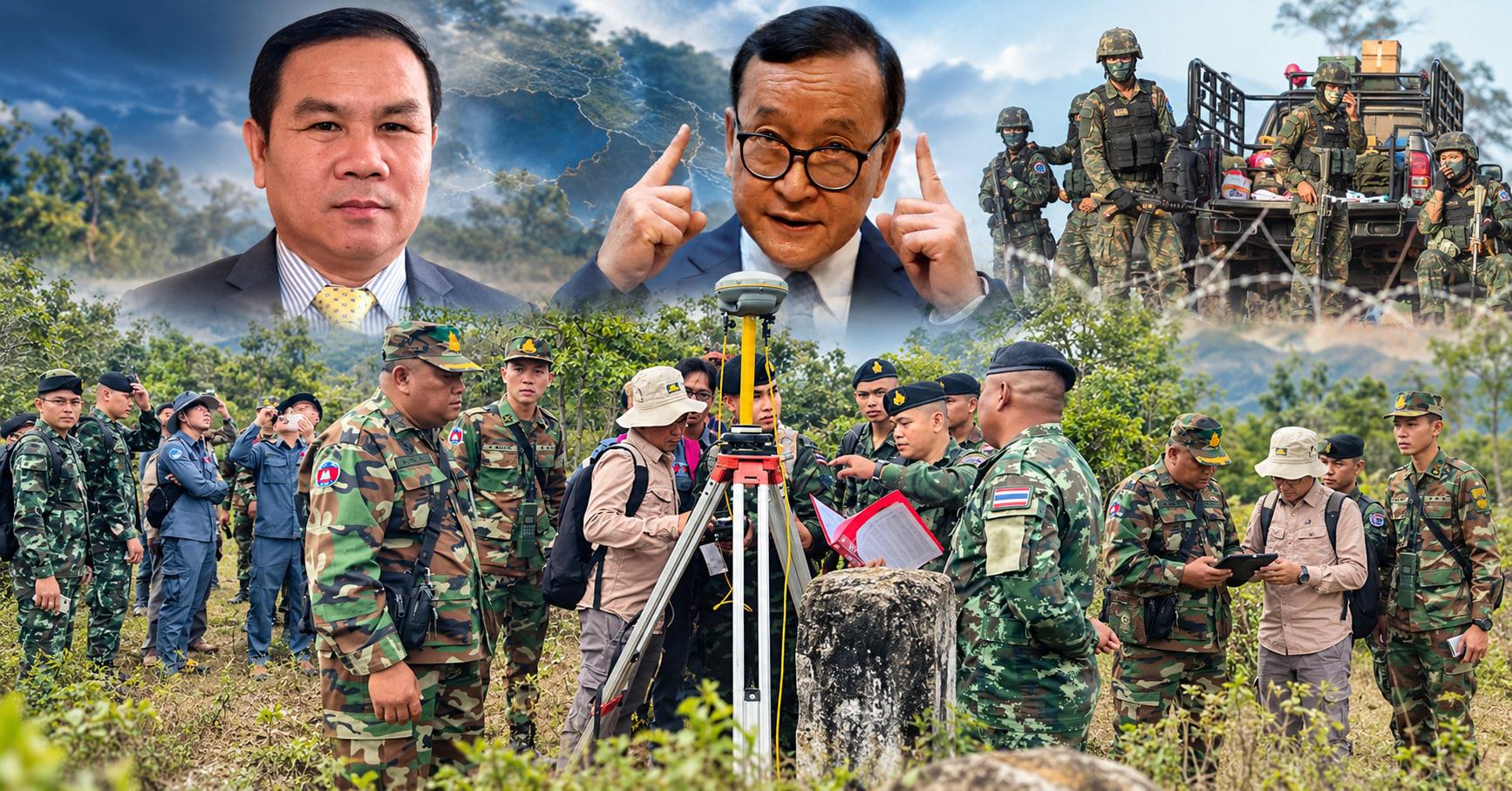

(Phnom Penh): Defending national territory does not necessarily mean going to war. Nor does pursuing diplomacy and international law signify weakness or the abandonment of sovereignty. On the contrary, accusing a government of surrendering territory to another country is an exceptionally serious allegation that demands clear and verifiable evidence.
As Cambodia continues to face border disputes with Thailand, allegations involving opposition figures Sam Rainsy and Um Sam An raise a fundamental question: Should national sovereignty become an instrument of political rivalry, or should territorial disputes be addressed through evidence, international law, and accountability in the national interest?
1. When Accusations Involve National Sovereignty, Accountability Cannot Be Ignored
On October 10, 2026, Thai broadcaster Top News aired an interview with Nantiwat Samart, a former senior Thai intelligence and foreign affairs official.
During the interview, Nantiwat reportedly claimed that Cambodian opposition figure Sam Rainsy had said Cambodian forces opened fire on Thailand first and that Thai forces merely retaliated.
On October 12, a Cambodian government spokesperson categorically rejected that account, maintaining that Thai forces had fired first and calling on Sam Rainsy to clarify whether he had made the alleged statement.
This controversy goes beyond a political exchange. It concerns responsibility for an armed confrontation and could have implications for Cambodia's position in international discussions.
Claims about which side fired first may influence public perceptions of how a conflict began and whether military force was justified. However, determining responsibility under international law requires an examination of the relevant facts, evidence, and circumstances—not reliance on a single statement.
If Sam Rainsy did not make the remarks attributed to him, a public clarification would help prevent the circulation of a potentially misleading account.
If he did make those remarks, he should explain the evidence supporting his position, particularly because the allegation contradicts the Cambodian government's official account.
Equally important, the original source of the alleged remarks must be independently verified. A claim made by a former Thai official does not, by itself, establish that Sam Rainsy actually made the statement attributed to him.
At a time of heightened border tensions, political statements carry consequences. Unsupported allegations can be repeated, misinterpreted, or used to complicate a country's diplomatic position.
Politicians therefore have a responsibility to substantiate their claims, while journalists and commentators must ensure that quotations and attributions are accurate.
Criticizing a government is a legitimate political right. But allegations concerning armed conflict and national sovereignty demand evidence.
When political statements have the potential to affect national interests, accountability must take precedence over political rivalry.
2. From Allegations of Territorial Concessions to Questions About Border Markers 52–59
A separate controversy emerged when Cambodian opposition figure Um Sam An, who lives abroad, accused the Cambodian government of effectively surrendering territory to Thailand in exchange for peace and political survival.
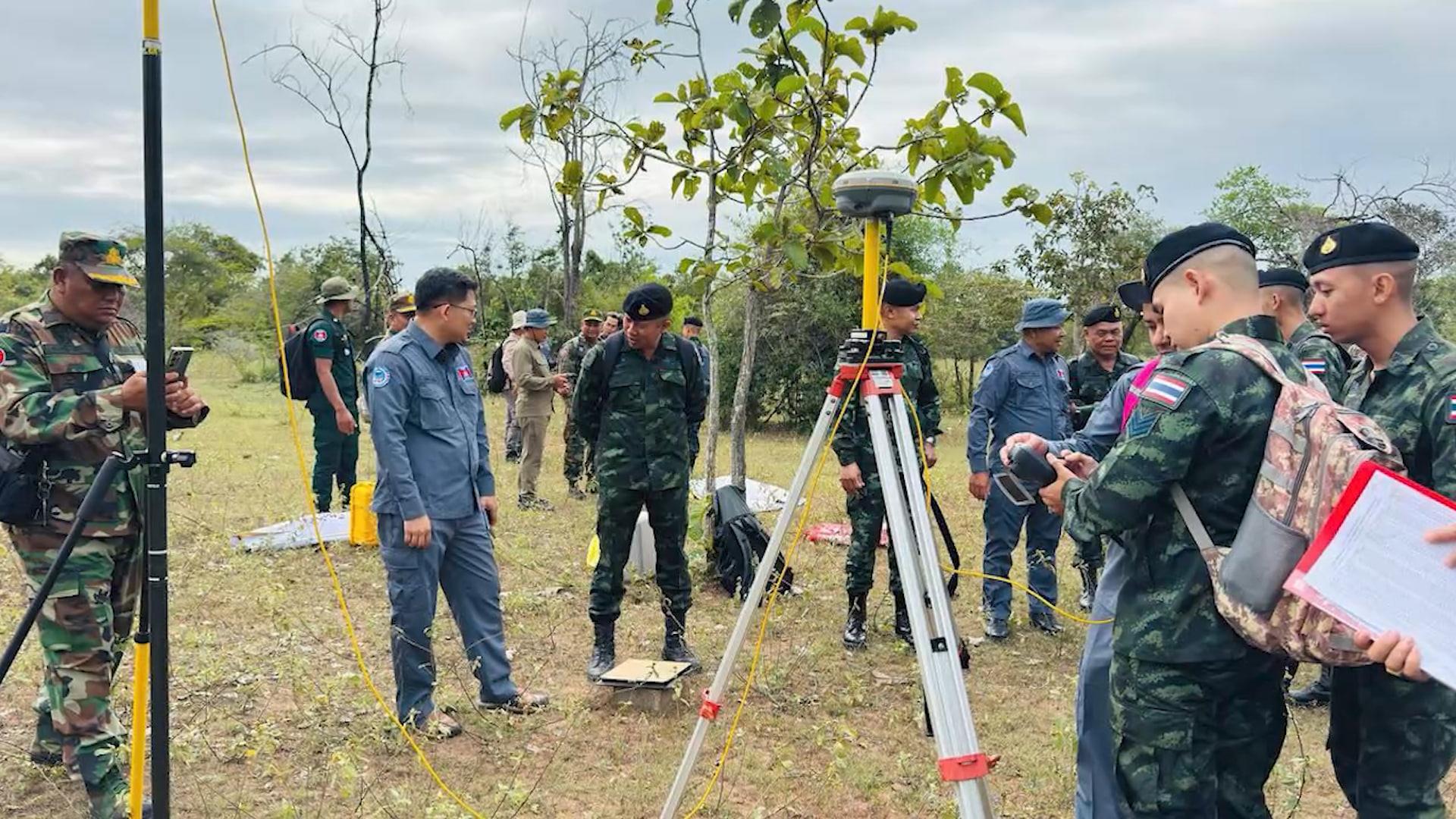
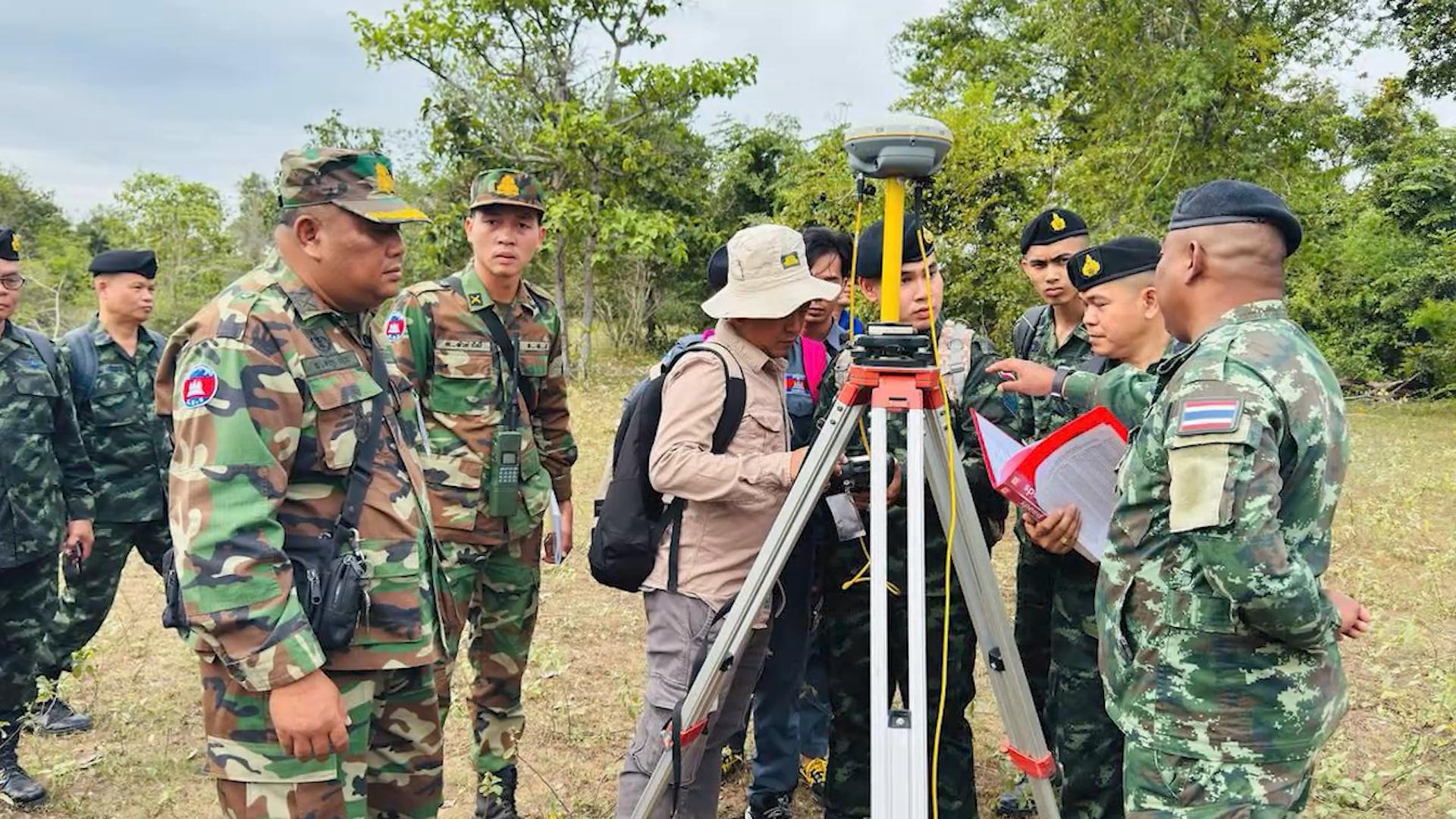
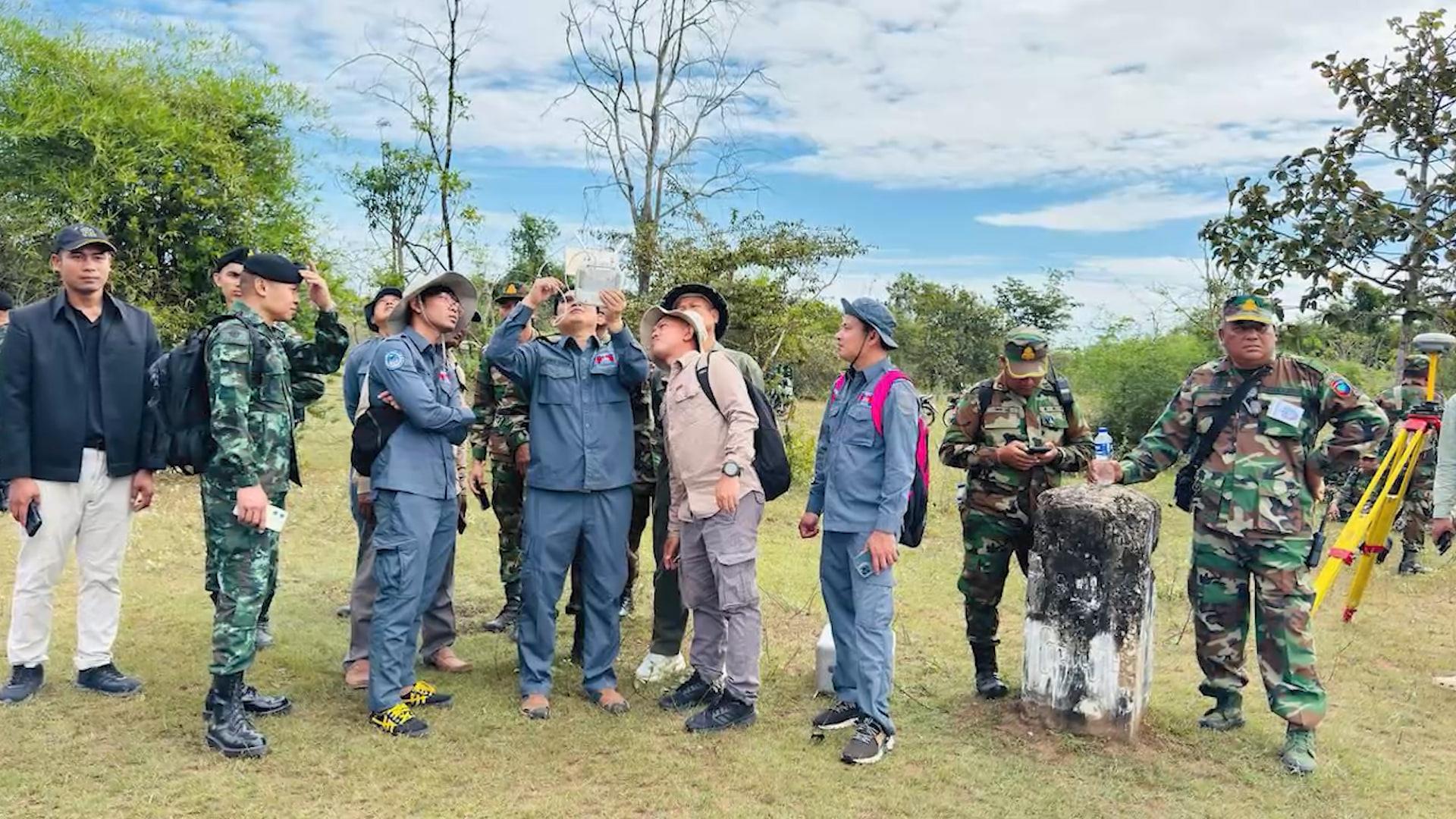
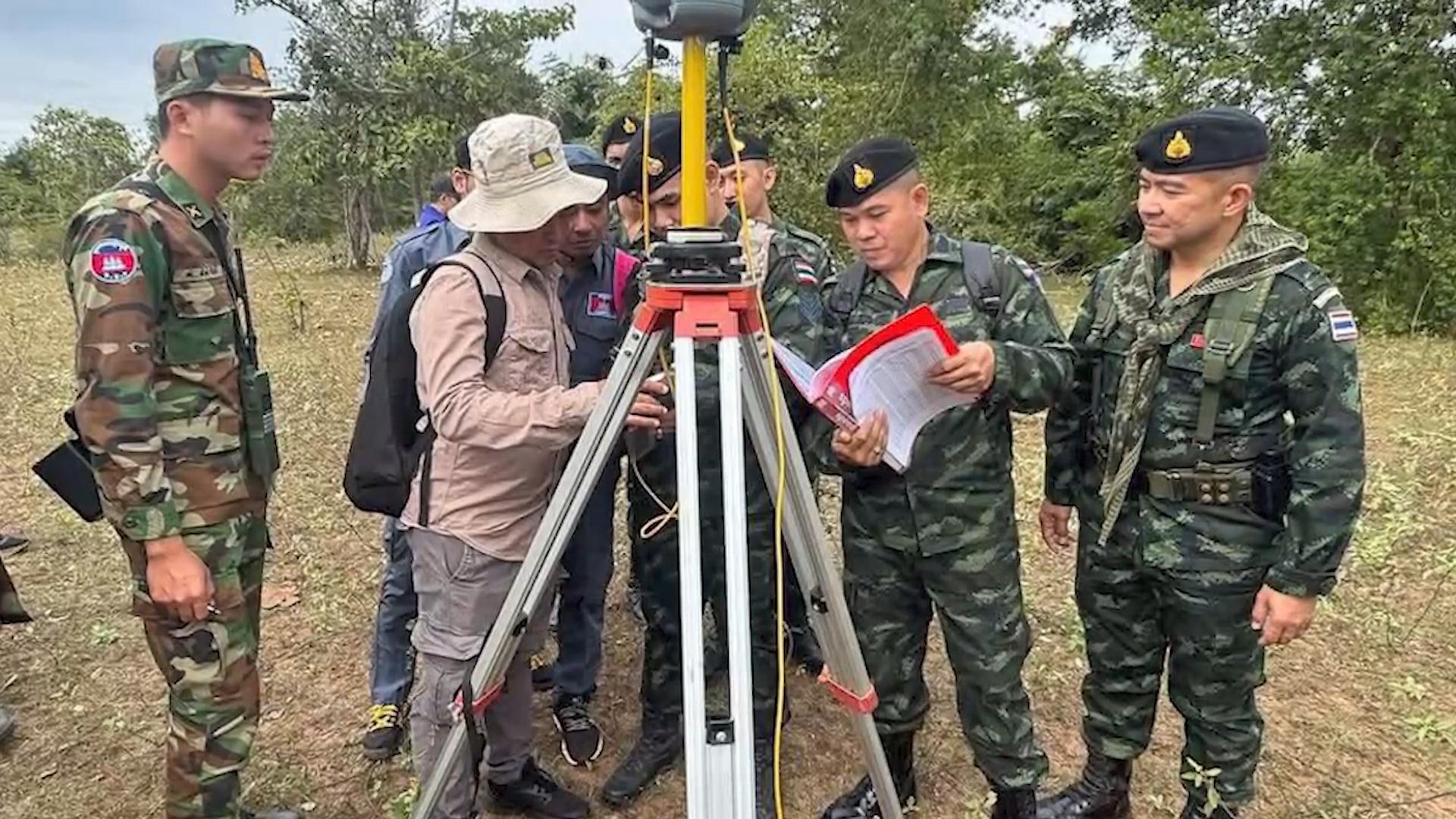
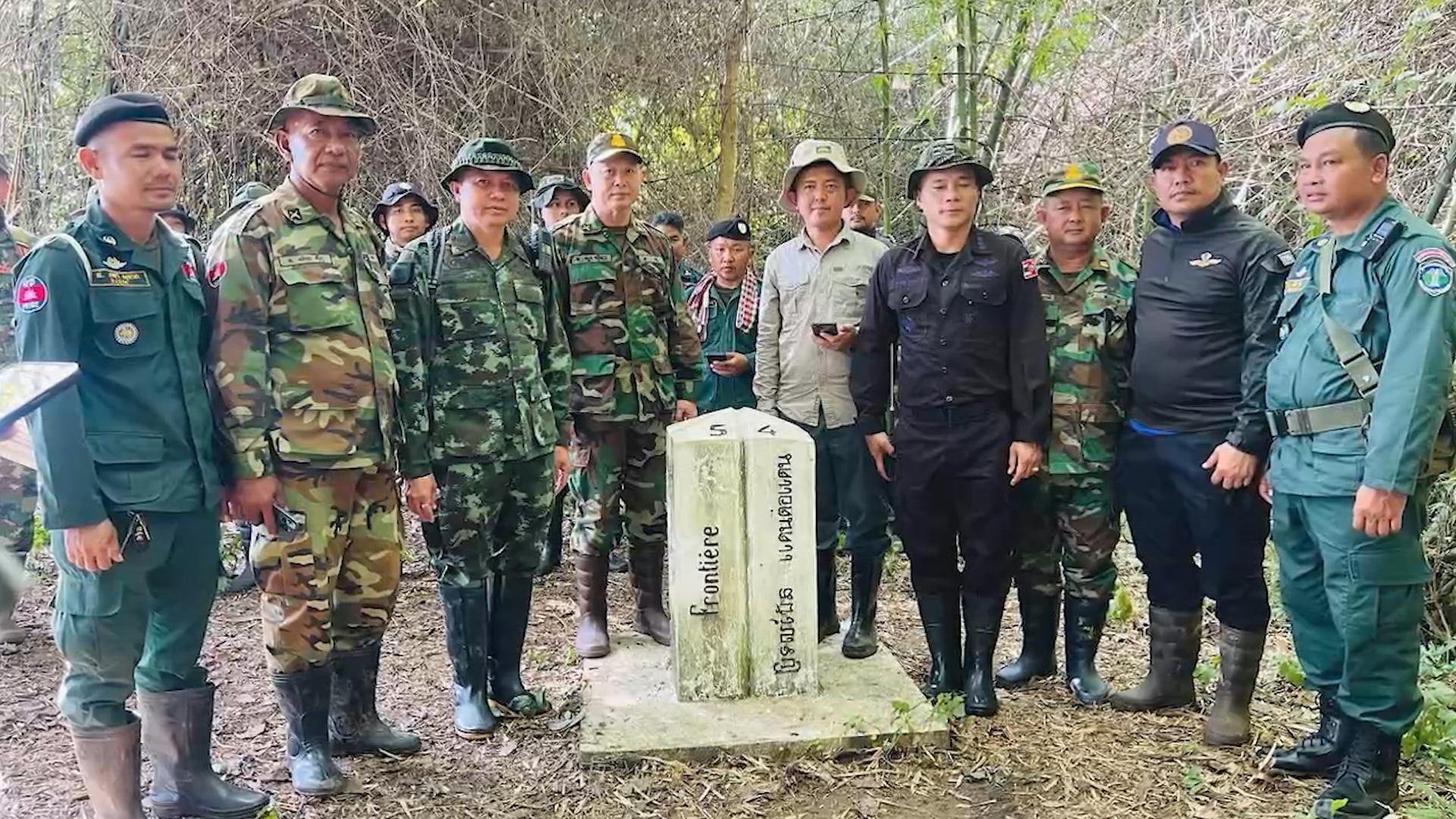
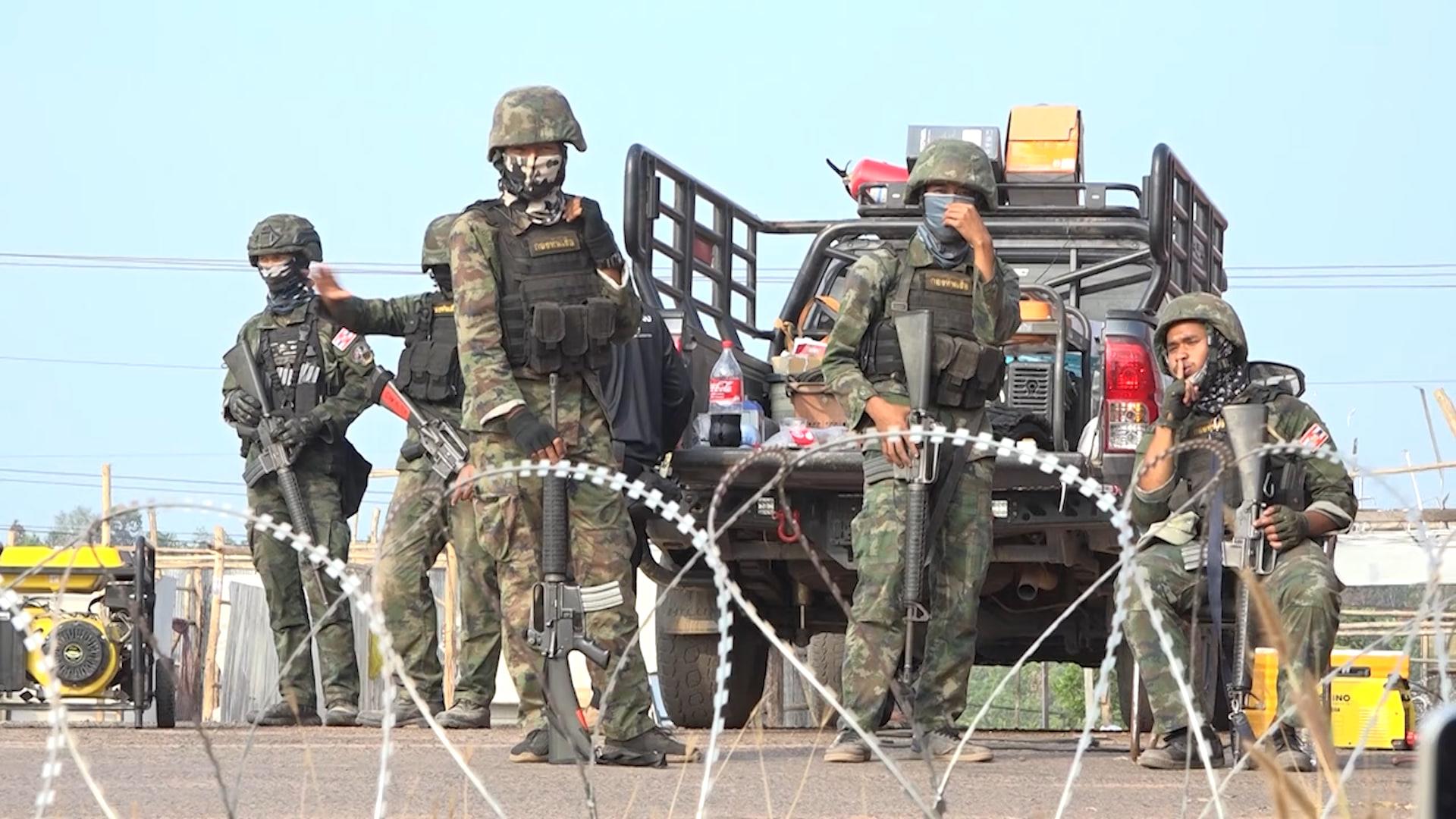
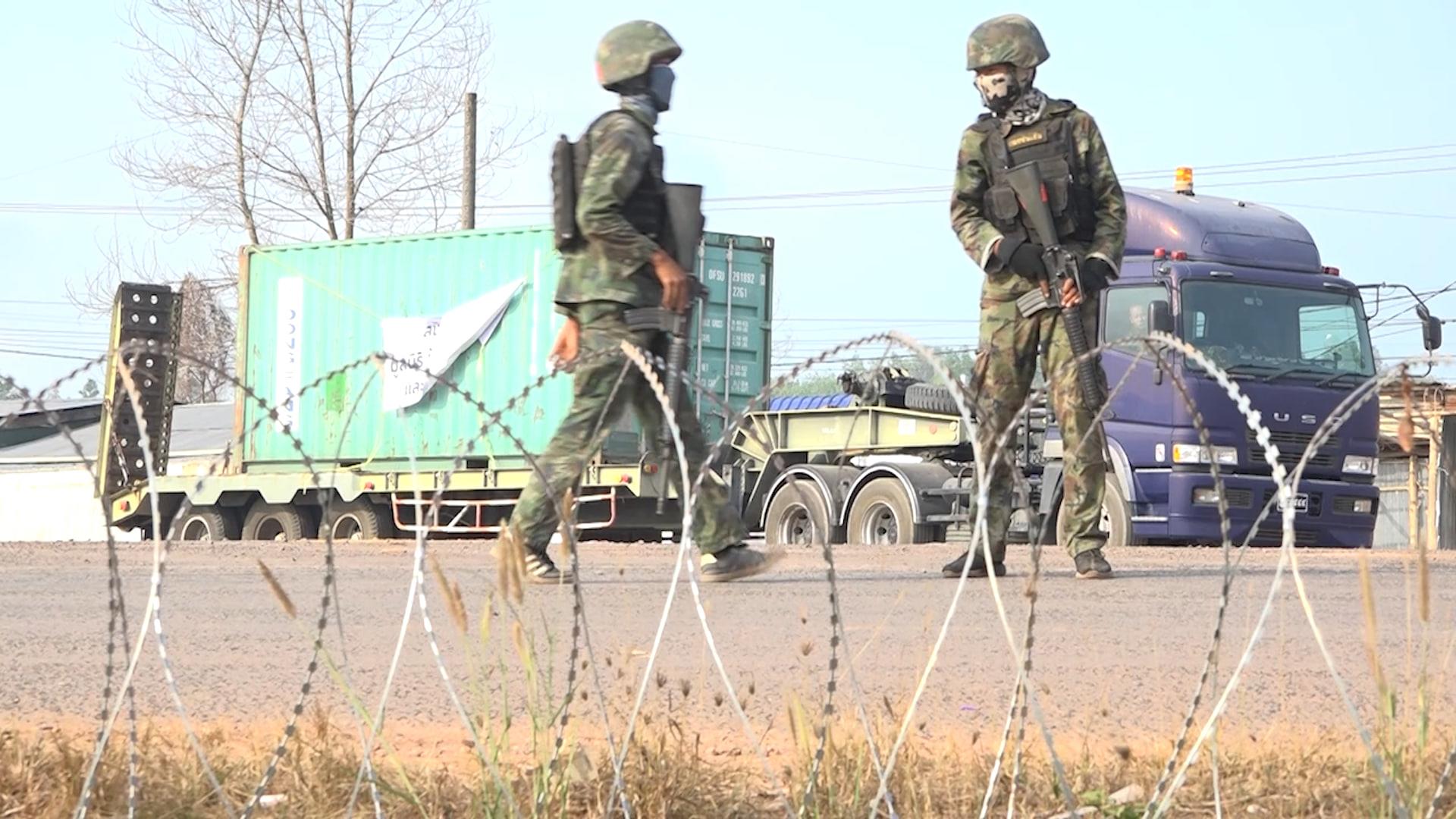
His allegations concern the area between border markers 52 and 59, near Kamrieng district in Battambang province, including the construction of border fencing by Thailand.
Such accusations are too serious to be judged solely on political statements or personal interpretations.
An allegation that a government has ceded national territory must be supported by legal documents, relevant boundary maps, geographic coordinates, and evidence that can be independently examined.
The central questions are whether the legally recognized boundary has changed, where any alleged change occurred, and what evidence supports that conclusion.
Under international law, the construction of a fence, the placement of temporary markers, or the exercise of physical control does not automatically establish lawful sovereignty over disputed territory.
Territorial rights must be assessed against the applicable treaties, legal instruments, relevant maps, and other evidence.
This distinction is essential: Physical control is not necessarily equivalent to legal title, and a border fence is not a boundary treaty.
The public is therefore entitled to ask two straightforward questions.
What evidence demonstrates that Cambodia has lost territory in the area concerned? And what documents, if any, establish that the Cambodian government agreed to transfer that territory to Thailand?
National sovereignty cannot be determined by political accusations. It must be assessed through law and evidence.
3. The Prime Minister's Invitation: Moving From Accusations to Evidence
Responding to the allegations, Cambodian Prime Minister Hun Manet invited Um Sam An and his team of experts to present their documents, maps, and supporting evidence directly to Cambodian border specialists.
The proposed discussion would focus specifically on the area between border markers 52 and 59.
The prime minister also offered security assurances, transportation arrangements, and accommodation during the proposed visit.
He further indicated that journalists, political party representatives, civil society organizations, students, and academics could be allowed to observe the discussion under appropriate arrangements.
The invitation represents an opportunity to move the dispute beyond competing statements on social media and toward an examination of documents and evidence that can be verified.
However, in the response reviewed for this commentary, Um Sam A did not directly address the technical questions concerning border markers 52–59.
Instead, he emphasized national reconciliation, the release of political prisoners, and cooperation in bringing territorial disputes with Thailand before an international court.
These issues may be important in their own right. Nevertheless, they do not directly answer the original allegation that the Cambodian government had surrendered territory in the specified border area.
This raises a legitimate question: Why has an opportunity to present evidence before technical experts and public observers not yet produced a direct response to the central issue?
A failure to provide evidence in one response does not necessarily mean that no such evidence exists. Nor does it automatically constitute a formal rejection of the invitation.
Nevertheless, allegations involving the transfer of national territory should not remain unsupported or unresolved.
Um Sam A should make the documents underlying his claims available for scrutiny and participate in a transparent and secure verification process.
Those who accuse a government of surrendering national territory must be prepared to substantiate their claims. Sovereignty is too important to become merely another instrument of political competition.
It demands facts, evidence, and accountability to the nation.
4. Peace Is Not Surrender, and War Is Not Proof of Patriotism
For a relatively small country such as Cambodia, defending sovereignty and preserving peace must go hand in hand.
Choosing diplomacy and international law does not mean abandoning territorial rights. It means seeking to protect those rights without resorting unnecessarily to armed conflict.
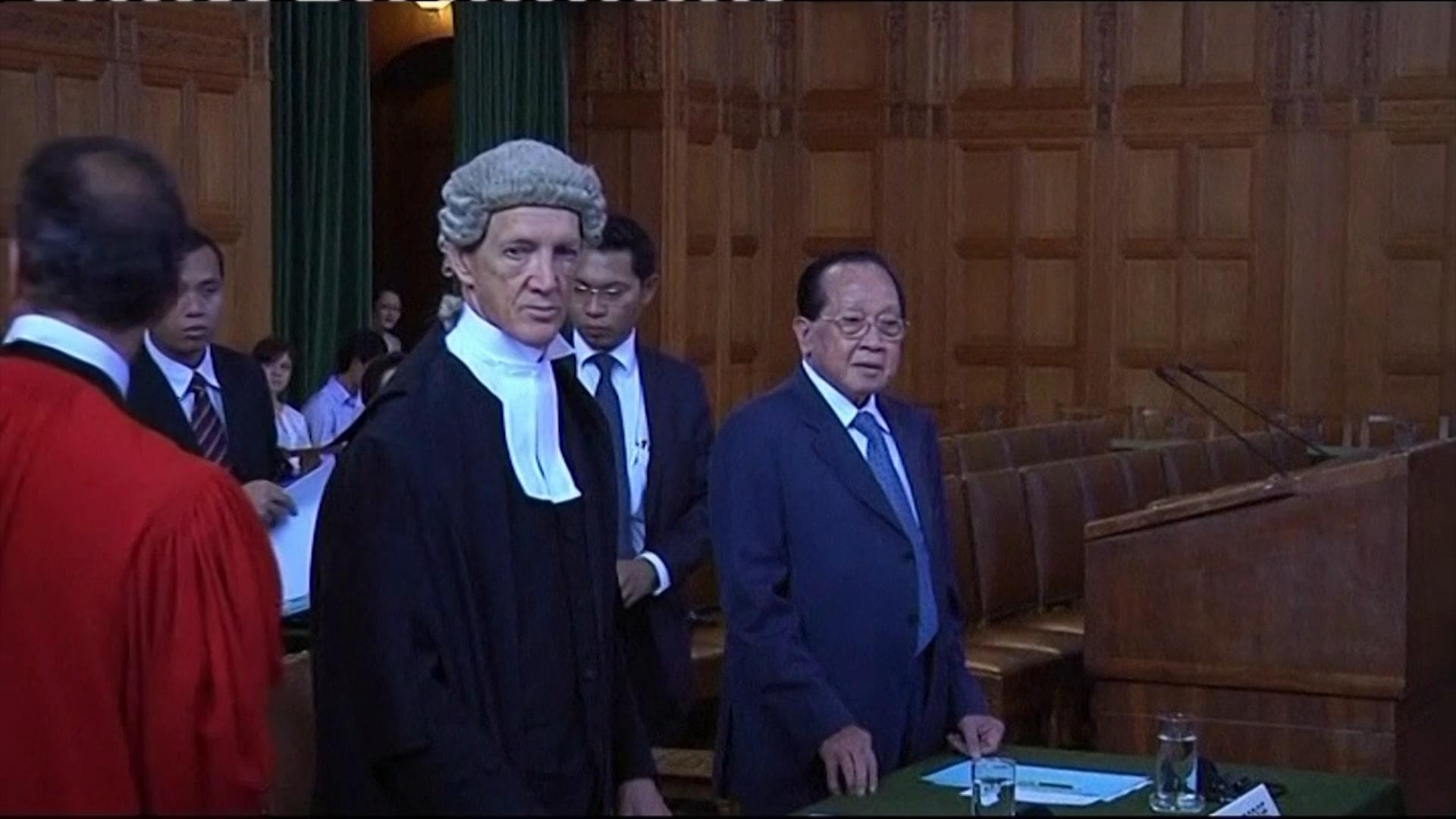
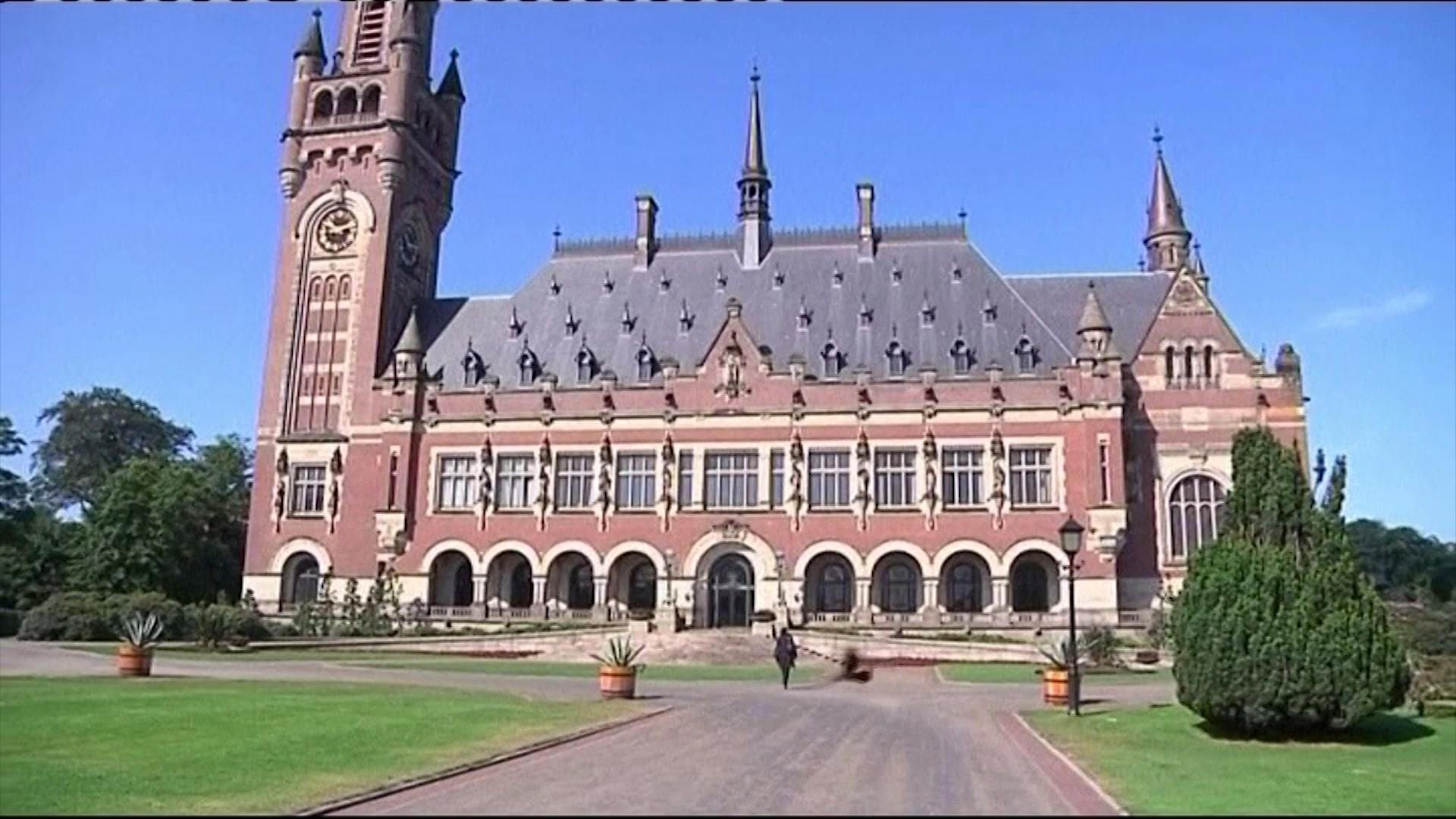
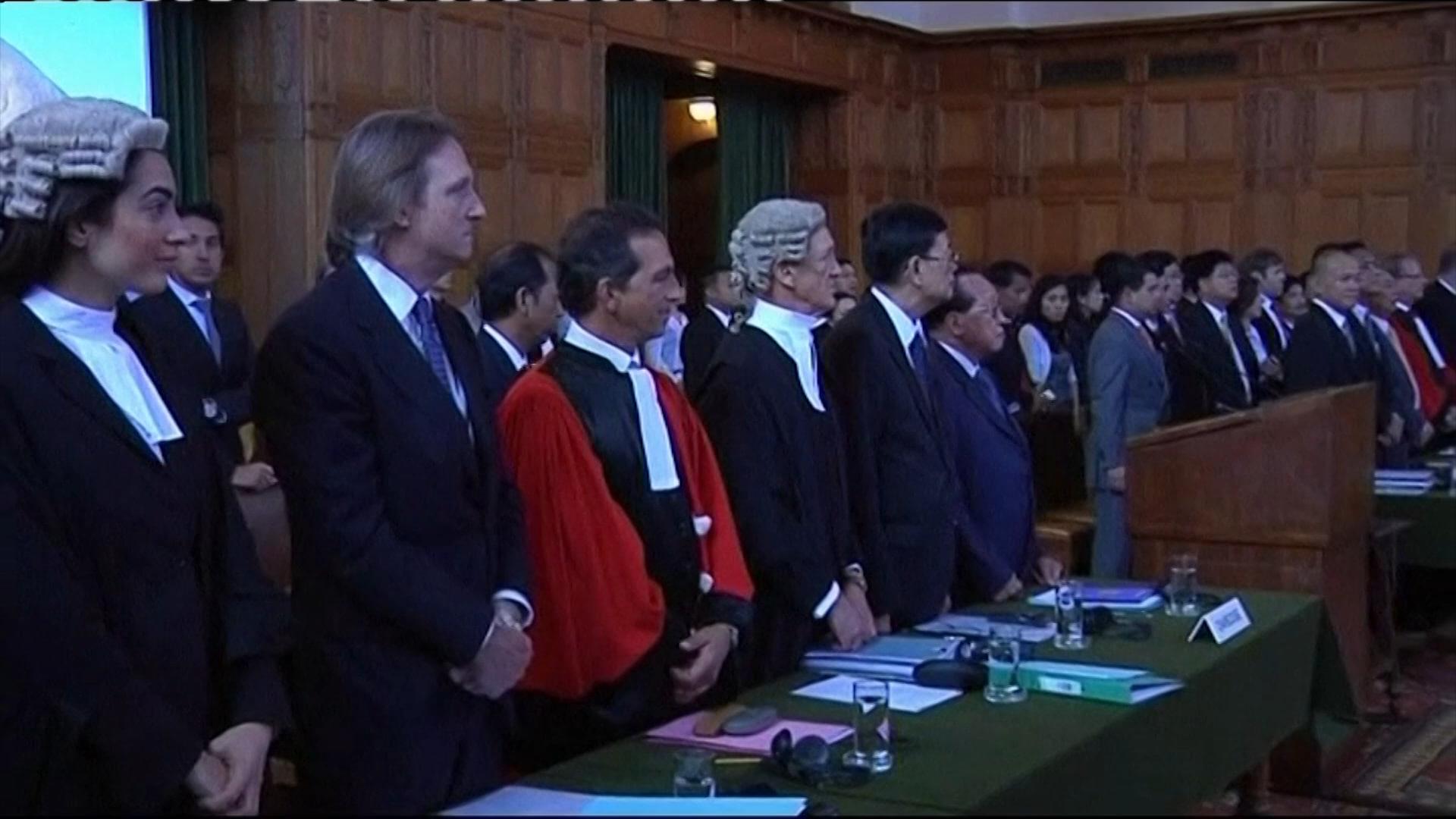
Cambodia's experience with the Preah Vihear Temple dispute demonstrates the importance of international legal mechanisms.
The International Court of Justice's 1962 judgment and its 2013 interpretation illustrate how legal proceedings can help clarify and protect a state's territorial rights.
Nevertheless, international law does not guarantee an easy solution to every dispute. Each case requires an appropriate legal basis, and proceedings before the ICJ depend on the Court's jurisdiction.
As the world continues to confront the Russia–Ukraine war and instability in the Middle East, the human cost of armed conflict remains a powerful reminder of the value of peace.
War destroys more than military capabilities. It takes civilian lives, damages infrastructure, disrupts economic activity, and threatens the future of entire generations.
Cambodia should therefore seek to avoid military confrontation wherever a peaceful and lawful alternative remains available.
Criticism of the government, when supported by evidence, is a legitimate democratic right.
But allegations concerning territorial concessions or responsibility for armed conflict can mislead the public and intensify tensions when circulated without adequate verification.
No politician should exploit national sovereignty, public suffering, or the risk of war for political advantage.
Genuine patriotism is not demonstrated by demanding confrontation. It is demonstrated by defending national interests through evidence, law, and responsibility for the lives of citizens.
5. Defending the Nation With Facts, Not Political Provocation
In a democratic society, criticizing the government is a legitimate right. But accusations involving national sovereignty must be supported by credible evidence and accompanied by accountability.
Political competition must never make truth its first casualty.
For Sam Rainsy, the central question remains: Did he actually say that Cambodian forces fired first, as alleged by the former Thai official?
For Um Sam An, the question is equally direct: What evidence supports his allegation that the Cambodian government surrendered territory to Thailand between border markers 52 and 59?
The Cambodian government, for its part, also has a responsibility to provide technical explanations and relevant information wherever possible, without compromising national security or ongoing negotiations.
These are questions that should be answered through facts, documentation, and responsible public discussion.
Border disputes should not become a platform for political provocation or attempts to gain partisan advantage.
True patriotism should not be measured by the intensity of political rhetoric, but by the willingness to confront facts, respect evidence, and place national interests above personal political ambitions.
Conclusion: Territorial Rights Require Evidence; Peace Requires Responsibility
Defending sovereignty and preserving peace are not contradictory objectives.
Cambodia can maintain a firm position on its territorial rights while continuing to pursue diplomacy and international law rather than risking another conflict that could bring suffering to its people.
Evidence-based criticism can serve the national interest. Unsupported allegations, however, can undermine public trust and deepen political tensions.
Political leaders, whether in government or opposition, must place national sovereignty and public safety above partisan interests.
Cambodia does not need another war to prove its patriotism. What it needs is credible evidence, effective diplomacy, and a shared commitment to protecting the country's future.
Territorial rights require evidence. Peace requires responsibility. And the lives of Cambodian citizens must never become the price of political rivalry.